Robert Beavers
Directing
Biography
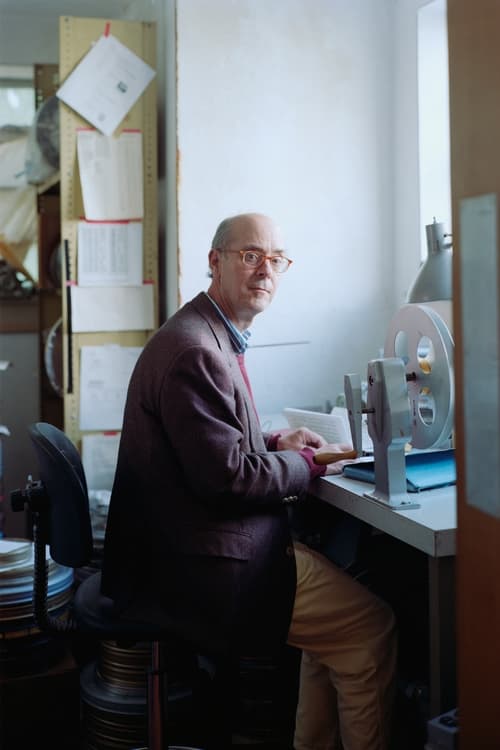
Robert Beavers (born 1949) is an American experimental filmmaker whose work stands among the most significant in postwar avant-garde cinema. He is best known for My Hand Outstretched to the Winged Distance and Sightless Measure, an 18-film cycle spanning decades of work, much of it later re-edited. Beavers developed a distinctive visual language using hand-cut mattes, filters, and precise sound–image structures, often focusing on craft and manual labor as metaphors for filmmaking itself. Born in Brookline, Massachusetts, he began making films in New York before moving to Europe in 1967 with his partner, Gregory J. Markopoulos. Together they withdrew their films from distribution, presenting them only at the Temenos screenings in Arcadia, Greece (1980–86). After Markopoulos’s death in 1992, Beavers founded Temenos, Inc. to preserve both of their legacies. His films draw deeply on place and history, from Florence in From the Notebook of… (1971/1998) and Venice in Ruskin (1975/1997) to the Greek landscapes of Wingseed (1985), The Hedge Theater (1986–90/2002), and The Ground (1993–2001). Later works include Pitcher of Colored Light (2007), The Suppliant (2012), Listening to the Space in My Room (2013), and The Sparrow Dream (2022). Beavers continues to live and work between Berlin and Massachusetts with filmmaker Ute Aurand, while overseeing the preservation of both his own films and Markopoulos’s Eniaios.
Known For

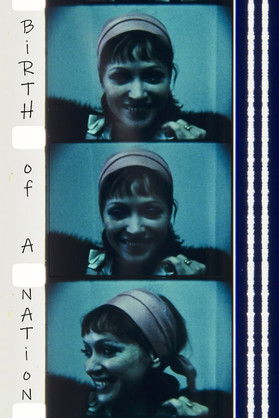
Jonas Mekas assembles 160 portraits, appearances, and fleeting sketches of underground and independent filmmakers captured between 1955 and 1996. Fast-paced and archival in spirit, the film celebrates the avant-garde as its own “nation of cinema,” a vital community existing outside the dominance of commercial film.
Birth of a Nation

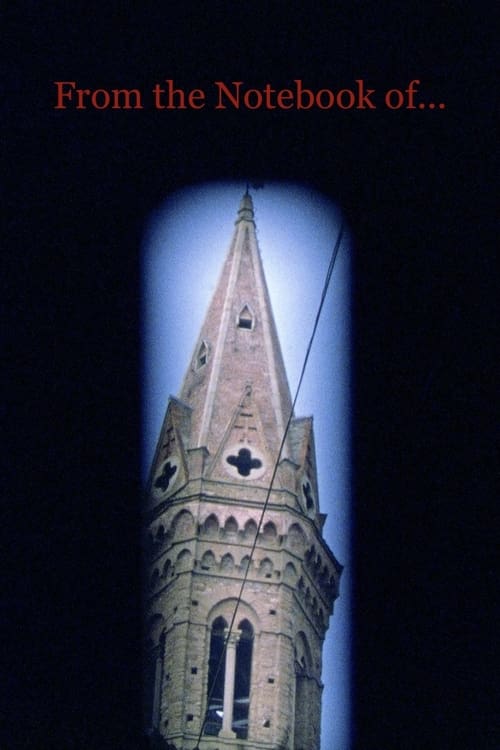
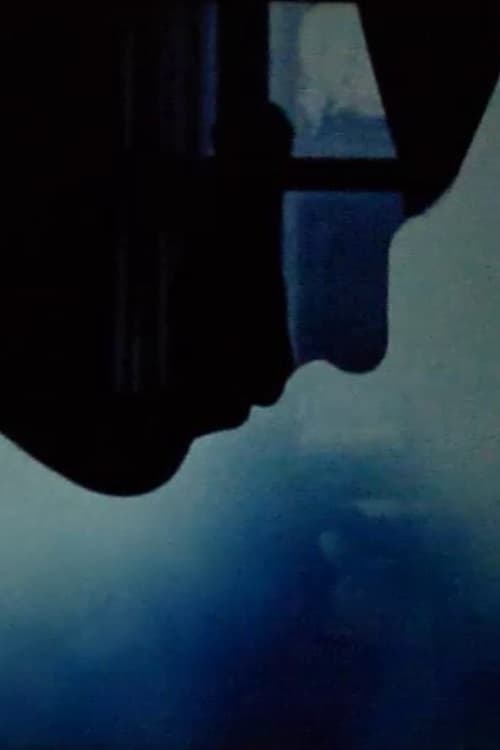
Shot in Florence, the film draws on Leonardo da Vinci’s notebooks and Paul Valéry’s essay on da Vinci’s creative process to explore parallels between Renaissance space and the moving image. Beavers employs rapid pans and tilts along the city’s facades, interspersed with glimpses of his own face, linking camera movement to the filmmaker’s investigative gaze. The work marks a turning point in his practice, foregrounding presence and perception as central to his method. (Note: The film was re-edited and re-released in 1999.)
From the Notebook of...

Filmed when Beavers was 18–19, this self-portrait depicts him and Gregory J. Markopoulos in their Swiss apartment. A diary of domestic life, it transforms everyday objects and intimate details into a charged meditation on love, memory, and desire.
Early Monthly Segments

A meditation on landscape and desire, the film juxtaposes arid terrain, wild grasses, and herds of goats with the naked figure of a torso in shifting light. Shepherd’s calls, flute phrases, and the rhythm of bells echo Beavers’ quick, side-to-side camera movements, building to a vibrant visual and sonic ostinato.
Wingseed

Distilled in 1996 from an earlier 50-minute trilogy, this 26-minute film was shot in Greece and Austria and structured around two recurring intertitles, “He said” and “he said.” Each introduces delicate studies of light and place—hotel interiors, cafés, hillsides, storefronts, and street life—framed in parallel variations. The title invokes Apollo as savior and healer.
Sotiros

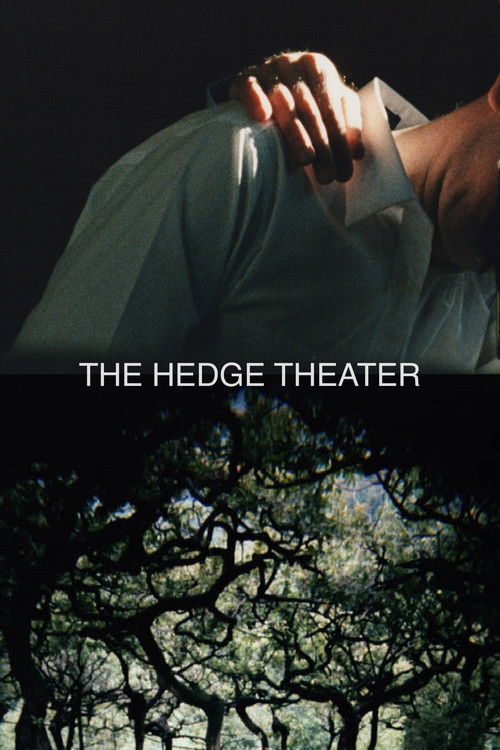
Filmed in Rome in the 1980s, the work draws on Borromini’s Baroque architecture and Il Sassetta’s St. Martin and the Beggar. Beavers contrasts winter’s subdued light with the verdant growth of spring, constructing a precise montage in which image and sound form a poetic dialogue.
The Hedge Theater

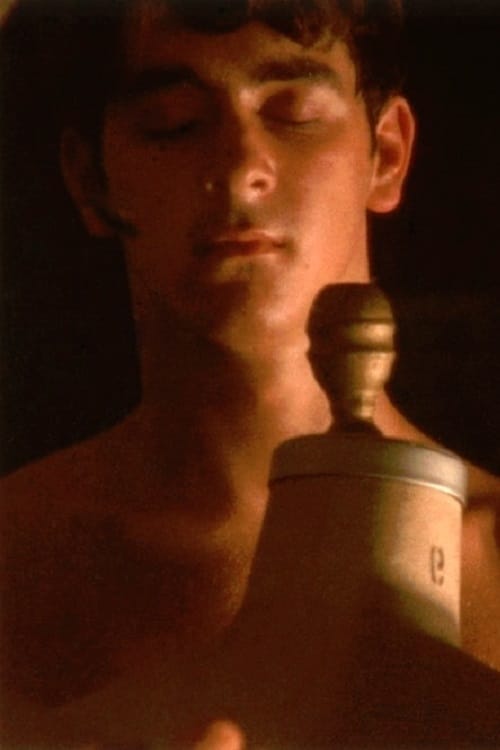
An early exploration of intimacy and perception, the film portrays the body’s beauty and sexuality as animated by the soul. Through dissolving and vanishing images, Beavers creates a sensuous interplay of touch, memory, and after-image, leaving an imprint on both eye and mind.
Winged Dialogue

Filmed in his mother’s house and garden, Beavers traces shifting shadows across seasons, capturing a blend of solitude and peace. Light and shadow become passages to memory, as the film transforms walls and spaces into reflections of place, time, and inner voice.
Pitcher of Colored Light

The film is seen as though upon and through the structure of its spiritual partitions. One might say that there are three elements or levels to the images: narrative, descriptive or analytic, and abstract. "The film is seen as though upon and through the structure of its spiritual partitions. One might say that there are three elements or levels to the images: narrative, descriptive or analytic, and abstract. The Count of Days is not an account so much as an accounting of the essence of the days in which three separate persons are related at points … a penetration through the masks and habits of these days to reveal the nature of the charade and the arena in which it is enacted." (Tom Chomont, Film Culture)
The Count of Days

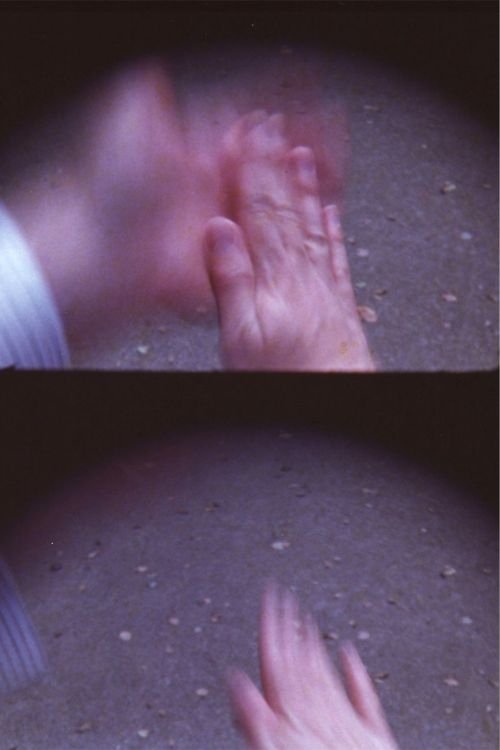
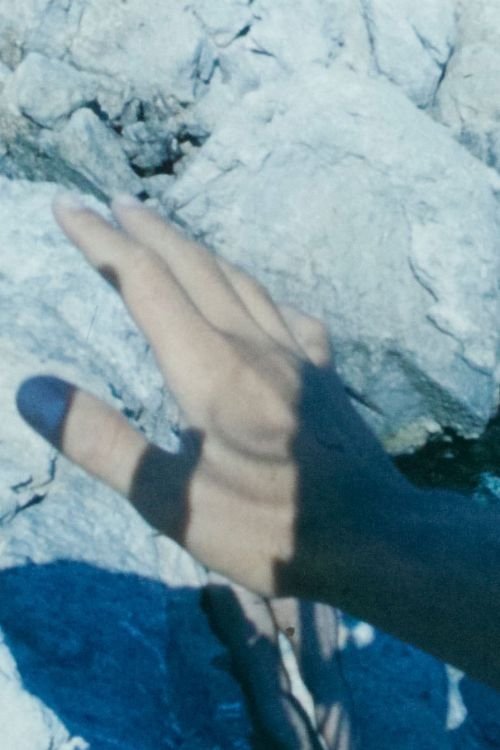
In Spring 2013 I was artist in residence at Dartmouth College in New England. This was a vital time for me developing films and projects with artists Toshiya Tsunoda, Christian Wolff and Larry Polanski. I recently discovered a roll I shot during this time - whilst on a visit to the Cape with Robert. The occasion stuck in my memory because of a particularly infection I had caught which made me reticent to travel or do anything. I recall Robert encouraging me to come anyway and to use my Bolex as a way of counter-acting the virus and my general state of malaise.
A Visit With Robert

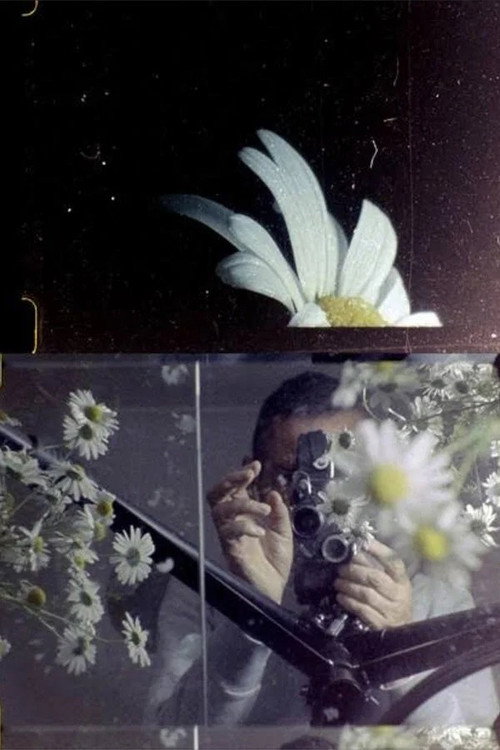
Structured in nine tableaux each a study of a simple action or situation involving a lone, naked figure, the blind Eros, searching for fulfilment, for self. The objects he touches - books, paintings - can be seen as icons of the creative spirit; there is also a motor cycle and film equipment. In succeeding scenes he appears to try on identities offered by institutional doctrines of religion and social traditions of (overt) masculinity. Much of the film was constructed in-camera with a small amount of editing afterwards. An innovation was the use of in-camera fade-outs as phrase markers, not as terminal points, within a single set-up or shot.
Eros, O Basileus

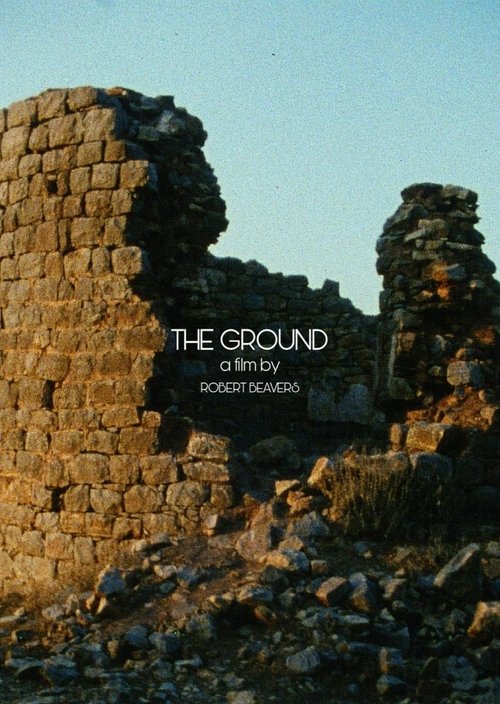
Interweaving stonework and filmmaking, Beavers evokes memory through hammer strokes and chisel sounds that shape both image and rhythm. In this dialogue of repetition and variation, the film carves out a space where emptiness itself gains form, allowing vision beyond sight.
The Ground
“Call them spontaneous or occasional films. I did not know if I would show this publicly when I filmed. The gift was Luke Fowler suggesting that I film his and Corin’s first child, Liath, while I visited them in Glasgow. The images are left in the order of filming, and the editing is only a few excisions.” (RB)
First Weeks

Short video by Tom Chomont, features Robert Beavers and his mother during the filming of Pitcher of Colored Light. Consists of sections titled Bathed in Light, Going For a Ride. Mother Garden, Robert's Mother's Flowers, Time Taken, and Brief Visit.
Mother's Day

Named for the colonnades of the ancient Lyceum, the film juxtaposes industrial arcades in golden morning light with lush images of streams and wooded glens. Empty of human figures yet rich in presence, Beavers composes landscapes that evoke both 19th-century painting and a quiet sense of spiritual immanence.
The Stoas

In Palinode a disk-shaped matte continually shifting in and out of focus alternately blocks part of the image or contains it. Its respiratory rhythm matches operatic fragments of Wladimir Vogel’s Wagadu, as the camera studies a middle-aged male singer in Zurich, singing, eating, window shopping, and meeting a young girl. The filmmaker told himself, ‘Don’t let yourself know what that film is about while you are making it.’ (P. Adams Sitney, Film Comment).
Palinode

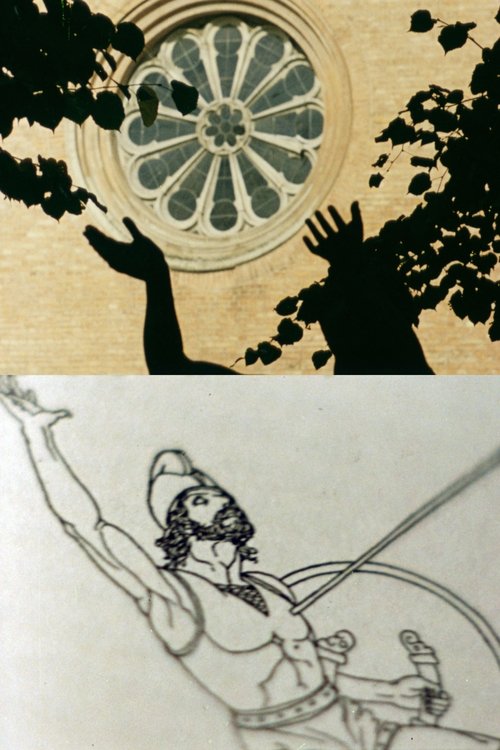
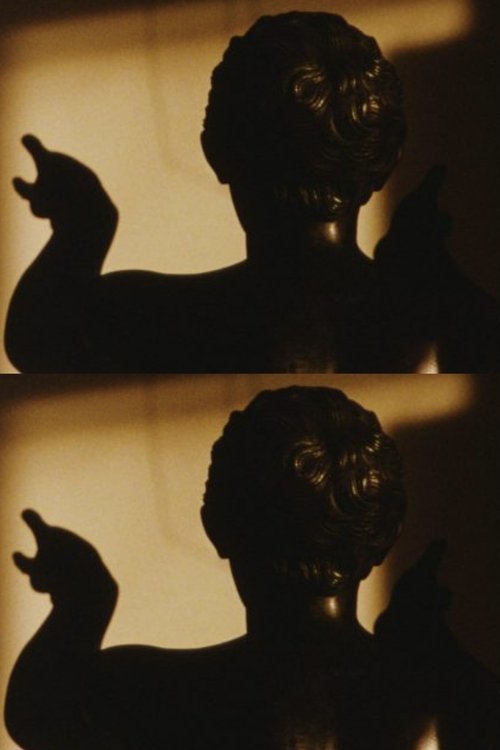
Beavers intercuts scenes of traffic in Bern with details from the 15th-century altarpiece The Martyrdom of St. Hippolytus. In its revised form, the film gains a psychodramatic intensity, juxtaposing Markopoulos in shafts of light with a torn self-portrait and recurring shots of a shattered windowpane.
The Painting

Beavers traces John Ruskin’s legacy from London to the Alps and especially Venice, where the camera lingers on stone and water in dialogue with Ruskin’s writings. Turning pages and images of Unto This Last evoke the critic’s enduring perceptions and political vision, preserved through acts of reading.
Ruskin

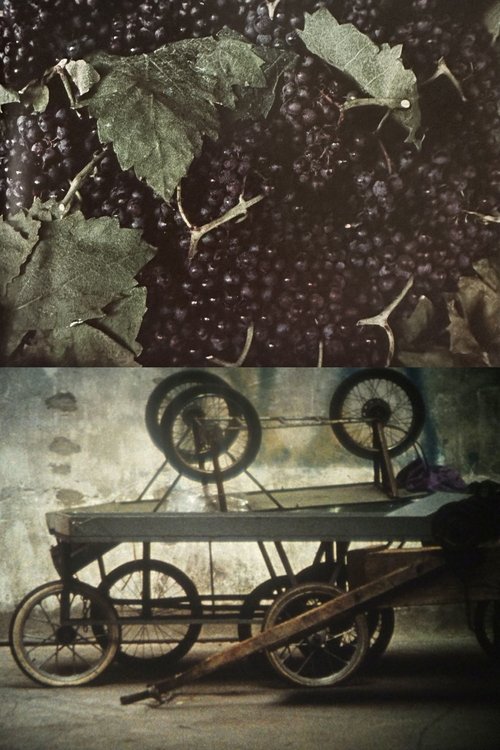
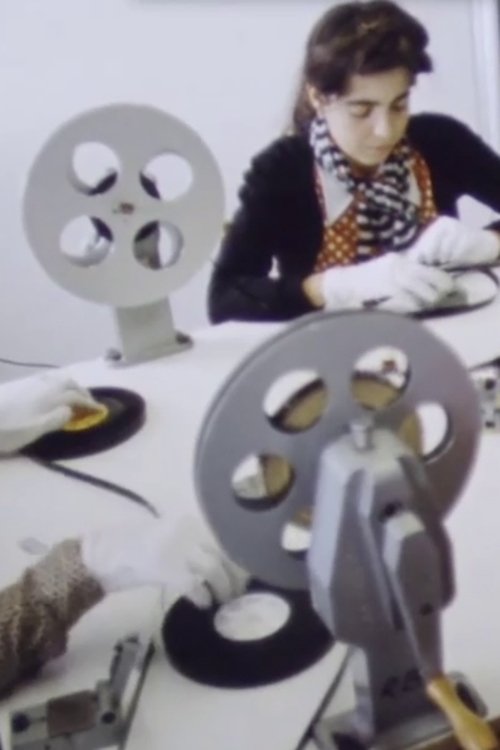
Shot in Florence and the Alps, the film contemplates traditional European labor—ice vaults, bookbinding, cooking—while largely omitting human protagonists. Through textural equivalences between workshop and field, book and forest, stone and mountain, Beavers reflects on the resonance of craft and place.
Work Done

Beavers revisits locations in Berlin first filmed in Diminished Frame (1970), alongside sites in Massachusetts, to reflect on how lived places shape vision and memory. Moving between past and present, the film becomes a meditation on perception, time, and the persistence of personal landscapes.