
Photos
Vous aimerez aussi
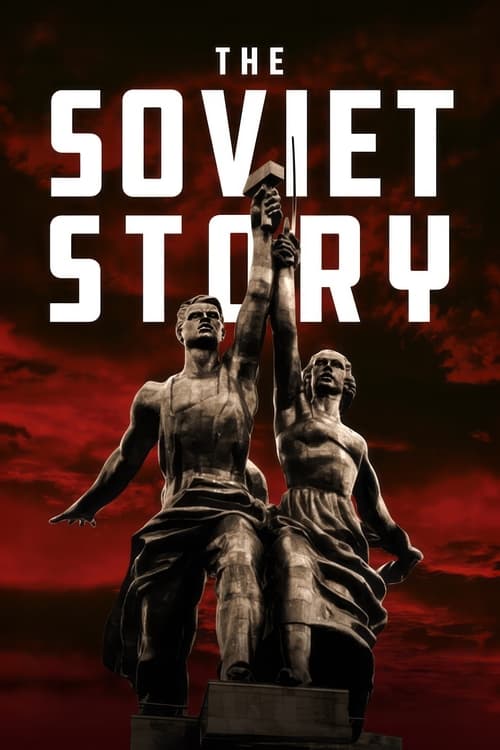
“The Soviet Story” is a story of an Allied power, which helped the Nazis to fight Jews and which slaughtered its own people on an industrial scale. Assisted by the West, this power triumphed on May 9th, 1945. Its crimes were made taboo, and the complete story of Europe’s most murderous regime has never been told. Until now...
The Soviet Story
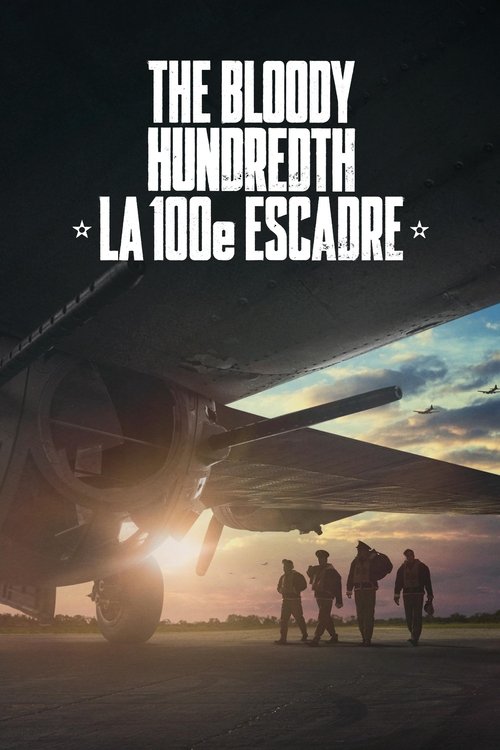
Rencontrez les vrais aviateurs ayant inspiré Masters of the Air à travers leur récit poignant et marquant sur le 100e groupe de bombardement.
The Bloody Hundredth : la 100e escadre
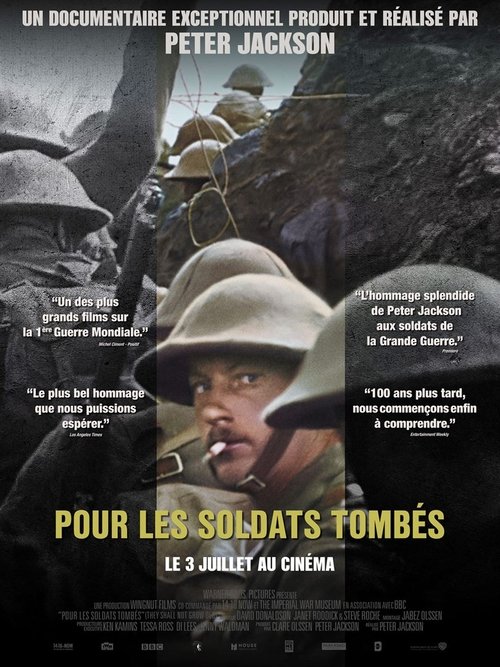
Entre 1914 et 1918, un conflit mondial change à jamais le cours de l’histoire. Les hommes et femmes qui y ont participé ne vivaient pas dans un monde silencieux, en noir et blanc. Un voyage dans le temps pour revivre l‘histoire avec ceux qui y étaient.
Pour les soldats tombés
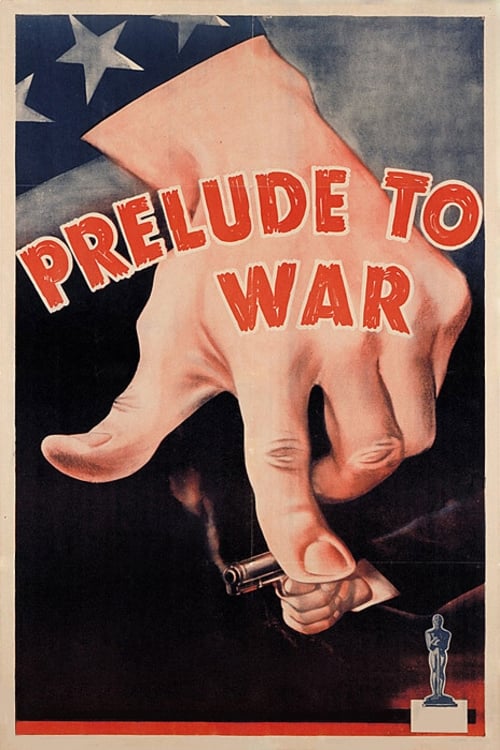
Oscar® du meilleur documentaire en 1943, ce film est le premier de la série Pourquoi nous combattons produite par le Département de la Guerre américain. L’objectif est de décrire et d’expliquer les événements qui ont poussé les États-Unis à entrer en guerre. Les systèmes totalitaires et répressifs allemands, italiens et japonais sont décryptés et opposés à la grande puissance démocratique des États-Unis.
Pourquoi nous combattons : Prélude à la guerre
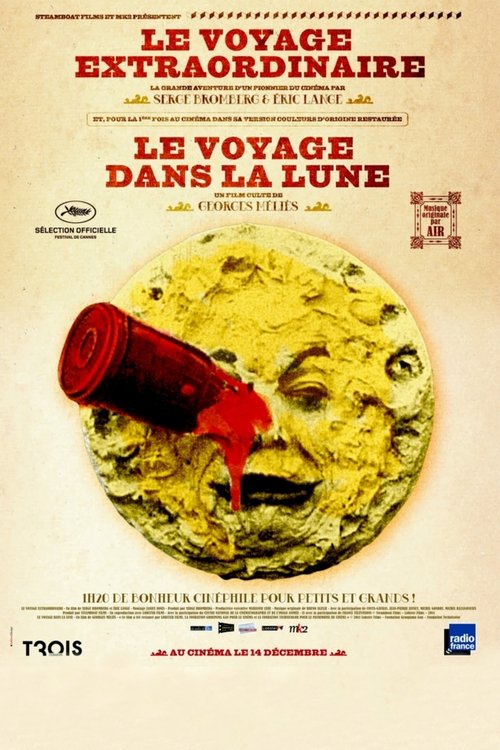
Un récit de la vie extraordinaire du pionnier du cinéma Georges Méliès (1861-1938) et l'histoire étonnante de la copie en couleur de son chef-d'œuvre « Un voyage dans la lune » (1902), retrouvée inopinément en Espagne et restaurée grâce aux efforts héroïques d'un groupe de vrais cinéphiles.
Le Voyage extraordinaire
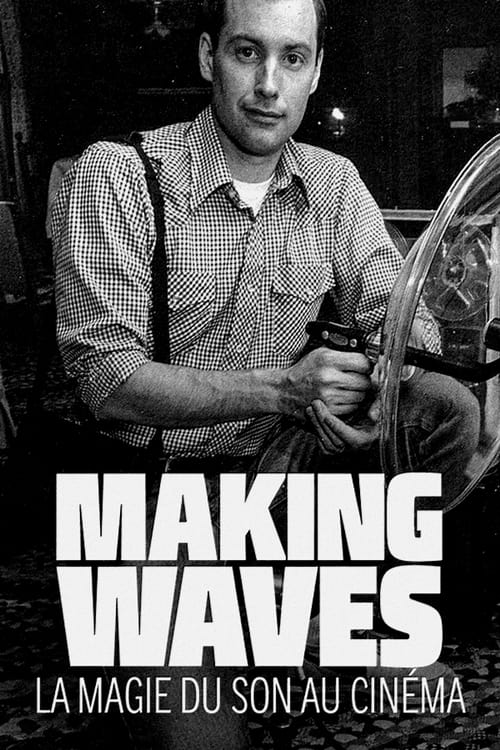
L'histoire du son au cinéma, racontée par des concepteurs sonores légendaires et des cinéastes visionnaires.
Making waves : la magie du son au cinéma
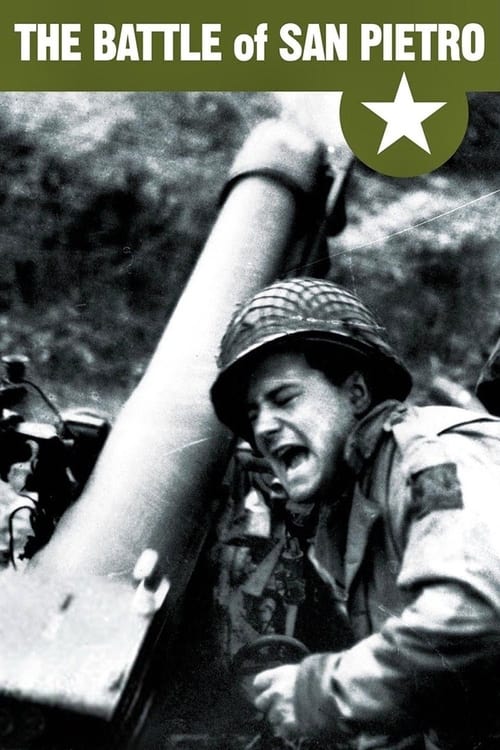
Fin 1943, après le débarquement en Italie, John Huston fut chargé de réaliser un documentaire sur l’avancée triomphale des troupes américaines sur Rome. Filmant des combats d’une rare violence, il réalisa l’un des plus bouleversants témoignages sur les horreurs de la guerre.
La Bataille de San Pietro
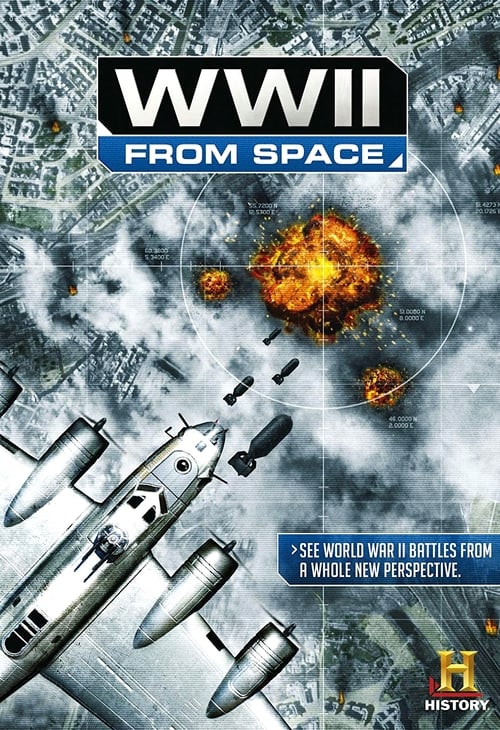
WWII from Space delivers World War II in a way you've never experienced it before. This HISTORY special uses an all-seeing CGI eye that offers a satellite view of the conflict, allowing you to experience it in a way that puts key events and tipping points in a global perspective. By re-creating groundbreaking moments that could never have been captured on camera, and by illustrating the importance of simultaneity and the hidden effects of crucial incidents, HISTORY presents the war's monumental moments in a never-before-seen context. And with new information brought to the forefront, you'll better understand how a nation ranked 19th in the world's militaries in 1939 emerged six years later as the planet's only atomic superpower.
WWII From Space

Dick Proenneke retired at age 50 in 1967 and decided to build his own cabin in the wilderness at the base of the Aleutian Peninsula, in what is now Lake Clark National Park. Using color footage he shot himself, Proenneke traces how he came to this remote area, selected a homestead site and built his log cabin completely by himself. The documentary covers his first year in-country, showing his day-to-day activities and the passing of the seasons as he sought to scratch out a living alone in the wilderness.
Alone in the Wilderness
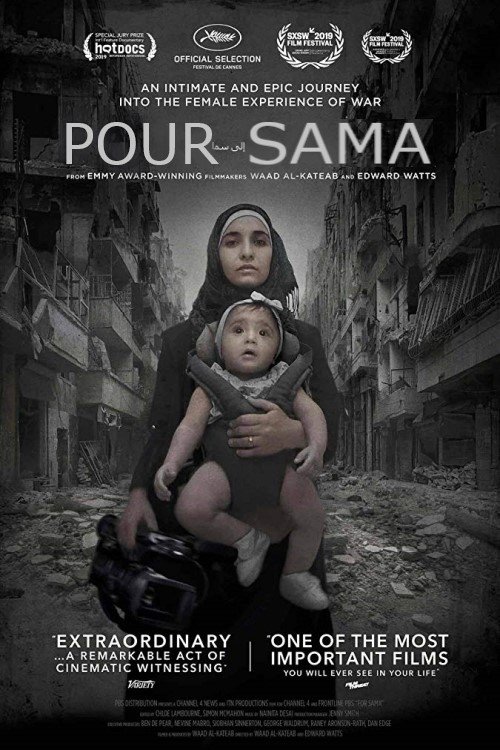
Waad al-Kateab est une jeune femme syrienne qui vit à Alep lorsque la guerre éclate en 2011. Sous les bombardements, la vie continue. Waad tombe amoureuse, se marie avec Hamza et donne naissance à sa fille, Sama. Elle filme au quotidien les pertes, les espoirs et la solidarité du peuple d’Alep. Son mari médecin sauve des centaines de vies dans un hôpital de fortune. Le couple est déchiré entre la protection de leur enfant et leur combat pour la liberté.
Pour Sama
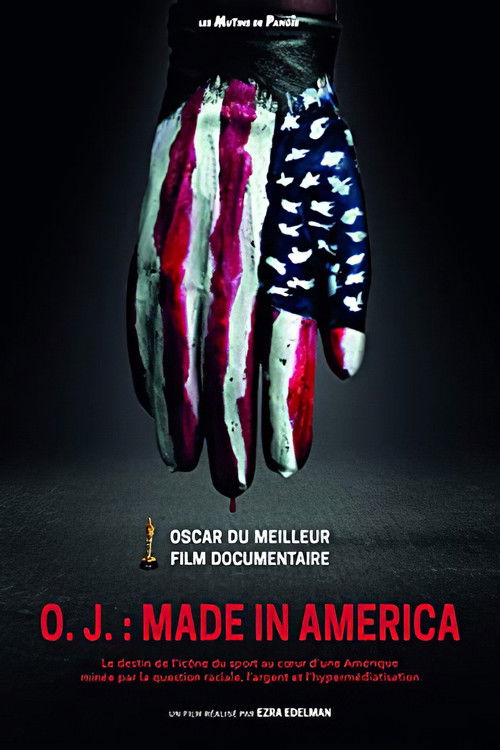
"O.J. - Made in America" retrace l'histoire de la race au cours des dernières décennies à travers la lentille de la montée et la chute de OJ Simpson. Il est peut-être la définition histoire culturelle de l'Amérique du 20e siècle, qui se concentre autour de deux des plus grands de notre pays fixations: race et célébrité. « JO: Made in America » explorera ces thèmes en traçant un parcours personnel, de la façon dont Orenthal James Simpson premier est devenu une star de football, la raison pour laquelle le pays est tombé en amour avec lui en dehors du terrain, à son être accusé du meurtre de son ex femme et son acquittement subséquent et pourquoi il est maintenant assis en prison 20 ans plus tard pour un autre crime.
O.J. - Made in America
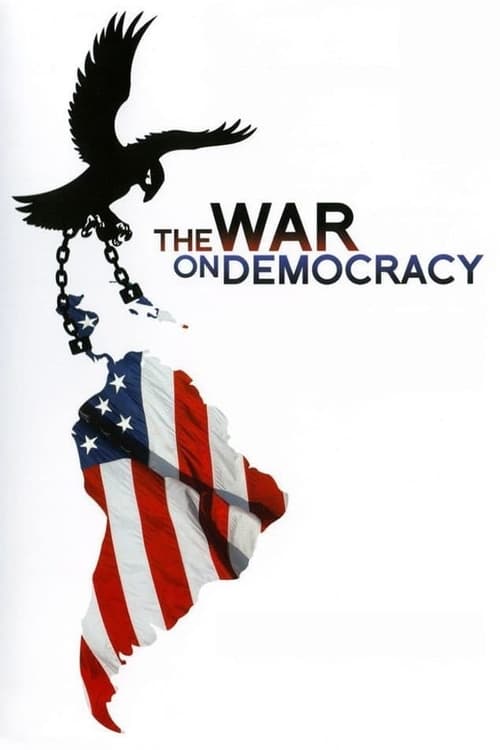
Set both in Latin America and the United States, the film explores the historic and current relationship of Washington with countries such as Venezuela, Bolivia and Chile. Pilger says that the film "...tells a universal story... analysing and revealing, through vivid testimony, the story of great power behind its venerable myths. It allows us to understand the true nature of the so-called "war on terror". According to Pilger, the film’s message is that the greed and power of empire is not invincible and that people power is always the "seed beneath the snow".
The War on Democracy
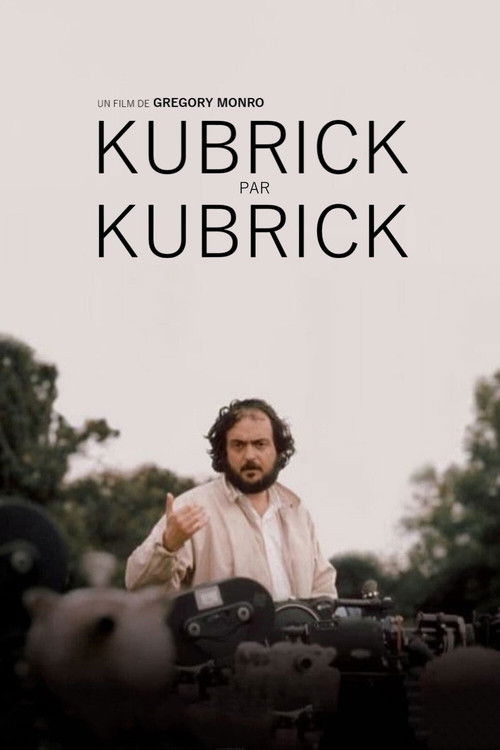
Le cinéaste américain Stanley Kubrick (1928-1999), l'un des plus grands de l'histoire, mais aussi l'un des plus réservés, a accordé peu d'interviews tout au long de sa longue carrière, et aucune d'entre elles n'a été filmée. Un voyage à la première personne à travers sa vie et son œuvre, basé sur une conversation enregistrée avec le critique de cinéma français Michel Climent.
Kubrick par Kubrick
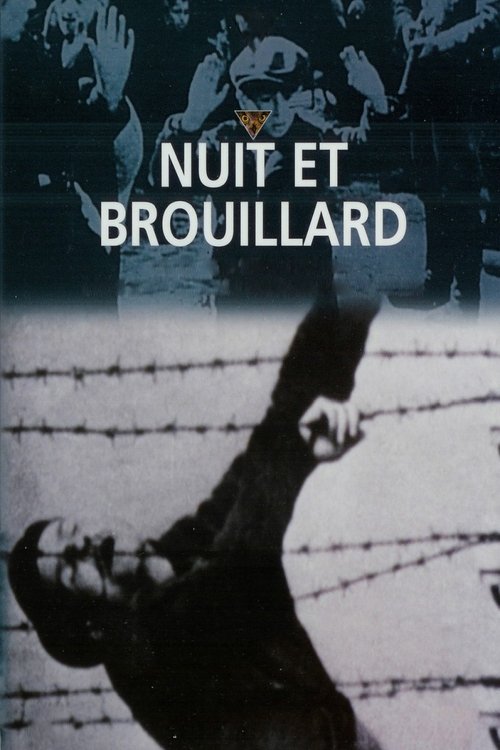
1955 : Alain Resnais, à la demande du comité d'histoire de la Seconde Guerre mondiale, se rend sur les lieux où des milliers d'hommes, de femmes et d'enfants ont perdu la vie. Il s'agit d'Orianenbourg, Auschwitz, Dachau, Ravensbruck, Belsen, Neuengamme, Struthof. Avec Jean Cayrol et l'aide de documents d'archives, il retrace le lent calvaire des déportés.
Nuit et Brouillard
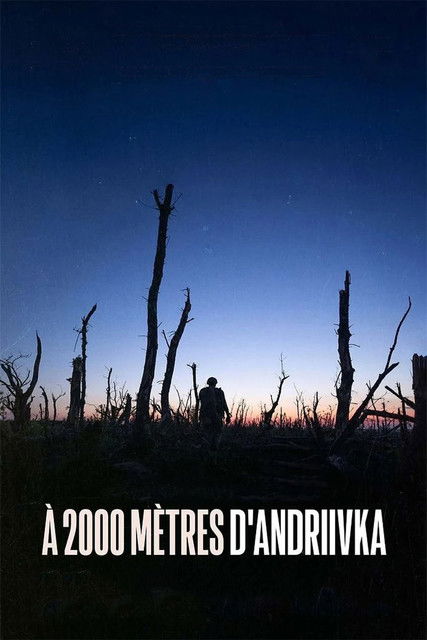
Une immersion viscérale au cœur de la guerre en Ukraine : Mstyslav Chernov suit des soldats ukrainiens en première ligne de front pour libérer le village d’Andriivka, un point stratégique de l’occupation russe proche de Bakhmut. Un véritable choc cinématographique.
À 2000 mètres d'Andriivka
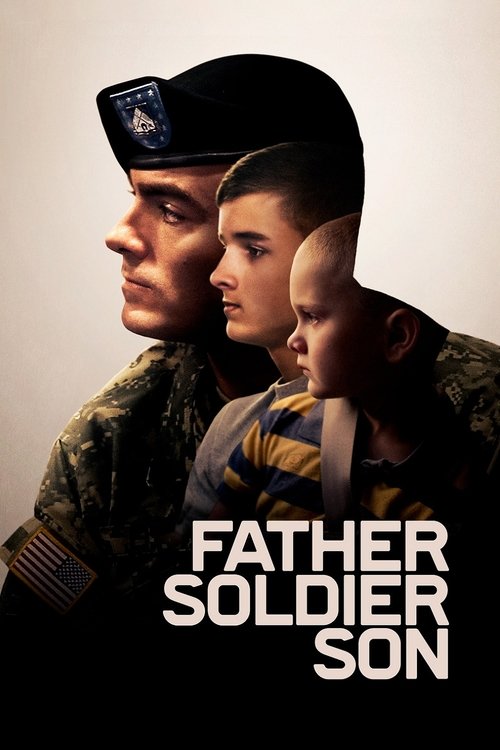
Après avoir été gravement blessé en Afghanistan, un père célibataire entame avec ses fils un voyage d'abnégation et une quête de rédemption.
Father Soldier Son

City of Ghosts, véritable thriller international, expose un nouveau type de guerre : une bataille médiatique d’idées, un combat pour les cœurs et les esprits, pour les clics et le nombre de vues sur internet. Il suit le périple de Raqqa is being Slaughtered Silently (« Raqqa est assassiné en silence »), une poignée de journalistes citoyens anonymes qui se sont regroupés après la prise de leur pays par l’État Islamique en 2014. Avec un accès étonnant et profondément personnel, c'est l'histoire de ce groupe de courageux citoyens, qui, plutôt que s’exiler et fuir, affrontent cette réalité chaotique et risquent leur vie pour résister face à l’un des plus grands maux dans le monde aujourd’hui.
City of Ghosts

Ll'histoire incroyable de la Easy Company racontée par les hommes qui y étaient dans ce documentaire captivant en complément de Band of Brothers.
Les Hommes de la Easy Company
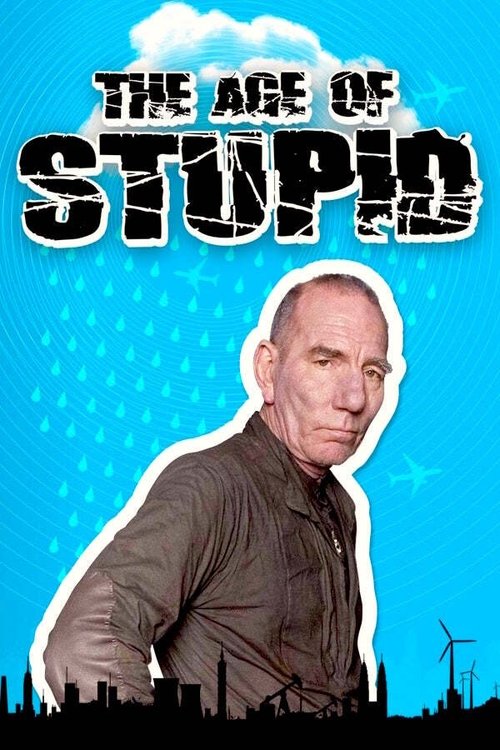
2055, un homme seul en haut d'une tour s'installe devant son ordinateur relié à l'ensemble des archives vidéo du monde. Face au monde dévasté qui l'entoure, il se pose la question suivante : pourquoi n'avons nous pas réagi lorsqu'il était encore temps ? Pour y répondre, il ouvre les archives de 2008.
L'âge de la stupidité
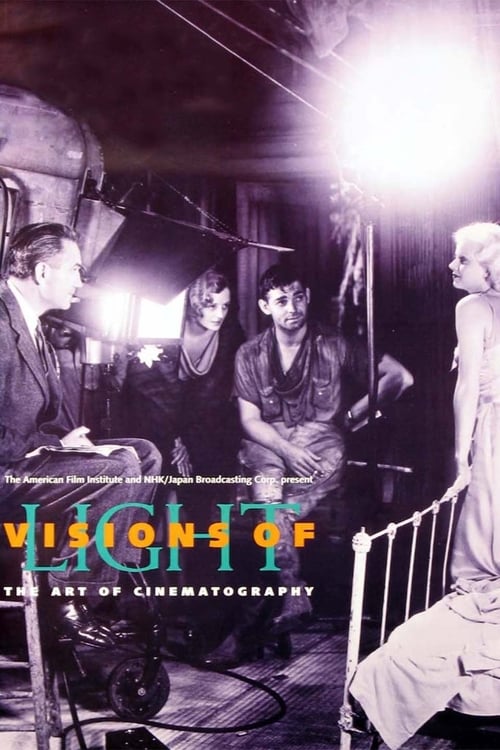
Cameramen and women discuss the craft and art of cinematography and of the "DP" (the director of photography), illustrating their points with clips from 100 films, from Birth of a Nation to Do the Right Thing. Themes: the DP tells people where to look; changes in movies (the arrival of sound, color, and wide screens) required creative responses from DPs; and, these artisans constantly invent new equipment and try new things, with wonderful results. The narration takes us through the identifiable studio styles of the 30s, the emergence of noir, the New York look, and the impact of Europeans. Citizen Kane, The Conformist, and Gordon Willis get special attention.