Synopsis
You might also like
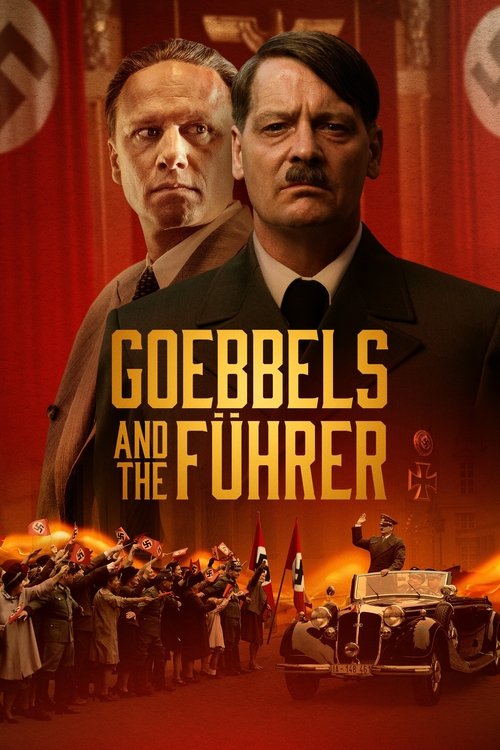
As Minister of Propaganda, Joseph Goebbels creates films and pictures used to prepare the Germans for Total War and the Holocaust. When the war is lost, he conceives his last staging, the most radical propaganda act still possible to him.
Goebbels and the Führer
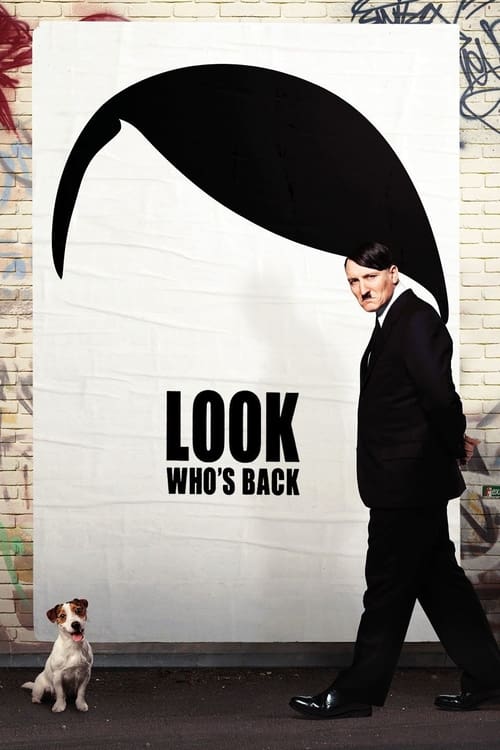
When Adolf Hitler reawakens at the site of his former bunker in present-day Berlin, he is mistaken for a comedian and quickly becomes a media phenomenon.
Look Who's Back

Inside the Kit Kat Club of 1931 Berlin, starry-eyed singer Sally Bowles and an impish emcee sound the clarion call to decadent fun, while outside a certain political party grows into a brutal force.
Cabaret
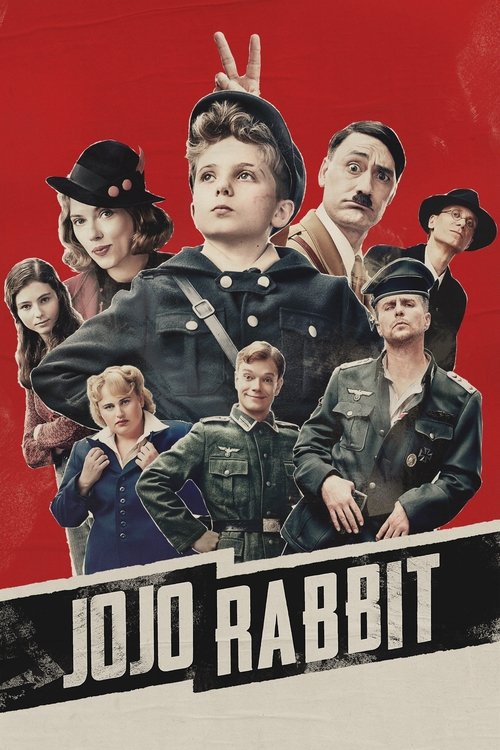
Jojo, a lonely German boy during World War II has his world shaken when he learns that his single mother is hiding a Jewish girl in their home. Influenced by a buffoonish imaginary version of Adolf Hitler, he begins to question his beliefs and confront the conflict between propaganda and his own humanity.
Jojo Rabbit

A true story of politics and art in the 1930s USA, centered around a leftist musical drama and attempts to stop its production.
Cradle Will Rock
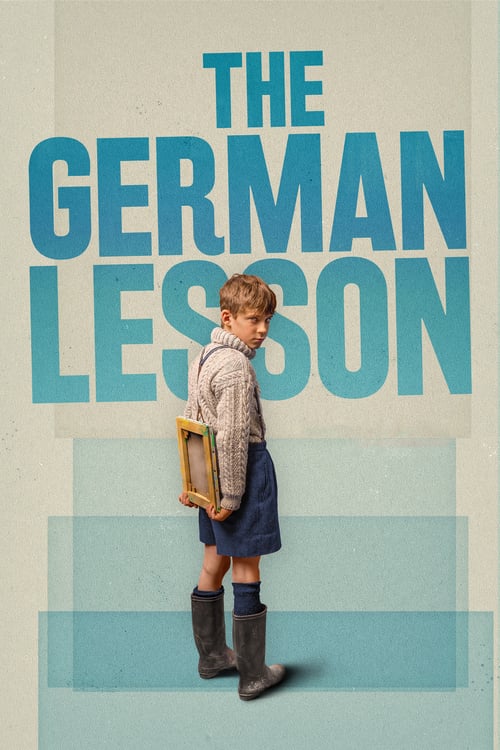
In a small North German village a drama played out during and shortly after the Second World War about duty versus individual conscience and morality.
The German Lesson

At the Wannsee Conference on January 20, 1942, senior Nazi officials meet to determine the manner in which the so-called "Final Solution to the Jewish Question" can be best implemented.
Conspiracy

Irena Sendler is a Catholic social worker who has sympathized with the Jews since her childhood, when her physician father died of typhus contracted while treating poor Jewish patients. When she initially proposes saving Jewish children from the Warsaw Ghetto, her idea is met with skepticism by fellow workers, her parish priest, and even her own mother Janina.
The Courageous Heart of Irena Sendler

In 1931, budding author Christopher Isherwood goes to Berlin at the invitation of his friend W. H. Auden for the gay sex that abounds in the city. He falls for street sweeper Heinz, paying medical bills for the boy's sickly mother, to the disapproval of her other son, Nazi Gerhardt.
Christopher and His Kind
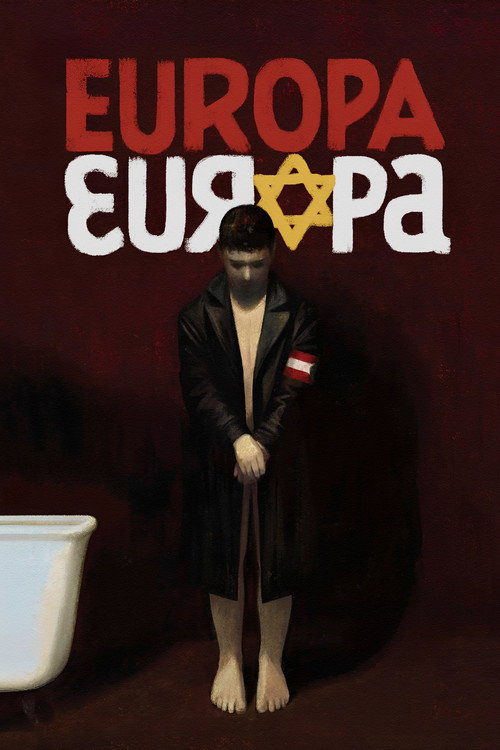
A Jewish boy separated from his family in the early days of WWII poses as a German orphan and is taken into the heart of the Nazi world as a 'war hero' and eventually becomes a Hitler Youth.
Europa Europa

When loyalty to country becomes loyalty to a lie, one teen risks everything to expose the truth. With the Gestapo closing in, he must decide what it really means to be a good German.
Truth & Treason
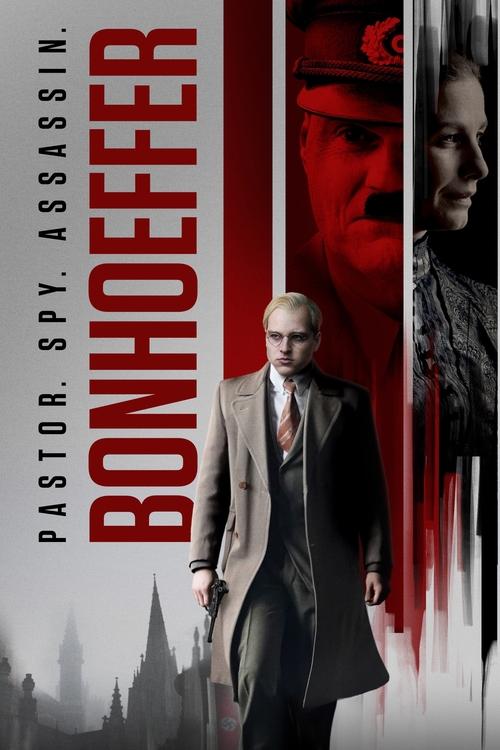
As the world teeters on the brink of annihilation, Dietrich Bonhoeffer joins a deadly plot to assassinate Hitler, risking his faith and fate to save millions of Jews from genocide.
Bonhoeffer: Pastor. Spy. Assassin
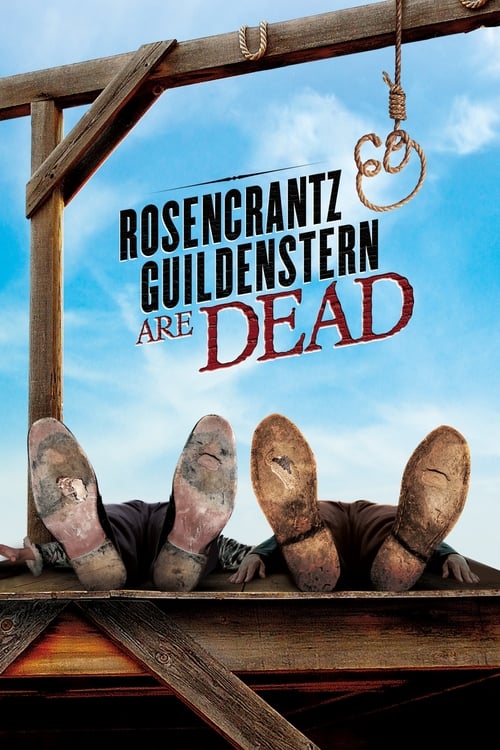
Rosencrantz and Guildenstern, minor characters from the play 'Hamlet', find themselves on the road to Elsinore Castle at the behest of the King of Denmark. The duo encounter a band of players before arriving to find that they are needed to try to discern what troubles the prince Hamlet. Meanwhile, they ponder the meaning of their existence.
Rosencrantz & Guildenstern Are Dead
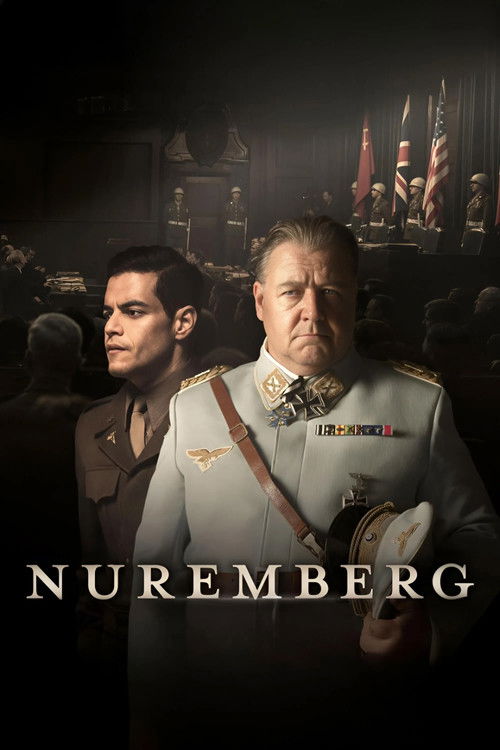
In postwar Germany, an American psychiatrist must determine whether Nazi prisoners are fit to go on trial for war crimes, and finds himself in a complex battle of intellect and ethics with Hermann Göring, Hitler's right-hand man.
Nuremberg

Recently widowed well-to-do Laura Henderson purchases the Windmill Theatre in London as a post-widowhood hobby. After starting an innovative continuous variety review, which is copied by other theaters, they begin to lose money. Mrs Henderson suggests they add risqué burlesque acts similar to the Moulin Rouge in Paris.
Mrs. Henderson Presents

A deadly car crash sets off three parallel stories of women at crisis points, faltering behind the doors of the same, plain Vienna apartment block.
Antares

Max is a handsome young man who, after a fateful tryst with a German soldier, is forced to run for his life. Eventually Max is placed in a concentration camp where he pretends to be Jewish because in the eyes of the Nazis, gays are the lowest form of human being. But it takes a relationship with an openly gay prisoner to teach Max that without the love of another, life is not worth living.
Bent
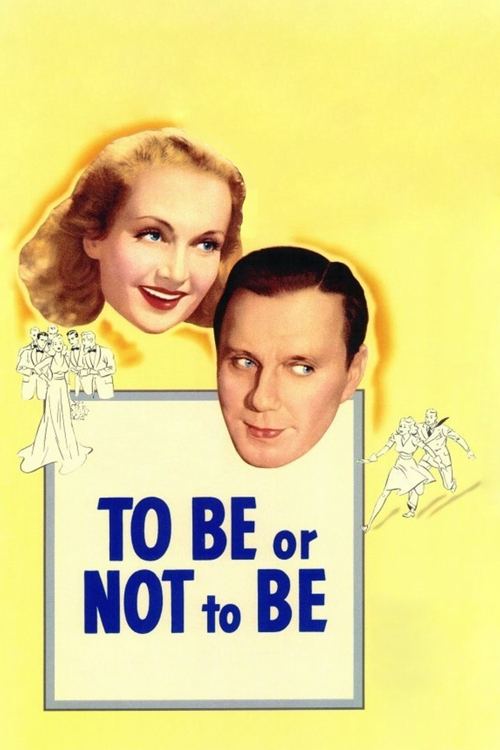
During the Nazi occupation of Poland, an acting troupe becomes embroiled in a Polish soldier's efforts to track down a German spy.
To Be or Not to Be
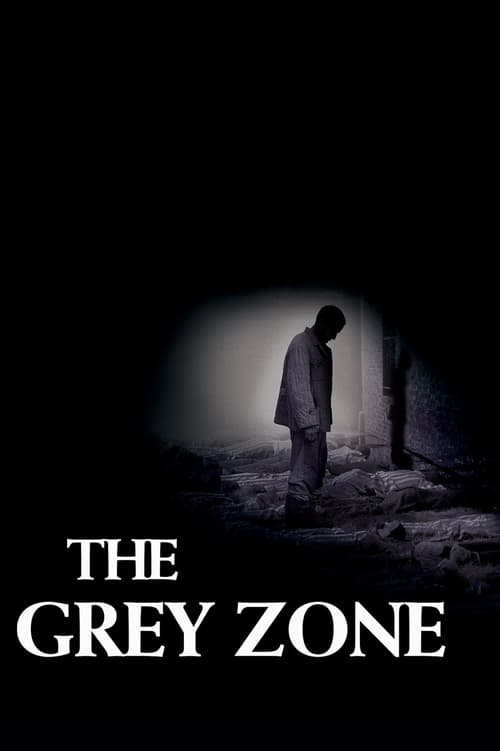
The story of Auschwitz's twelfth Sonderkommando — one of the thirteen consecutive "Special Squads" of Jewish prisoners placed by the Nazis in the excruciating moral dilemma of assisting in the extermination of fellow Jews in exchange for a few more months of life.
The Grey Zone
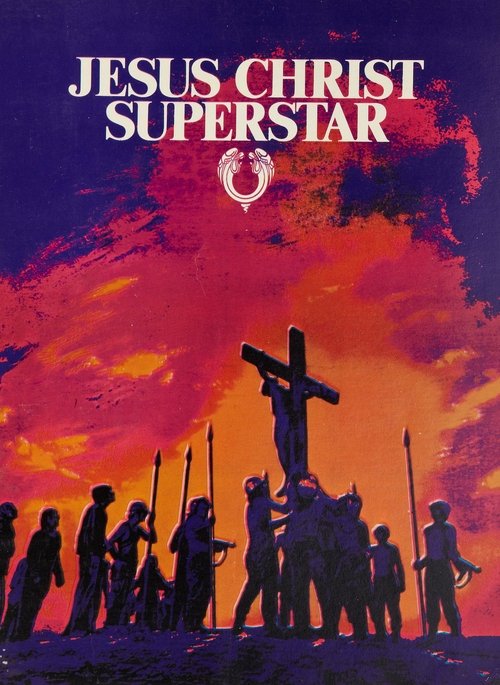
As played out by a theatre troupe, the last days of Jesus Christ are depicted from the perspective of Judas Iscariot, his betrayer. As Jesus' following increases, Judas begins to worry that Jesus is falling for his own hype, forgetting the principles of his teachings and growing too close to the prostitute Mary Magdalene.