Toul Québec au monde sua jobbe
Synopsis
You might also like
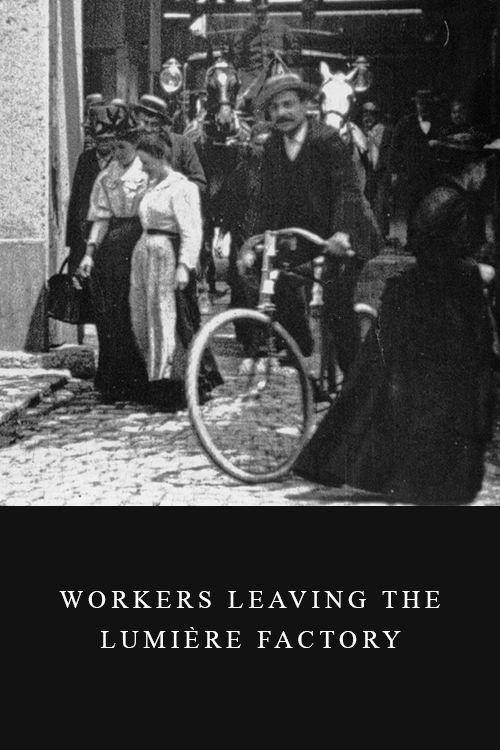
Working men and women leave through the main gate of the Lumière factory in Lyon, France. Filmed on 22 March 1895, it is often referred to as the first real motion picture ever made, although Louis Le Prince's 1888 Roundhay Garden Scene pre-dated it by seven years. Three separate versions of this film exist, which differ from one another in numerous ways. The first version features a carriage drawn by one horse, while in the second version the carriage is drawn by two horses, and there is no carriage at all in the third version. The clothing style is also different between the three versions, demonstrating the different seasons in which each was filmed. This film was made in the 35 mm format with an aspect ratio of 1.33:1, and at a speed of 16 frames per second. At that rate, the 17 meters of film length provided a duration of 46 seconds, holding a total of 800 frames.
Workers Leaving the Lumière Factory
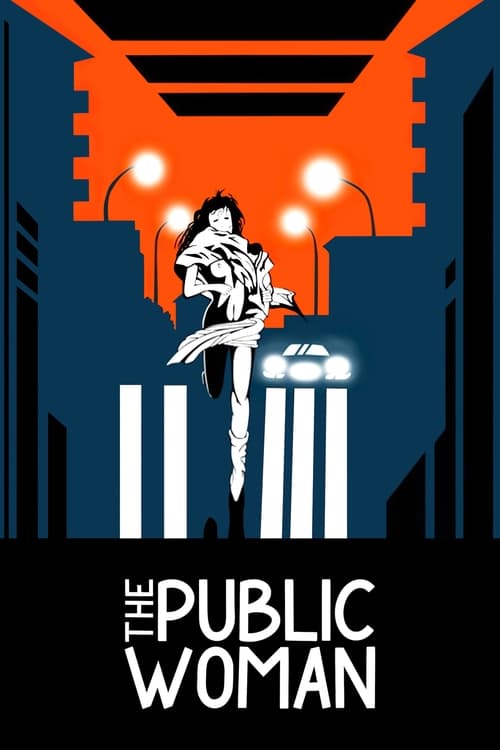
An inexperienced young actress is invited to play a role in a film based on Dostoyevsky's 'The Possessed'. The film director, a Czech immigrant in Paris, takes over her life, and in a short time she is unable to draw the line between acting and reality. She winds up playing a real-life role posing as the dead wife of another Czech immigrant, who is manipulated by the filmmaker into commiting a political assassination.
The Public Woman

Guibord is an independent Member of Parliament who represents Prescott-Makadewà-Rapides-aux Outardes, a vast county in Northern Quebec. As the entire country watches, Guibord unwillingly finds himself in the awkward position of holding the decisive vote to determine whether Canada will go to war. Accompanied by his wife, his daughter and an idealistic intern from Haiti named Sovereign, Guibord travels across his district in order to consult his constituents. While groups of lobbyists get involved in a debate that spins out of control, the MP will have to face his own conscience. 'My Internship in Canada' is a biting political satire in which politicians, citizens and lobbyists go head-to-head tearing democracy to shreds. Film starring Suzanne Clément, Patrick Huard and Mardy Men
My Internship in Canada
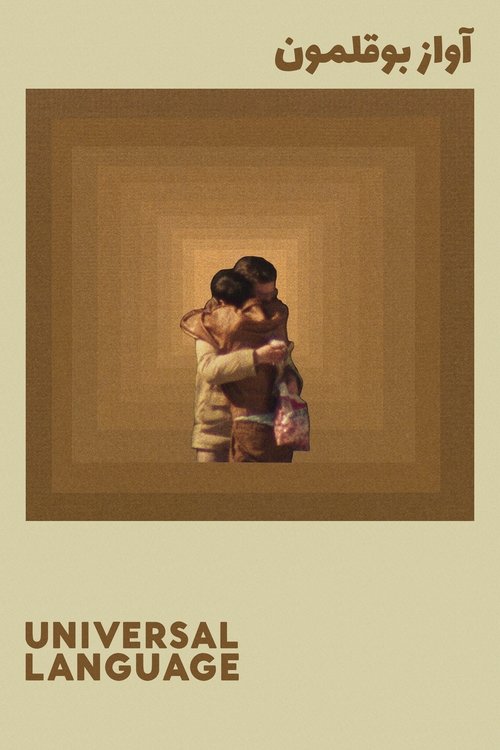
Winter. Somewhere between Tehran and Winnipeg. Negin and Nazgol find a sum of money frozen deep within the sidewalk ice and try to find a way to get it out. Massoud leads a group of befuddled tourists upon an increasingly-strange walking tour of Winnipeg historic sites. Matthew leaves his job at the Québec government and embarks upon a mysterious journey to visit his estranged mother.
Universal Language
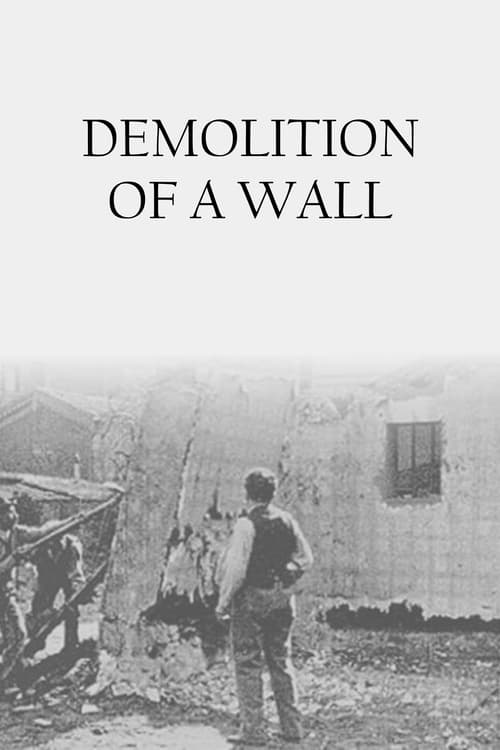
Auguste Lumière directs four workers in the demolition of an old wall at the Lumière factory. One worker is pressing the wall inwards with a jackscrew, while another is pushing it with a pick. When the wall hits the ground, a cloud of white dust whirls up. Three workers continue the demolition of the wall with picks.
Demolition of a Wall
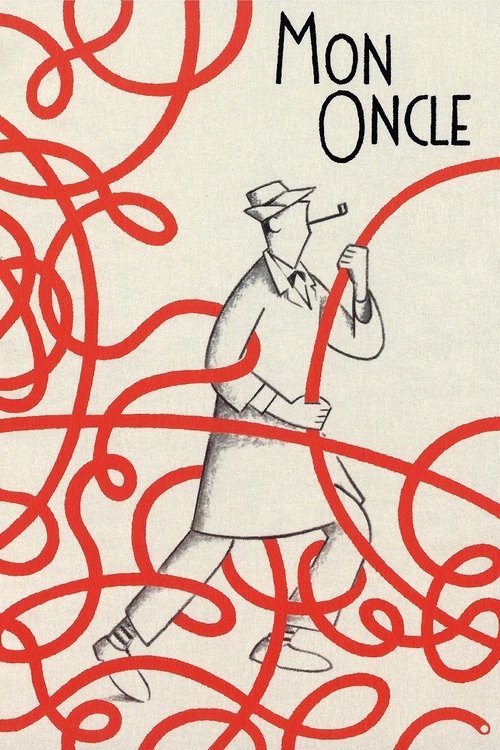
Genial, bumbling Monsieur Hulot loves his top-floor apartment in a grimy corner of the city, and cannot fathom why his sister's family has moved to the suburbs. Their house is an ultra-modern nightmare, which Hulot only visits for the sake of stealing away his rambunctious young nephew. Hulot's sister, however, wants to win him over to her new way of life, and conspires to set him up with a wife and job.
Mon Oncle
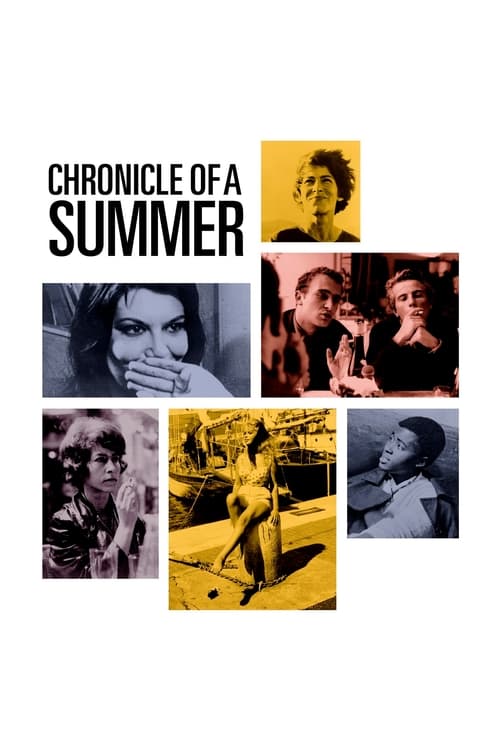
Paris, summer 1960. Anthropologist and filmmaker Jean Rouch and sociologist and film critic Edgar Morin wander through the crowded streets asking passersby how they cope with life's misfortunes.
Chronicle of a Summer
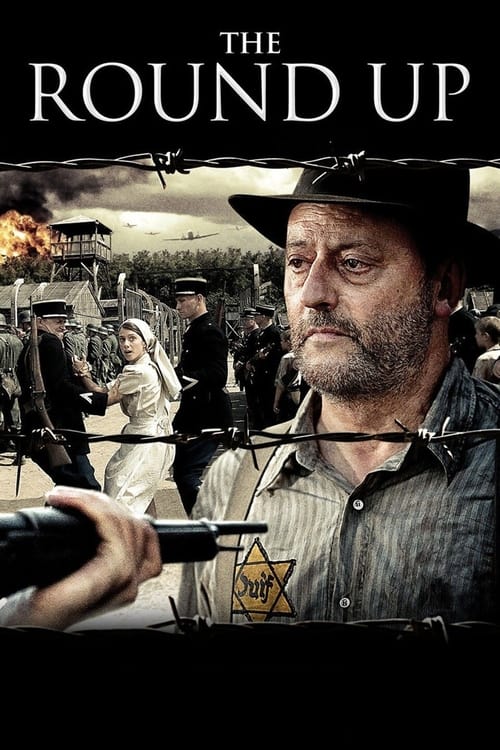
A faithful retelling of the 1942 "Vel' d'Hiv Roundup" and the events surrounding it.
The Round Up
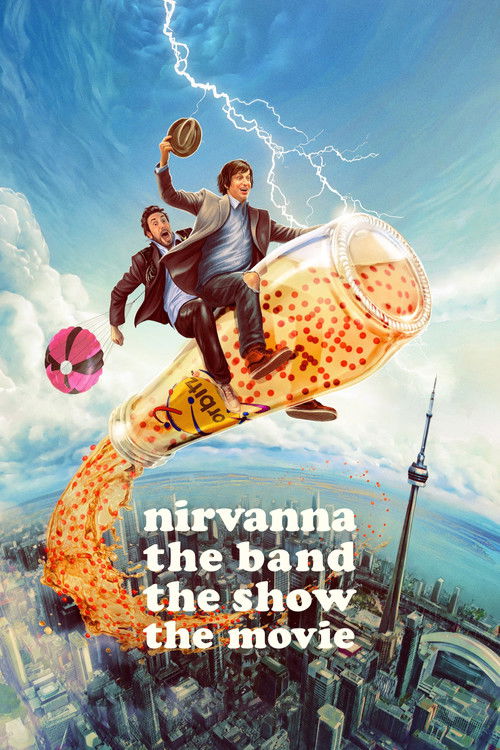
When their plan to book a show at the Rivoli goes horribly wrong, Matt and Jay accidentally travel back to the year 2008.
Nirvanna the Band the Show the Movie
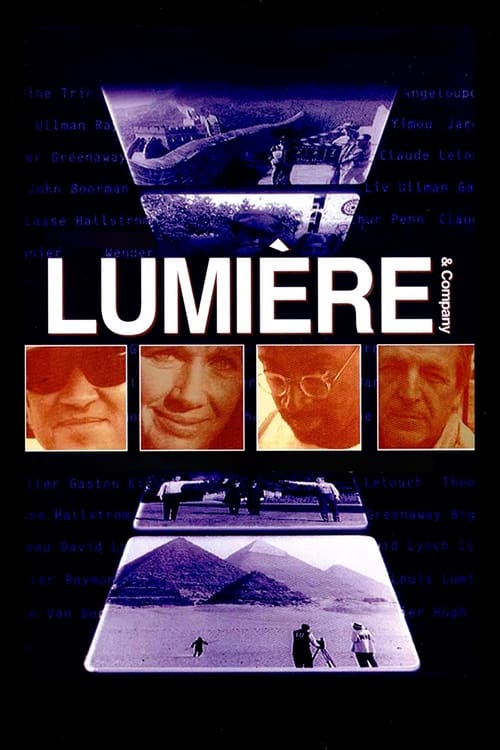
40 international directors were asked to make a short film using the original Cinematographe invented by the Lumière Brothers, working under conditions similar to those of 1895. There were three rules: (1) The film could be no longer than 52 seconds, (2) no synchronized sound was permitted, and (3) no more than three takes.
Lumière & Company
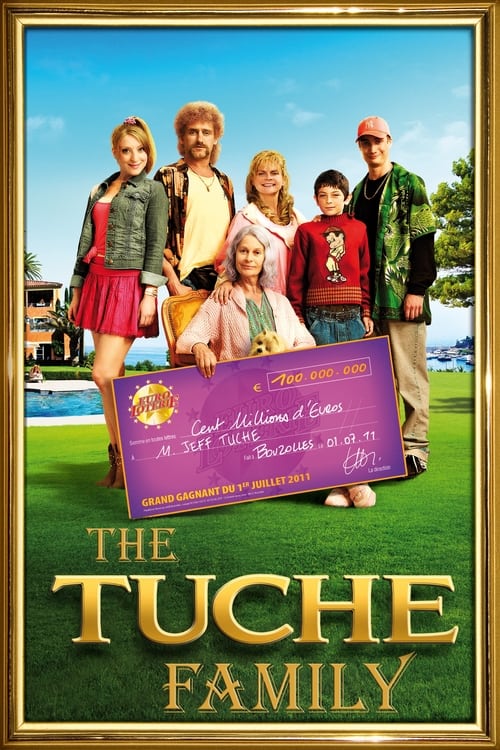
Everyone in the village of Bouzolles knows the Tuche family, who live by the philosophy "Man is not made to work." Despite their lack of money, they strive to be happy... that is, until their hand-to-mouth existence is turned on its head. After winning the lottery, the Tuches get rich beyond their wildest dreams and move to Monaco. And while attempting to fit in in their swanky new homeland, they struggle to stay true to the same principles by which they've always lived.
The Tuche Family

The French government is asking Gustave Eiffel to design something spectacular for the 1889 Paris World Fair, but he simply wants to design the subway—until he crosses paths with a mysterious woman from his past.
Eiffel

In an isolated rural community of Quebec, Canada, some inhabitants attack other people, hungry for human flesh. A few survivors gather and go deep into the forest to escape them.
Ravenous
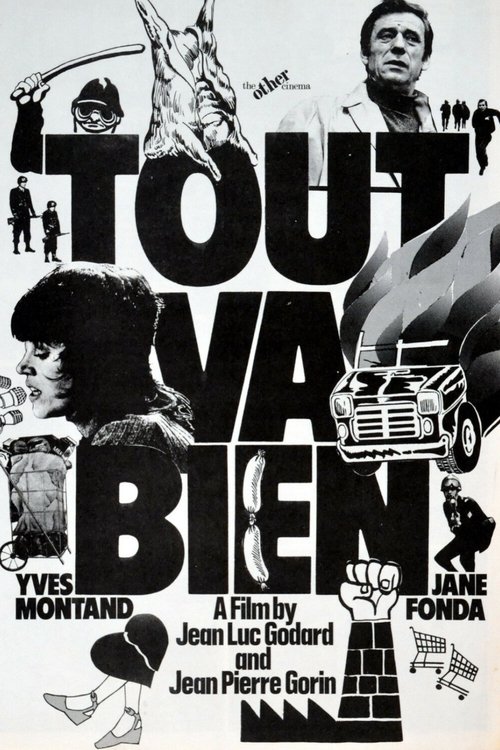
A strike at a French sausage factory contributes to the estrangement of a married filmmaker and his reporter wife.
Tout Va Bien
The Driver is drafted by the UN to rescue a wounded war photographer named Harvey Jacobs from out of hostile territory. While they are leaving Jacobs tells the Driver about the horrors he saw as a photographer, but he regrets his inability to help war victims. Jacobs answers the driver curiosity about why he is a photographer by saying how his mother taught him to see. He gives the Driver the film needed for a New York Times story and also his dog tags to give to his mother. When they reach the border, they are confronted by a guard who begins to draw arms as Jacobs begins taking pictures, trying to get himself killed. The Driver drives through a hail of gunfire to the border, but finds Jacobs killed by a bullet through the seat. The Driver arrives in America to visit Jacobs' mother and share the news of him winning the Pulitzer prize and hand over the dog tags, only to discover that she is blind.
Powder Keg
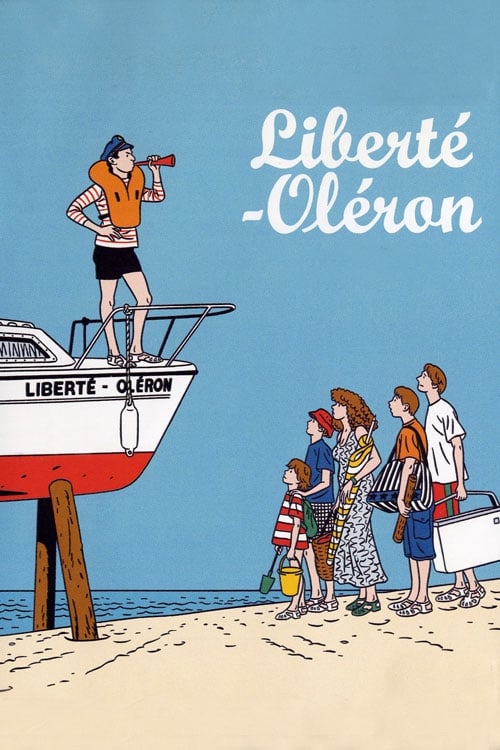
39 years old Jacques Monot is tired from the same vacation he and his family have every year so he decides to buy a boat.
Freedom-Oleron
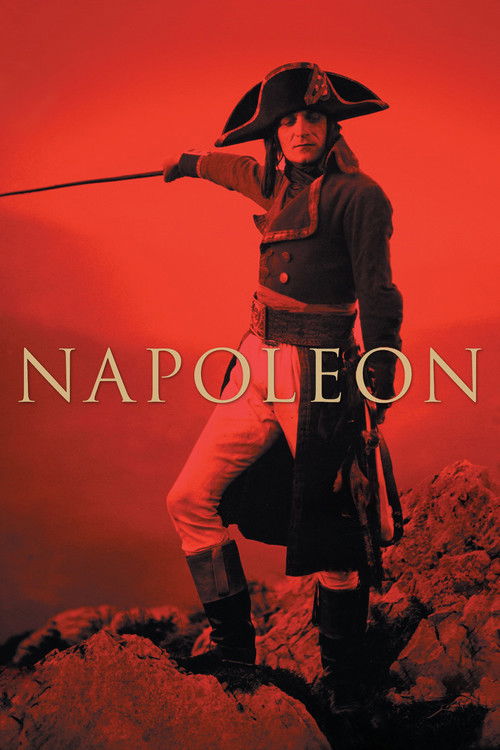
A biopic of Napoleon Bonaparte, tracing the Corsican's career from his schooldays (where a snowball fight is staged like a military campaign) to his flight from Corsica, through the French Revolution (where a real storm is intercut with a political storm) and the Terror, culminating in his triumphant invasion of Italy in 1797.
Napoleon
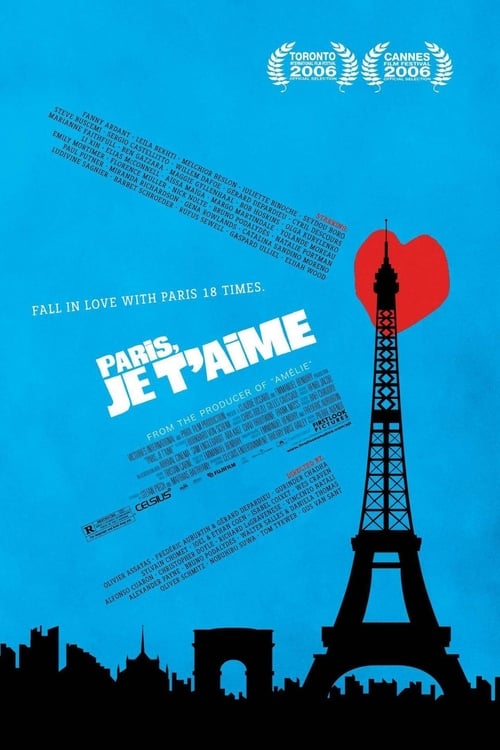
Olivier Assayas, Gus Van Sant, Wes Craven and Alfonso Cuaron are among the 20 distinguished directors who contribute to this collection of 18 stories, each exploring a different aspect of Parisian life. The colourful characters in this drama include a pair of mimes, a husband trying to choose between his wife and his lover, and a married man who turns to a prostitute for advice.
Paris Je T'aime
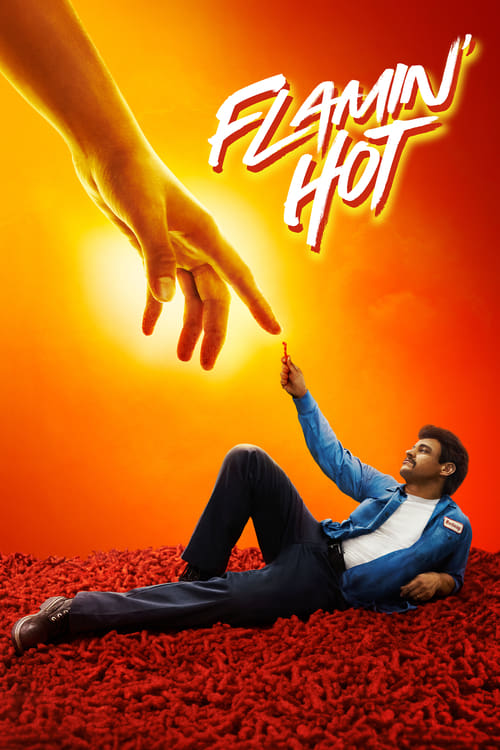
The inspiring true story of Richard Montañez, the Frito Lay janitor who channeled his Mexican American heritage and upbringing to turn the iconic Flamin' Hot Cheetos into a snack that disrupted the food industry and became a global pop culture phenomenon.
Flamin' Hot
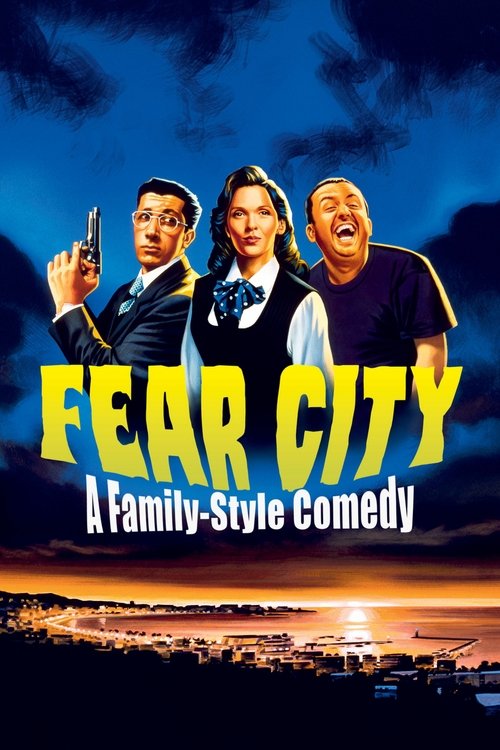
A second-class horror movie has to be shown at Cannes Film Festival, but, before each screening, the projectionist is killed by a mysterious fellow, with hammer and sickle, just as it happens in the film to be shown.