Serge Giguère
Directing
Known For

No description available.
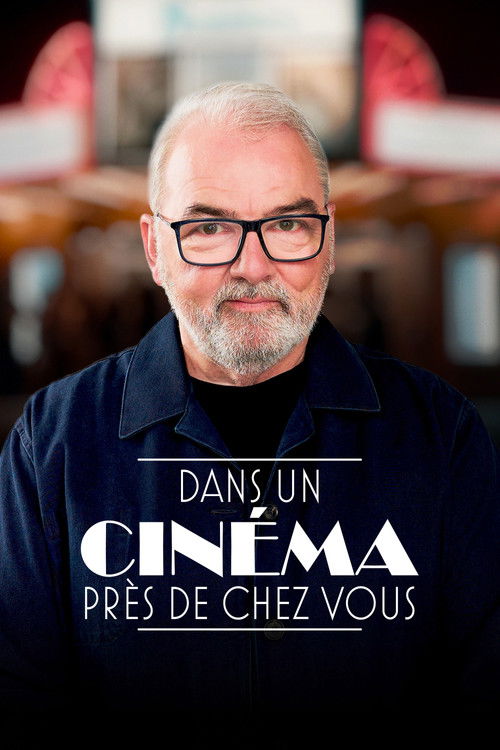
Dans un cinéma près de chez vous

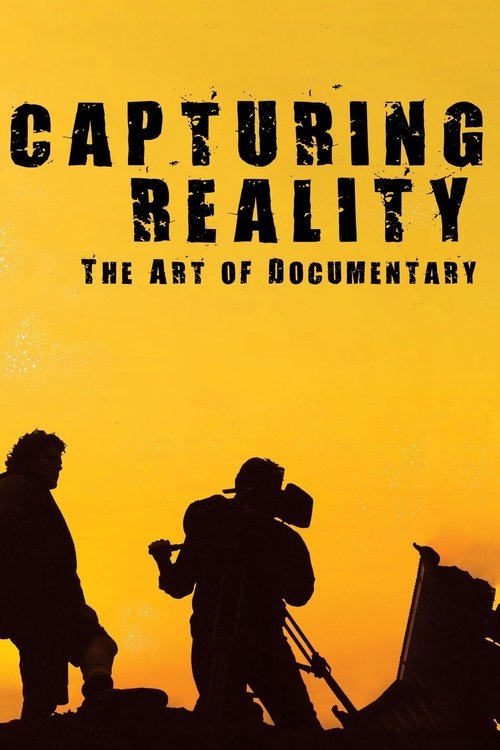
From cinema-verite; pioneers Albert Maysles and Joan Churchill to maverick movie makers like Errol Morris, Werner Herzog and Nick Broomfield, the world's best documentarians reflect upon the unique power of their genre. Capturing Reality explores the complex creative process that goes into making non-fiction films. Deftly charting the documentarian's journey, it poses the question: can film capture reality?
Capturing Reality

MAURICE reveals the famous #9 of the Montreal Canadiens like never before. Through never-before-seen archival footage shot over 35 years, this documentary offers exclusive access to the man behind the Rocket myth. Designed by Serge Giguère and Robert Tremblay, who died before completing this project, MAURICE paints an intimate and authentic portrait of Maurice Richard, well beyond his exploits on the ice rink. More than a hockey player, he embodies the perseverance and hope of a people, forever marking Quebec culture.
Maurice

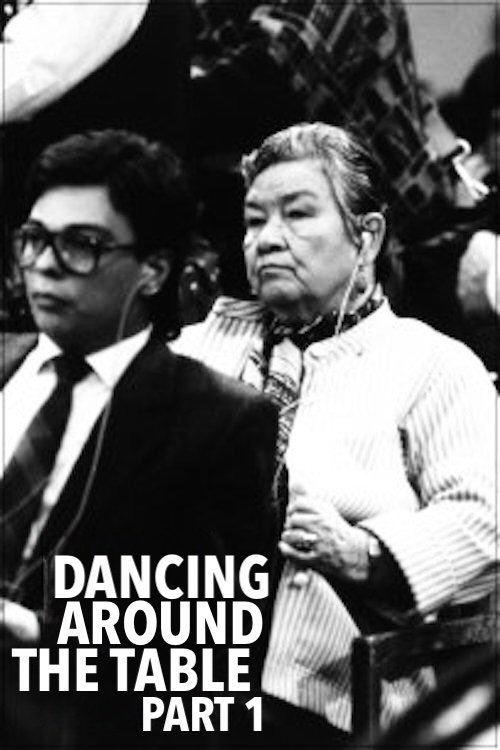
Dancing Around the Table: Part One provides a fascinating look at the crucial role Indigenous people played in shaping the Canadian Constitution. The 1984 Federal Provincial Conference of First Ministers on Aboriginal Constitutional Matters was a tumultuous and antagonistic process that pitted Prime Minister Pierre Elliot Trudeau and the First Ministers—who refused to include Indigenous inherent rights to self-government in the Constitution—against First Nations, Inuit and Métis leaders, who would not back down from this historic opportunity to enshrine Indigenous rights. The conference was Pierre Elliott Trudeau’s last constitutional meeting before he resigned and the process was handed over to his successor, Brian Mulroney.
Dancing Around the Table, Part One

Feature-length documentary as part of Pierre Perrault's Abitibian Cycle. The filmmaker questions the past and present of Abitibi and draws up, face to face, the promises of colonization in the 1930s and the great disappointment caused by the closing of the land in the 1970s. There are witnesses to the heroic era, including the cultivator Hauris Lalancette, as well as extracts from films by Father Maurice Proulx (1934-1940).
Back to the Land

A documentary that allows us to witness three births in their intimacy. Through their actions, the couples who agreed to participate in the film help to propose alternatives to the dominant medical interventions in hospitals.
A Labour of Sharing

Raymond Roy is a 64-year-old idealist, an energetic social activist ready to give everything he has to those living on the edge: the alienated, impoverished and exploited members of society. Raymond is also a priest, doing what he has wanted to do ever since he was a teenager. Filmmaker Serge Giguère paints an intimate portrait of a man who has spent 30 years fighting for an alternative vision of life in his community. The film is a blend of cinema vérité and social history that provides a view of the man and his work from without and within, from the poetry of his personal diary laced with doubts and self-criticism, to the many achievements of the community groups he helped. Filming over several years, Giguère gives us a sense of the changes in values and attitudes of those who run our society, along with the role of the community groups who provide solutions, inspiration and a sense of renewal.
9 St-Augustin

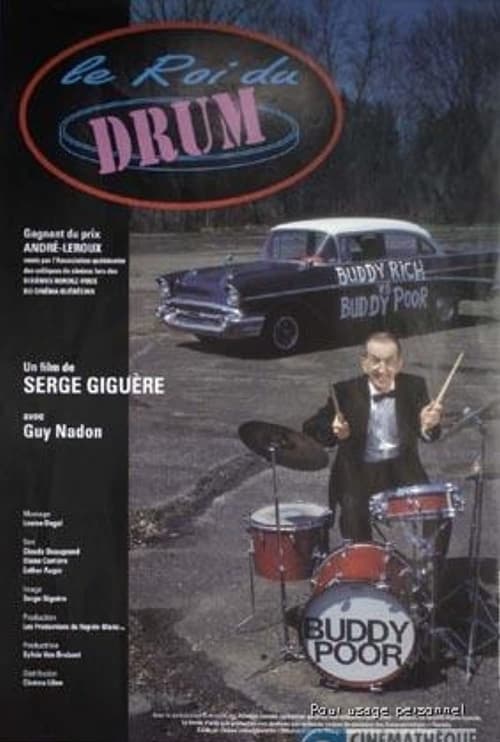
Guy Nadon is the rhythm incarnate. A jazz drummer who strikes on everything that makes noise. A king of musical improvisation, but also a king of improvisation, sometimes holding words bordering on surrealism.
Le roi du drum

In 2001, the government of Quebec announced a new program to issue permits for the construction of private hydroelectric dams at specific sites. Upset, the population took things into their own hands and decided to act. Citizens formed collectives to protect their waterways, among the most beautiful in the province. This documentary follows several artist and citizen groups who led a crusade to force the Québec government to abandon private hydro-electrical production. It is a thorough inquiry on the environmental impact and other repercussions of such projects.
Silver Rivers
Temiscaming, Québec is the story of a town's struggle to survive after its main source of employment, the CIP mill, closed down. Part I tells what steps the workers, townspeople and ex-CIP managers took to reopen a mill co-owned and co-managed by the workers; Part II explains the new corporate ownership of the mill, how it works, and its growing pains.
Temiscaming, Québec

Les Grands Enfants does not tell a story in the traditional sense. Instead, it offers an honest image of people's dreams of change : people often unemployed, dissatisfied in some way with their work, or caught up in complicated social relationships. The film is set in Montreal.
Les grands enfants

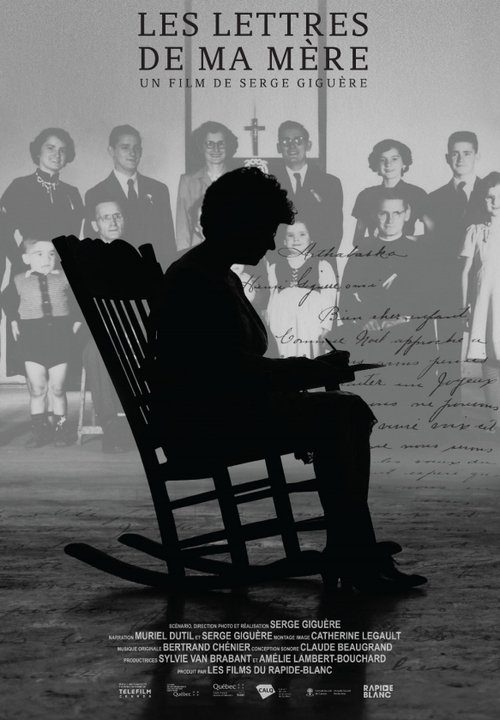
In this very personal and poetic film, veteran documentarian Serge Giguère pores through 100 letters written by his late mother to him and his 15 siblings. In them, she details the trials and tribulations of raising 16 children in rural Quebec, while helping to run a family carpentry business.
My Mother's Letters

No description available.
Quel numéro ? - What number ? ou le travail automatisé

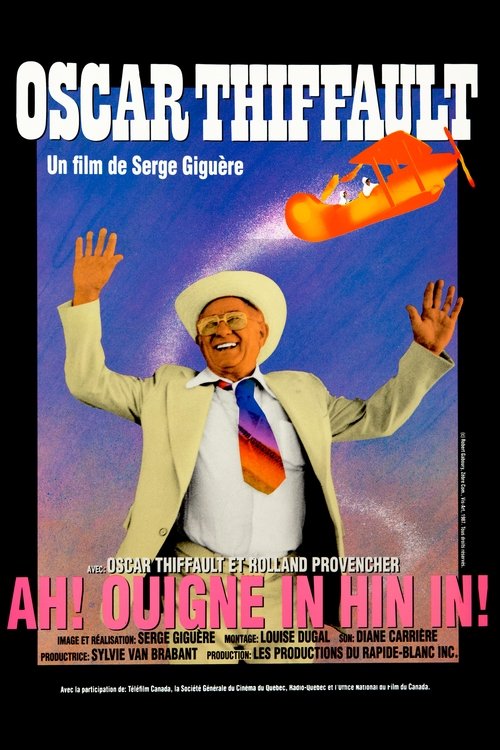
A documentary about the folk country musician Oscar Thiffault, the famous songwriter of Le Rapide blanc.
Oscar Thiffault
No description available.
Griffintown

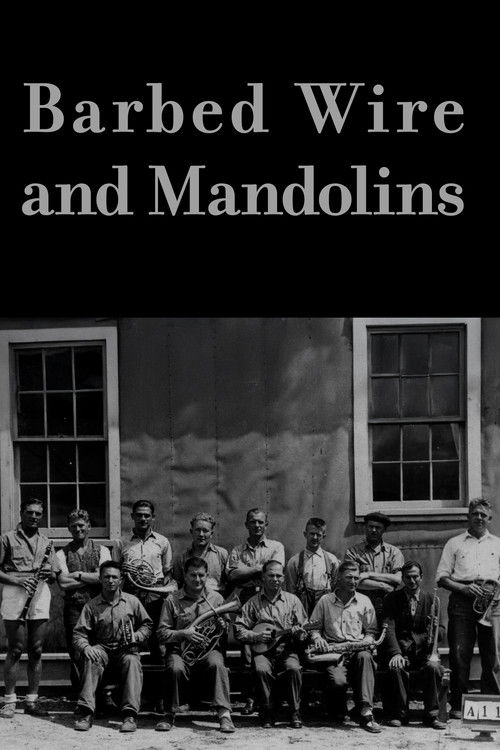
Upon Canada's entry into World War II, the RCMP rounded up thousands of people it considered fascist sympathizers. Among them, 700 Italian-Canadians were held for up to three years in internment camps. None were ever charged with a criminal offence.
Barbed Wire and Mandolins

No description available.
Le nord au coeur

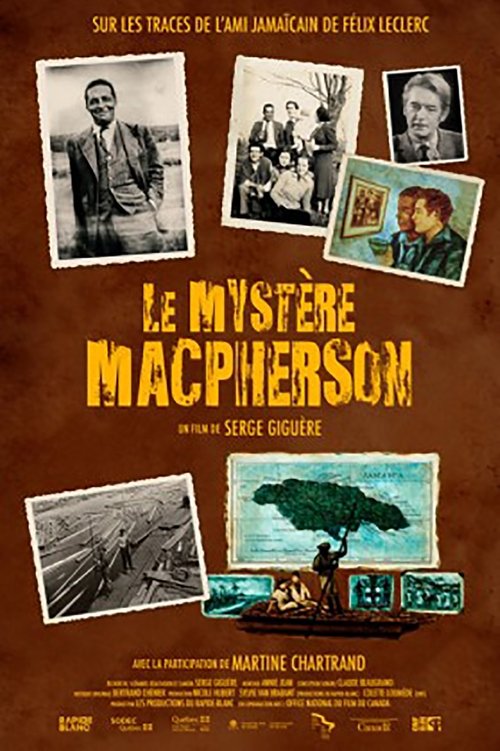
Years after first being inspired by a Félix Leclerc song, Martine Chartrand directed the film MACPHERSON. Ten years in the making, it features animated painting on glass and draws on her extensive research on the title character. Filmmaker Serge Giguère was there from the start, carefully and sympathetically chronicling this exceptional creative process.
Finding Macpherson

Shot in 1987 at the Montréal International Jazz Festival, this documentary film presents musical performances and conversations between three jazz pianists with remarkably different styles: Soviet Leonid Chizhik, Black Montrealer Oliver Jones, and French-Canadian Jean Beaudet. It introduces viewers to the diversity of interpretation within today's jazz world, explores the roots of modern jazz and the specific formative influences on the musicians profiled, and reaches for a definition of twentieth-century jazz.
Crossroads - Three Jazz Pianists

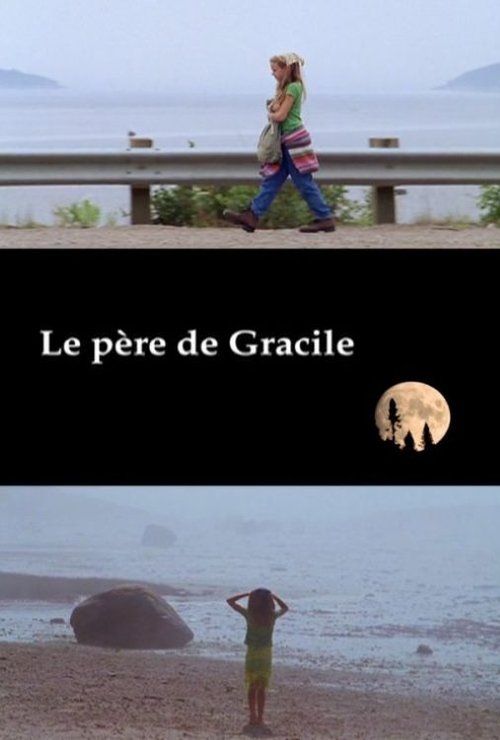
What does a curious little girl find on her way north? Wolves, trees, stones, people. Through Gracile's quest to find her father, this documentary tale takes us into a world of men. Men whose sometimes tragic destinies are linked to the land they inhabit, whether by choice or necessity. It's as if a fatality drags them into the movement of the world in spite of themselves. Like the men she meets along the way - all possible fathers for Gracile - the paths she travels sometimes open onto gaping wounds: devastated forests, mine holes, ruined industrial zones. The lament of trees can be heard while men remain silent. From the moment she sets out and throughout her journey, the little girl is accompanied in spirit by her mother and nature, as well as by an Innu grandmother whose voice nourishes her dreams. This dreamlike world rubs shoulders with the raw reality Gracile is confronted with.