
Synopsis
Episodes
You might also like
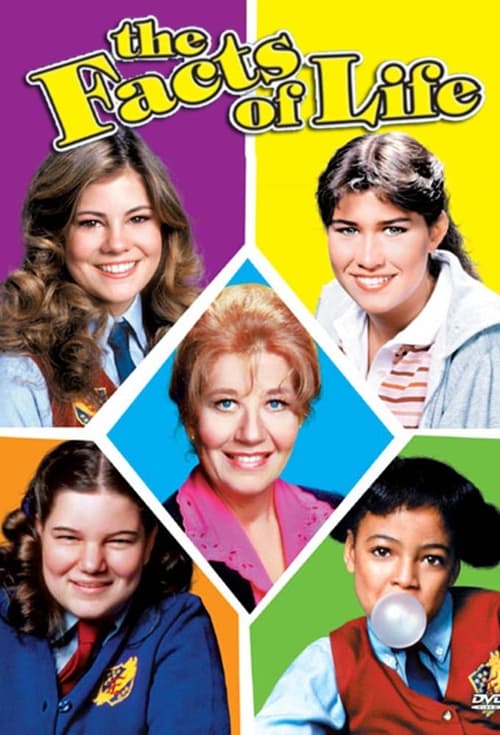
Mrs. Edna Garrett, housemother and dietitian at the Eastland School, teaches a group of girls in her charge how to solve those problems that every teenager has to face.
The Facts of Life

An exclusive group of privileged teens from a posh prep school on Manhattan's Upper East Side whose lives revolve around the blog of the all-knowing albeit ultra-secretive Gossip Girl.
Gossip Girl
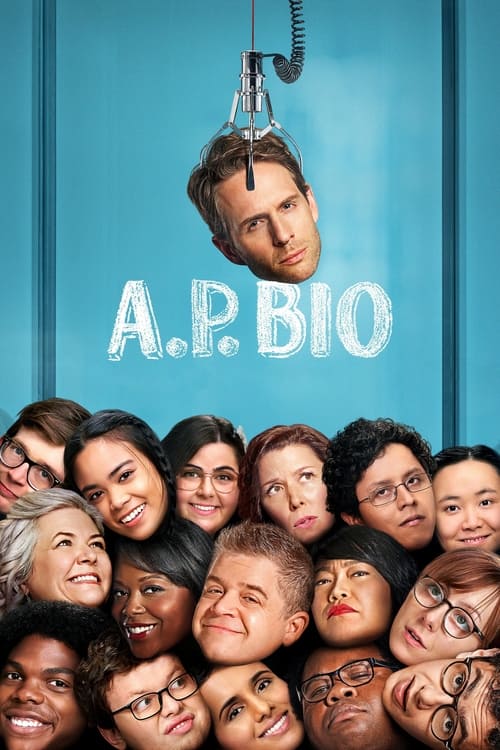
When disgraced Harvard philosophy scholar Jack Griffin loses out on his dream job, he is forced to return to Toledo, Ohio, and work as a high school Advanced Placement biology teacher.
A.P. Bio
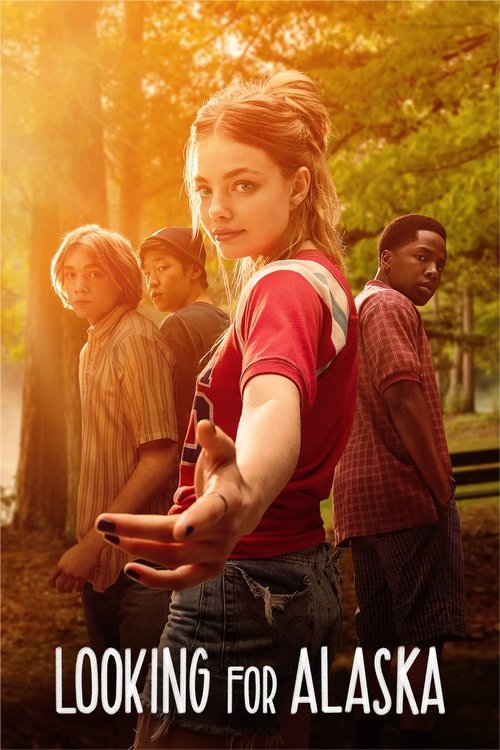
Miles enrolls in a new boarding school seeking adventure. There, he befriends a group of quirky students led by the captivating and troubled Alaska. As they pull pranks and explore dark secrets, a night of celebration takes a tragic turn, forcing the group to grapple with loss and the complexities of growing up.
Looking for Alaska
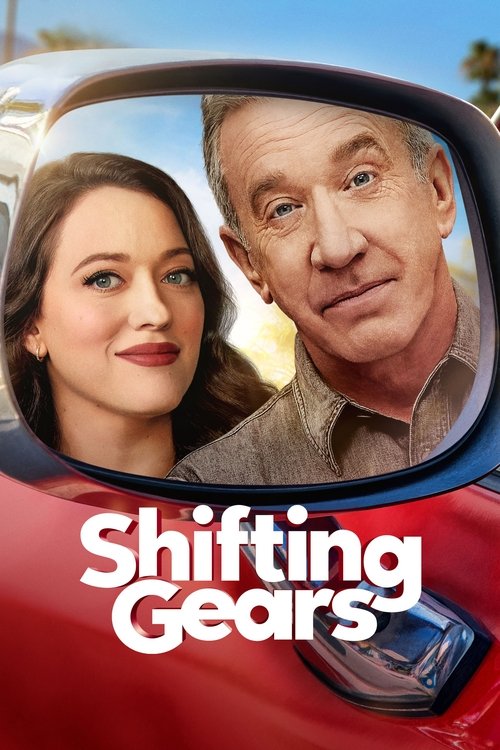
Matt is a stubborn, widowed owner of a classic car restoration shop. When Matt's estranged daughter Riley and her teenage kids move into his house, the real restoration begins.
Shifting Gears
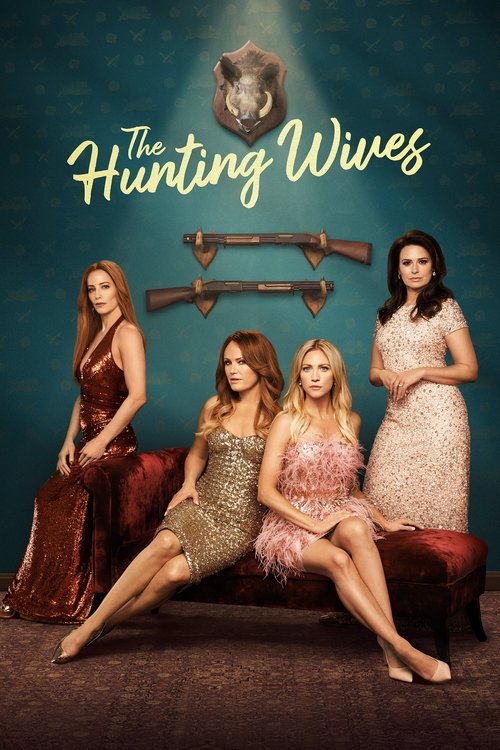
Sophie trades New England for East Texas and falls into a wealthy socialite's magnetic orbit — where a clique of housewives hide deadly secrets.
The Hunting Wives
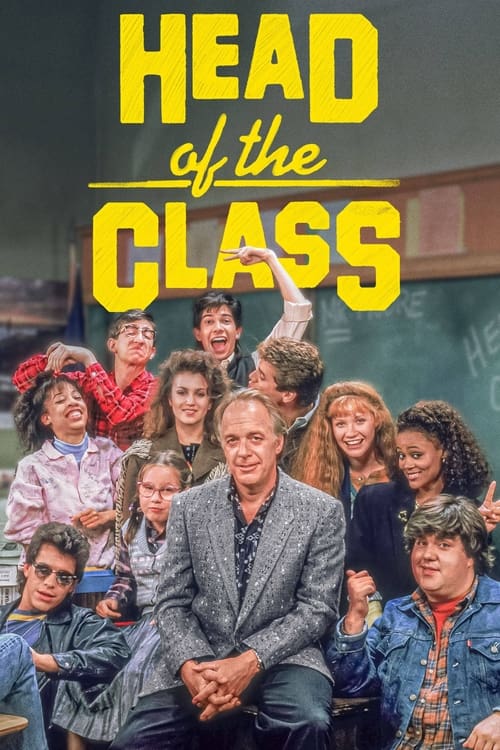
Head of the Class is an American sitcom that ran from 1986 to 1991 on the ABC television network. The series follows a group of gifted students in the Individualized Honors Program at the fictional Monroe High School in Manhattan, and their history teacher Charlie Moore. The program was ostensibly a vehicle for Hesseman, best known for his role as radio DJ Dr. Johnny Fever in the sitcom WKRP in Cincinnati. Hesseman left Head of the Class in 1990 and was replaced by Billy Connolly as teacher Billy MacGregor for the final season. After the series ended, Connolly appeared in a short-lived spin-off titled Billy. The series was created and executive produced by Rich Eustis and Michael Elias. Rich Eustis had previously worked as a New York City substitute teacher while hoping to become an actor.
Head of the Class
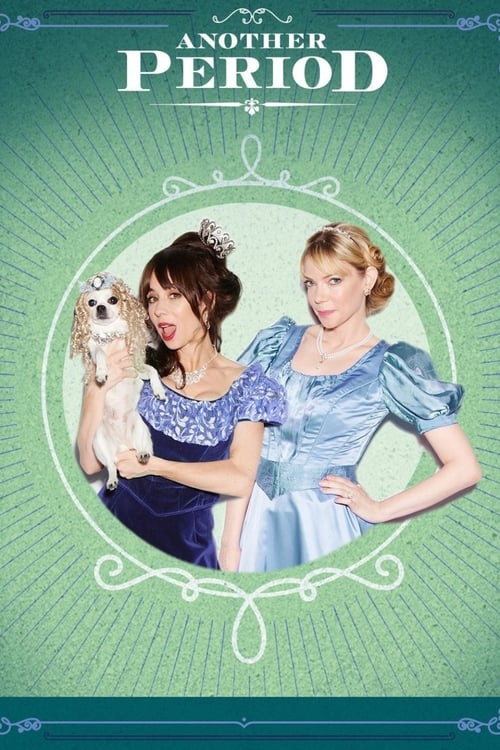
Set at the turn of the century, “Another Period” follows the misadventures of the Bellacourts, Newport, RI’s first family, who have absolutely nothing to offer to the world, but who have so much money it doesn’t matter. The series focuses on sisters “Lillian” and “Beatrice”, who care only about how they look, what parties they attend and becoming famous, which is a lot harder in 1902.
Another Period
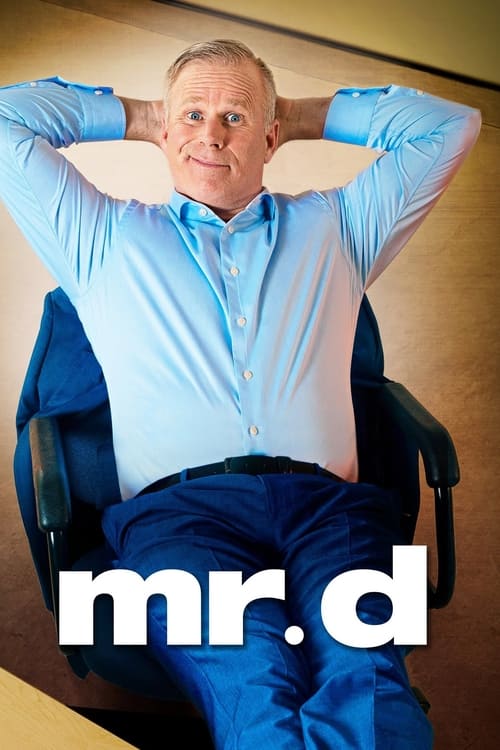
Based on Gerry Dee's real-life experiences as a high school teacher before he switched to comedy full-time, MR. D is a story about a charming, under-qualified teacher trying to fake his way through a teaching job, just like he often fakes his way through life.
Mr. D
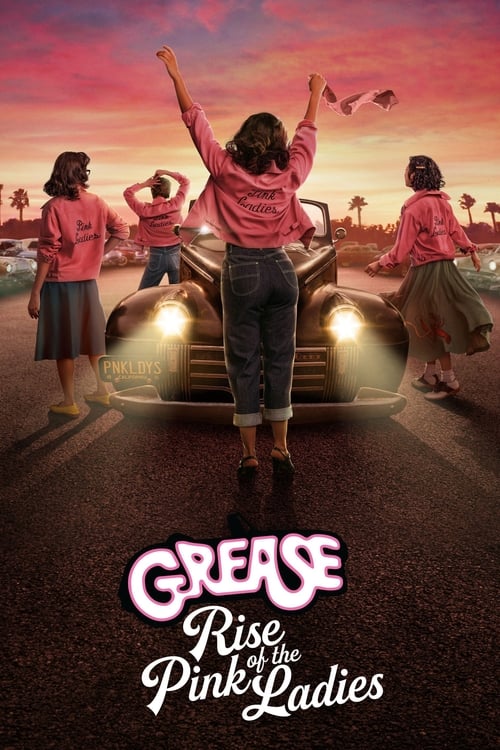
In 1954, a time before rock ‘n’ roll ruled, before the T-Birds were the coolest in the school, four fed-up outcasts dare to have fun on their own terms, sparking a moral panic that will change Rydell High forever.
Grease: Rise of the Pink Ladies
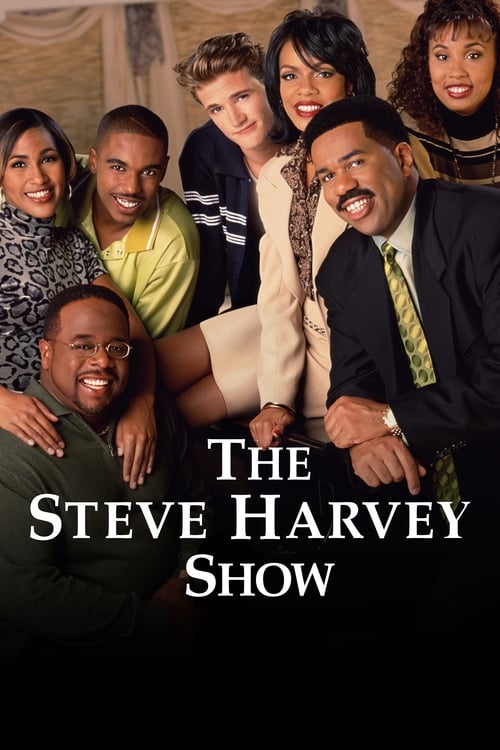
Down on his luck and out of money, former R&B star Steve Hightower lands a music teacher gig at an inner-city Chicago school. Showing who's in charge with his unorthodox approach, Steve discovers a new groove at Washington High School.
The Steve Harvey Show
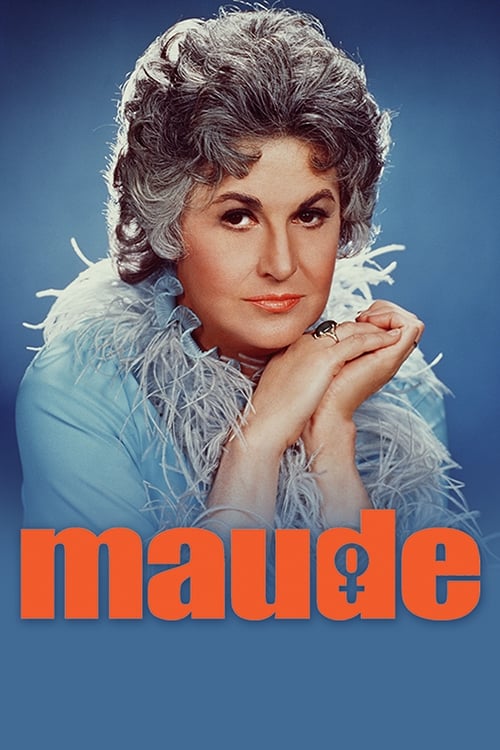
Well-educated and upper middle class, Maude Findlay is the archetypal feminist of her generation. She lives in suburban Tuckahoe, New York, with her fourth husband, Walter, their divorced daughter, Carol, and grandson Phillip.
Maude
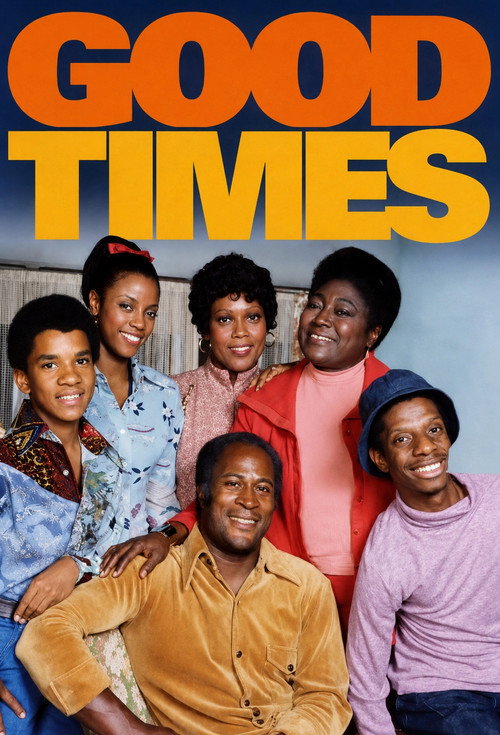
Good Times is an American sitcom that originally aired from February 8, 1974, until August 1, 1979, on the CBS television network. It was created by Eric Monte and Mike Evans, and developed by Norman Lear, the series' primary executive producer. Good Times is a spin-off of Maude, which is itself a spin-off of All in the Family along with The Jeffersons. The series is set in Chicago. The first two seasons were taped at CBS Television City in Hollywood. In the fall of 1975, the show moved to Metromedia Square, where Norman Lear's own production company was housed.
Good Times
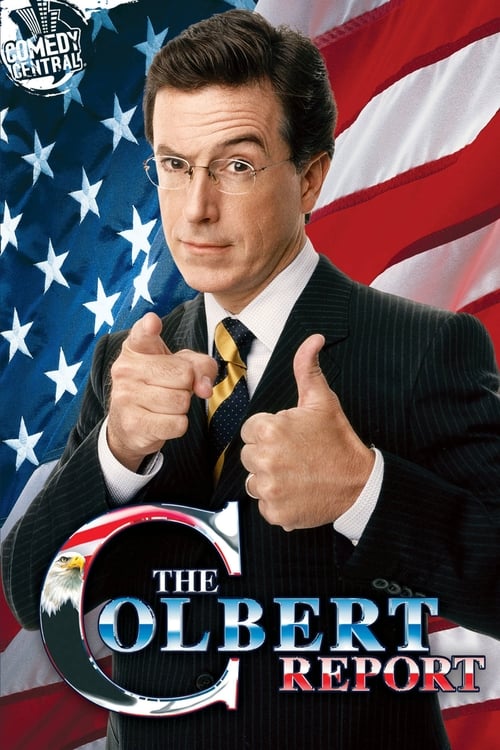
The Colbert Report is an American satirical late night television program. It stars political humorist Stephen Colbert, a former correspondent for The Daily Show with Jon Stewart. The Colbert Report is a spin-off from and counterpart to The Daily Show that comments on politics and the media in a similar way. The show focuses on a fictional anchorman character named Stephen Colbert, played by his real-life namesake. The character, described by Colbert as a "well-intentioned, poorly informed, high-status idiot", is a caricature of televised political pundits.
The Colbert Report
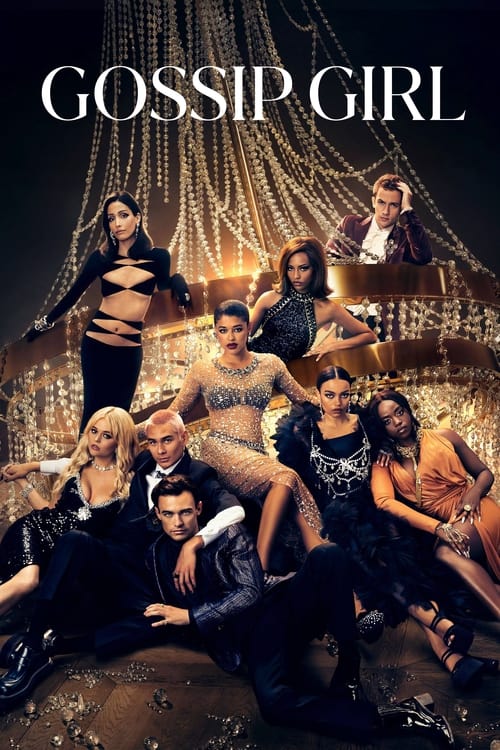
Eight years after the original website went dark, a new generation of New York private school teens are introduced to the social surveillance of Gossip Girl.
Gossip Girl
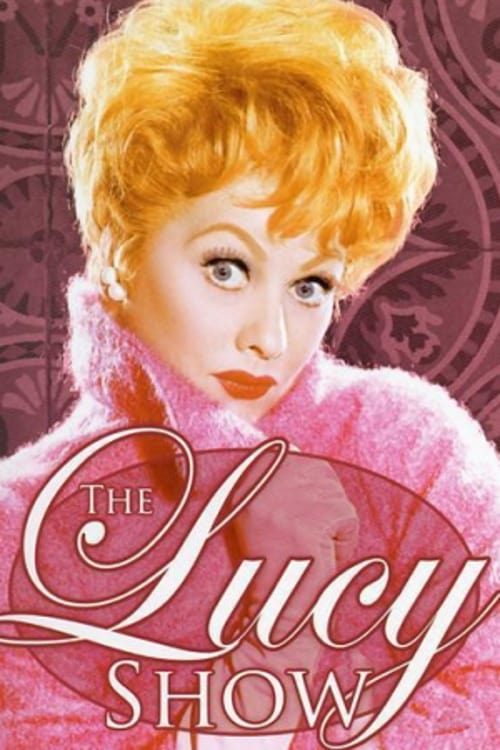
The Lucy Show is an American sitcom that aired on CBS from 1962–68. It was Lucille Ball's follow-up to I Love Lucy. A significant change in cast and premise for the 1965–66 season divides the program into two distinct eras; aside from Ball, only Gale Gordon, who joined the program for its second season, remained. For the first three seasons, Vivian Vance was the co-star. The earliest scripts were entitled The Lucille Ball Show, but when this title was declined, producers thought of calling the show This Is Lucy or The New Adventures of Lucy, before deciding on the title The Lucy Show. Ball won consecutive Emmy Awards as Outstanding Lead Actress in a Comedy Series for the series' final two seasons, 1966–67 and 1967–68.
The Lucy Show

A group of 20-somethings who are inextricably bound together having shared the same third-grade class. Now face to face at an impromptu reunion to celebrate the 20th anniversary of the day they met, they wonder if they'll have anything in common besides vague memories of playground kisses and underwear sightings on the monkey bars. Turns out they do. After two decades apart for most of them, some are eager to show off, some want to rekindle old crushes and others just want to satisfy their curiosity.
The Class
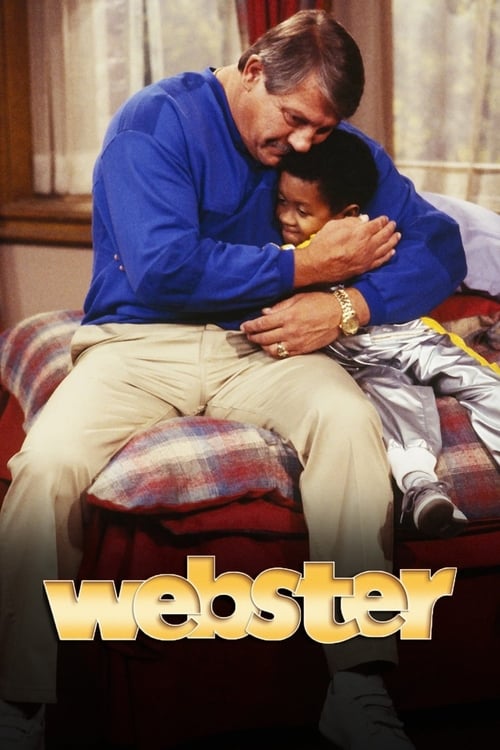
Webster is an American situation comedy that aired on ABC from September 16, 1983 until May 8, 1987, and in first-run syndication from September 21, 1987 until March 10, 1989. The series was created by Stu Silver. The show stars Emmanuel Lewis in the title role as a young boy who, after losing his parents, is adopted by his NFL-pro godfather, portrayed by Alex Karras, and his new socialite wife, played by Susan Clark. The focus was largely on how this impulsively married couple had to adjust to their new lives and sudden parenthood, but it was the congenial Webster himself who drove much of the plot. The series was produced by Georgian Bay Ltd., Emmanuel Lewis Entertainment Enterprises, Inc. and Paramount Television. Like NBC's earlier hit Diff'rent Strokes, Webster featured a young African-American boy adopted by a white family.
Webster
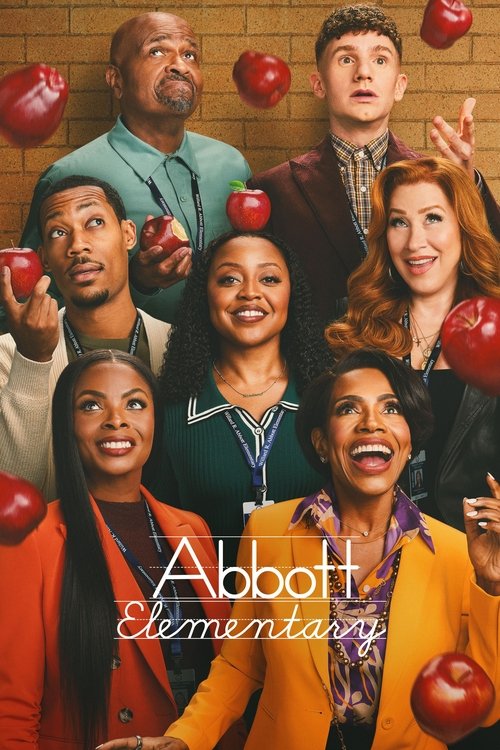
In this workplace comedy, a group of dedicated, passionate teachers — and a slightly tone-deaf principal — are brought together in a Philadelphia public school where, despite the odds stacked against them, they are determined to help their students succeed in life. Though these incredible public servants may be outnumbered and underfunded, they love what they do — even if they don’t love the school district’s less-than-stellar attitude toward educating children.
Abbott Elementary

Get Smart is an American comedy television series that satirizes the secret agent genre. Created by Mel Brooks with Buck Henry, the show stars Don Adams, Barbara Feldon, and Edward Platt. Henry said they created the show by request of Daniel Melnick, who was a partner, along with Leonard Stern and David Susskind, of the show's production company, Talent Associates, to capitalize on "the two biggest things in the entertainment world today"—James Bond and Inspector Clouseau. Brooks said: "It's an insane combination of James Bond and Mel Brooks comedy." This is the only Mel Brooks production to feature a laugh track. The success of the show eventually spawned the follow-up films The Nude Bomb and Get Smart, Again!, as well as a 1995 revival series and a 2008 film remake. In 2010, TV Guide ranked Get Smart's opening title sequence at No. 2 on its list of TV's Top 10 Credits Sequences, as selected by readers.