

Synopsis
Episodes
You might also like
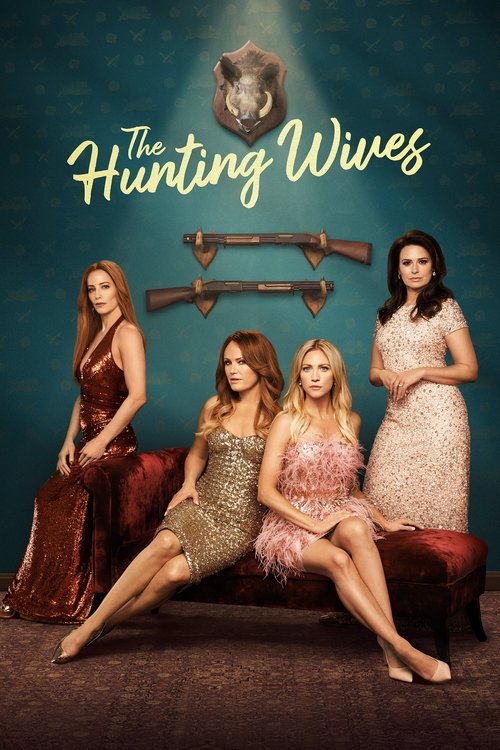
Sophie trades New England for East Texas and falls into a wealthy socialite's magnetic orbit — where a clique of housewives hide deadly secrets.
The Hunting Wives
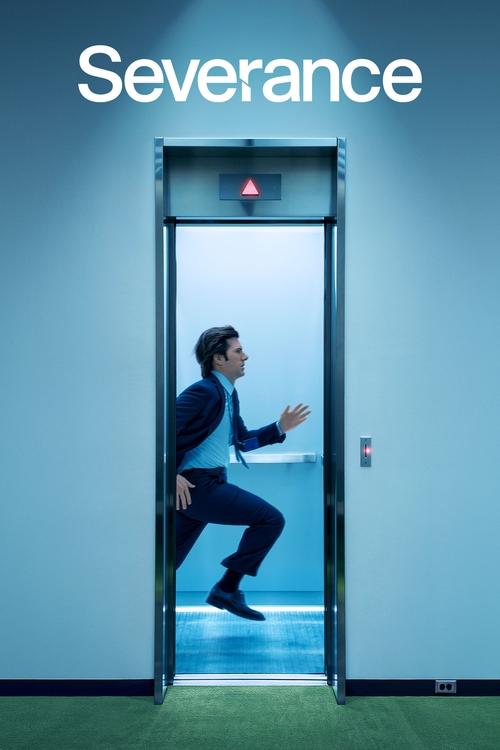
Mark leads a team of office workers whose memories have been surgically divided between their work and personal lives. When a mysterious colleague appears outside of work, it begins a journey to discover the truth about their jobs.
Severance
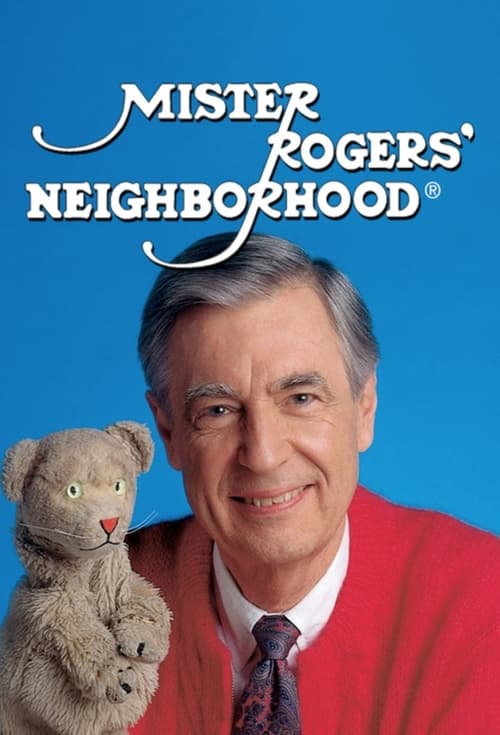
Mister Rogers' Neighborhood is an American children's television series that was created and hosted by namesake Fred Rogers. The series originated in 1963 as Misterogers on CBC Television, and was later debuted in 1966 as Misterogers' Neighborhood on the regional Eastern Educational Network, followed by its US network debut on February 19, 1968, and it aired on NET and its successor, PBS, until August 31, 2001. The series is aimed primarily at preschool ages 2 to 5, but has been stated by PBS as "appropriate for all ages". Mister Rogers' Neighborhood was produced by Pittsburgh, Pennsylvania, USA public broadcaster WQED and Rogers' non-profit production company Family Communications, Inc.; previously known as Small World Enterprises prior to 1971, the company was renamed The Fred Rogers Company after Rogers' death.
Mister Rogers' Neighborhood
This reimagining of the classic anthology series transports everyday characters into worlds of wonder, possibility, and imagination.
Amazing Stories

An anthology series written and directed by the most famous names in horror.
Masters of Horror
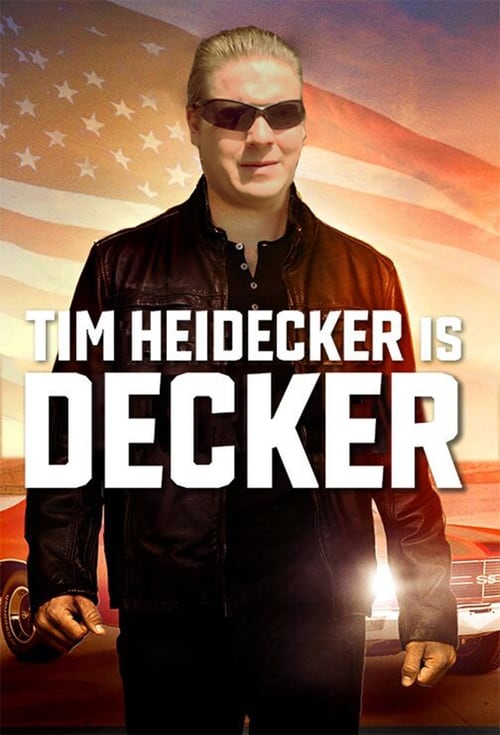
The free world is in danger, and only one man can help. Jack Decker has sworn to defend America from foreign terrorists regardless of which spineless president is in charge. This is Decker: The Series.
Decker
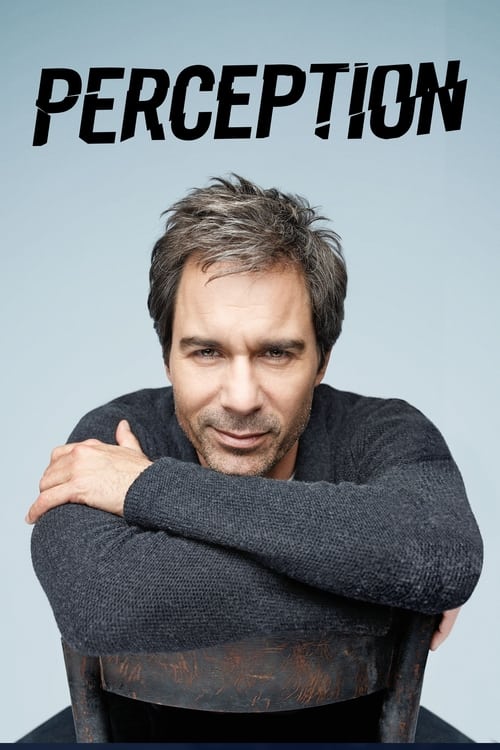
Dr. Daniel Pierce, a neuroscientist and professor, is recruited to help the federal government crack difficult cases. His intimate knowledge of human behavior and masterful understanding of the mind give him an extraordinary ability to read people, but his eccentric view of the world and less-than-stellar social skills can often interfere with his work.
Perception
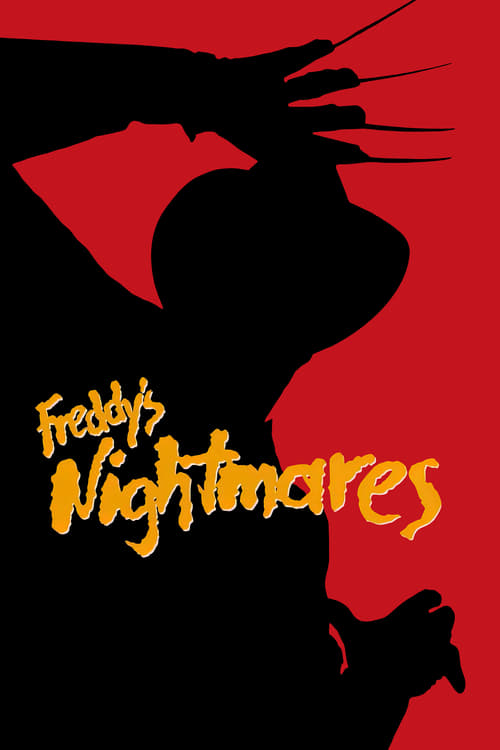
The evil, sinister killer of the "Nightmare On Elm Street" movies, Freddy Krueger, hosts this show, where each week, he shows us a tale of evil and death about the lives of people who live in Springwood.
Freddy's Nightmares
R. L. Stine's The Haunting Hour is a Canadian/American original anthology horror-fantasy series, with episodes each half an hour long. The series is based on The Haunting Hour: Don't Think About It Movie, and the books The Haunting Hour and Nightmare Hour anthology by R. L. Stine.
R. L. Stine's The Haunting Hour
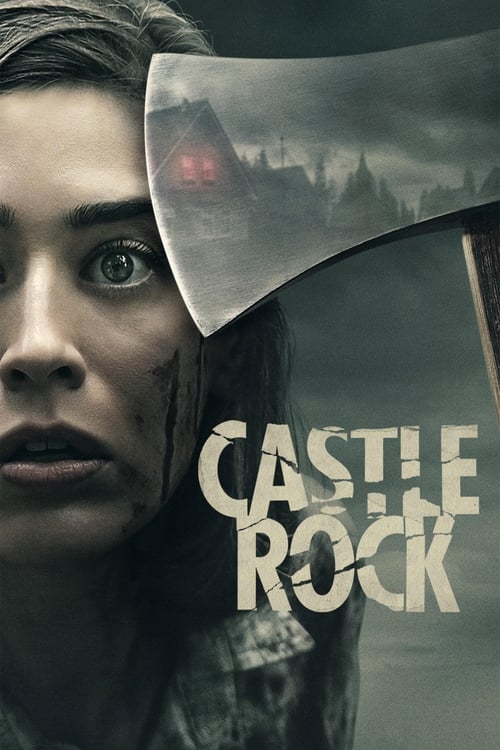
Based on the stories of Stephen King, the series intertwines characters and themes from the fictional town of Castle Rock.
Castle Rock

The series centers on the conflict between a group of rebels from the year 2077 who time-travel to Vancouver, BC, in 2012, and a police officer who accidentally accompanies them. In spite of being many years early, the rebel group decides to continue its violent campaign to stop corporations of the future from replacing governments, while the police officer endeavours to stop them without revealing to anyone that she and the rebels are from the future.
Continuum

The funny, heartfelt story of The Kims, a Korean-Canadian family, running a convenience store in downtown Toronto. Mr. and Mrs. Kim ('Appa' and 'Umma') immigrated to Toronto in the '80s to set up shop near Regent Park and had two kids, Jung and Janet who are now young adults. However, when Jung was 16, he and Appa had a major falling out involving a physical fight, stolen money and Jung leaving home. Father and son have been estranged since.
Kim's Convenience
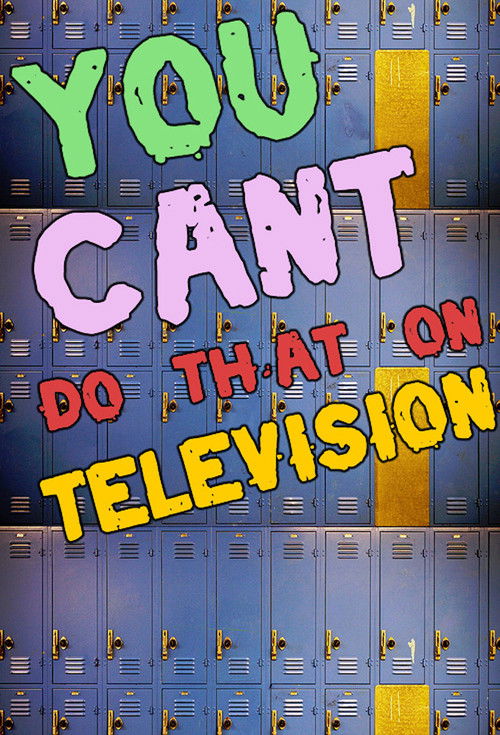
You Can't Do That on Television is a Canadian television program that first aired locally in 1979 before airing internationally in 1981. It featured pre-teen and teenaged actors in a sketch comedy format. Each episode had a theme. The show was notable for launching the careers of many performers, including Alanis Morissette, and writer Bill Prady, who would write and produce shows like The Big Bang Theory, Gilmore Girls and Dharma and Greg. The show was produced by and aired on Ottawa's CTV station CJOH-TV. After production ended in 1990, the show continued in reruns on Nickelodeon through 1994, when it was replaced with the similar All That. The show is synonymous with Nick, and was at that time extremely popular, with the highest ratings overall on the channel. The show is also well known for introducing the network's iconic slime. The program is the subject of the 2004 feature-length documentary, You Can't Do That on Film, directed by David Dillehunt.
You Can't Do That on Television

The Invisible Man is a Sci-Fi American television series starring Vincent Ventresca, Paul Ben-Victor, Eddie Jones, Shannon Kenny and Michael McCafferty. Somewhat more successful than previous television series involving invisible secret agents, it aired from June 9, 2000 to February 1, 2002, lasting two seasons. The plot revolves around Darien Fawkes, a thief facing life imprisonment who was recruited by a low-rent spy organization and given the power of invisibility via implantation of a special "Quicksilver gland" in his head. The gland allows Fawkes to secrete a light-bending substance called "Quicksilver" from his pores and follicles. The substance quickly coats his skin, hair, nails and clothes and renders him invisible. He can consciously release the Quicksilver, which then flakes off and disintegrates. However, the Quicksilver gland was sabotaged at its creation by scientist Arnaud DeFehrn to release a neurotoxin that accumulates in the bloodstream and causes intense pain, followed by antisocial behavior and psychosis. The host requires regular doses of "counteragent" to keep him sane and healthy, which is controlled by said government agency. This series lasted for two seasons, before being cancelled due to cost issues and internal bickering between the Sci Fi Channel and its then-parent company, USA Networks. The show's first season ran concurrently in first-run syndication as well as on Sci Fi.
The Invisible Man
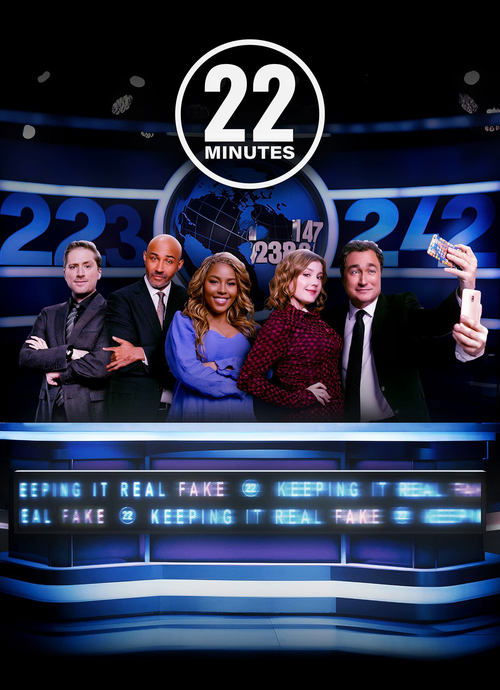
This Hour Has 22 Minutes is a weekly Canadian television comedy that airs on CBC Television. Launched in 1993 during Canada's 35th general election, the show focuses on Canadian politics, combining news parody, sketch comedy and satirical editorials. Originally featuring Cathy Jones, Rick Mercer, Greg Thomey and Mary Walsh, the series featured satirical sketches of the weekly news and Canadian political events. The show's format is a mock news program, intercut with comic sketches, parody commercials and humorous interviews of public figures. The on-location segments are frequently filmed with slanted camera angles.
This Hour Has 22 Minutes
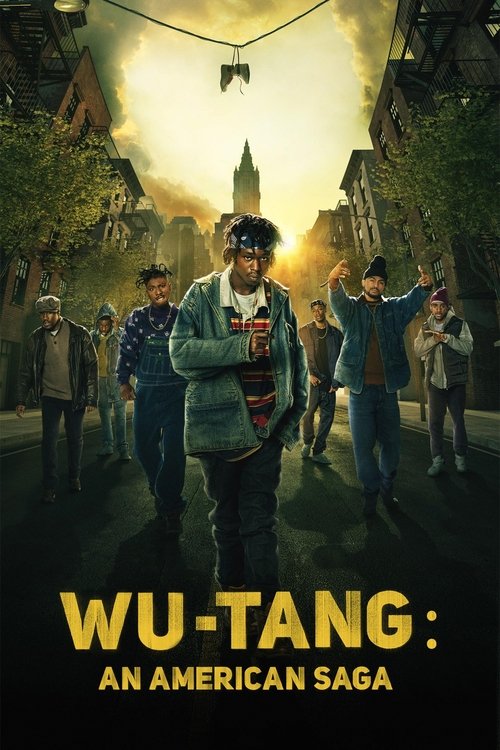
In the early 1990s in New York, during the height of the crack cocaine epidemic, a visionary musician named Bobby Diggs aka The RZA begins to form a super group of a dozen young, black men, who will eventually rise to become one of the unlikeliest success stories in American music history.
Wu-Tang: An American Saga
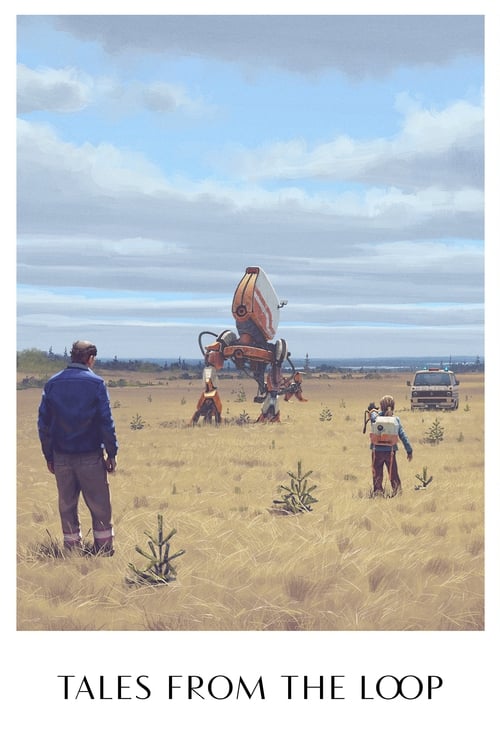
The story of the town and people who live above “The Loop,” a machine built to unlock and explore the mysteries of the universe – making things possible that were previously relegated only to science fiction.
Tales from the Loop
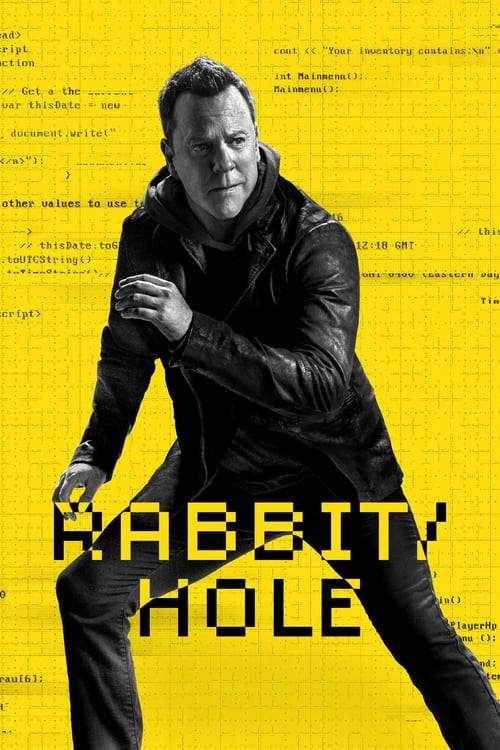
Nothing is what it seems when John Weir, a master of deception in the world of corporate espionage, is framed for murder by powerful forces with the ability to influence and control populations.
Rabbit Hole

The misadventures of a divorced mother, two teenage daughters, and their new building superintendent in Indianapolis.
One Day at a Time

20/20 is an American television newsmagazine that has been broadcast on ABC since June 6, 1978. Created by ABC News executive Roone Arledge, the show was designed similarly to CBS's 60 Minutes but focuses more on human interest stories than international and political subjects. The program's name derives from the "20/20" measurement of visual acuity. The hour-long program has been a staple on Friday evenings for much of the time since it moved to that timeslot from Thursdays in September 1987, though special editions of the program occasionally air on other nights.