

Episodes
Photos
You might also like
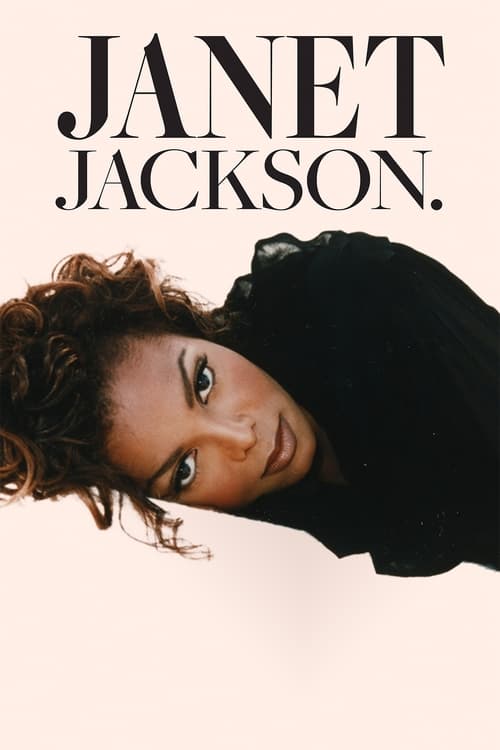
The documentary takes viewers through Janet Jackson's life and career, contain never-before-seen footage, and feature home videos from the legendary artist. Jackson discusses her controversial 2004 Super Bowl halftime show performance with Justin Timberlake, her father Joe Jackson, the death of her brother Michael Jackson, and more.
JANET JACKSON.

Infographics and archival footage deliver bite-size history lessons on scientific breakthroughs, social movements and world-changing discoveries.
History 101
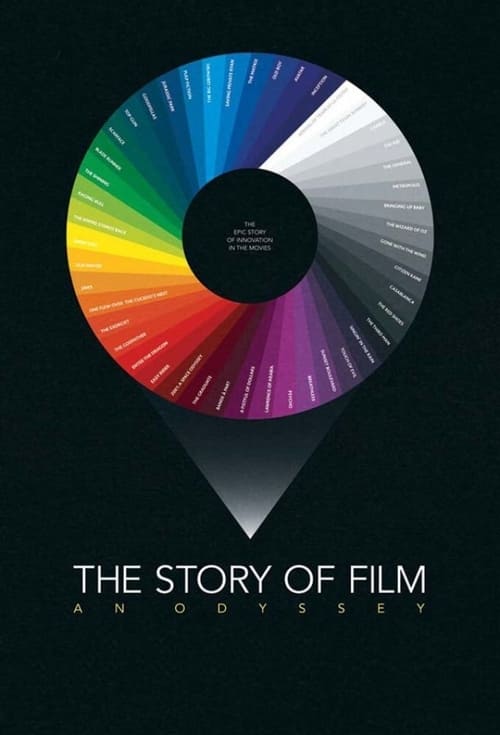
A worldwide guided tour of the greatest movies ever made and the story of international cinema through the history of cinematic innovation.
The Story of Film: An Odyssey

These blockbusters brought us together and gave us the time of our lives. Meet the actors, directors and industry insiders who made them happen.
The Movies That Made Us
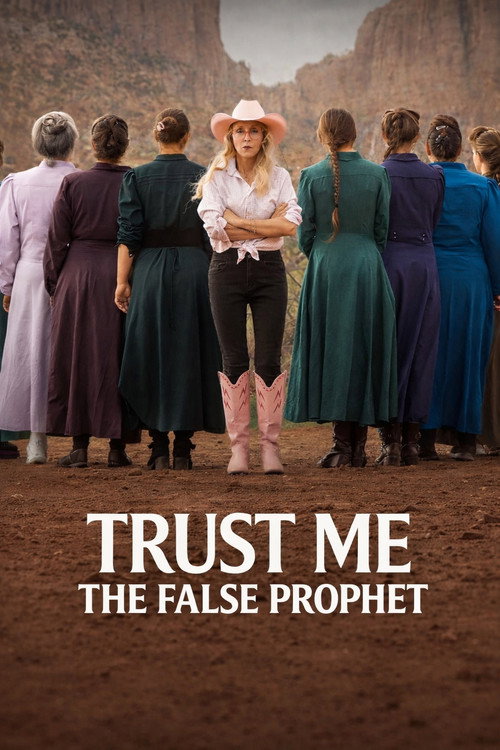
In this true-crime documentary, a cult expert and filmmaker infiltrate a polygamist sect to expose a self-proclaimed prophet and bring him to justice.
Trust Me: The False Prophet
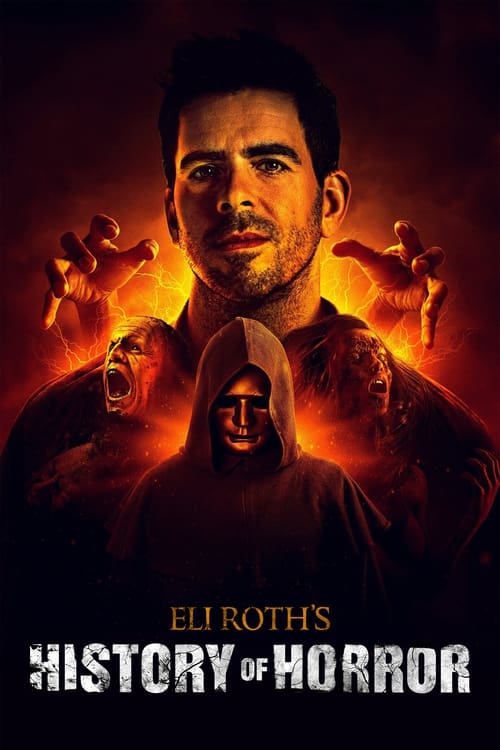
An in-depth look at the history and pop cultural significance of horror films.
Eli Roth's History of Horror
American Masters is a PBS television series which produces biographies on enduring writers, musicians, visual and performing artists, dramatists, filmmakers, and others who have left an indelible impression on the cultural landscape of the United States.
American Masters
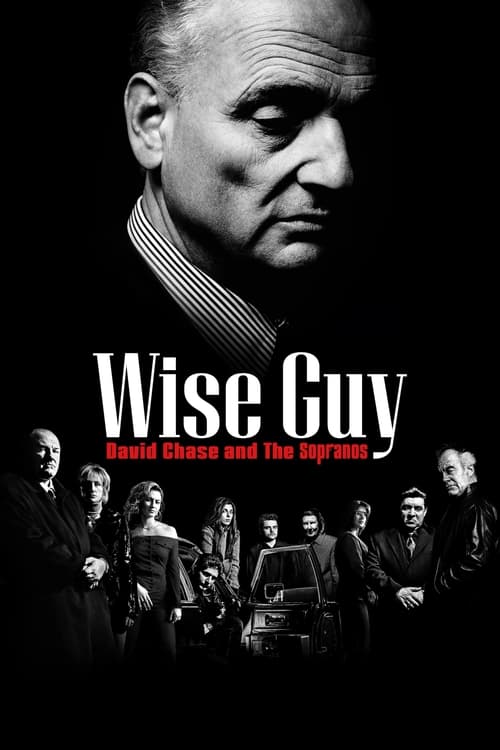
A portrait of celebrated filmmaker David Chase: his life, his career and his groundbreaking work on the HBO original series The Sopranos.
Wise Guy: David Chase and The Sopranos
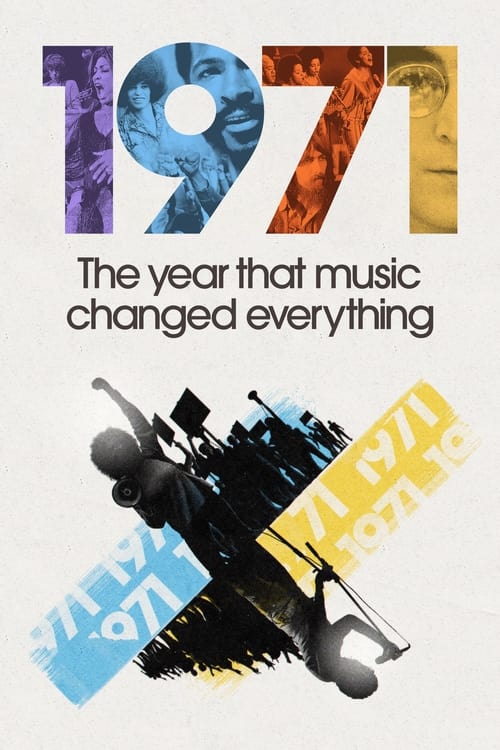
In a tumultuous era, 1971 was a year of musical innovation and rebirth fueled by the political and cultural upheaval of the time. Stars reached new heights, fresh talent exploded onto the scene, and boundaries expanded like never before.
1971: The Year That Music Changed Everything

Explore the many lives of Martin Scorsese through intimate interviews with the man himself, access to his private archives, plus conversations with Robert De Niro, Leonardo DiCaprio, Margot Robbie, Daniel Day-Lewis, Steven Spielberg, and more.
Mr. Scorsese

Doctor Who Confidential is a documentary to complement the revival of the long-running British science fiction television series Doctor Who. Each episode was broadcast on BBC Three on Saturdays, immediately after the broadcast of the weekly television episode on BBC One. The running time of the first two series was 30 minutes, being extended to 45 minutes in the third. BBC Three also broadcast a cut-down edition of the programme, lasting 15 minutes, shown after the repeats on Sundays and Fridays and after the weekday evening repeats of earlier seasons.
Doctor Who Confidential
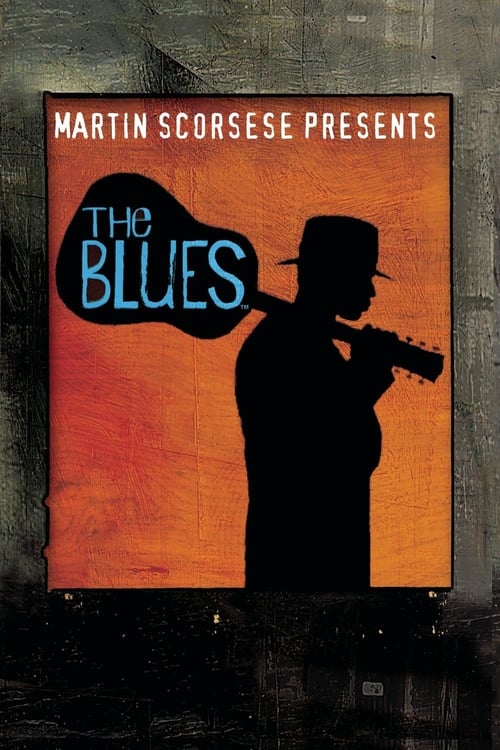
The Blues (2003) is a seven-part documentary series produced by Martin Scorsese that explores the history and influence of blues music. Each episode, directed by a different filmmaker, traces a unique aspect of the genre’s evolution—from its African roots to its global impact. Originally airing on PBS, the series includes Scorsese’s Feel Like Going Home, Wim Wenders’ The Soul of a Man, Richard Pearce’s The Road to Memphis, Charles Burnett’s Warming by the Devil’s Fire, Marc Levin’s Godfathers and Sons, Mike Figgis’ Red, White and Blues, and Clint Eastwood’s Piano Blues.
The Blues
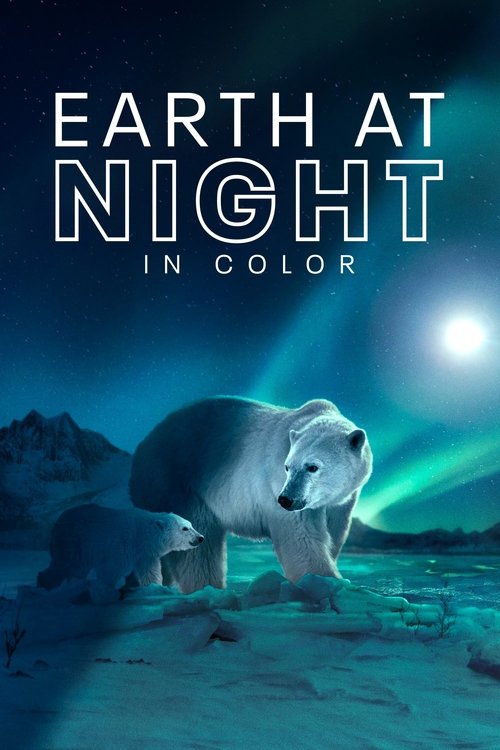
Filmed across six continents, this docuseries uses cutting-edge camera technology to capture animals' nocturnal lives, revealing new behaviours filmed in full color like never before.
Earth at Night in Colour

Executive producer Jon Favreau invites the cast and crew of The Mandalorian to share an unprecedented look at the making of the series. Each chapter explores a different facet of the first live-action Star Wars television show through interviews, never-before-seen footage, and roundtable conversations hosted by Favreau himself.
Disney Gallery / Star Wars: The Mandalorian
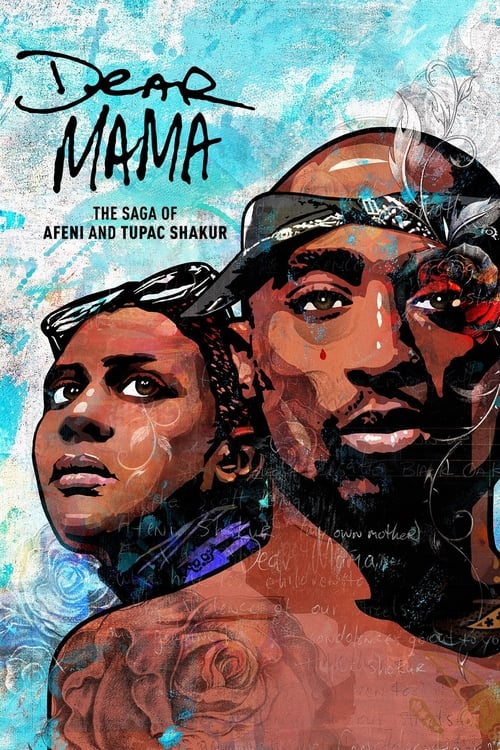
Explore the history of activist Afeni Shakur and hip-hop icon Tupac Shakur, two voices that could not be silenced. Told through the eyes of the people who knew them best, this series is an intimate wide-angle portrait of the most inspiring and dangerous mother-son duo in American history, whose unified message of freedom, equality, persecution and justice are more relevant today than ever.
Dear Mama
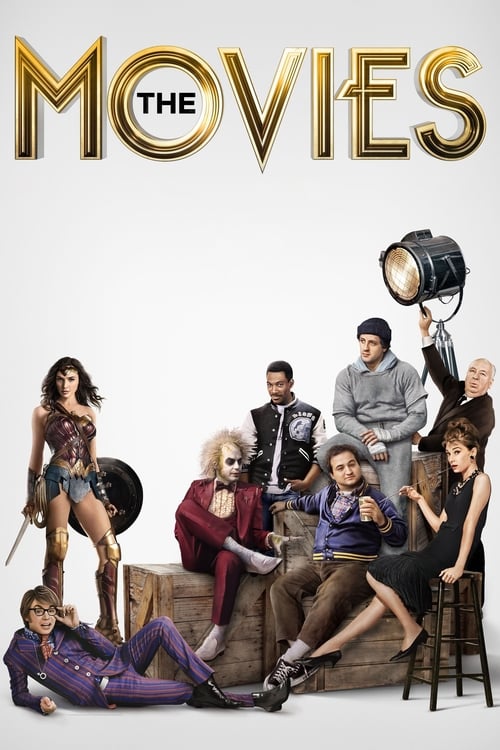
Explore American cinema through the decades and the cultural, societal and political shifts that framed its evolution.
The Movies
A series of standalone documentaries powered by the unparalleled journalism and insight of The New York Times, bringing viewers close to the essential stories of our time.
The New York Times Presents
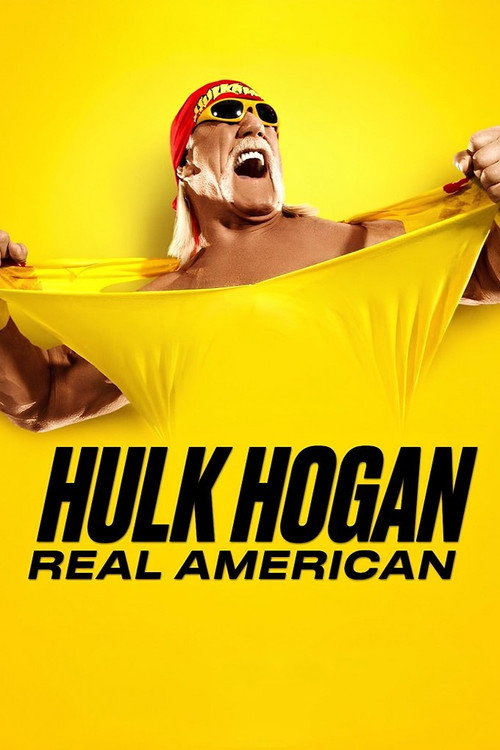
Before he was Hulk Hogan, he was Terry Bollea. Uncover the man behind the legend in this unfiltered documentary featuring his very last interview.
Hulk Hogan: Real American

Biography is a documentary television series. It was originally a half-hour filmed series produced for CBS by David Wolper from 1961 to 1964 and hosted by Mike Wallace. The A&E Network later re-ran it and has produced new episodes since 1987. The older version featured historical figures such as Helen Keller and Mark Twain, or long-dead entertainment figures such as Will Rogers or John Barrymore. The A&E series has placed the emphasis on such people as Marilyn Monroe, Elvis Presley, Plácido Domingo, Freddie Mercury, Jacqueline Kennedy Onassis, Eric Clapton, Pope John Paul II, Gene Tierney, Selena, Diego Rivera, Mao Zedong and Queen Elizabeth II, and fictional characters like The Phantom, Superman, Hamlet, Betty Boop, and Santa Claus. The program ended up profiling enough figures that in 1999, A&E spun it off into an entire network, The Biography Channel.
Biography
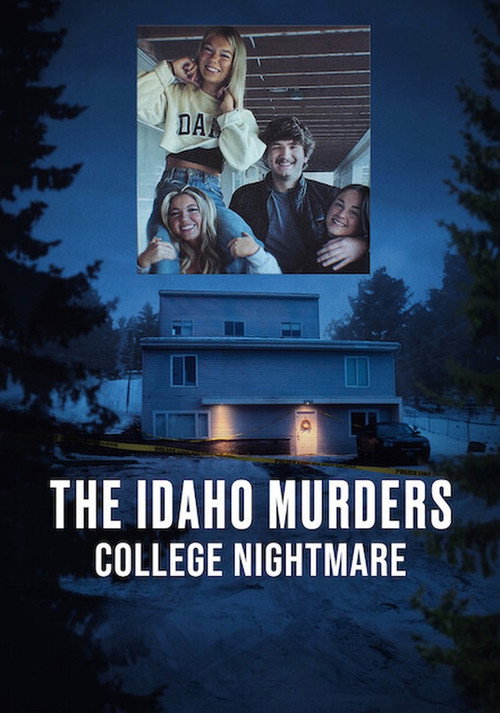
Through bodycam footage, texts and interviews with loved ones, this documentary investigates the horrifying murder of four University of Idaho students.