
Episodes
You might also like
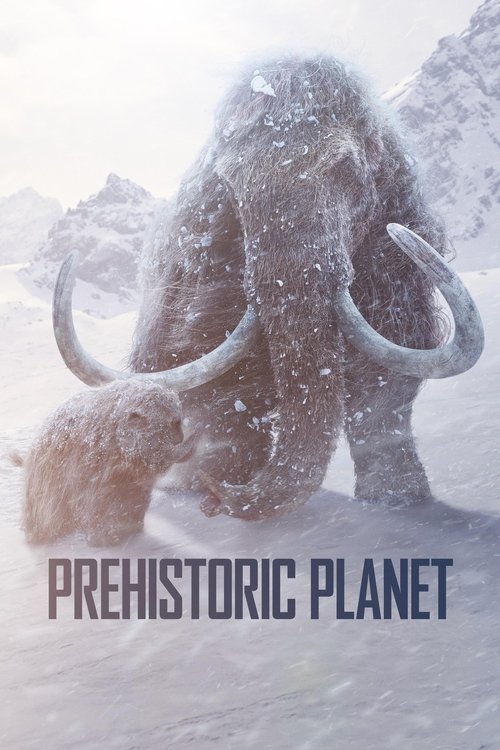
Experience the wonders of our world like never before in this epic series from Jon Favreau and the producers of Planet Earth. Travel back 66 million years to when majestic dinosaurs and extraordinary creatures roamed the lands, seas, and skies.
Prehistoric Planet

Motoring programme featuring reviews of and reports about cars of all types.
Top Gear
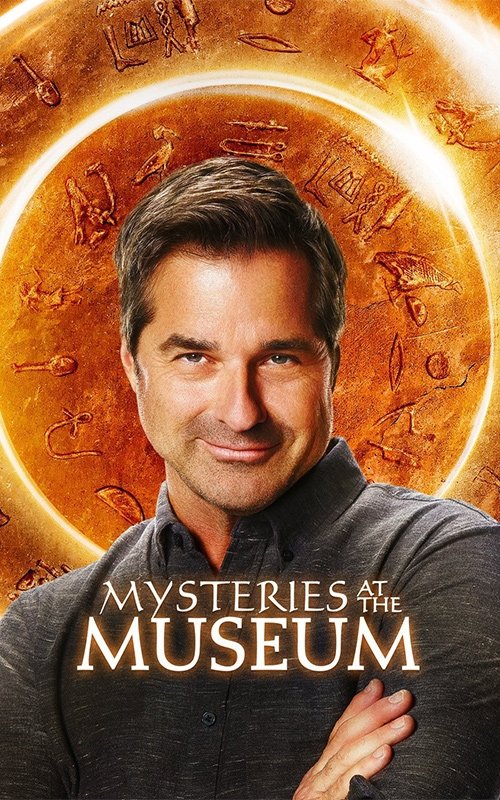
Don Wildman unearths relics from the world's greatest institutions to reveal secrets from the past. He examines each artifact to illuminate history's most incredible triumphs, sensational crimes and bizarre encounters.
Mysteries at the Museum
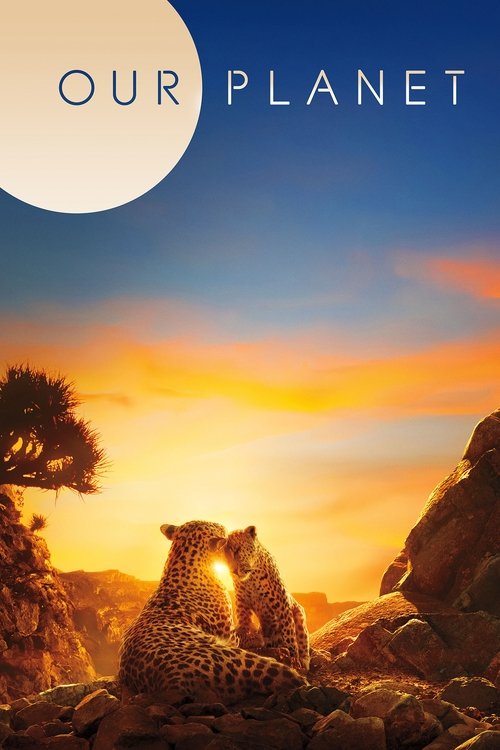
Experience our planet's natural beauty and examine how climate change impacts all living creatures in this ambitious documentary of spectacular scope.
Our Planet
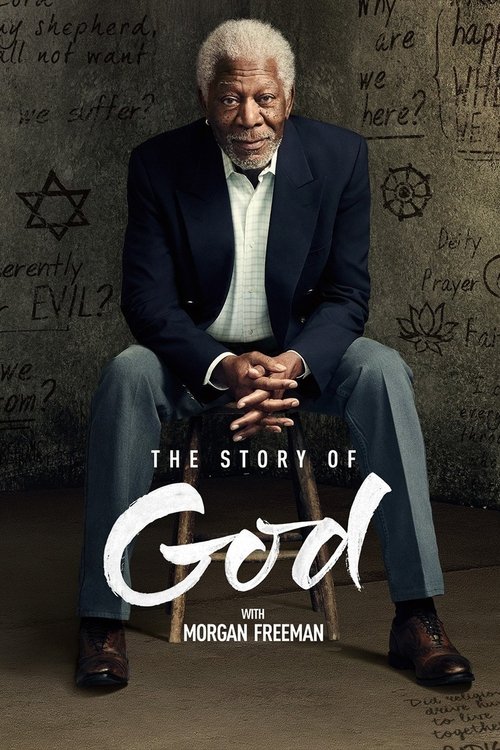
Morgan Freeman presents his quest in order to find how most religions perceive life after death, what different civilizations thought about the act of creation and other big questions that mankind has continuously asked.
The Story of God with Morgan Freeman
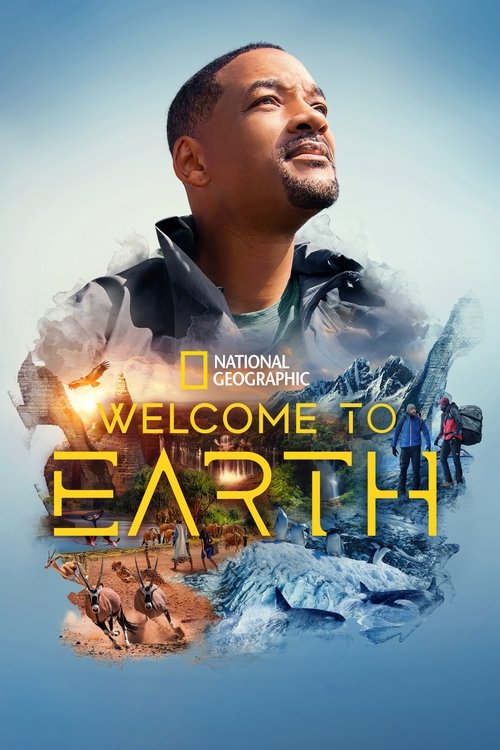
Will Smith whose curiosity and wonder is positively infectious—is guided by National Geographic Explorers traveling to different corners of the world to get up close and personal with the weirdest, most unusual, dangerous and thrilling spectacles of the planet.
Welcome to Earth
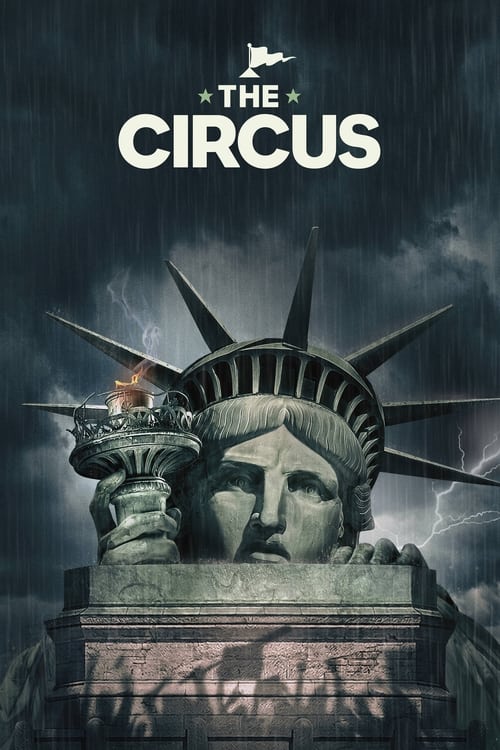
Come one, come all to The Circus. This real-time documentary series pulls back the curtain on the current political stories, revealing the intense, inspiring and infuriating stories behind the headlines. Key characters and events are presented in real time, as they are happening.
The Circus
Filmed across six continents, this docuseries uses cutting-edge camera technology to capture animals' nocturnal lives, revealing new behaviours filmed in full color like never before.
Earth at Night in Colour
Journalist and writer Graham Hancock travels the globe hunting for evidence of mysterious, lost civilizations dating back to the last Ice Age. He attempts to prove that a climatic event 12,000 years ago wiped out an entire civilization far more sophisticated than the simple hunter-gatherers some archaeologists believe lived at that time.
Ancient Apocalypse
Journeying to the far reaches of our planet, this eight part series follows some of the world's most amazing species, telling extraordinary stories that are dramatic, thrilling, funny and sometimes heart-breaking, but always full of hope.
Planet Earth III

Have you ever wondered how the products you use every day are made? How It's Made leads you through the process of how everyday products, such as apple juice, skateboards, engines, contact lenses, and many more objects are manufactured.
How It's Made
David Attenborough presents a documentary series exploring how animals meet the challenges of surviving in the most iconic habitats on earth.
Planet Earth II

This compelling series investigates the motives and m.o. of female murderers. While males are often driven by anger, impulse and destruction, women usually have more complex, long-term reasons to kill.
Deadly Women
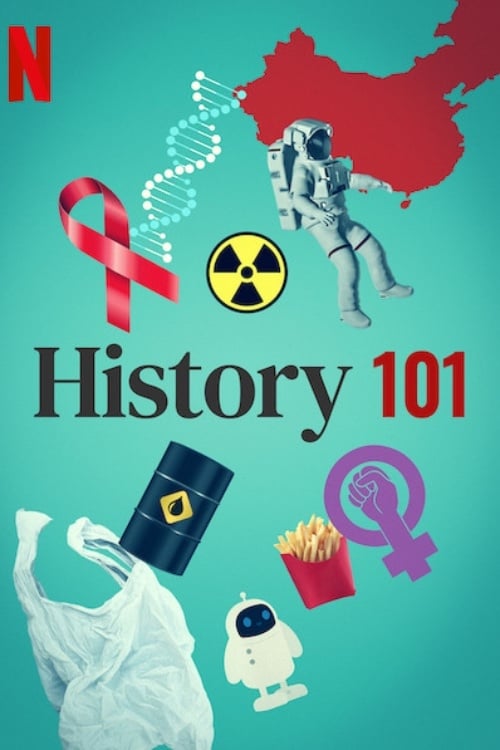
Infographics and archival footage deliver bite-size history lessons on scientific breakthroughs, social movements and world-changing discoveries.
History 101

An insider's look at the engineering and scientific miracles behind the things that form the modern world.
How Do They Do It?
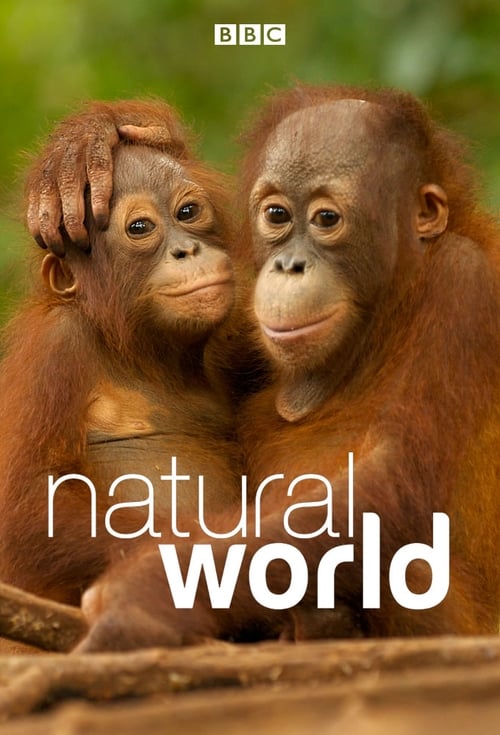
Natural World is a nature documentary television series broadcast annually on BBC Two and regarded by the BBC as its flagship natural history brand. It is currently the longest-running series in its genre on British television, with more than 400 episodes broadcast since its inception in 1983. Natural World is produced by the BBC Natural History Unit in Bristol, but individual programmes can be in-house productions, collaborative productions with other broadcasters or films made and distributed by independent production companies and purchased by the BBC. Natural World programmes are often broadcast as PBS Nature episodes in the USA. Since 2008, most Natural World programmes have been shot and broadcast in high definition.
Natural World

Biography is a documentary television series. It was originally a half-hour filmed series produced for CBS by David Wolper from 1961 to 1964 and hosted by Mike Wallace. The A&E Network later re-ran it and has produced new episodes since 1987. The older version featured historical figures such as Helen Keller and Mark Twain, or long-dead entertainment figures such as Will Rogers or John Barrymore. The A&E series has placed the emphasis on such people as Marilyn Monroe, Elvis Presley, Plácido Domingo, Freddie Mercury, Jacqueline Kennedy Onassis, Eric Clapton, Pope John Paul II, Gene Tierney, Selena, Diego Rivera, Mao Zedong and Queen Elizabeth II, and fictional characters like The Phantom, Superman, Hamlet, Betty Boop, and Santa Claus. The program ended up profiling enough figures that in 1999, A&E spun it off into an entire network, The Biography Channel.
Biography
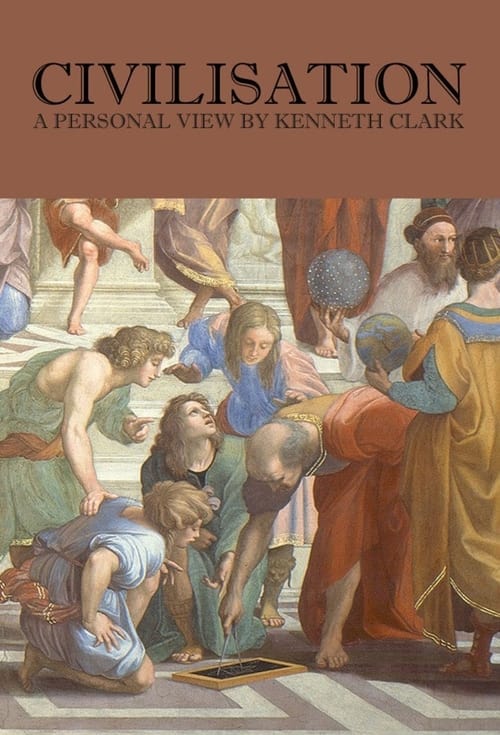
Sir Kenneth Clark guides us through the ages exploring the glorious rise of civilisation in western man. Beginning with the bleakness of the dark ages to the present day, we consider civilisation's articulations and expressions in some of man's finest works of art.
Civilisation
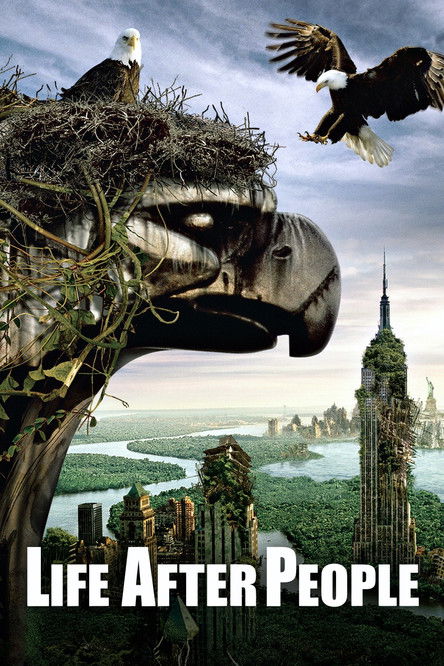
Life After People is a television series on which scientists, structural engineers, and other experts speculate about what might become of Earth should humanity instantly disappear. The featured experts also talk about the impact of human extinction on the environment, and the vestiges of civilization thus left behind.
Life After People: The Series
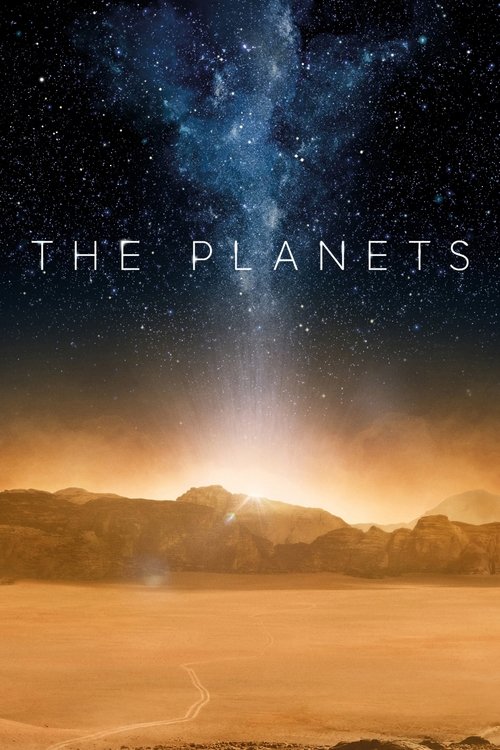
Professor Brian Cox explores the dramatic lives of the eight majestic planets/worlds that make up our solar system.