
Synopsis
Episodes
You might also like
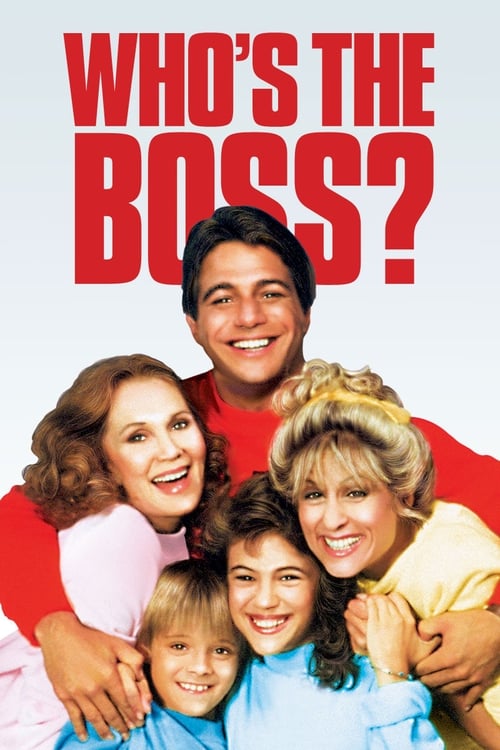
A former professional baseball player, along with his preteen daughter, moves into New York advertising executive Angela Bower's house to be both a housekeeper and a father figure to her young son. Tony 's laid-back personality contrasts with Angela's type-A behavior.
Who's the Boss?
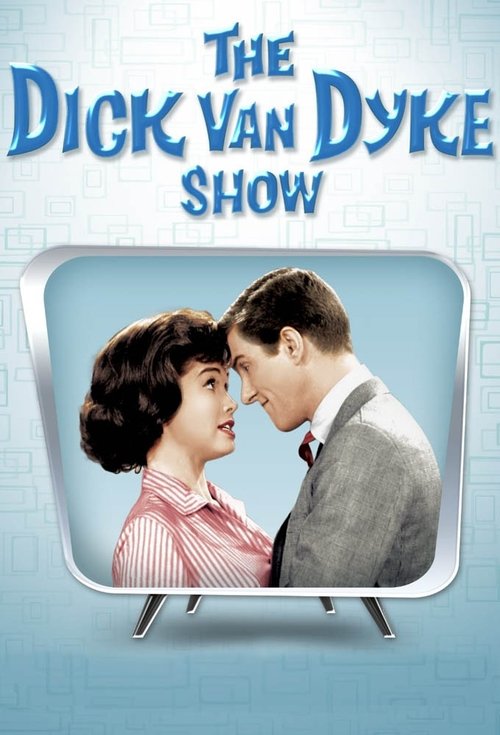
The Dick Van Dyke Show centers around the work and home life of television comedy writer Rob Petrie. The plots generally revolve around problems at work, where Rob got into various comedic jams with fellow writers Buddy Sorrell, Sally Rogers and producer Mel Cooley.
The Dick Van Dyke Show
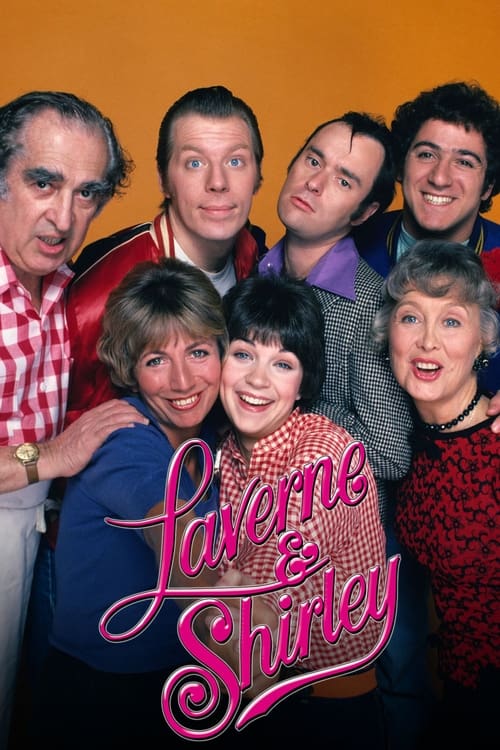
Best friends, roommates, and polar opposites, Laverne DeFazio and Shirley Feeney work together at the Shotz Brewery in Milwaukee and keep each other's spirits up at home.
Laverne & Shirley

The misadventures of a divorced mother, two teenage daughters, and new building superintendent in Indianapolis.
One Day at a Time
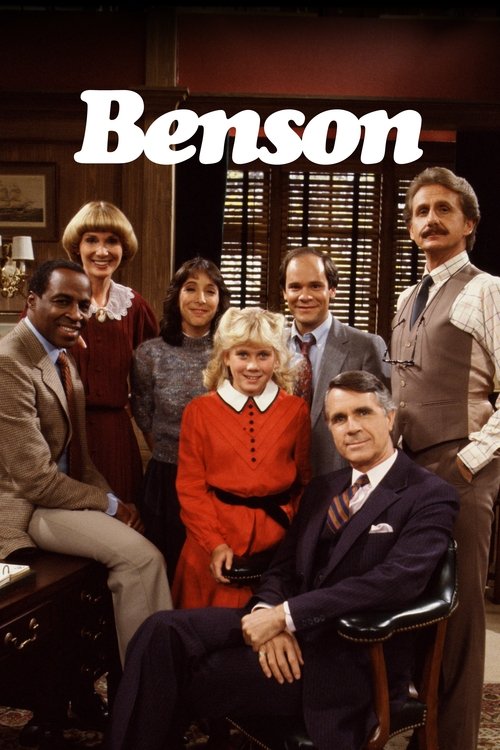
A butler deals with life at the governor's mansion.
Benson
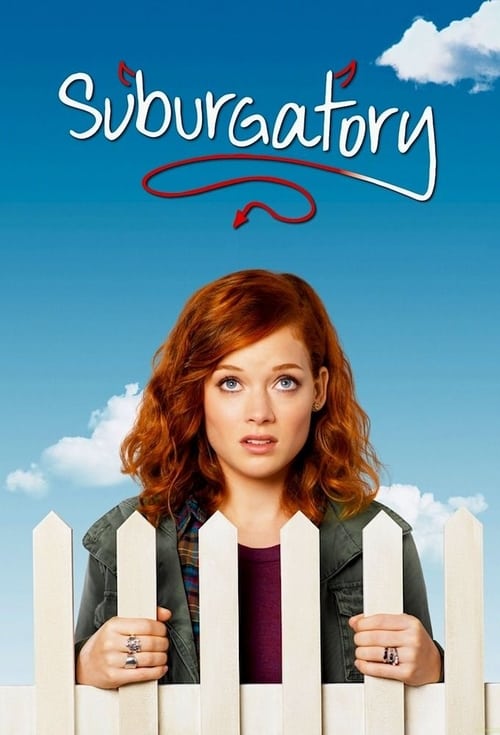
Single father George Altman is doing his best to raise his sixteen-year-old daughter Tessa in the big city. When he discovers a box of condoms in her bedroom, though, he decides the time has come to move her to a more wholesome and nurturing environment: the suburbs. But behind the beautiful homes and perfect lawns lurk the Franken-moms, spray tans, nose jobs, and Red Bull-guzzling teens who have nothing in common with Tessa. It’s a whole new world, one that makes George wonder if they haven’t jumped out of the frying pan and into the fire.
Suburgatory
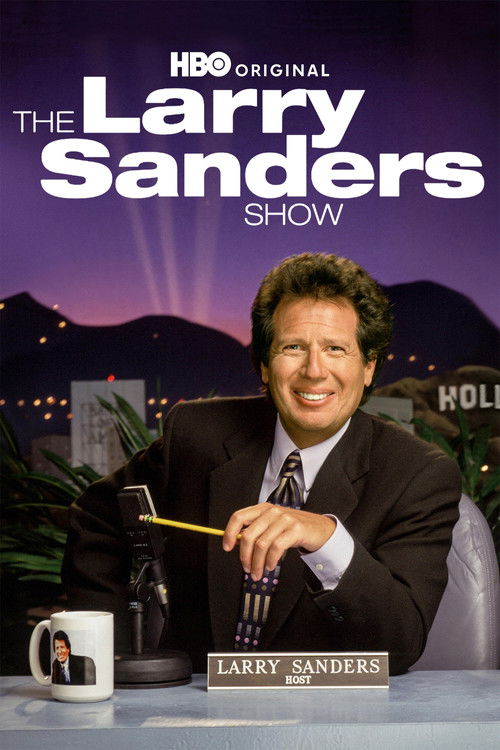
Comic Garry Shandling draws upon his own talk show experiences to create the character of Larry Sanders, a paranoid, insecure host of a late night talk show. Larry, along with his obsequious TV sidekick Hank Kingsley and his fiercely protective producer Artie, allows Garry Shandling and his talented writers to look behind the scenes and to show us a convincing slice of behind the camera life.
The Larry Sanders Show
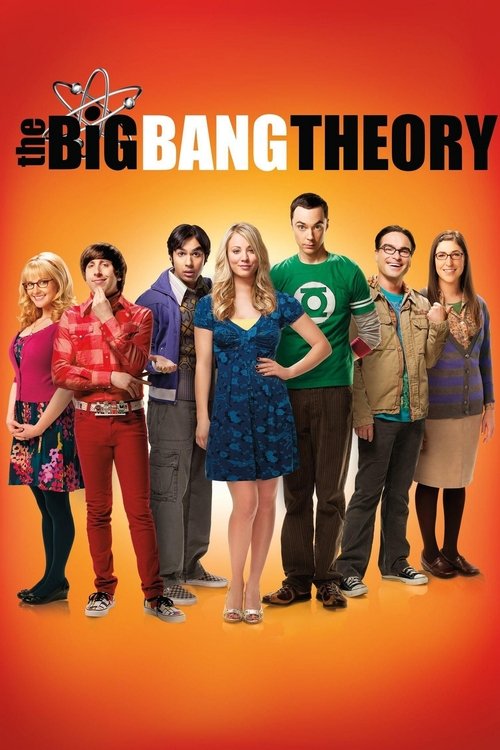
Physicists Leonard and Sheldon find their nerd-centric social circle with pals Howard and Raj expanding when aspiring actress Penny moves in next door.
The Big Bang Theory
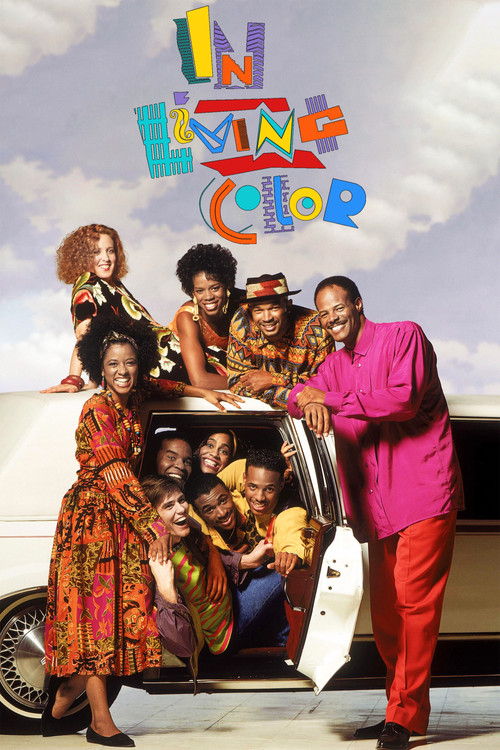
Created by stars Keenen Ivory Wayans and Damon Wayans, this Emmy-winning sketch series offers cutting-edge satire and features a host of talent, including Jamie Foxx, Jim Carrey, David Alan Grier and Tommy Davidson.
In Living Color

Nick Cannon and an A-list celebrity lead a team of improv comedians as they compete against each other.
Nick Cannon Presents: Wild 'N Out
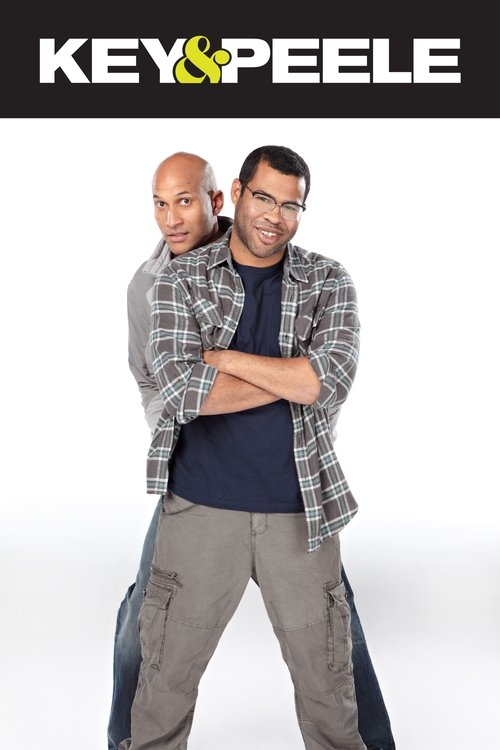
Key & Peele is an American sketch comedy television show. It stars Keegan-Michael Key and Jordan Peele, both former cast members of MADtv. Each episode of the show consists of several pre-taped sketches starring the two actors, introduced by Key and Peele in front of a live studio audience.
Key & Peele
That Girl is an American sitcom that ran on ABC from 1966 to 1971. It stars Marlo Thomas as the title character Ann Marie, an aspiring actress, who moves from her hometown of Brewster, New York to try to make it big in New York City. Ann has to take a number of offbeat "temp" jobs to support herself in between her various auditions and bit parts. Ted Bessell played her boyfriend Donald Hollinger, a writer for Newsview Magazine; Lew Parker and Rosemary DeCamp played Lew Marie and Helen Marie, her concerned parents. Bernie Kopell, Ruth Buzzi and Reva Rose played Ann and Donald's friends. That Girl was developed by writers Bill Persky and Sam Denoff, who had served as head writers on The Dick Van Dyke Show earlier in the 1960s.
That Girl

Thelma Harper and her spinster sister Fran open their home to Thelma's recently divorced son Vinton and his teenage son and daughter. It's quite an adjustment for everyone, especially the cranky, argumentative Thelma.
Mama's Family
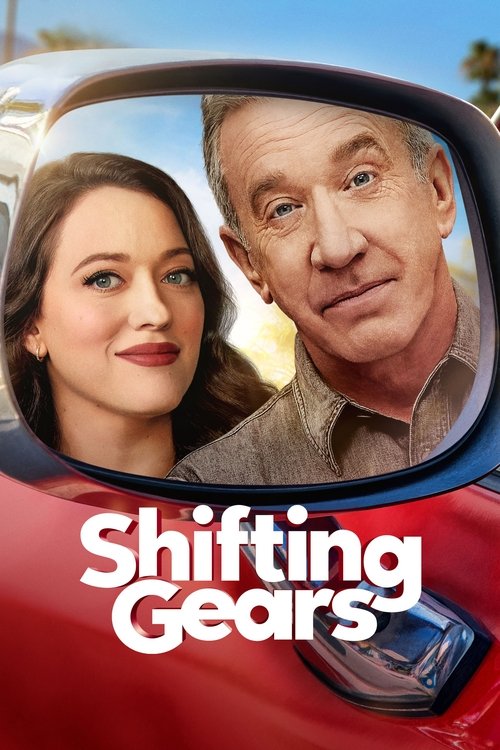
Matt is a stubborn, widowed owner of a classic car restoration shop. When Matt's estranged daughter Riley and her teenage kids move into his house, the real restoration begins.
Shifting Gears

Julio Torres spins a fantastical tale of when he lost a gold oyster earring. In his search to find the precious object, Julio reflects on the offbeat characters he encounters in introspective, often eerie, and always comedic vignettes set in a dreamy, alternate version of New York City.
Fantasmas
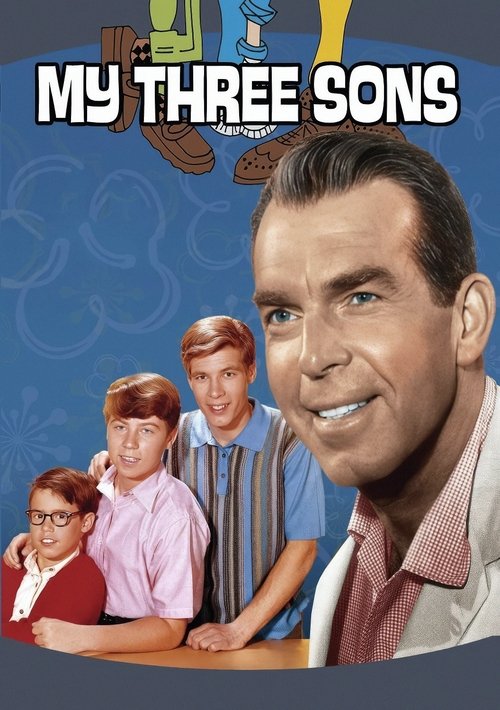
A widower and aeronautical engineer named Steven Douglas raises three sons with the help of his father-in-law, and later the boys' great-uncle. An adopted son, a stepdaughter, wives, and another generation of sons join the loving family in later seasons.
My Three Sons
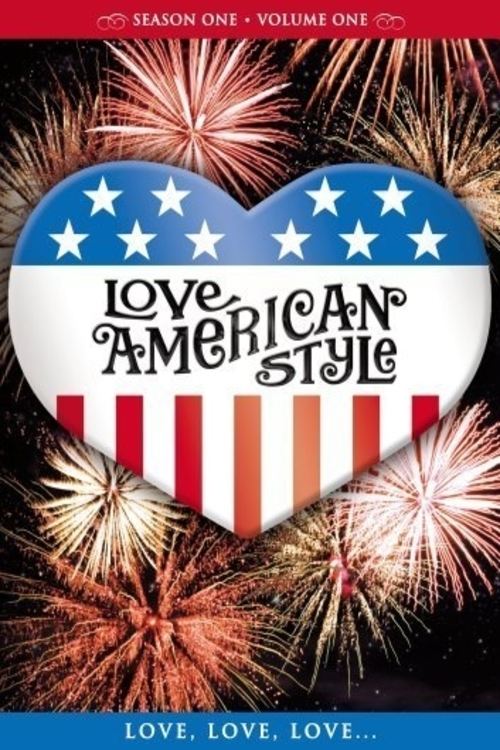
An anthology comedy series featuring a line up of different celebrity guest stars appearing in anywhere from one, two, three, and four short stories or vignettes within an hour about versions of love and romance.
Love, American Style
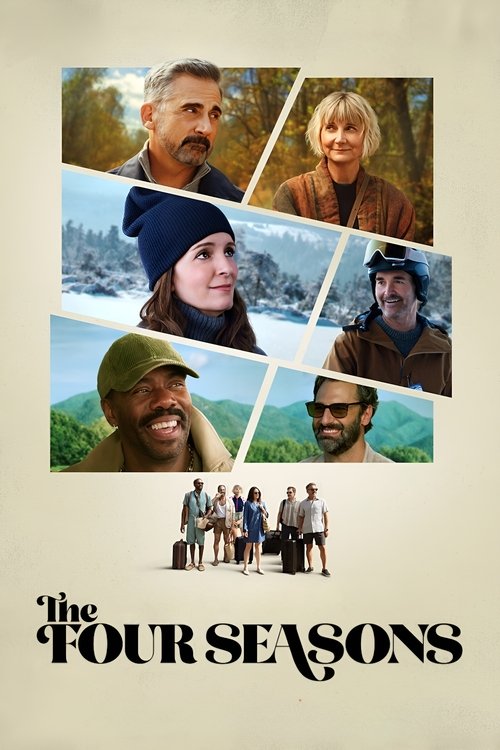
The decades-long friendship between three married couples is tested when one divorces, complicating their tradition of quarterly weekend getaways.
The Four Seasons
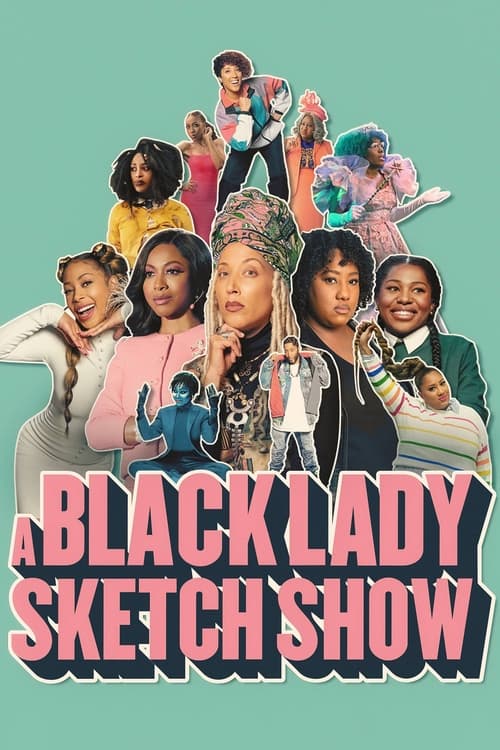
A narrative series set in a limitless magical reality full of dynamic, hilarious characters and celebrity guests presenting sketches performed by a core cast of black women.
A Black Lady Sketch Show
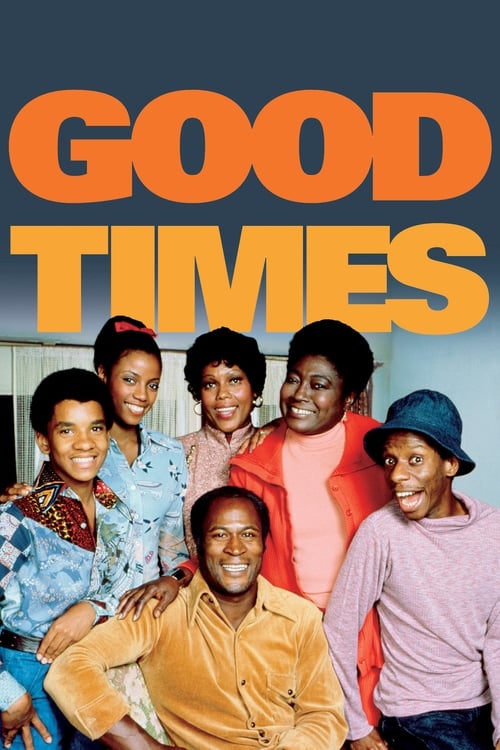
Good Times is an American sitcom that originally aired from February 8, 1974, until August 1, 1979, on the CBS television network. It was created by Eric Monte and Mike Evans, and developed by Norman Lear, the series' primary executive producer. Good Times is a spin-off of Maude, which is itself a spin-off of All in the Family along with The Jeffersons. The series is set in Chicago. The first two seasons were taped at CBS Television City in Hollywood. In the fall of 1975, the show moved to Metromedia Square, where Norman Lear's own production company was housed.