Synopsis
Episodes
You might also like
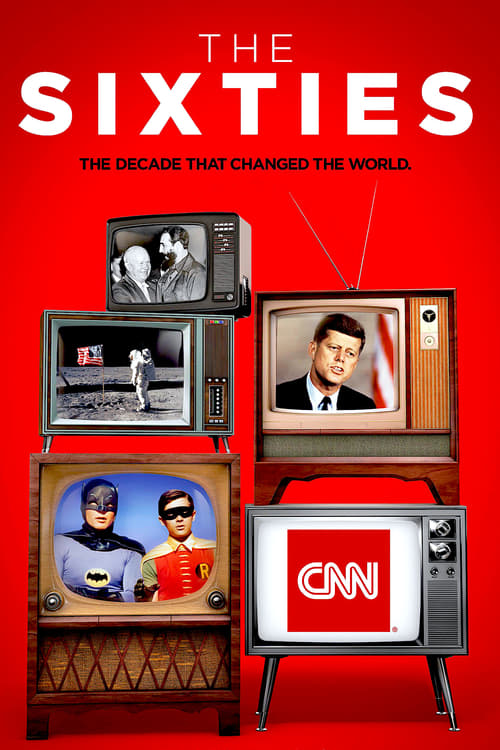
The space race, the cold war, "free love," civil rights and more: The decade of the 1960s shaped our history -- and changed the world. In collaboration with Tom Hanks, Gary Goetzman and Mark Herzog, CNN explores perhaps the most transformative decade of the modern era in a 10-part documentary series and brings new insights into how those events shaped today.
The Sixties
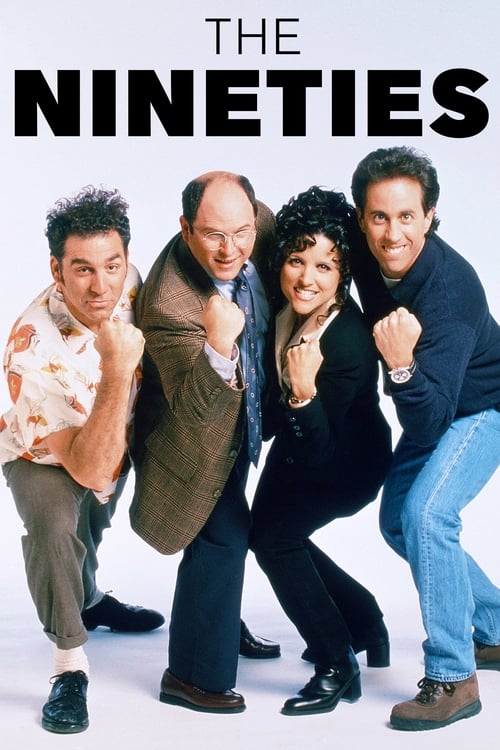
Hit rewind and explore the most iconic moments and influential people of The Nineties, the decade that gave us the Internet, DVDs, and other cultural and political milestones.
The Nineties
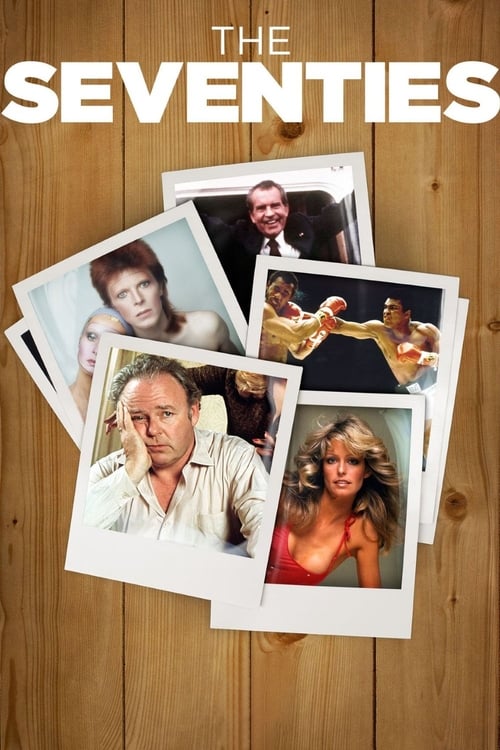
A documentary series focusing on the ongoing Vietnam War, the Watergate scandal, evolving music industry, the Iran Hostage Crisis, the sexual revolution, and the rise of foreign and domestic terrorism.
The Seventies

The third installment from executive producers Tom Hanks, Gary Goetzman and Mark Herzog, following in the footsteps of critically-acclaimed series THE SIXTIES and THE SEVENTIES, tackles 10 years shaped by exceptionalism and excess. Like its predecessors, THE EIGHTIES intersperses rare archival newsreel footage, interviews, and comments by historians, journalists, politicians, celebrities and others, painting a perspective-rich picture of a vibrant decade. Episodes examine the age of Reagan, the AIDS crisis, the end of the Cold War, Wall Street corruption, the evolving TV and music scene, and everything in between.
The Eighties
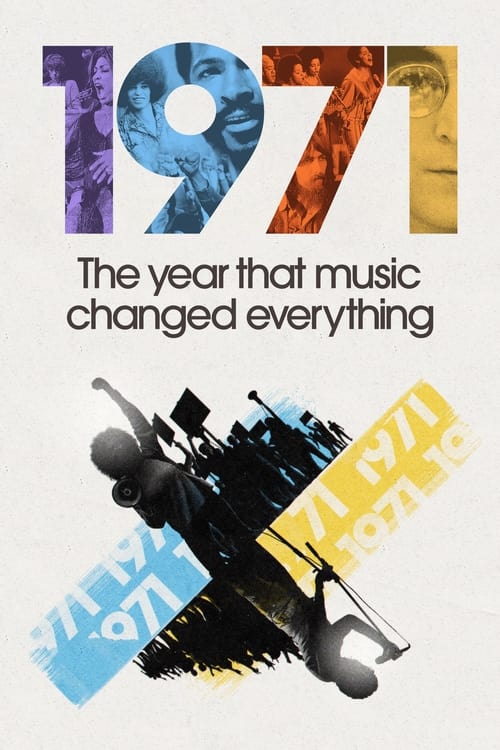
In a tumultuous era, 1971 was a year of musical innovation and rebirth fueled by the political and cultural upheaval of the time. Stars reached new heights, fresh talent exploded onto the scene, and boundaries expanded like never before.
1971: The Year That Music Changed Everything
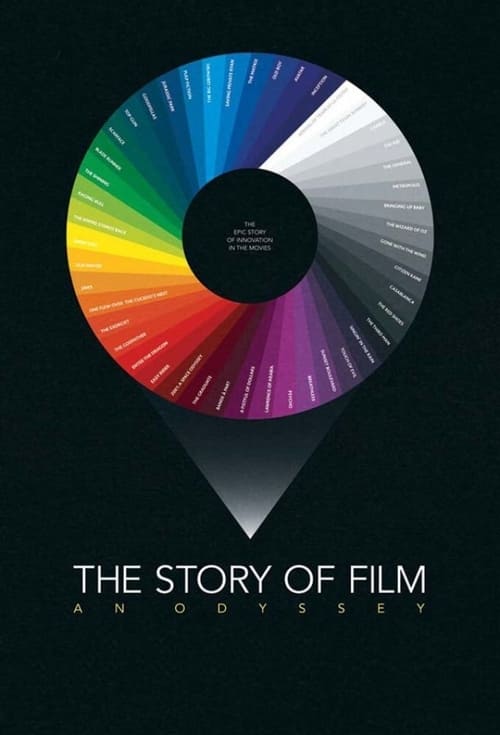
A worldwide guided tour of the greatest movies ever made and the story of international cinema through the history of cinematic innovation.
The Story of Film: An Odyssey

Motoring programme featuring reviews of and reports about cars of all types.
Top Gear
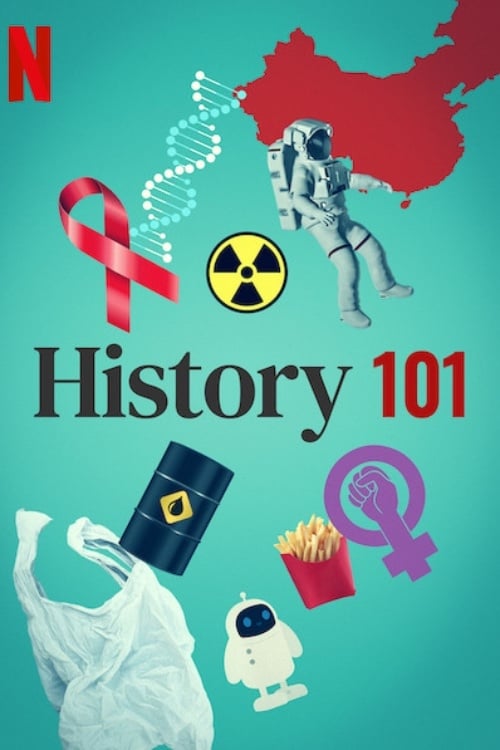
Infographics and archival footage deliver bite-size history lessons on scientific breakthroughs, social movements and world-changing discoveries.
History 101
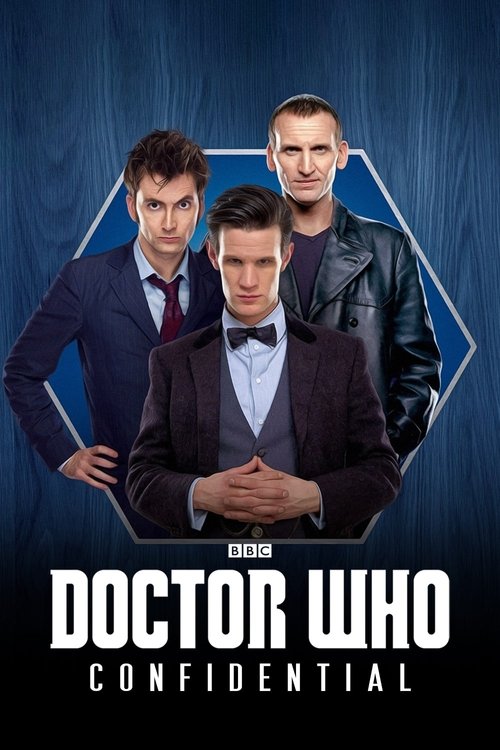
Doctor Who Confidential is a documentary to complement the revival of the long-running British science fiction television series Doctor Who. Each episode was broadcast on BBC Three on Saturdays, immediately after the broadcast of the weekly television episode on BBC One. The running time of the first two series was 30 minutes, being extended to 45 minutes in the third. BBC Three also broadcast a cut-down edition of the programme, lasting 15 minutes, shown after the repeats on Sundays and Fridays and after the weekday evening repeats of earlier seasons.
Doctor Who Confidential
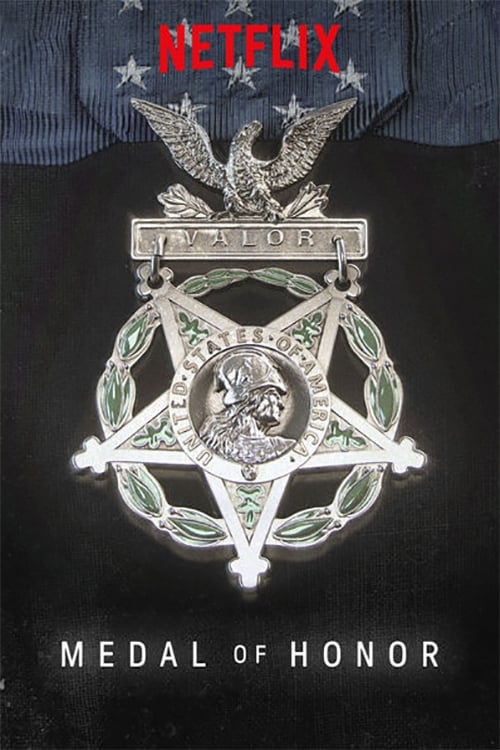
Honoring service members whose courage merited the awarding of a Medal of Honor, this docudrama series re-creates their inspiring true stories.
Medal of Honor

This compelling series investigates the motives and m.o. of female murderers. While males are often driven by anger, impulse and destruction, women usually have more complex, long-term reasons to kill.
Deadly Women

Biography is a documentary television series. It was originally a half-hour filmed series produced for CBS by David Wolper from 1961 to 1964 and hosted by Mike Wallace. The A&E Network later re-ran it and has produced new episodes since 1987. The older version featured historical figures such as Helen Keller and Mark Twain, or long-dead entertainment figures such as Will Rogers or John Barrymore. The A&E series has placed the emphasis on such people as Marilyn Monroe, Elvis Presley, Plácido Domingo, Freddie Mercury, Jacqueline Kennedy Onassis, Eric Clapton, Pope John Paul II, Gene Tierney, Selena, Diego Rivera, Mao Zedong and Queen Elizabeth II, and fictional characters like The Phantom, Superman, Hamlet, Betty Boop, and Santa Claus. The program ended up profiling enough figures that in 1999, A&E spun it off into an entire network, The Biography Channel.
Biography

These blockbusters brought us together and gave us the time of our lives. Meet the actors, directors and industry insiders who made them happen.
The Movies That Made Us
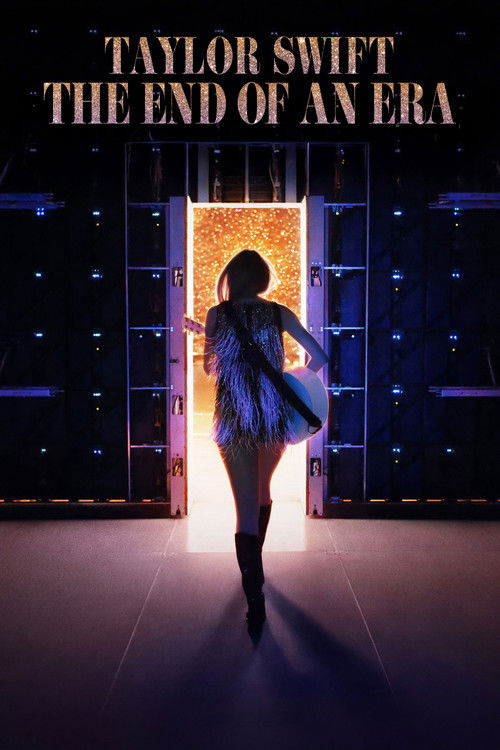
A behind-the-scenes docuseries event chronicling the development, impact, and inner workings that created the phenomenon that was Taylor Swift | The Eras Tour, as well as providing an intimate look at Taylor's life as her tour made headlines and thrilled fans around the world. The series also spotlights performers, family members, and friends — including Gracie Abrams, Sabrina Carpenter, Ed Sheeran, and Florence Welch — offering never-before-seen insight into what it took to create a phenomenon.
The End of an Era
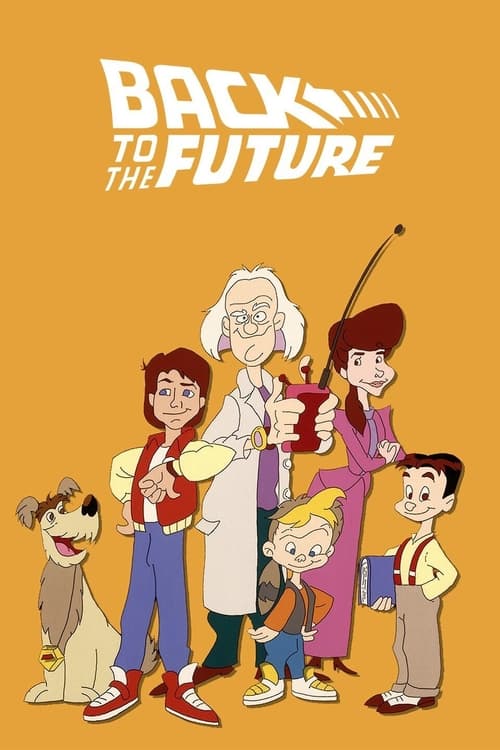
An animated series for television based on the Back to the Future trilogy of feature films. Based on the highly successful Back to the Future movie trilogy, this series is set, um, "after" the events of the last film, as the adventures of Marty McFly and Doc Brown in their DeLorean time machine continue. Joining the ride is Clara, (Doc's wife from Back To The Future Part III,) Jules and Verne (their sons) Einstein the dog and Jennifer (Marty's girlfriend). And apparently there's a Tannen in every time as relatives of Biff keep popping up, and creating conflict. Mary Steenburgen and Tom Wilson reprise their roles from the movies. During live portions of the show, Christopher Lloyd reprised his role as Doc Brown and was joined by Bill Nye, who conducted experiments that were used in the show.
Back to the Future
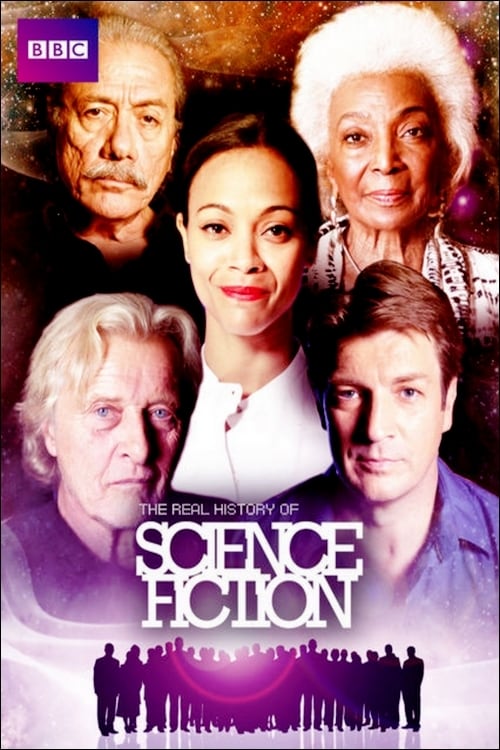
The series heads to the very frontiers of space and science to produce the definitive television history of science fiction, told through its impact on cinema, television and literature, with the help of filmmakers, writers, actors, and graphic artists. Each episode will explore one of the enduring themes of science fiction: time travel; the exploration of space; robots and artificial intelligence; and aliens.
The Real History of Science Fiction
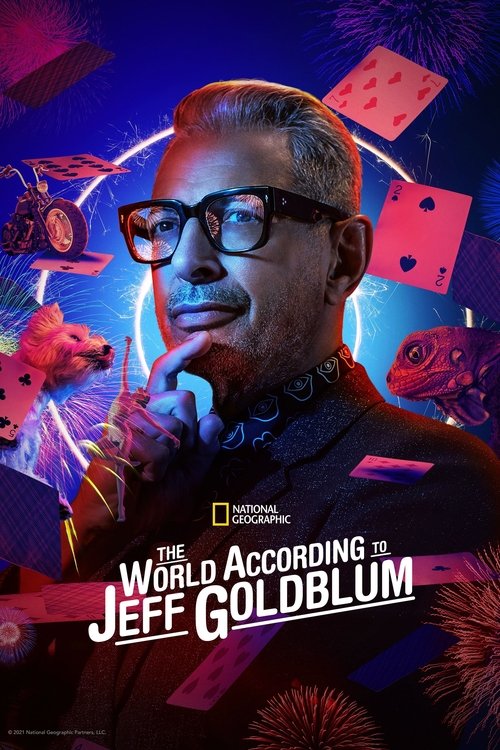
Through the prism of Jeff Goldblum's always inquisitive and highly entertaining mind, nothing is as it seems. Each episode is centered around something we all love — like sneakers or ice cream — as Jeff pulls the thread on these deceptively familiar objects and unravels a wonderful world of astonishing connections, fascinating science and history, amazing people, and a whole lot of surprising big ideas and insights.
The World According to Jeff Goldblum
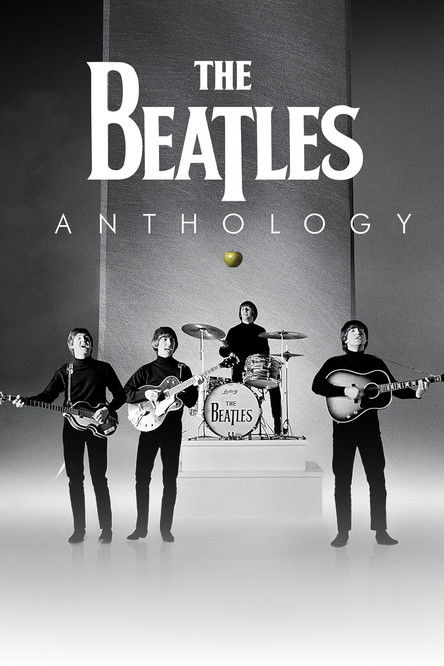
A documentary series on the career of The Beatles.
The Beatles Anthology

Best friends Ewan McGregor and Charley Boorman gear up for their fourth Long Way series—this time going from Ewan's home in Scotland to Charley's in England. They'll take the scenic route, of course, through 17 European countries on cranky old bikes.
Long Way Home
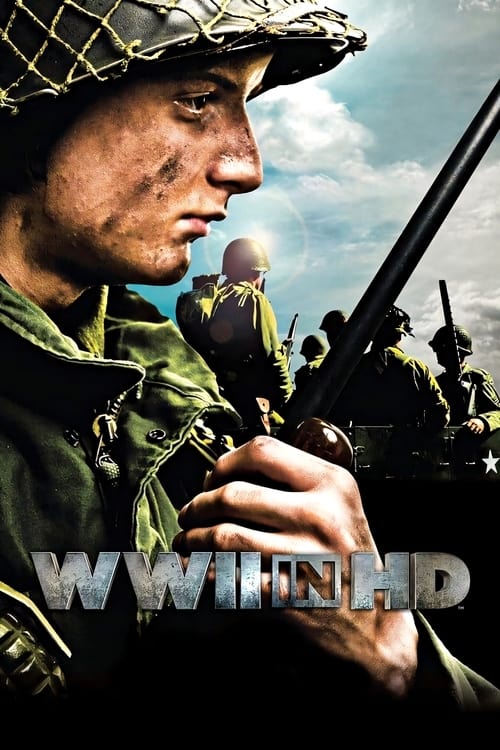
WWII in HD is a 10-part American documentary television miniseries that originally aired from November 15 to November 19, 2009 on the History Channel. The program focuses on the firsthand experiences of twelve American service members during World War II, including an Army nurse, a member of the Tuskegee Airmen, a second generation Japanese American and prisoner of war, and an Austrian Jewish immigrant. The twelve members recorded their time in both theaters and some had later interviews; found footage from the battlefield was paired with the stories of the twelve service members. The episodes premiered on five consecutive days, with two episodes per day. The series is narrated by Gary Sinise and was produced by Lou Reda Productions in Easton, Pennsylvania, United States.