
Episodes
You might also like
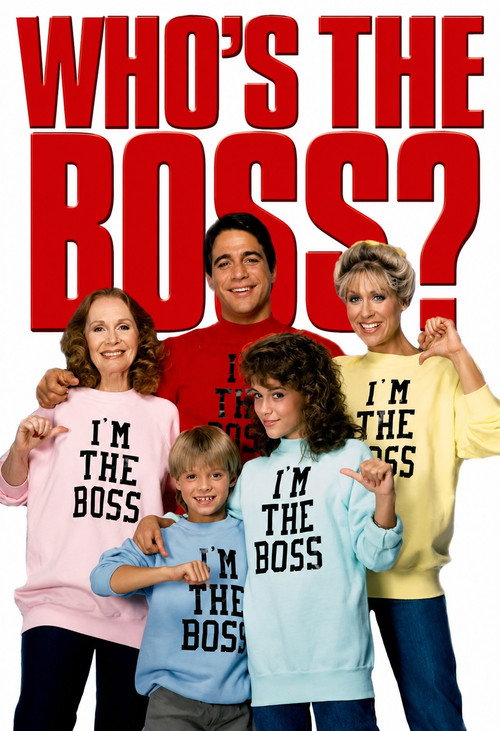
A former professional baseball player, along with his preteen daughter, moves into New York advertising executive Angela Bower's house to be both a housekeeper and a father figure to her young son. Tony 's laid-back personality contrasts with Angela's type-A behavior.
Who's the Boss?
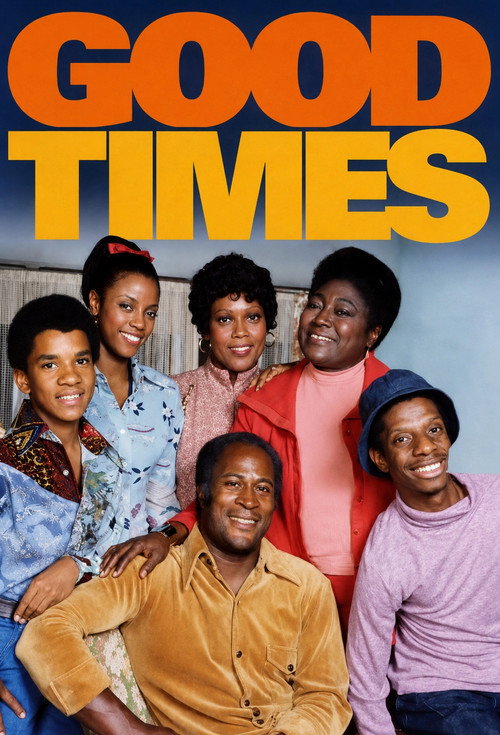
Good Times is an American sitcom that originally aired from February 8, 1974, until August 1, 1979, on the CBS television network. It was created by Eric Monte and Mike Evans, and developed by Norman Lear, the series' primary executive producer. Good Times is a spin-off of Maude, which is itself a spin-off of All in the Family along with The Jeffersons. The series is set in Chicago. The first two seasons were taped at CBS Television City in Hollywood. In the fall of 1975, the show moved to Metromedia Square, where Norman Lear's own production company was housed.
Good Times

Nick Cannon and an A-list celebrity lead a team of improv comedians as they compete against each other.
Nick Cannon Presents: Wild 'N Out

Second City Television is a Canadian television sketch comedy show offshoot from Toronto's Second City troupe that ran between 1976 and 1984.
Second City Television
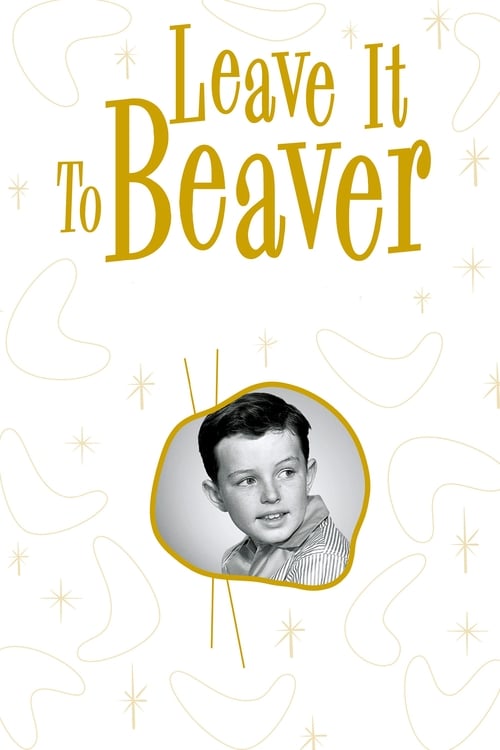
An inquisitive and often naïve boy, Theodore 'The Beaver' Cleaver, has adventures at home, in school, and around his suburban neighborhood. The show also starred Barbara Billingsley and Hugh Beaumont as Beaver's parents, June and Ward Cleaver, and Tony Dow as Beaver's brother Wally. The show has attained an iconic status in the US, with the Cleavers exemplifying the idealized suburban family of the mid-20th century.
Leave It to Beaver
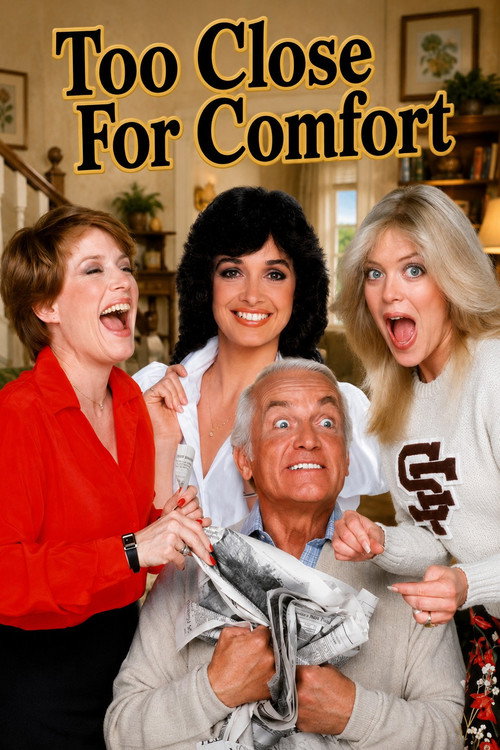
Too Close for Comfort is an American television sitcom which ran on the ABC network from November 11, 1980 until May 5, 1983, and in first-run syndication from April 7, 1984 until September 27, 1986. It was modeled after the British series Keep It in the Family, which premiered nine months before Too Close for Comfort debuted in the U.S. Its name was changed to The Ted Knight Show when the show was retooled for its final season.
Too Close for Comfort
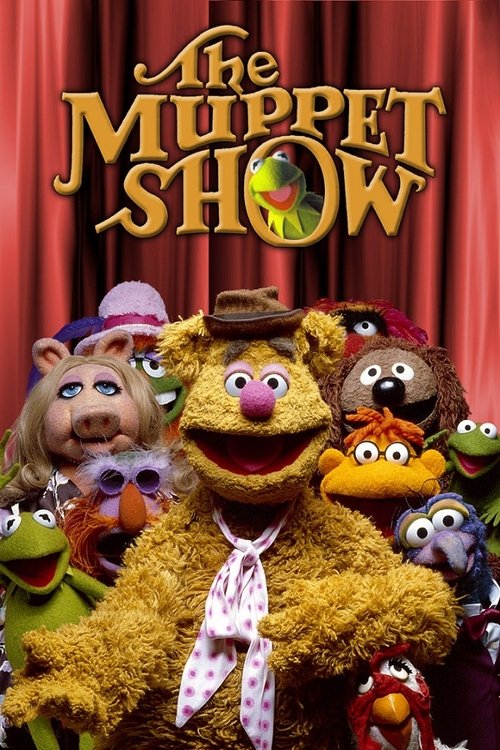
Go behind the curtains as Kermit the Frog and his muppet friends struggle to put on a weekly variety show.
The Muppet Show
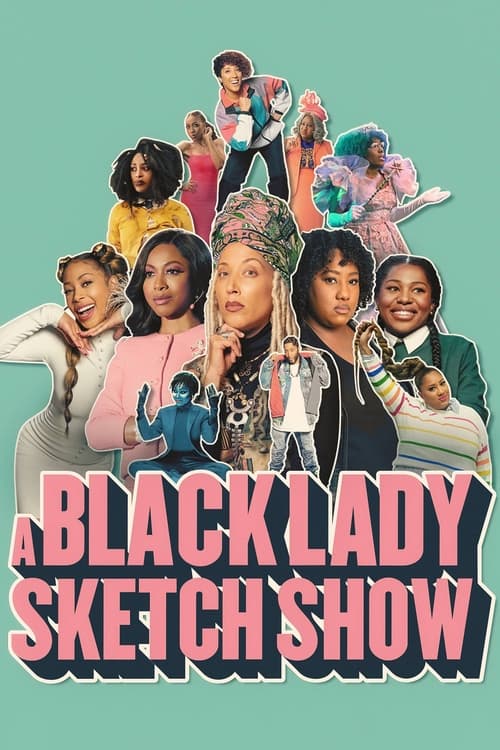
A narrative series set in a limitless magical reality full of dynamic, hilarious characters and celebrity guests presenting sketches performed by a core cast of black women.
A Black Lady Sketch Show
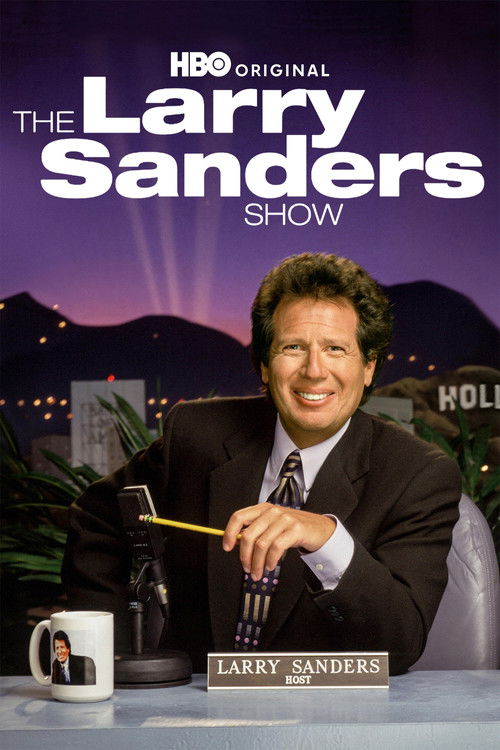
Comic Garry Shandling draws upon his own talk show experiences to create the character of Larry Sanders, a paranoid, insecure host of a late night talk show. Larry, along with his obsequious TV sidekick Hank Kingsley and his fiercely protective producer Artie, allows Garry Shandling and his talented writers to look behind the scenes and to show us a convincing slice of behind the camera life.
The Larry Sanders Show
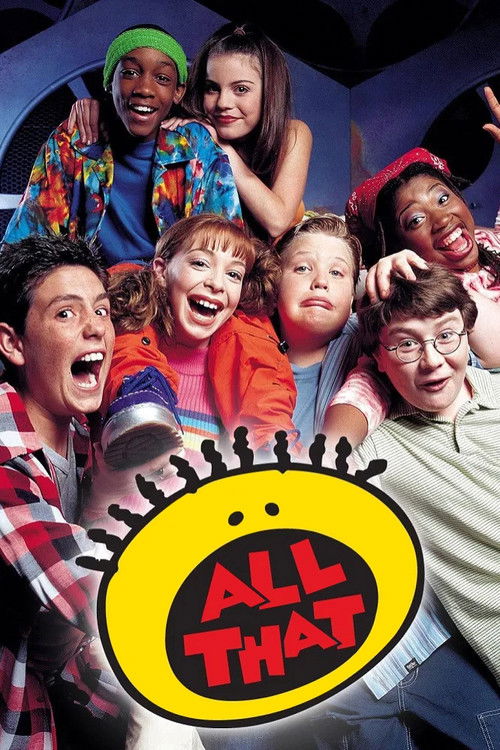
A zany sketch comedy featuring many wacky characters hosted for kids and by kids.
All That
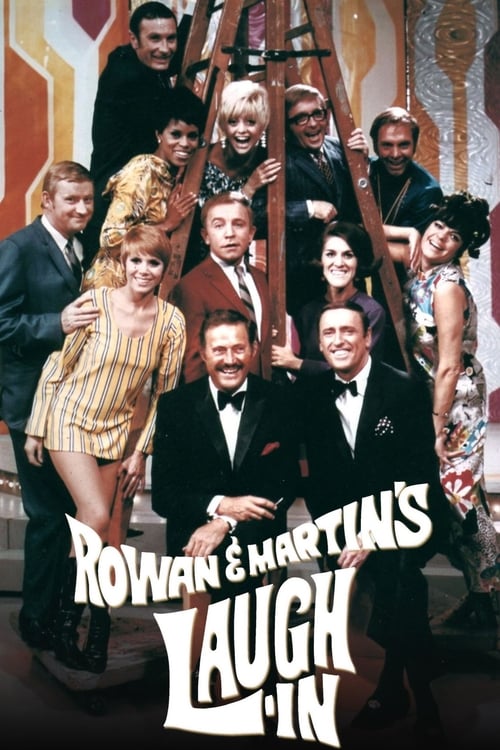
An American sketch comedy television program hosted by comedians Dan Rowan and Dick Martin.
Rowan & Martin's Laugh-In
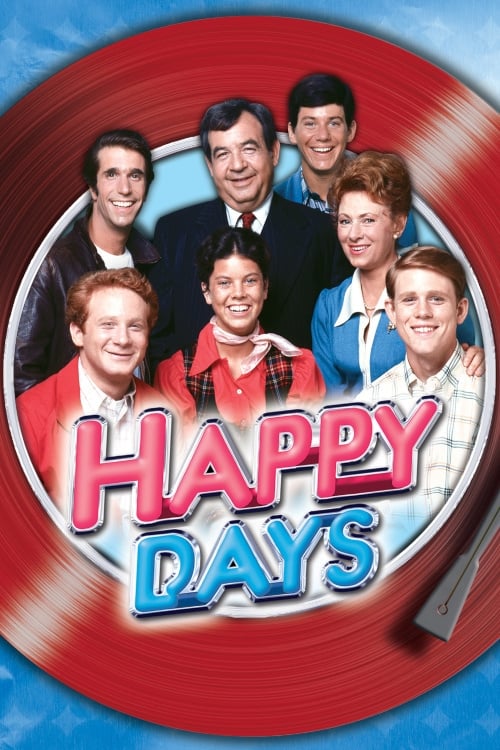
In 1950s Milwaukee the Cunningham family must contend with Fonzie, a motorcycle riding Casanova.
Happy Days
You Can't Do That on Television is a Canadian television program that first aired locally in 1979 before airing internationally in 1981. It featured pre-teen and teenaged actors in a sketch comedy format. Each episode had a theme. The show was notable for launching the careers of many performers, including Alanis Morissette, and writer Bill Prady, who would write and produce shows like The Big Bang Theory, Gilmore Girls and Dharma and Greg. The show was produced by and aired on Ottawa's CTV station CJOH-TV. After production ended in 1990, the show continued in reruns on Nickelodeon through 1994, when it was replaced with the similar All That. The show is synonymous with Nick, and was at that time extremely popular, with the highest ratings overall on the channel. The show is also well known for introducing the network's iconic slime. The program is the subject of the 2004 feature-length documentary, You Can't Do That on Film, directed by David Dillehunt.
You Can't Do That on Television
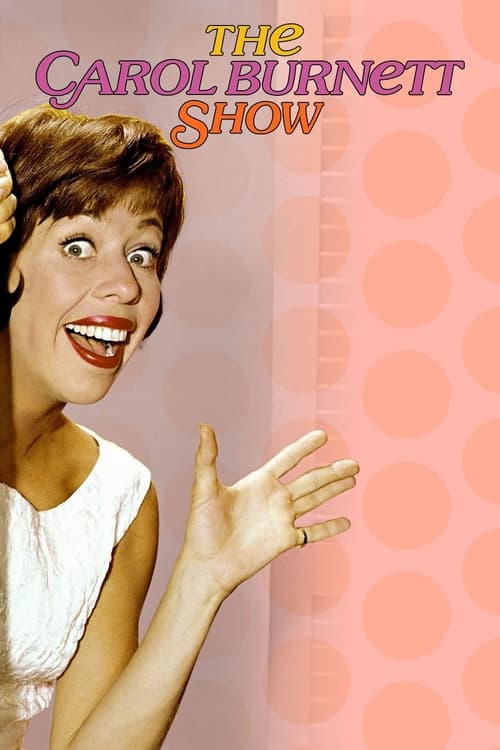
The Carol Burnett Show is an American variety/sketch comedy television show starring Carol Burnett, Harvey Korman, Vicki Lawrence, Lyle Waggoner, and Tim Conway. It originally ran on CBS from September 11, 1967, to March 29, 1978, for 278 episodes and originated from CBS Television City's Studio 33. The series won 25 prime time Emmy Awards, was ranked No. 16 on TV Guide's 50 Greatest TV Shows of All Time in 2002 and in 2007 was listed as one of Time magazine's "100 Best TV Shows of All Time."
The Carol Burnett Show
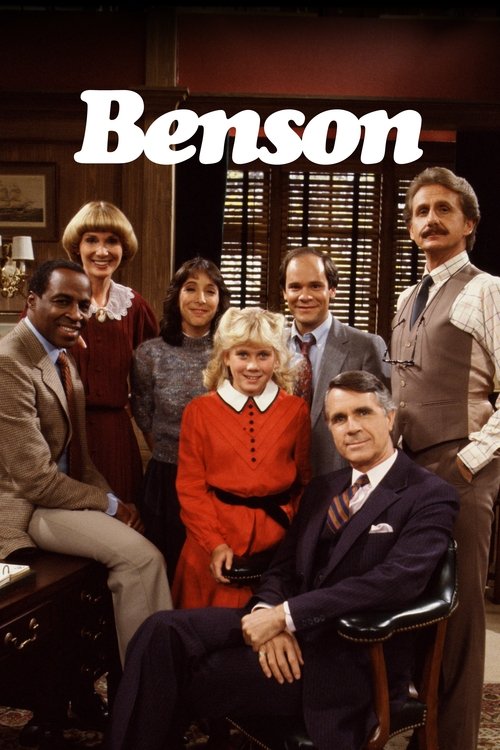
A butler deals with life at the governor's mansion.
Benson

The misadventures of a divorced mother, two teenage daughters, and new building superintendent in Indianapolis.
One Day at a Time
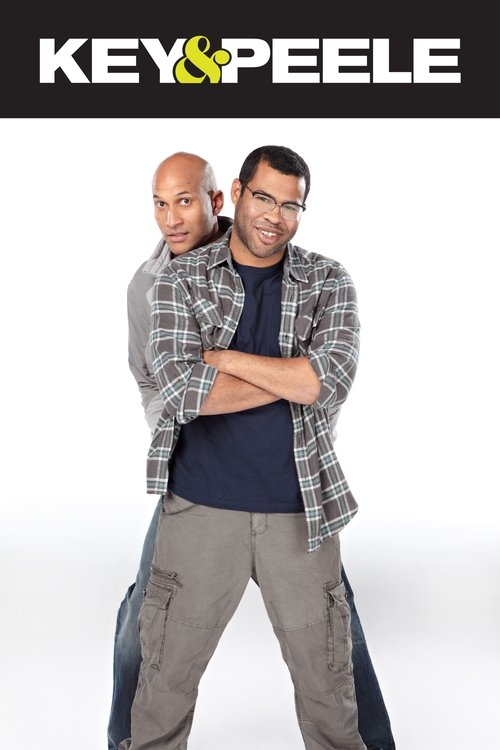
Key & Peele is an American sketch comedy television show. It stars Keegan-Michael Key and Jordan Peele, both former cast members of MADtv. Each episode of the show consists of several pre-taped sketches starring the two actors, introduced by Key and Peele in front of a live studio audience.
Key & Peele
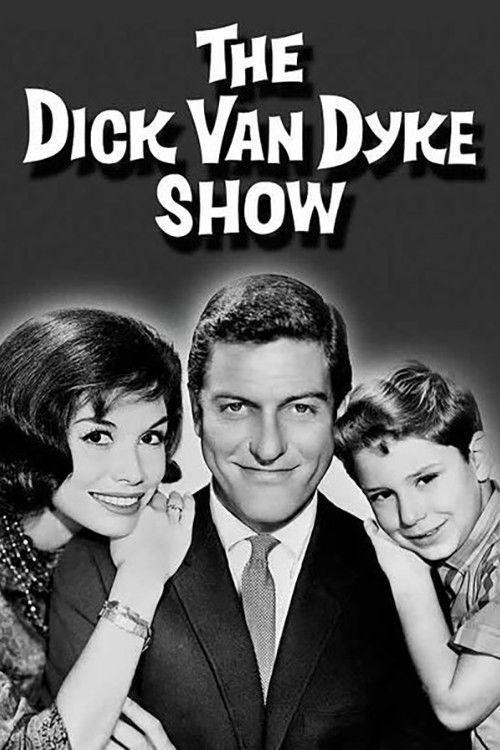
The Dick Van Dyke Show centers around the work and home life of television comedy writer Rob Petrie. The plots generally revolve around problems at work, where Rob got into various comedic jams with fellow writers Buddy Sorrell, Sally Rogers and producer Mel Cooley.
The Dick Van Dyke Show
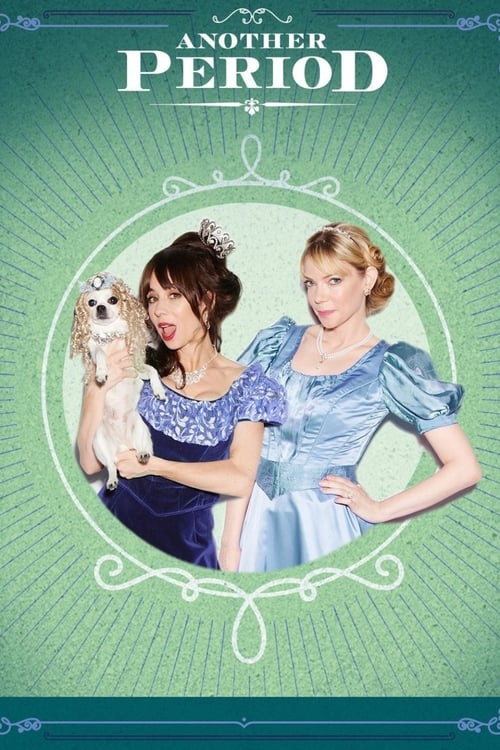
Set at the turn of the century, “Another Period” follows the misadventures of the Bellacourts, Newport, RI’s first family, who have absolutely nothing to offer to the world, but who have so much money it doesn’t matter. The series focuses on sisters “Lillian” and “Beatrice”, who care only about how they look, what parties they attend and becoming famous, which is a lot harder in 1902.
Another Period
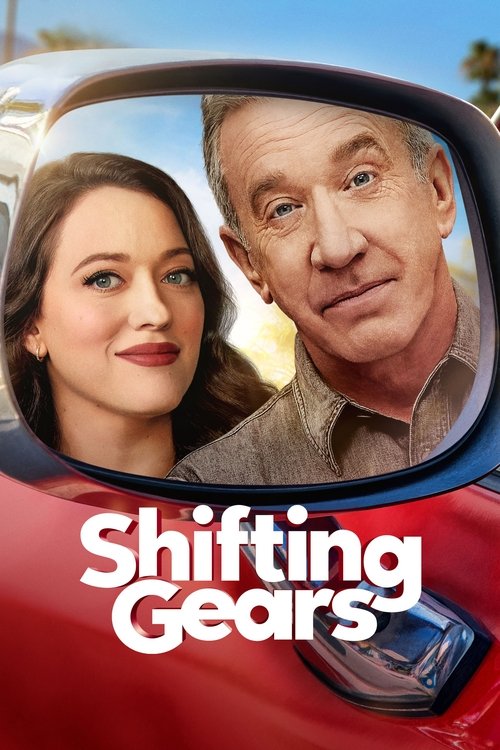
Matt is a stubborn, widowed owner of a classic car restoration shop. When Matt's estranged daughter Riley and her teenage kids move into his house, the real restoration begins.