Synopsis
Episodes
You might also like
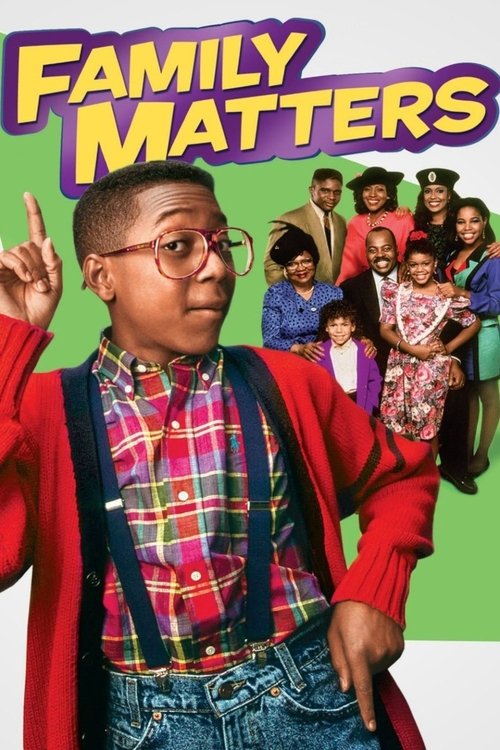
A long-running dramedy centering on the Winslow family, a middle-class African American family living in Chicago, and their pesky next-door neighbor, ultra-nerd Steve Urkel. A spin-off of Perfect Strangers.
Family Matters
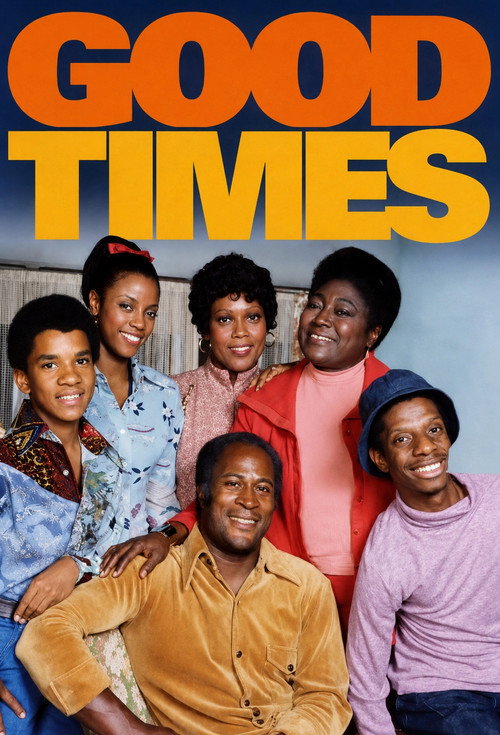
Good Times is an American sitcom that originally aired from February 8, 1974, until August 1, 1979, on the CBS television network. It was created by Eric Monte and Mike Evans, and developed by Norman Lear, the series' primary executive producer. Good Times is a spin-off of Maude, which is itself a spin-off of All in the Family along with The Jeffersons. The series is set in Chicago. The first two seasons were taped at CBS Television City in Hollywood. In the fall of 1975, the show moved to Metromedia Square, where Norman Lear's own production company was housed.
Good Times

The Ed Sullivan Show is an American TV variety show that originally ran on CBS from Sunday June 20, 1948 to Sunday June 6, 1971, and was hosted by New York entertainment columnist Ed Sullivan. It was replaced in September 1971 by the CBS Sunday Night Movie, which ran only one season and was eventually replaced by other shows. In 2002, The Ed Sullivan Show was ranked #15 on TV Guide's 50 Greatest TV Shows of All Time.
The Ed Sullivan Show
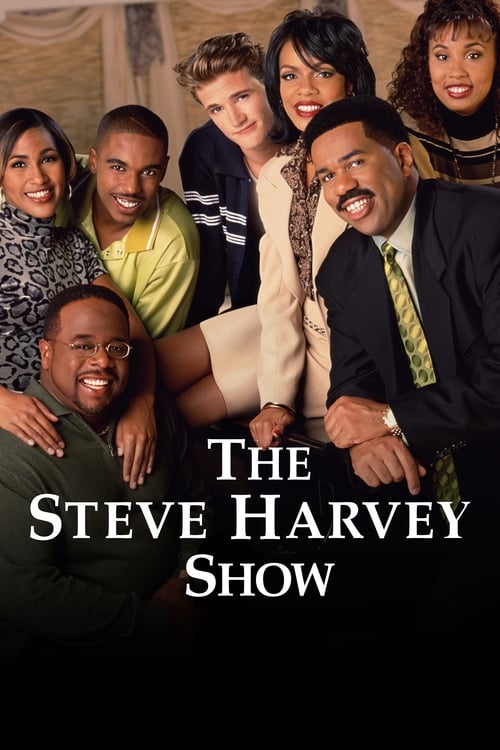
Down on his luck and out of money, former R&B star Steve Hightower lands a music teacher gig at an inner-city Chicago school. Showing who's in charge with his unorthodox approach, Steve discovers a new groove at Washington High School.
The Steve Harvey Show
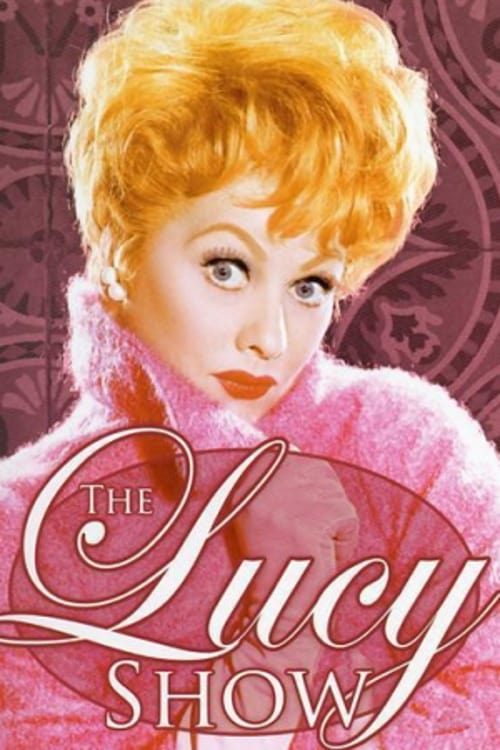
The Lucy Show is an American sitcom that aired on CBS from 1962–68. It was Lucille Ball's follow-up to I Love Lucy. A significant change in cast and premise for the 1965–66 season divides the program into two distinct eras; aside from Ball, only Gale Gordon, who joined the program for its second season, remained. For the first three seasons, Vivian Vance was the co-star. The earliest scripts were entitled The Lucille Ball Show, but when this title was declined, producers thought of calling the show This Is Lucy or The New Adventures of Lucy, before deciding on the title The Lucy Show. Ball won consecutive Emmy Awards as Outstanding Lead Actress in a Comedy Series for the series' final two seasons, 1966–67 and 1967–68.
The Lucy Show
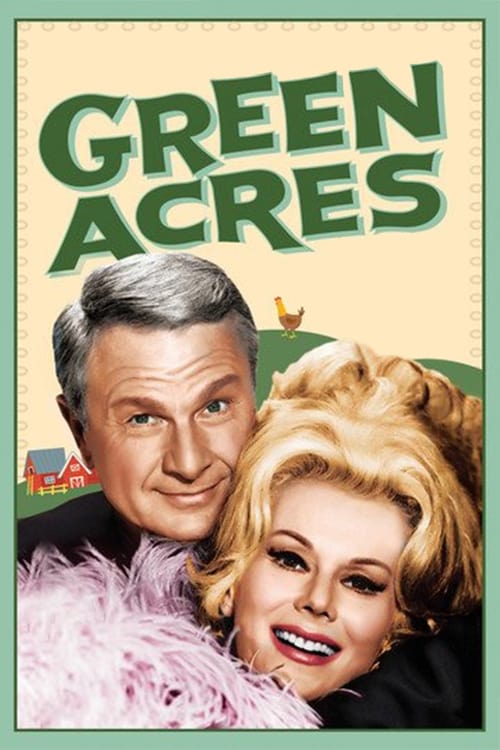
Green Acres is an American sitcom starring Eddie Albert and Eva Gabor as a couple who move from New York City to a rural country farm. Produced by Filmways as a sister show to Petticoat Junction, the series was first broadcast on CBS, from September 15, 1965 to April 27, 1971. Receiving solid ratings during its six-year run, Green Acres was cancelled in 1971 as part of the "rural purge" by CBS. The sitcom has been in syndication and is available in DVD and VHS releases. In 1997, the two-part episode "A Star Named Arnold is Born" was ranked #59 on TV Guide's 100 Greatest Episodes of All Time.
Green Acres
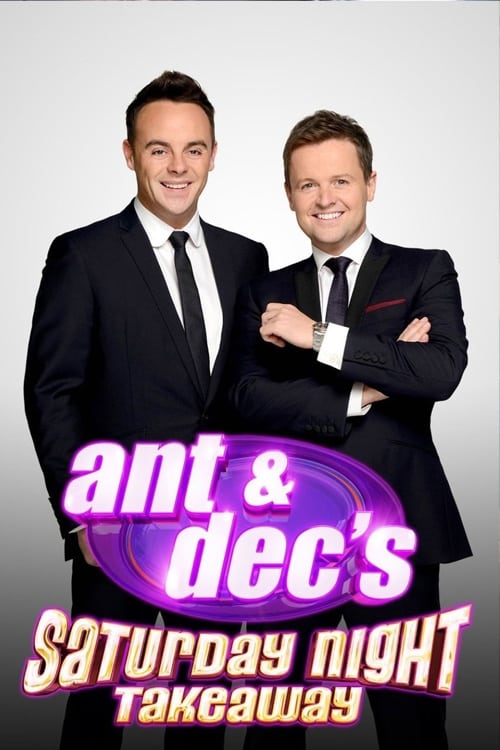
A gameshow hosted by Ant and Dec filled with stunts, sketches, and special guest appearances.
Ant & Dec's Saturday Night Takeaway
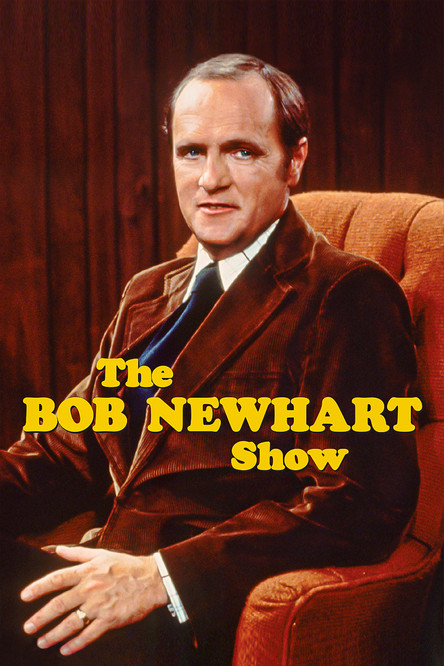
The Bob Newhart Show is an American situation comedy produced by MTM Enterprises, which aired 142 original episodes on CBS from September 16, 1972, to April 1, 1978. Comedian Bob Newhart portrays a psychologist having to deal with his patients and fellow office workers. The show was filmed before a live audience.
The Bob Newhart Show
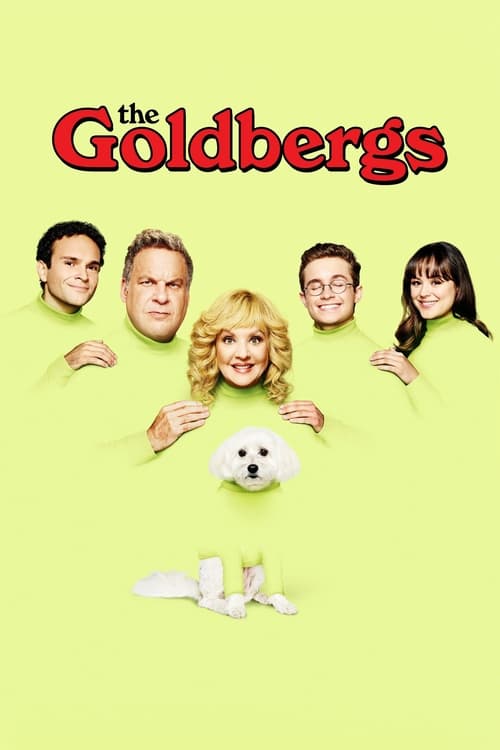
Before there were parenting blogs, trophies for showing up, and peanut allergies, there was a simpler time called the '80s. For geeky 11-year old Adam these were his wonder years and he faced them armed with a video camera to capture all the crazy. The Goldbergs are a loving family like any other, just with a lot more yelling.
The Goldbergs
R. L. Stine's The Haunting Hour is a Canadian/American original anthology horror-fantasy series, with episodes each half an hour long. The series is based on The Haunting Hour: Don't Think About It Movie, and the books The Haunting Hour and Nightmare Hour anthology by R. L. Stine.
R. L. Stine's The Haunting Hour
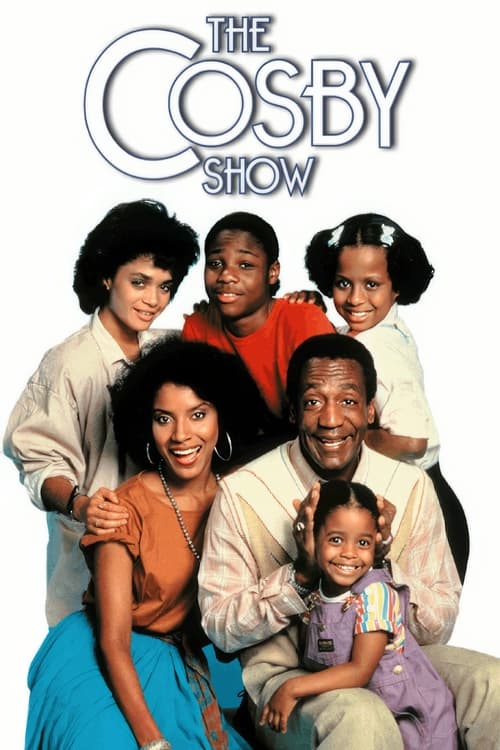
The Cosby Show is an American television situation comedy starring Bill Cosby, which aired for eight seasons on NBC from September 20, 1984 until April 30, 1992. The show focuses on the Huxtable family, an upper middle-class African-American family living in Brooklyn, New York.
The Cosby Show
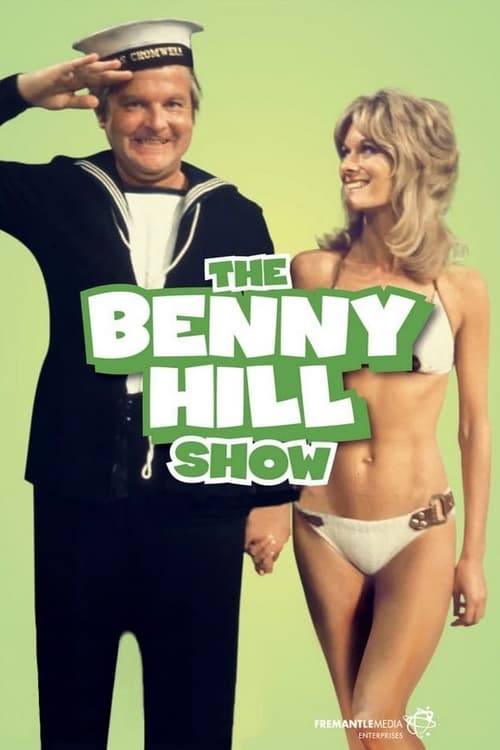
The Benny Hill Show is a British comedy television show that starred Benny Hill and aired in various incarnations between 15 January 1955 and 30 May 1991 in over 140 countries. The show focused on sketches that were full of slapstick, mime, parody, and double-entendre. Thames Television cancelled production of the show in 1989 due to declining ratings and large production costs at £450,000 per show.
The Benny Hill Show
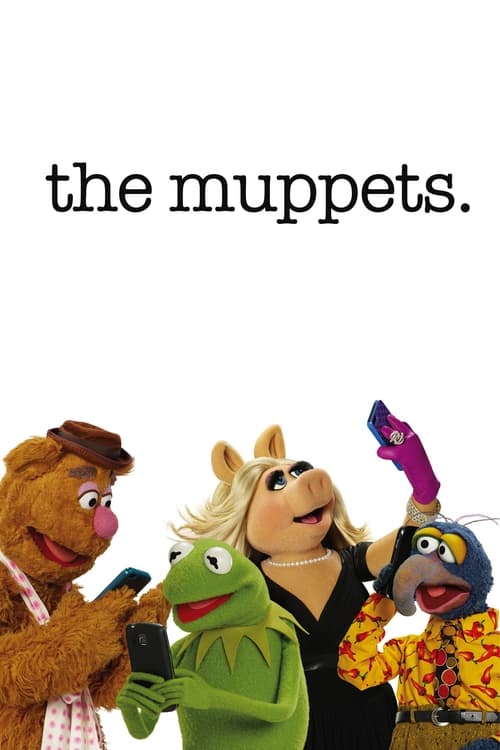
The Muppets return to primetime with a contemporary, documentary-style show. For the first time ever, a series will explore the Muppets’ personal lives and relationships, both at home and at work, as well as romances, breakups, achievements, disappointments, wants and desires. This is a more adult Muppet show, for “kids” of all ages.
The Muppets
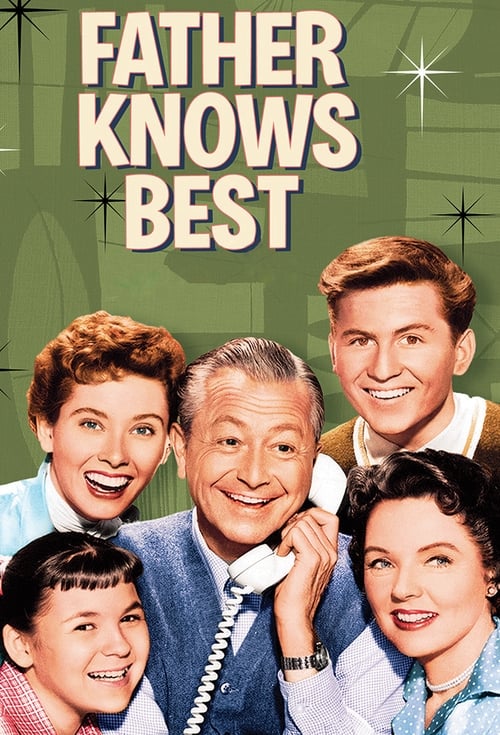
Family man Jim Anderson copes with the everyday problems among his wife Margaret and their three children as they experience day-to-day changes.
Father Knows Best

The Amanda Show is an American live action sketch comedy and variety show that aired on Nickelodeon from October 16, 1999 to September 21, 2002. It starred Amanda Bynes, Drake Bell, and Nancy Sullivan, along with several performing artists who came and left at different points, such as John Kassir, Raquel Lee, and Josh Peck. The show was a spin-off from All That, in which Bynes had co-starred for several years. The show was unexpectedly cancelled at the end of 2002, according to creator Dan Schneider's blog. Writers for the show included John Hoberg, Steven Molaro, Andrew Hill Newman, and Dan Schneider. Two years after the end of The Amanda Show, Dan Schneider created a new series, called Drake & Josh, featuring Drake Bell, Josh Peck and Nancy Sullivan.
The Amanda Show
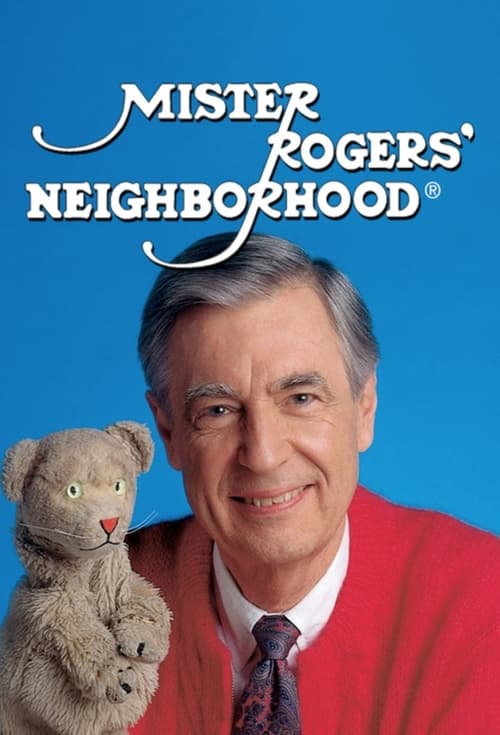
Mister Rogers' Neighborhood is an American children's television series that was created and hosted by namesake Fred Rogers. The series originated in 1963 as Misterogers on CBC Television, and was later debuted in 1966 as Misterogers' Neighborhood on the regional Eastern Educational Network, followed by its US network debut on February 19, 1968, and it aired on NET and its successor, PBS, until August 31, 2001. The series is aimed primarily at preschool ages 2 to 5, but has been stated by PBS as "appropriate for all ages". Mister Rogers' Neighborhood was produced by Pittsburgh, Pennsylvania, USA public broadcaster WQED and Rogers' non-profit production company Family Communications, Inc.; previously known as Small World Enterprises prior to 1971, the company was renamed The Fred Rogers Company after Rogers' death.
Mister Rogers' Neighborhood
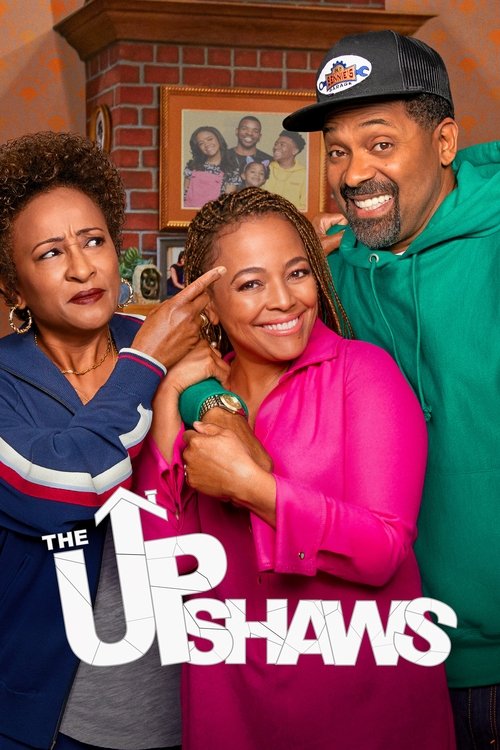
Bennie Upshaw, the head of a Black working class family in Indianapolis, is a charming, well-intentioned mechanic and lifelong mess just trying his best to step up and care for his family and tolerate his sardonic sister-in-law, all without a blueprint for success.
The Upshaws
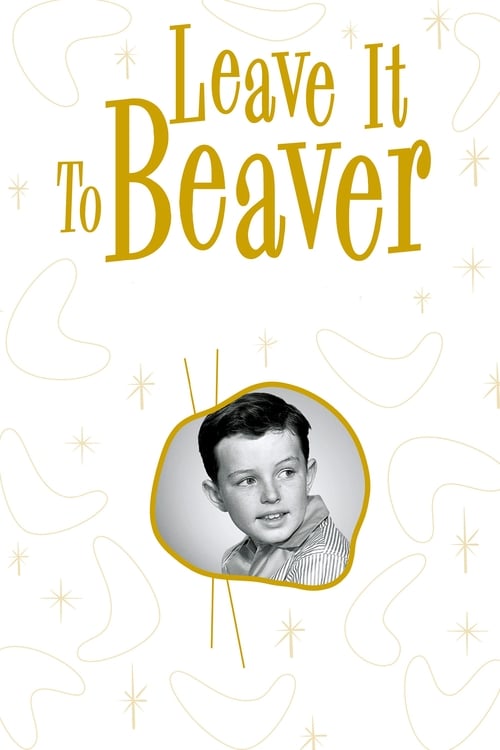
An inquisitive and often naïve boy, Theodore 'The Beaver' Cleaver, has adventures at home, in school, and around his suburban neighborhood. The show also starred Barbara Billingsley and Hugh Beaumont as Beaver's parents, June and Ward Cleaver, and Tony Dow as Beaver's brother Wally. The show has attained an iconic status in the US, with the Cleavers exemplifying the idealized suburban family of the mid-20th century.
Leave It to Beaver
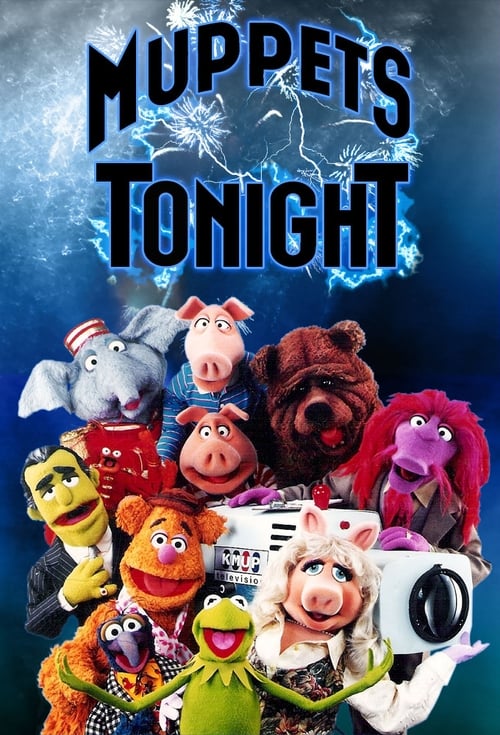
Muppets Tonight is a live-action/puppet television series created by Jim Henson Productions and featuring The Muppets. Much like the "MuppeTelevision" segment of The Jim Henson Hour, Muppets Tonight was a continuation of The Muppet Show, set in a television studio, rather than a theater. It ran on ABC from 1996 to 1998 and reruns ran on Disney Channel from 1997 to 2002. As of 2013, it is the last television series to star The Muppets characters.
Muppets Tonight
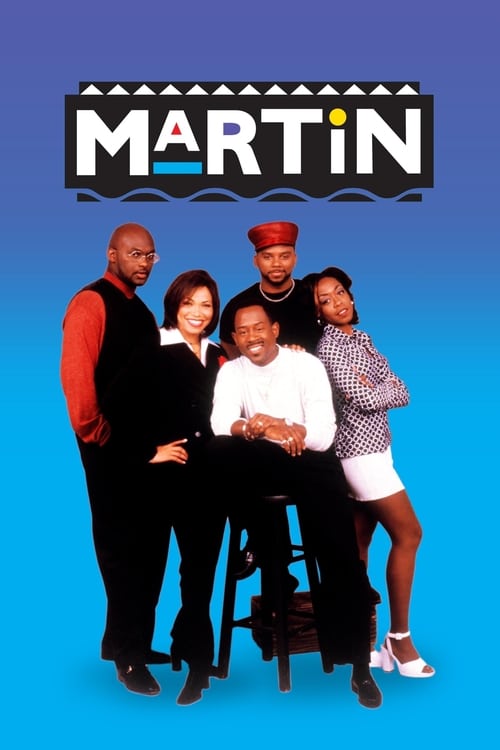
Sassy sitcom centering on radio and television personality Martin Payne. Series focuses on his romantic relationship with girlfriend Gina, her best friend Pam and escapades with best friends Tommy and Cole.