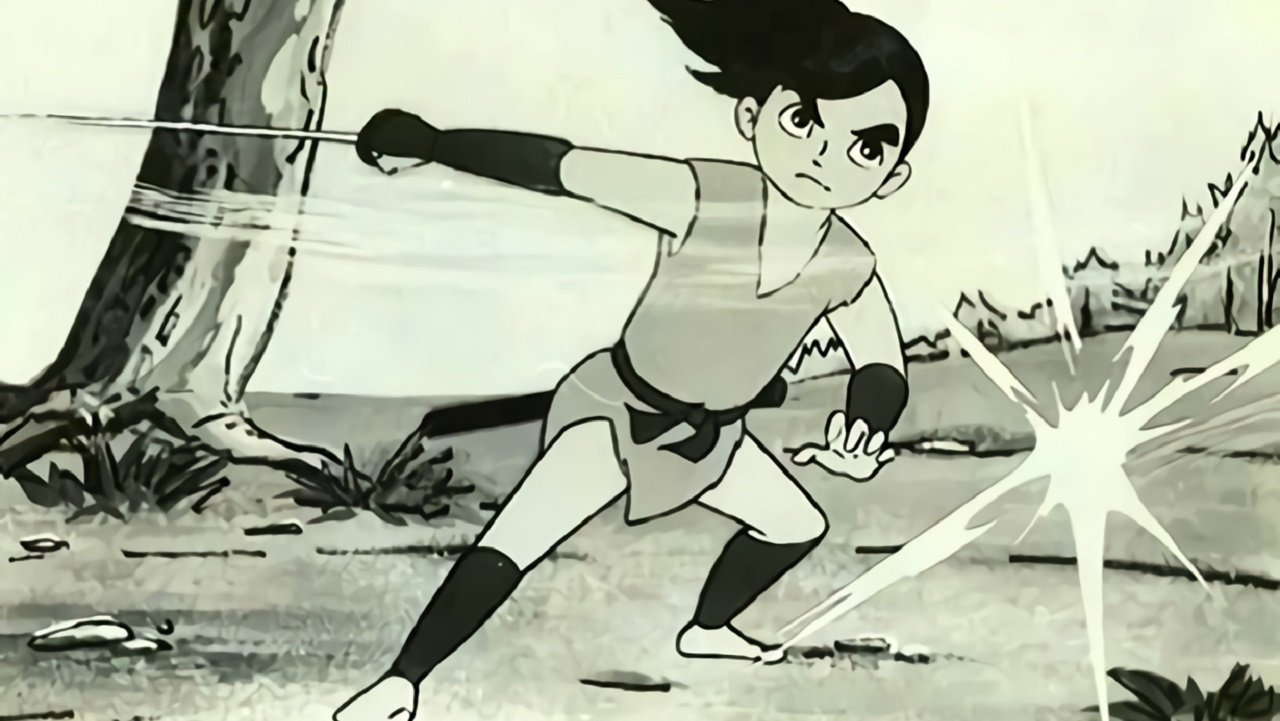

Synopsis
Episodes
You might also like
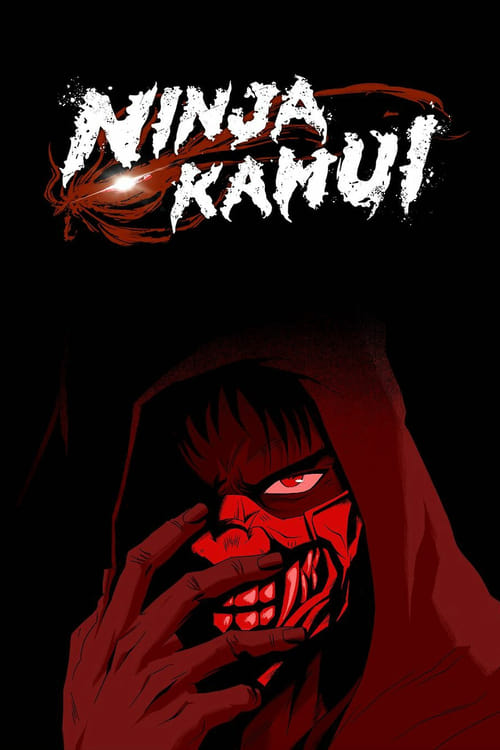
A team of assassins exacts a bloody retribution on Joe Logan – a former ninja who escaped his clan – and his family for betraying their ancient code. Rising from his seeming "death," Joe will re-emerge as his former self – Ninja Kamui – to avenge his family and friends and bring down the very clan that made him.
Ninja Kamui
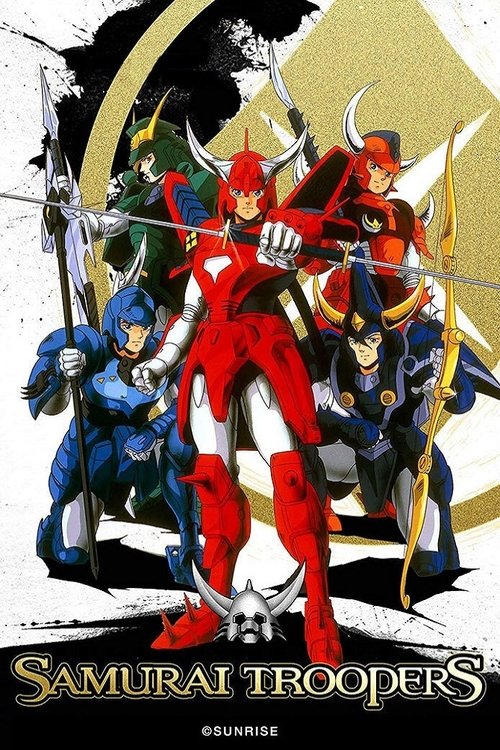
Five young men with mystical armor fight to save the mortal from the evil Talpa.
Ronin Warriors
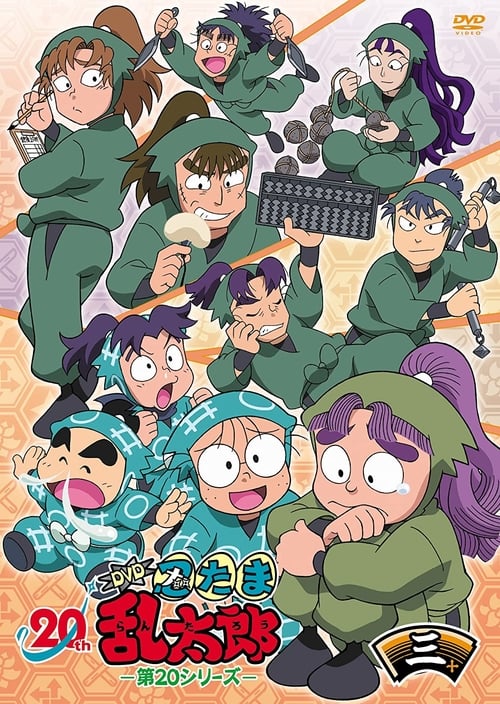
Rantarō, Shinbei and Kirimaru are ninja apprentices in the Ninja Gakuen, where first grade ones are called "Nintamas". They must learn everything a ninja must know, but as for our heroes, money, food or playing are more interesting. The series show the everyday adventures of our heroes.
Ninja Boy Rantaro
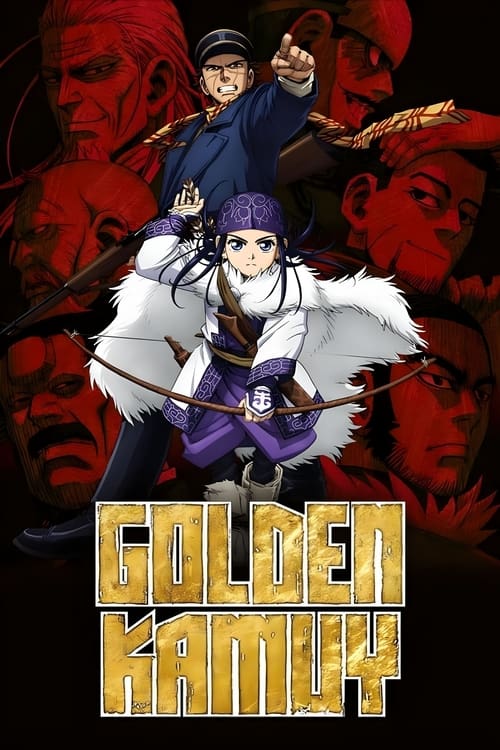
A Russo-Japanese War veteran partners with an Ainu girl to find a treasure stolen from her people, but they’re not the only ones pursuing the gold.
Golden Kamuy

Two kids whose families own businesses in a shopping arcade that's scheduled to shut down are thrown into a series of dimensions, each one a parody of some form of anime or video game, and try to find their way home.
Magical Shopping Arcade Abenobashi
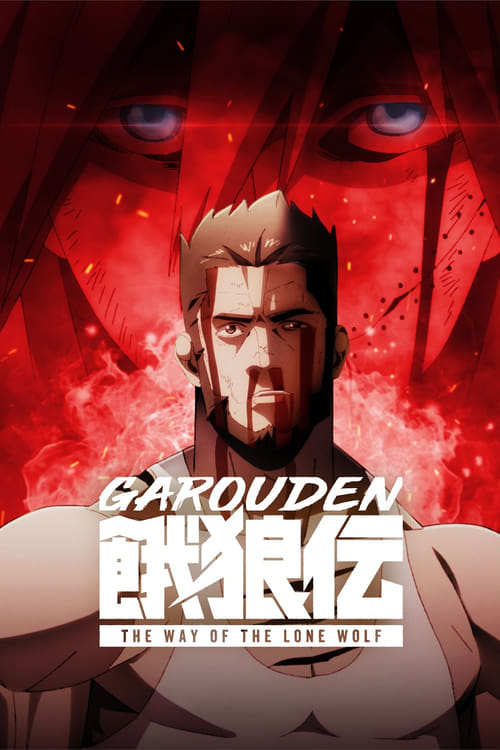
On the run from a past crime, Juzo Fujimaki is blackmailed into joining an illicit tournament and has to face top martial artists in deadly match-ups.
Garouden: The Way of the Lone Wolf

In the future — in a world mostly submerged under water — the 19-year-old Sumeragi Aika goes to college while training as an agent by assisting in Aida Gozo's salvaging business.
AIKa ZERO
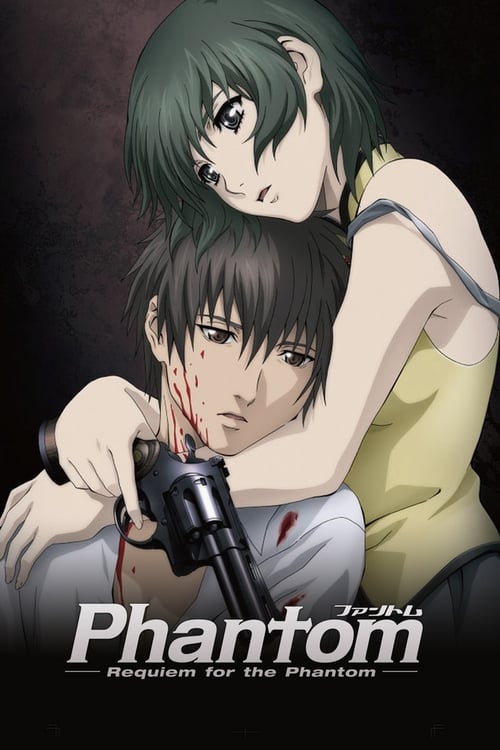
Mafia is rife in America where assassinations are a regular occurrence on the streets. Inferno, a mysterious company, is behind most of these dealings through the use of their near-invincible human weapon, "Phantom." One day, a Japanese tourist accidentally witnesses Phantom's latest murder. Desperate to escape, the tourist hides in a secluded building. However, Phantom, revealed to be a young woman named Ein, and the leader of Inferno "Scythe Master" captures the tourist and brainwashes him. Given the name "Zwei," this once peaceful tourist is now a puppet of Inferno with no memories. Drawn into a world of lies, deceit, and violence, Zwei must fight to survive, hopefully to one day regain his memories and escape from this world where he is constantly on the brink of death.
Phantom: Requiem for the Phantom
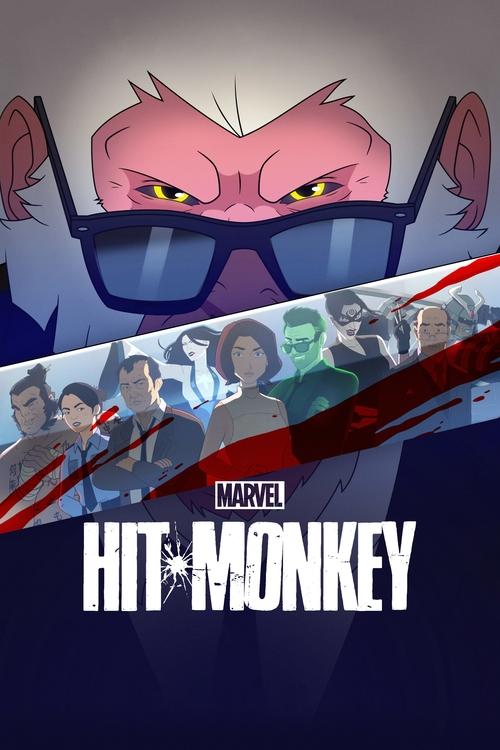
After a high-profile political assassination goes sideways, an injured hitman hides out amongst a tribe of snow monkeys in the mountains of Japan.
Marvel's Hit-Monkey

When he was a child, Murakami was friends with a girl he called Kuroneko. One day, while trying to prove the existence of aliens to Murakami, she is killed in an accident that he barely survives. Guilty of his role in the accident, Murokami decides to dedicate his life to proving that aliens exist. Then, one day, a new student with mysterious powers transfers into his class who not only looks a lot like Kuroneko, but is named Kuroha, Neko.
Brynhildr in the Darkness
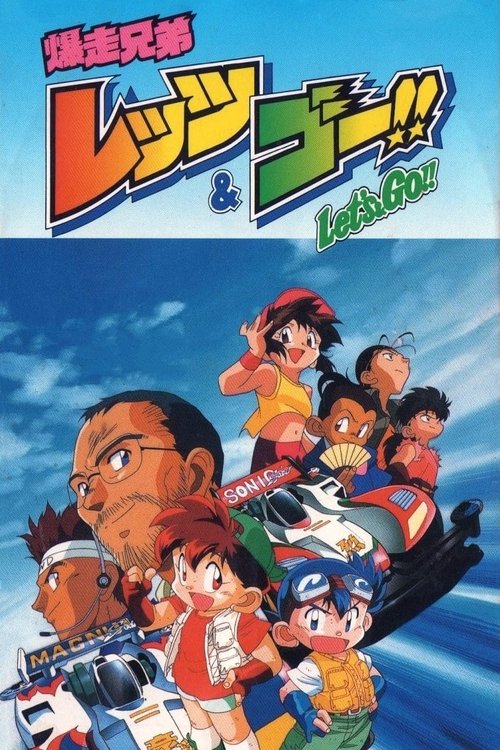
Mini 4WD racing is an interesting hobby in where kids and adults compete using customized motorized miniature cars. Every year, competitions revolving around the hobby circulated around the world, with both kids and adults test out their spirit and passion in racing and companies developing new technologies and innovations for Mini 4WD. The story revolves around the competitive Seiba Brothers: Go and Retsu, who were once constantly arguing on each other to see who's the best racer. However one day after a community-sponsored race, they both met Dr. Tsuchiya, the head of the Tsuchiya Racing Factory who gave them two Mini 4WD Cars of the prototype Saber Series: Sonic Saber and Magnum Saber. With his advice on telling the twins to customize them for the upcoming race, they are now determined to win and race to victory and set off to their wildest race of their lives. While meeting both friends and enemies in the Mini 4WD Racing world.
Bakusou Kyoudai Let's & Go!!
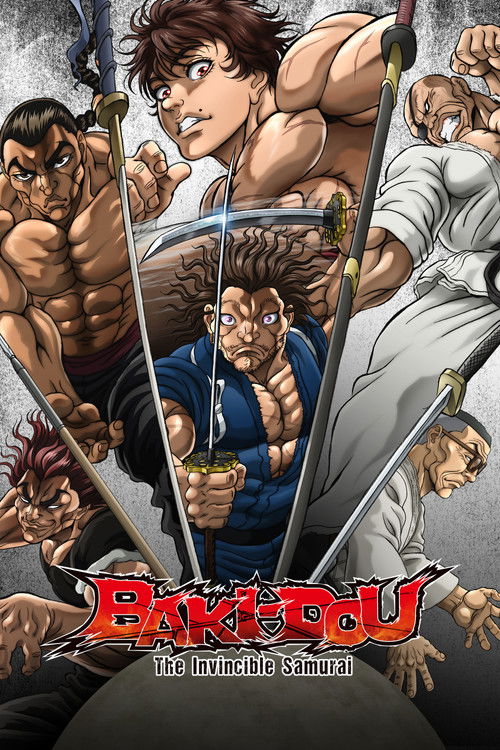
Baki and the strongest Underground Arena fighters face a threat of historical proportions: the resurrected Musashi Miyamoto, Japan's greatest samurai.
BAKI-DOU: The Invincible Samurai
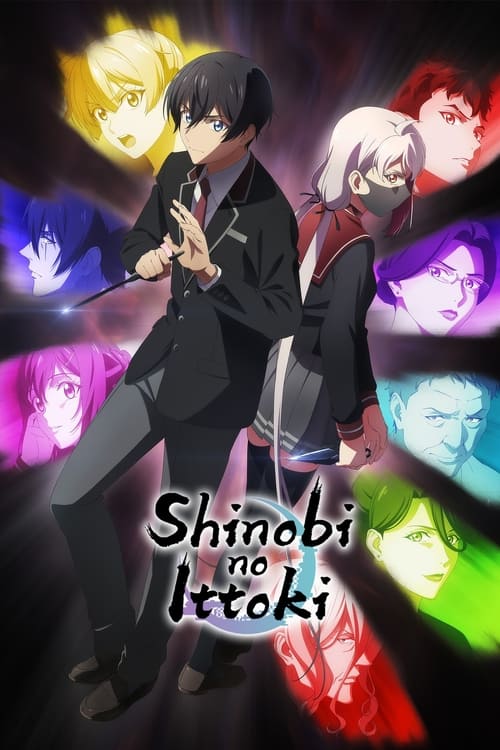
A descendent of the Iga Ninja Clan trains to become a shinobi and fights against the rival Koga Clan!
Shinobi no Ittoki

The year is 1931. Prince Tokugawa Yoshinobu holds absolute control over Japan. Remnants of the Meiji era’s culture can be seen around the city, but scientific technology and Japanese esoteric cosmology Onmyodo are also developing. Yet lurking behind the glitz is Kuchinawa, a dissident group planning the assassination of the prince. Tasked to extinguish these dissidents is Nue, the government’s secret executioner group. Sawa Yukimura, who works for this organization, suffered at the hands of the Kuchinawa boss. Her entire family was murdered and she dedicated her life to avenging their death.
Joran: The Princess of Snow and Blood
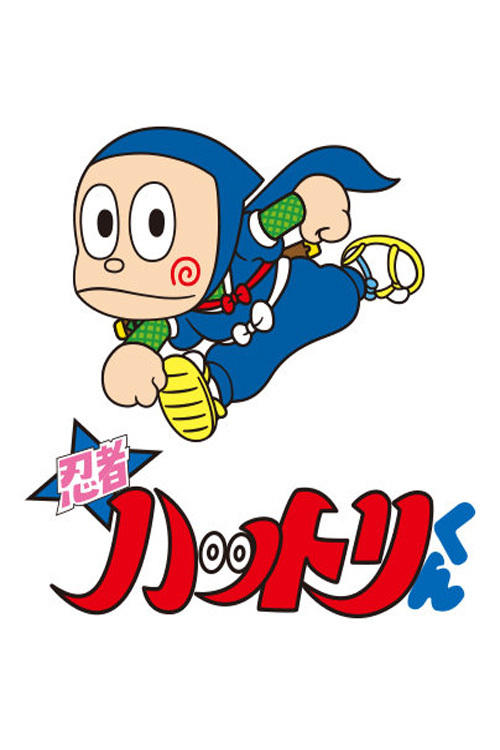
11-year-old Kenichi Mitsuba is an average kid who goes to secondary school and struggles with his studies, he is very stubborn and is very lazy and therefore always ends up frustrating his parents and teacher. He loves to find an easy way of things. He befriends Hattori Kanzo, a ninja from the Iga Clan, and he becomes part of the Mitsuba family along with his brother, Shinzo and his ninja dog, Shishimaru. Hattori helps Kenichi with his problems, and constantly keeps an eye on him, as a good friend. The main antagonist Kemumaki, a Koga ninja and his ninja cat, Kagechiyo always troubles Kenichi, mainly because of their feud over one girl, Yumeko. Kenichi asks Hattori to take revenge as a recurring storyline in many episodes. Although Hattori is a good friend, Kenichi sometimes fights with Hattori due to misunderstandings created by Kemumaki. Sometimes Jippou, Togejirou and Tsubame help him.
Ninja Hattori-kun
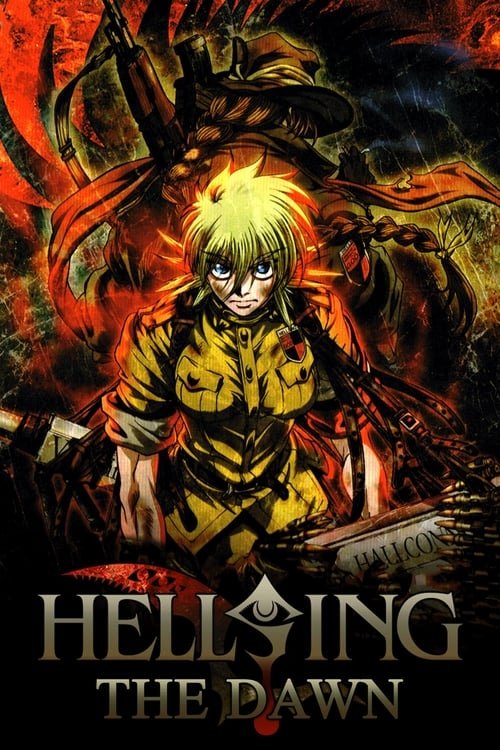
Hellsing agents Alucard and young Walter, the resourceful Hellsing family butler, are sent to Nazi-occupied Europe in 1944 to stop the Nazis' attempt to create a vampire army.
Hellsing: The Dawn
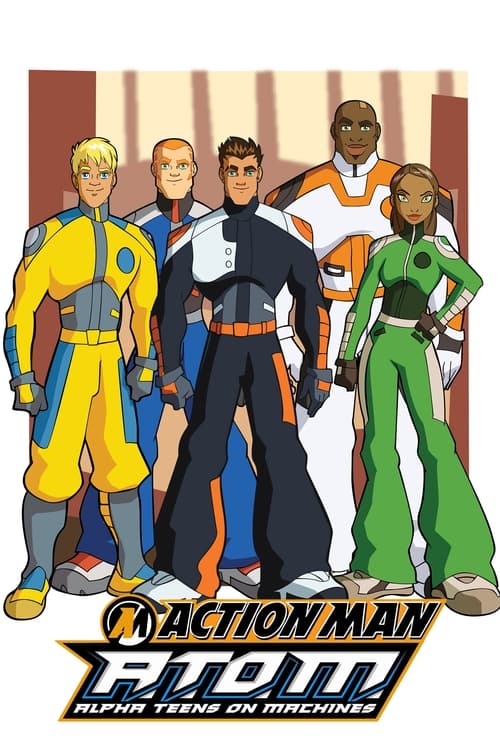
A.T.O.M. is a French animated television series, which chronicles the adventures of five teenagers, set in the fictional Landmark City. The Alpha Teens, which consist of Axel Manning, Catalina Leone, Crey Kingston, Zack Hawkes, and Ollie Sharker, test prototype vehicles and weapons for Lee Industries, and use these prototypes to combat criminals, particularly the sadistic Alexander Paine. In the United Kingdom, Australia and Latin America, the series is called Action Man A.T.O.M. and has its own comic book from Panini Comics.
Action Man: A.T.O.M.
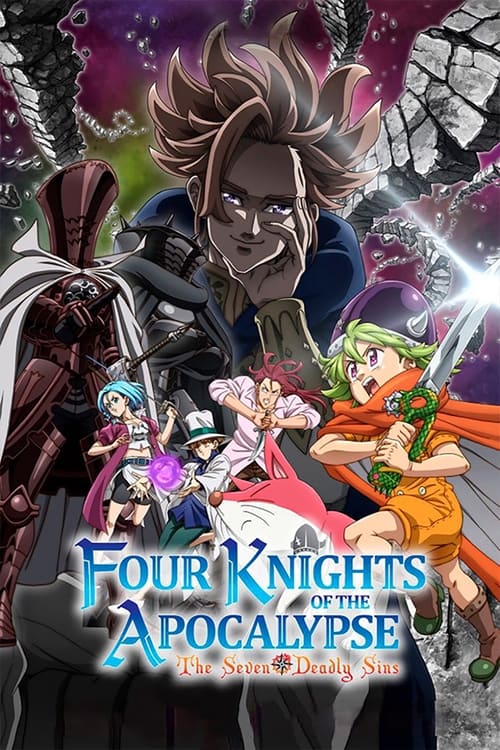
As a prophecy of doom unfolds on the peaceful land of Britannia, a purehearted boy sets out on a journey of discovery — and revenge.
The Seven Deadly Sins: Four Knights of the Apocalypse
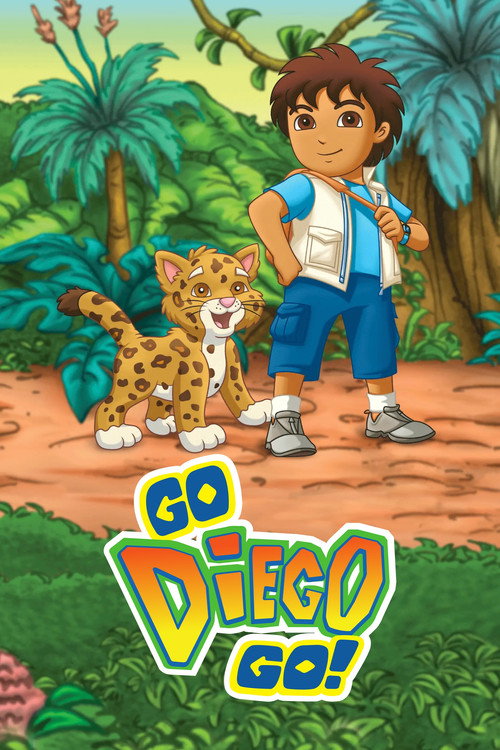
Go, Diego, Go! is a children's television series created by Chris Gifferd and Valerie Walsh, and is a spin-off of Dora the Explorer. The show premiered on September 6, 2005 and ended on September 16, 2011 on Nickelodeon. It also aired as part of the Nick Jr. on CBS block from September 17, 2005 to September 9, 2006. On December 20, 2006, Nick Jr. announced that it had ordered twenty new episodes that were in production. Since April 2008, the show has been dubbed into Spanish and airs in the United States on Univision as part of their Planeta U block.
Go, Diego, Go!
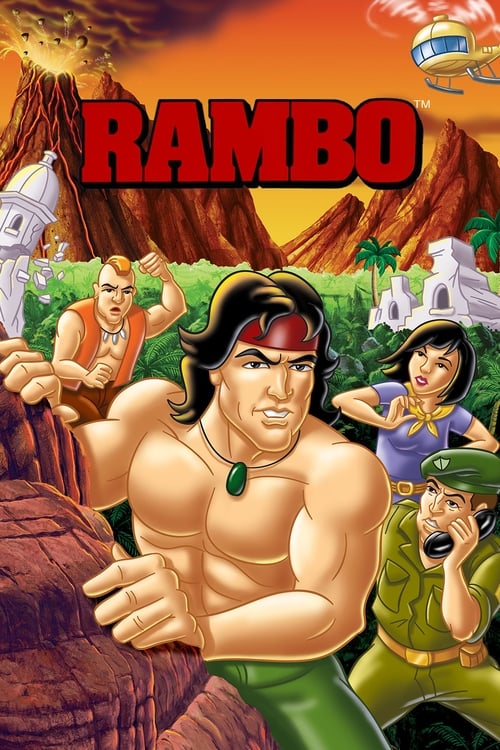
Rambo: The Force of Freedom is an animated series based on the character of John Rambo from David Morrell's book First Blood and the subsequent films First Blood and Rambo: First Blood Part II. This series was adapted for television by story editor/head writer Michael Chain and the series even spawned a toy line.