

Episodes
Photos
You might also like
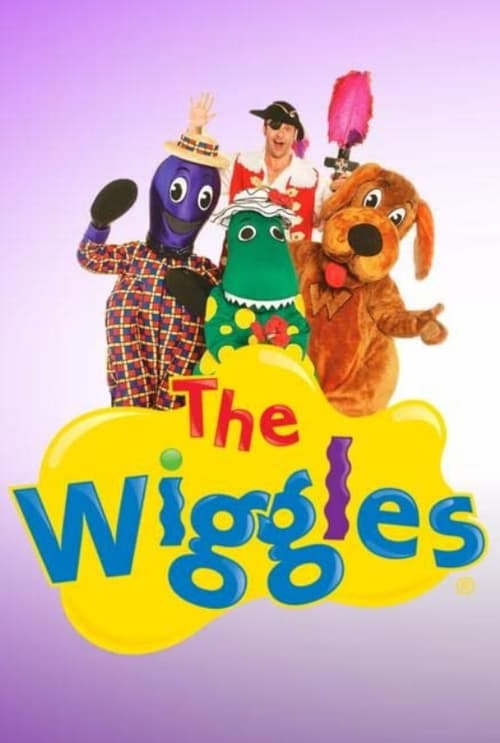
A show geared for babies up to older toddlers. This show is full of music, teaching kids songs and easy dances.
The Wiggles
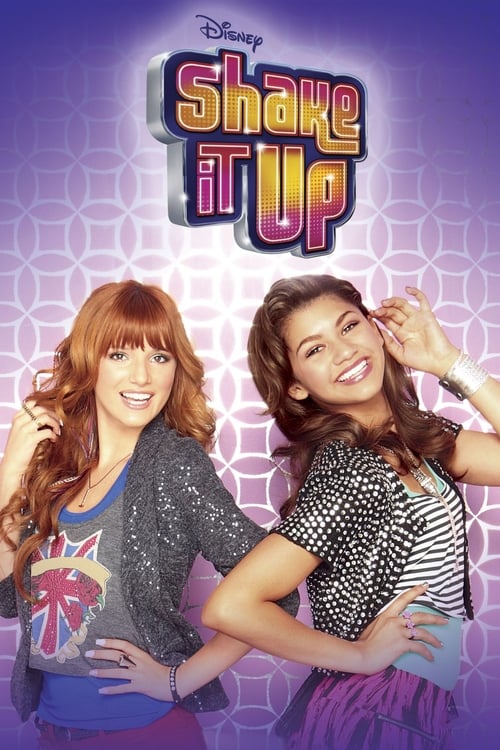
Best pals CeCe and Rocky dream of dancing stardom. And they seem on the verge of realizing that goal when they win places as backup dancers on the local TV show "Shake It Up, Chicago." While they get to show off their moves, they find out they need to keep putting their best feet forward to keep up with the rest of the crew on the show.
Shake It Up
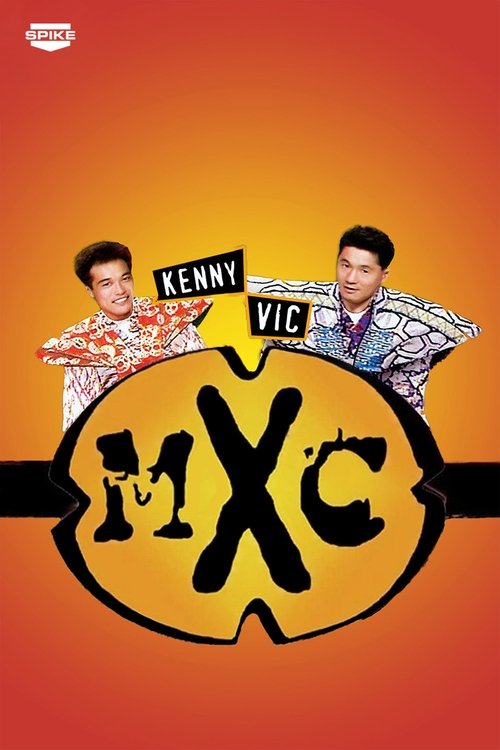
Footage from the popular game show, Takeshi's Castle has been re-edited, re-written and re-voiced into a hilarious, intentionally over-produced, modern "action/X-treme" sports show.
MXC
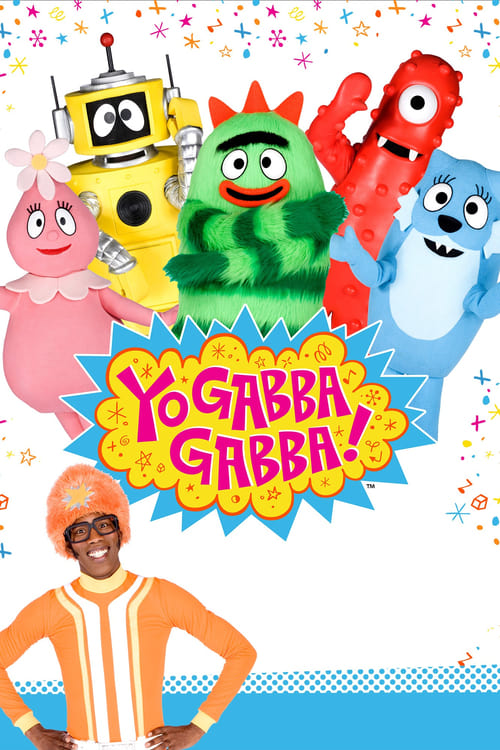
Yo Gabba Gabba! is an American children's television show that airs on the Nick Jr. cable network in the United States and the Nick Jr. networks in the United Kingdom & Ireland, Italy, France and Australia as well as Treehouse TV network in Canada and RTE2 on RTÉjr in Ireland. The show stars five costumed toys-come-to-life and their friend DJ Lance Rock, who explore a single topic in each episode through songs and short storylines in the half-hour program while teaching children life and social skills. It also encourages viewers to move along with and dance with the characters in the program. The show is noted for its indie-culture guest stars and bands, and for drawing visual inspiration from 8-bit video games and H. R. Pufnstuff.
Yo Gabba Gabba!
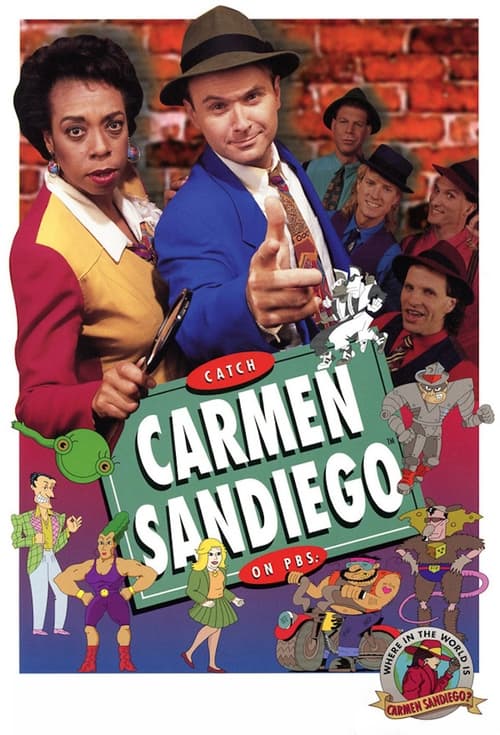
A game show based on the Carmen Sandiego computer game series created by Brøderbund Software.
Where in the World Is Carmen Sandiego?
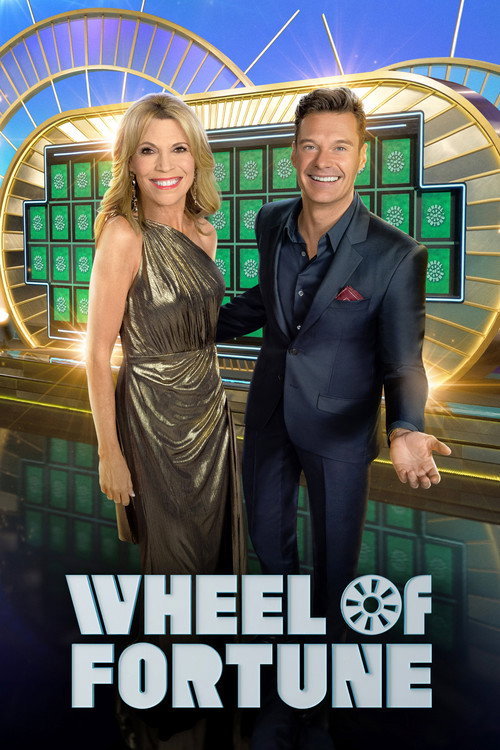
This game show sees contestants solve word puzzles, similar to those used in Hangman, to win cash and prizes determined by spinning a giant carnival wheel.
Wheel of Fortune
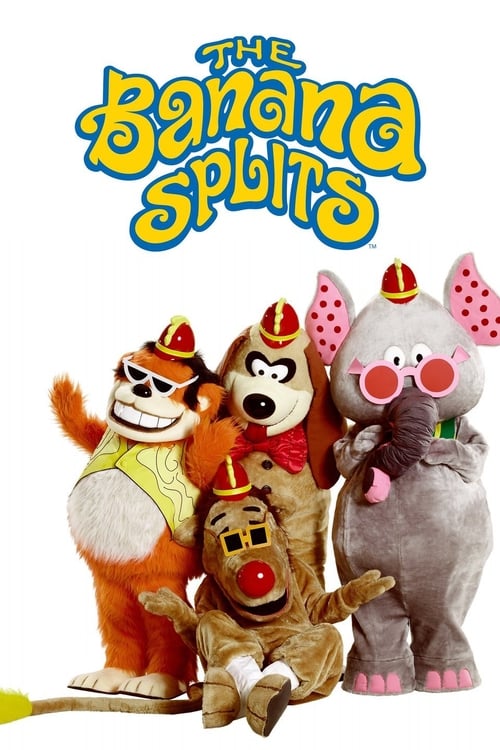
The Banana Splits Adventure Hour was an hour-long, packaged television variety program featuring The Banana Splits, a fictional rock band composed of four funny animal characters. The series was produced by Hanna-Barbera, and ran for 31 episodes on NBC Saturday mornings, from September 7, 1968, to September 5, 1970.
The Banana Splits Adventure Hour
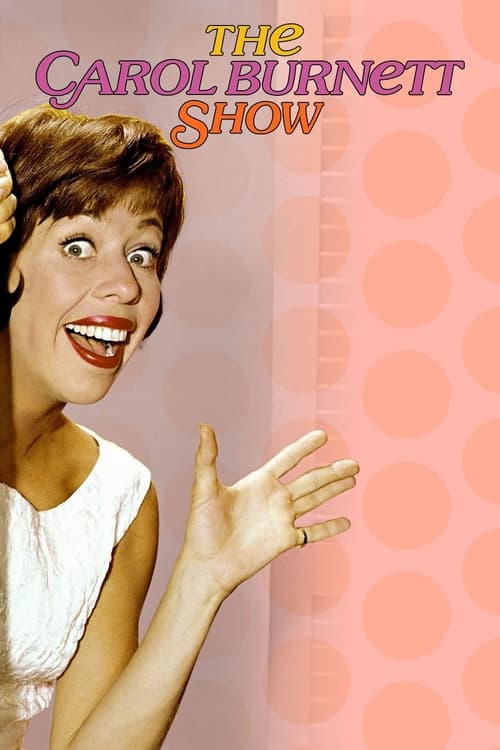
The Carol Burnett Show is an American variety/sketch comedy television show starring Carol Burnett, Harvey Korman, Vicki Lawrence, Lyle Waggoner, and Tim Conway. It originally ran on CBS from September 11, 1967, to March 29, 1978, for 278 episodes and originated from CBS Television City's Studio 33. The series won 25 prime time Emmy Awards, was ranked No. 16 on TV Guide's 50 Greatest TV Shows of All Time in 2002 and in 2007 was listed as one of Time magazine's "100 Best TV Shows of All Time."
The Carol Burnett Show
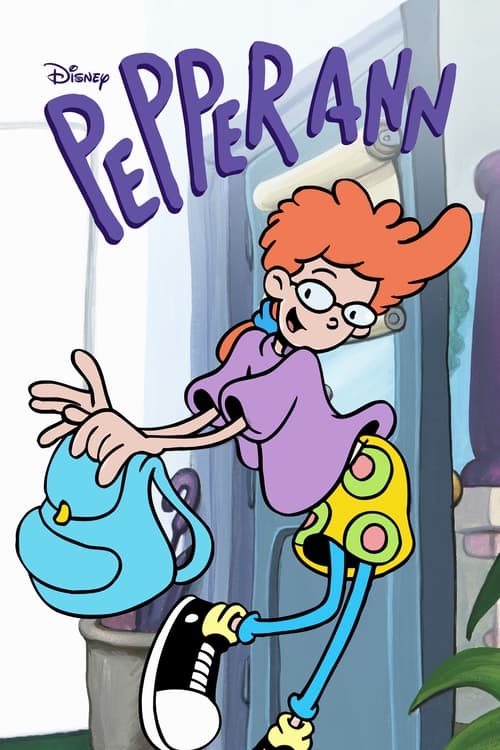
The quirky adventures of Pepper Ann, a 12-year-old girl trying to get through life with her family and friends.
Pepper Ann
Takeshi's Castle was a Japanese game show that aired between 1986 and 1990 on the Tokyo Broadcasting System. It featured the Japanese actor Takeshi Kitano as a count who owns a castle and sets up difficult challenges for players to get to him. Contestants throw themselves into daunting physical challenges as they attempt to storm Takeshi's Castle and win the grand prize of one million yen. The show has become a cult television hit around the world. A special live "revival" was broadcast on April 2, 2005, for TBS's 50th anniversary celebrations.
Takeshi's Castle
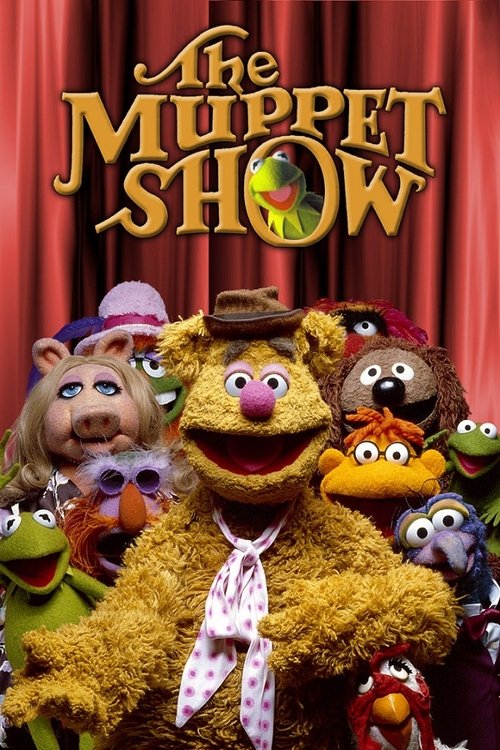
Go behind the curtains as Kermit the Frog and his muppet friends struggle to put on a weekly variety show.
The Muppet Show
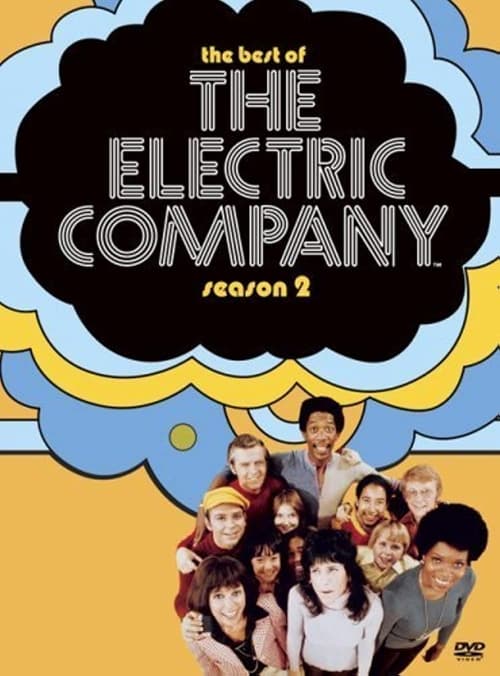
The Electric Company is an educational American children's television series that was produced by the Children's Television Workshop for PBS in the United States. PBS broadcast 780 episodes over the course of its six seasons from October 25, 1971 to April 15, 1977. After it ceased production that year, the program continued in reruns from 1977 to 1985, the result of a decision made in 1975 to produce two final seasons for perpetual use. CTW produced the show at Teletape Studios Second Stage in Manhattan, the first home of Sesame Street. The Electric Company employed sketch comedy and other devices to provide an entertaining program to help elementary school children develop their grammar and reading skills. It was intended for children who had graduated from CTW's flagship program, Sesame Street. Appropriately, the humor was more mature than what was seen there.
The Electric Company

Step by Step is an American television sitcom with two single parents, who spontaneously get married after meeting one another during a vacation, resulting in them becoming the heads of a large blended family
Step by Step
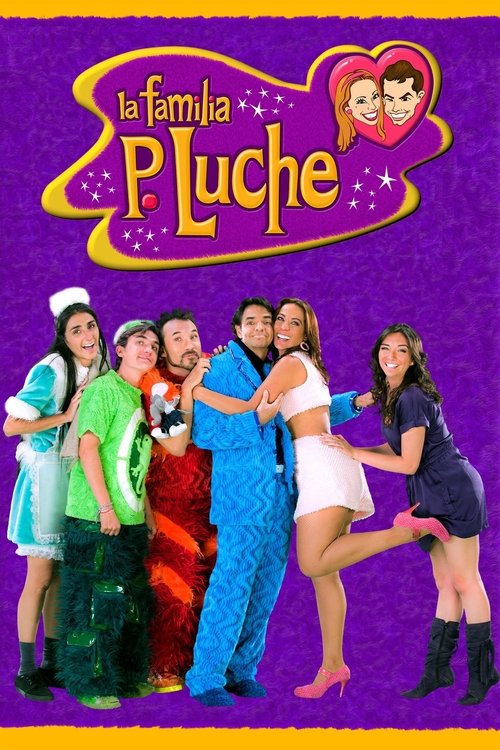
This sitcom is about a Mestizo-Latino American family in P. Luche town. Ludovico and Federica P. Luche are the (mostly) happy couple who serve as the parents of their three kids: Junior, an amnesiac policeman who serves as their 12-year-old son, Bibi, their black sheep daughter who is the smartest of the bunch, and Ludoviquito, an heir who had switched places with their youngest. Together with their maid Exelsa, they live in Ciudad P. Luche, a town where emotions are heightened, the impossible is everyday, and plush fabric covers almost everything.
La familia P. Luche
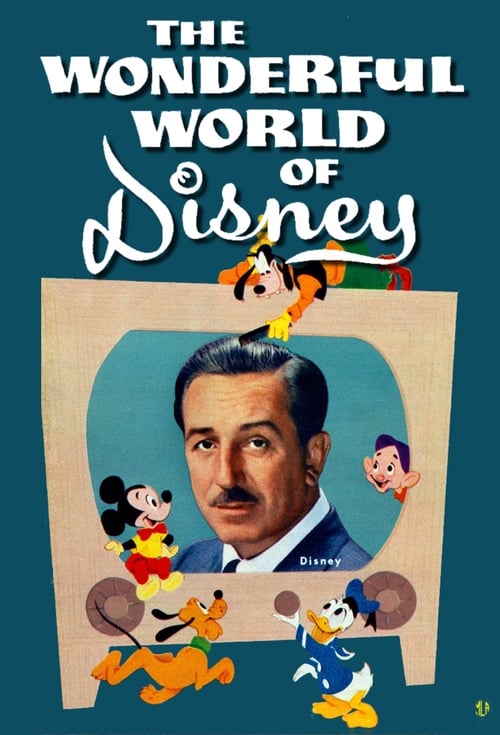
Walt Disney Productions (later The Walt Disney Company) has produced an anthology television series under several different titles since 1954. The original version of the series premiered on ABC in 1954. The show was broadcast weekly on one of the Big Three television networks until 1990, a 36-year span with only a two-year hiatus in 1984-85. The series was broadcast on Sunday for 25 of those years. From 1991 until 1997, the series aired infrequently. The program resumed a regular schedule in 1997 on the ABC fall schedule, coinciding with Disney's recent purchase of the network. From 1997 until 2008, the program aired regularly on ABC. Subsequently, ABC continued the series as an occasional special presentation.
The Wonderful World of Disney
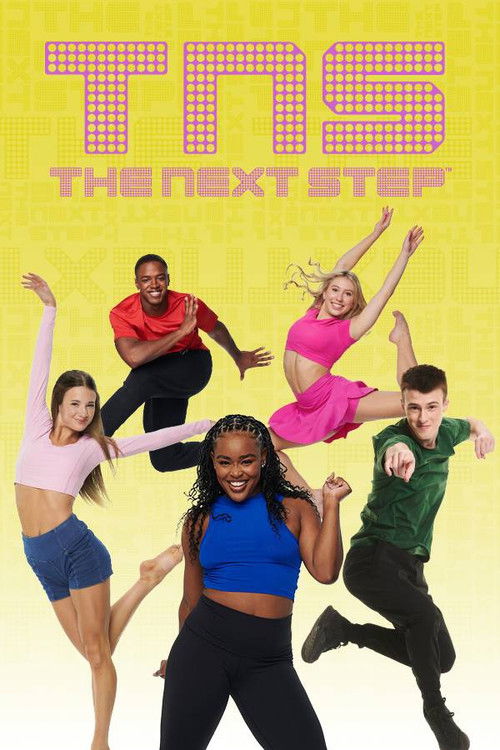
Follow the lives of an elite group of young dancers who train at The Next Step Studio.
The Next Step

Café con aroma de mujer is a 1994 Colombian telenovela, produced by then programming company RCN TV on state-owned Canal A. It was written and created by Fernando Gaitán. It was broadcast in several countries throughout Latin America, North America and Europe.
Café con Aroma de Mujer
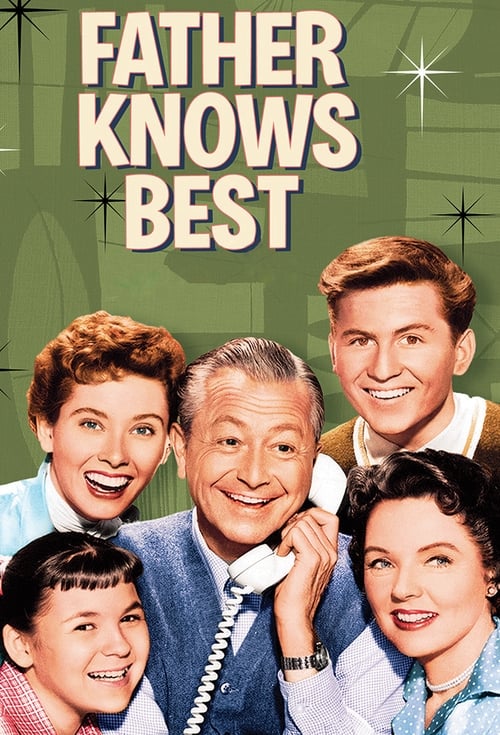
Family man Jim Anderson copes with the everyday problems among his wife Margaret and their three children as they experience day-to-day changes.
Father Knows Best
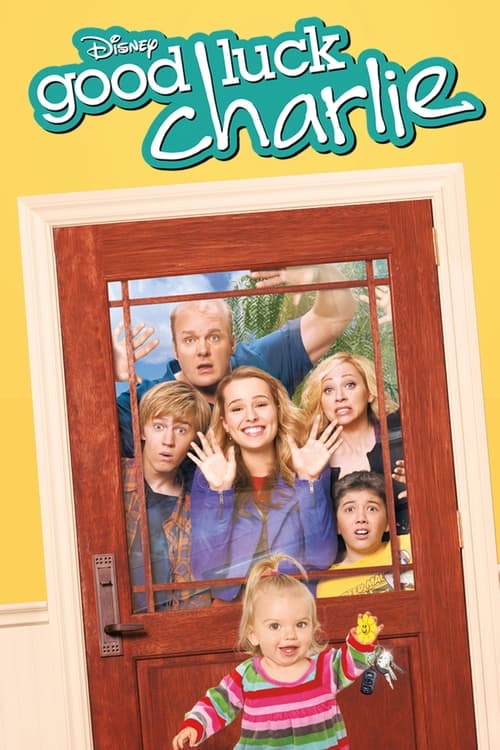
The Duncans are a European-American middle-class family in Colorado is adjusting to the surprise birth of their fourth child, Charlie. When parents Amy and Bob return to work they put their latest addition in the care of her three older siblings, PJ, Teddy, and Gabe. Teens PJ and Teddy and tween brother Gabe are typical kids -- that is, until their mother has another baby. The arrival of their new sister completely upends the entire household. When their mother heads back to work after Charlie's birth, it's up to the kids and their dad to keep the home fires burning -- and to keep Charlie out of trouble as she learns to sit up, crawl, walk and run. Teddy, as the older sister, makes a personalized video diary for Charlie, in each episode adding a nugget of wisdom for her baby sibling.
Good Luck Charlie
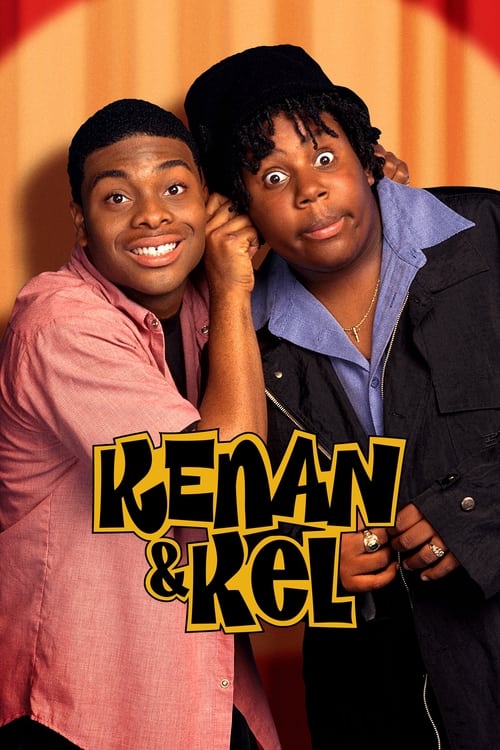
Set in Chicago, the show follows the kid-friendly misadventures of two high-school friends who are always scheming and dreaming. Kenan, who works at a grocery store, constantly devises crazy plans to strike it rich, while orange-soda-loving buddy Kel is always dragged along for the ride despite his track record for messing things up.