
Synopsis
Episodes
You might also like

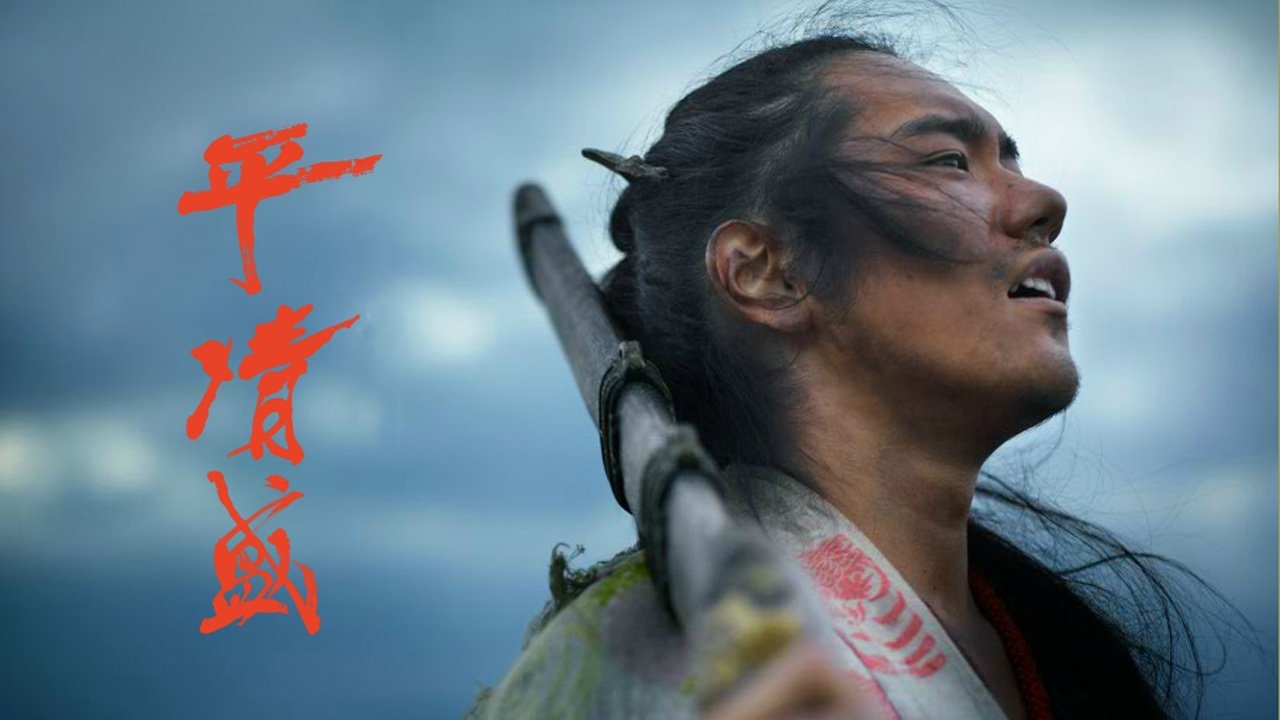
A young orphan named Biwa is taken in by the powerful Taira Clan—also known as the Heike—after their leader witnesses her extraordinary psychic abilities. Unfortunately, what she predicts is a future of bloodshed, violence, and civil war. Inspired by the 12th-century epic tale Heike Monogatari.
The Heike Story
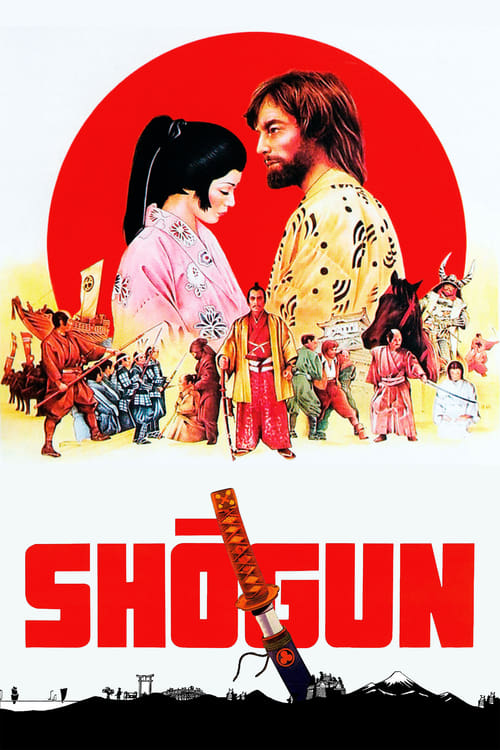
An English navigator becomes both a player and pawn in complex political games in feudal Japan.
Shōgun
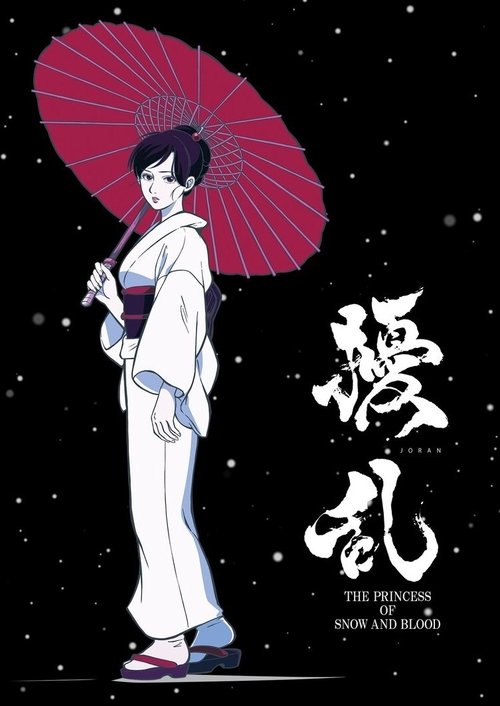
The year is 1931. Prince Tokugawa Yoshinobu holds absolute control over Japan. Remnants of the Meiji era’s culture can be seen around the city, but scientific technology and Japanese esoteric cosmology Onmyodo are also developing. Yet lurking behind the glitz is Kuchinawa, a dissident group planning the assassination of the prince. Tasked to extinguish these dissidents is Nue, the government’s secret executioner group. Sawa Yukimura, who works for this organization, suffered at the hands of the Kuchinawa boss. Her entire family was murdered and she dedicated her life to avenging their death.
Joran: The Princess of Snow and Blood
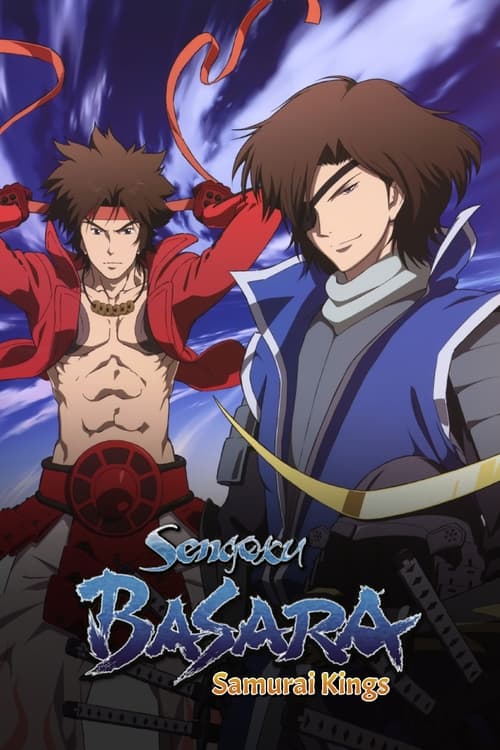
During the Sengoku period, there are many factions constantly at war. One of these is led by a one-eyed man named Date Masamune and another by the imposing Takeda Shingen. The latter has a fiercely loyal subordinate named Sanada Yukimura who goes head to head against Date Masamune multiple times, but the battles between them tend to get interrupted. One such battle occurs when both men try to go after another leader named Imagawa, and they’re forced to break off their heated duel when Imagawa attempts to flee the scene with his body doubles. Yukimura and Masamune go after separate Imagawas, but all of the doubles are killed by a third party, and when their paths cross again, they are in front of the menacing Oda Nobunaga and his army. It was Nobunaga’s subordinates that killed those body doubles, and Nobunaga himself proceeds to kill the real Imagawa with a shotgun blast to the head.
Sengoku BASARA: Samurai Kings
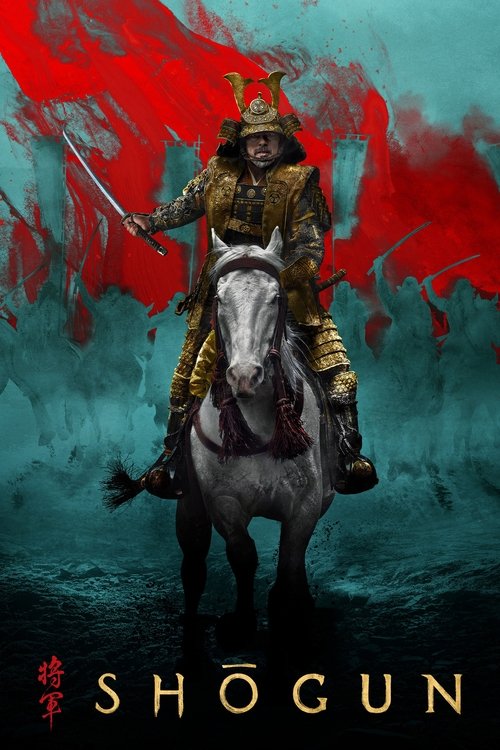
In Japan in the year 1600, at the dawn of a century-defining civil war, Lord Yoshii Toranaga is fighting for his life as his enemies on the Council of Regents unite against him, when a mysterious European ship is found marooned in a nearby fishing village.
Shōgun
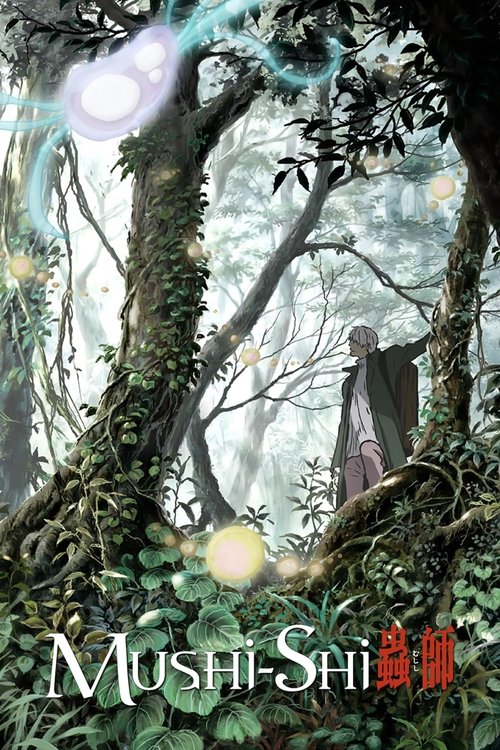
Ginko, a Mushi master, travels from place to place researching the Mushi and helping people who are suffering because of it.
Mushi-Shi

In the early Meiji era, Shujiro, once known as an undefeated samurai, decides to participate in a deadly survival game to save his family and villagers.
Last Samurai Standing
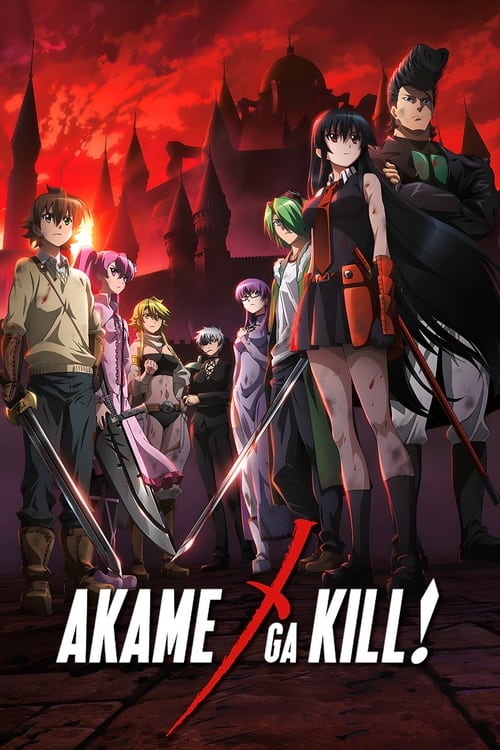
Young Tatsumi travels to the capital of the Empire in order to earn money for his starving people and encounters a world of unimaginable depravity, dominated by the ruthless Prime Minister who controls the child Emperor. Tatsumi is recruited by Night Raid, a group of assassins dedicated to eliminating corruption by mercilessly killing officials and privileged nobles.
Akame ga Kill!
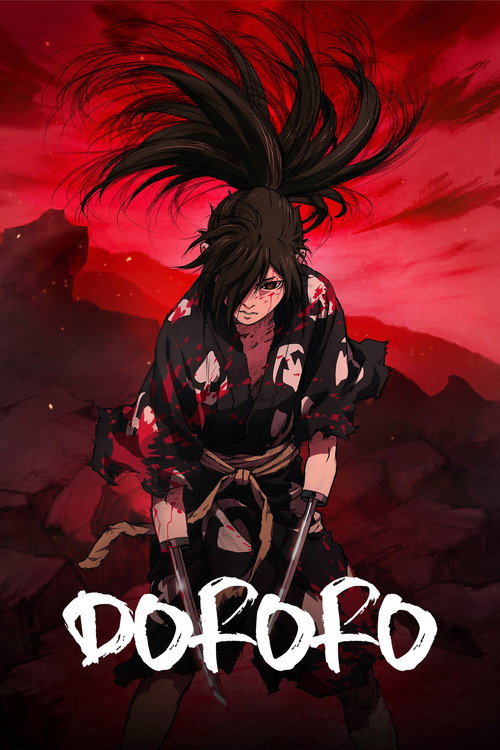
A samurai lord has bartered away his newborn son's organs to forty-eight demons in exchange for dominance on the battlefield. Yet, the abandoned infant survives thanks to a medicine man who equips him with primitive prosthetics—lethal ones with which the wronged son will use to hunt down the multitude of demons to reclaim his body one piece at a time, before confronting his father. On his journeys the young hero encounters an orphan who claims to be the greatest thief in Japan.
Dororo

Ten years have passed since the end of Bakumatsu, an era of war that saw the uprising of citizens against the Tokugawa shogunate. The revolutionaries wanted to create a time of peace, and a thriving country free from oppression. The new age of Meiji has come, but peace has not yet been achieved. Swords are banned but people are still murdered in the streets. Orphans of war veterans are left with nowhere to go, while the government seems content to just line their pockets with money.
Rurouni Kenshin
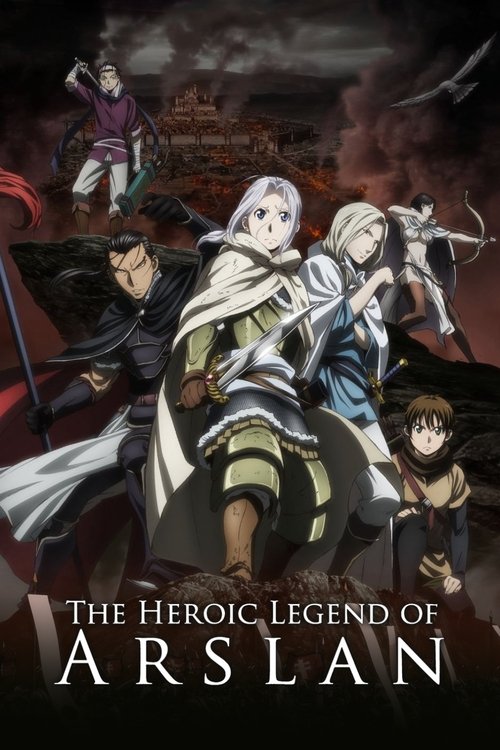
Arslan is the heir apparent of Pars, a strong nation that sits at the hear of the trade route connecting the East and the West. When the pagan nation of Lusitania begins an invasion of Pars, the timid Arslan is confronted with battle for the first time. His worst anxieties are realized the Parsian army falls for a Lusitanian stratagem and are routed. He barely escapes with his life, thanks to the loyal and indomitable warrior Daryun. Together they will stand against the invasion and the cruelties of fate that are about to blow down on Pars.
The Heroic Legend of Arslan

Sandokan is a Malaysian pirate who, along with his friend Yanez and their crew, attacks the British forces from his island of Mompracem. During his adventures, he falls in love with Lady Marianna Guillonk, an English-Italian aristocrat.
Sandokan
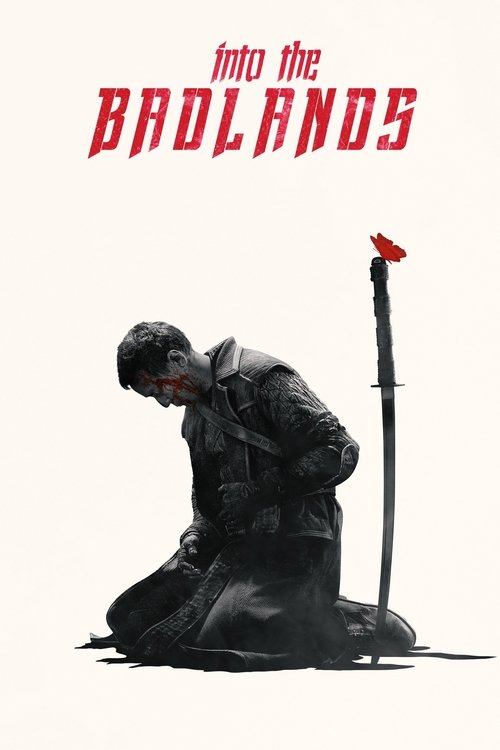
In a land controlled by feudal barons, a great warrior and a young boy embark on a journey across a dangerous land to find enlightenment. A genre-bending martial arts series very loosely based on the classic Chinese tale Journey to the West.
Into the Badlands
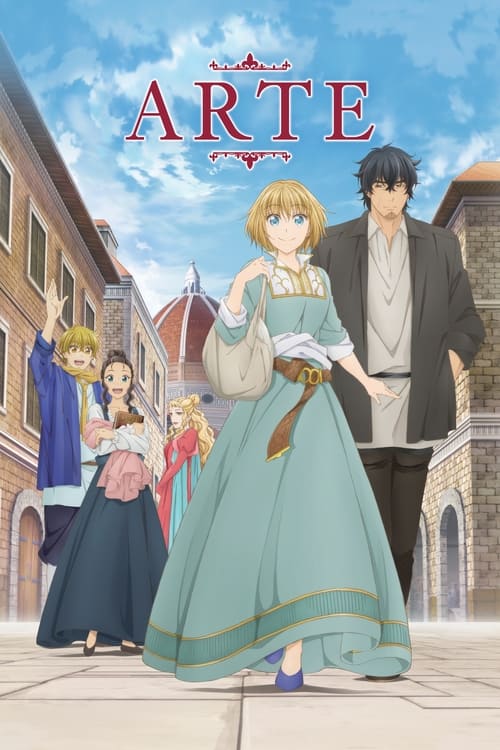
Born into an aristocratic family in Florence, Italy, during the 16th century Renaissance era, Arte has dreams of becoming an artist. In an age of social classes, Arte is willing to cast aside her aristocratic lifestyle and stops at nothing to achieve her dreams. She finds apprenticeship in a painting studio owned by Leo, an artist who is strict but prioritizes ability over gender.
Arte
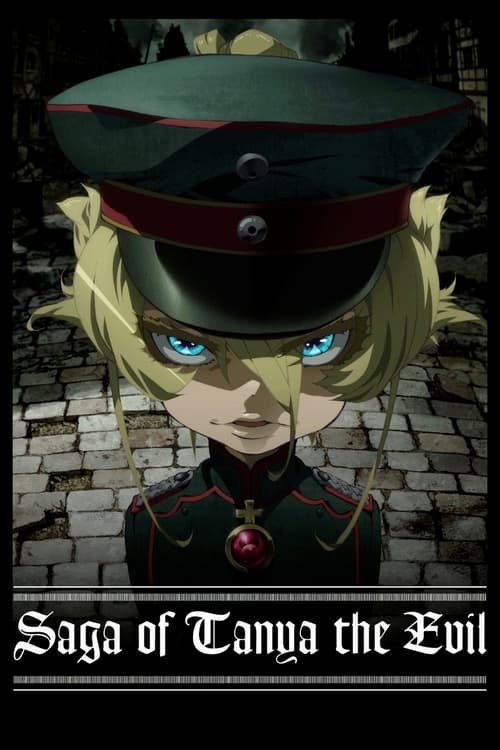
On the front lines of the war, Tanya Degurechaff, blond hair, blue eyes, and porcelain white skin, commands her squad with lisping voice. Actually, she is one of Japan's most elite salary men, reborn as a little girl into a world of magical warfare after angering a mysterious being who calls himself God.
Saga of Tanya the Evil

An animated adaptation of six classical Japanese literature pieces, including No Longer Human (Ningen Shikkaku) and Run, Melos (Hashire, Melos) by Osamu Dazai, Kokoro by Natsume Souseki, Hell Screen (Jigoku Hen) and The Spider's Thread (Kumo no Ito) by Ryunosuke Akutagawa and In the Forest, Under Cherries in Full Bloom (Sakura no Mori no Mankai no Shita) by Ango Sakaguchi.
Aoi Bungaku Series
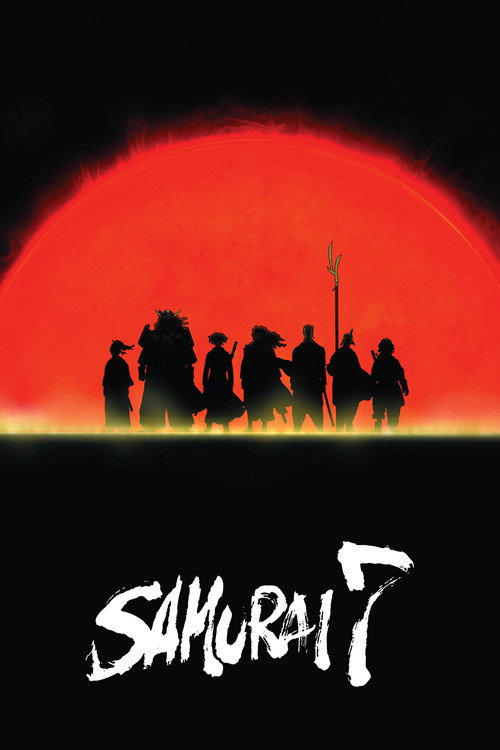
As villages perish under the thumb of a cruel race of warriors, a young priestess named Kirara travels the countryside gathering stray samurais.
Samurai 7

After college, Rikuo Uozumi, a boy without much ambition in life, takes on a job at a convenience store. The days pass by uneventfully for Rikuo until he meets his former girlfriend and classmate, but especially thanks to the unusual Haru Nonaka, and her pet raven...
SING "YESTERDAY" FOR ME
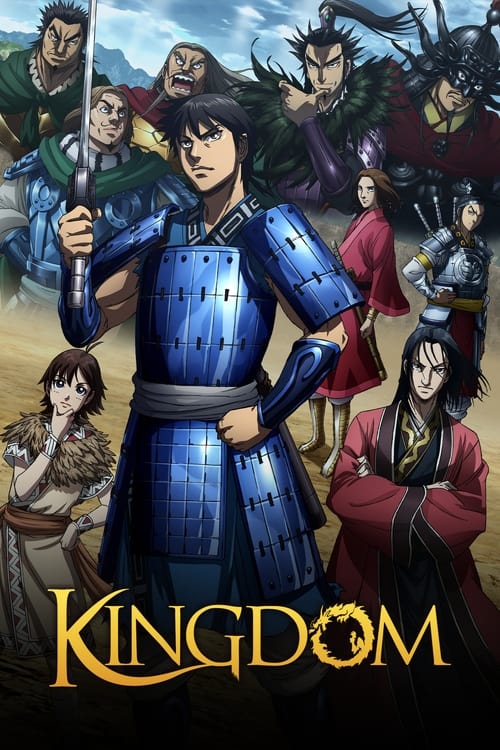
In the Warring States period, young orphan Xin vows to aid King Zheng of Qin in his quest to unify China by becoming a general himself.
Kingdom

Kagome Higurashi is a modern day young girl who lives with her family by the old Higure shrine. Unbeknownst to Kagome, she is the reincarnation of priestess Kikyo and posseses the "Jewel of Four Souls" (the Shikon jewel). One ill-fated day, Kagome locates an ancient well near her home and is abruptly transported through the well and into a feudal Japan, inhabited by demons. There, she encounters Inuyasha, son of a powerful demon father and a human mother, who is pinned to a tree by an enchanted arrow.