

Épisodes
Vous aimerez aussi
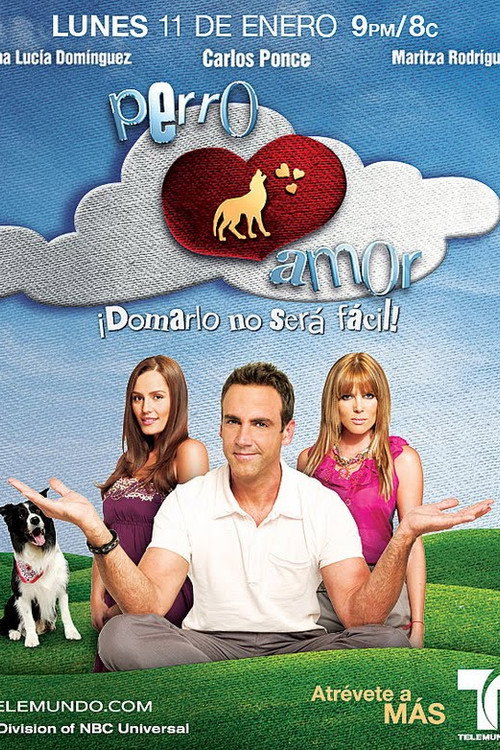
Perro Amor is a Spanish-language telenovela produced by the United States-based television network Telemundo that originally ran in the United States from January to July 2010. This is a Colombian soap opera remake of the 1998 Cenpro Televisión daily telenovela Perro Amor, written by Natalia Ospina & Andrés Salgado. As with most of its other soap operas, Telemundo broadcast English subtitles as closed captions on CC3.
Dog love
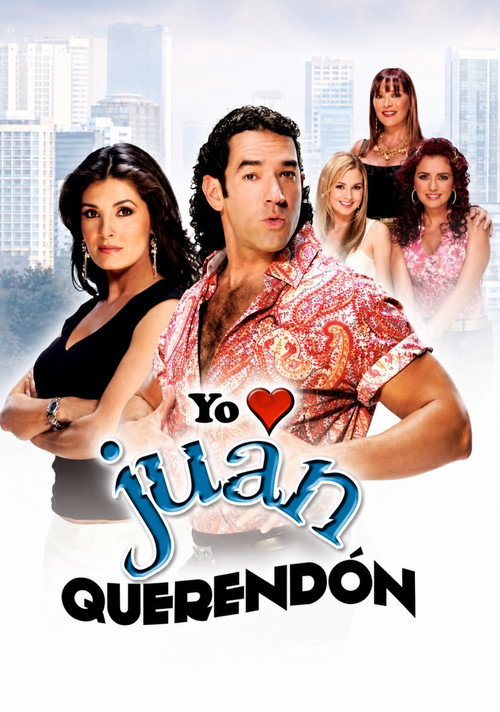
Yo Amo a Juan Querendón is a Mexican telenovela that aired on Univision at 7pm/6c for one year beginning in February 2007. The plot surrounded the story of Juan Dominguez and his interactions with the Cachon Family. The program was a remake of Pedro El Escamoso, a Colombian telenovela.
Yo amo a Juan Querendón
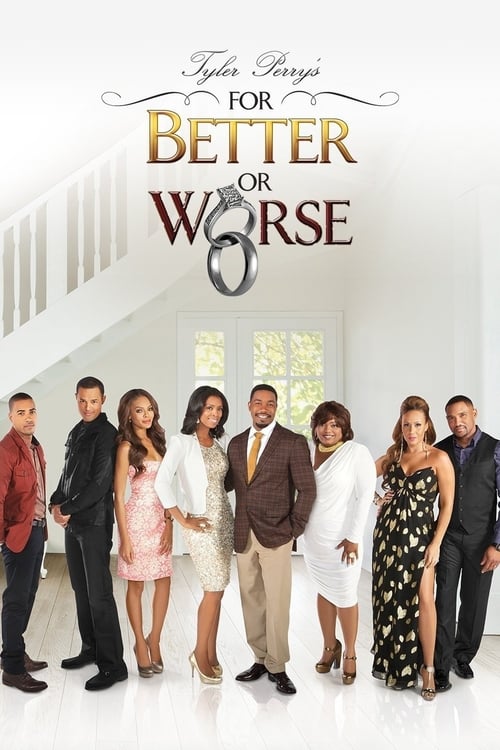
Follow the ups-and-downs of Angela Williams, the owner of a successful beauty salon, and her husband of 13 years, Marcus, a former professional football player who has recently partnered with Richard Ellington and Joseph Jetson on a new sports news program called "C-Sports Now."
Tyler Perry's For Better or Worse

Une comédie sur les triomphes et les tribulations du mariage et de l'amitié selon des perspectives très différentes. Il s'agit des choses drôles - et parfois agaçantes - qui se passent entre maris, femmes, parents, enfants, voisins et amis, jour après jour. La série se concentre sur Eddie et Joy Stark, un couple marié depuis 23 ans et résidant à Philadelphie, en Pennsylvanie.
'Til Death

Argentine re-make of American television series Married... with Children. It follows the Argento family and their lives.
Casados con Hijos

Nick Cannon, Sisqó et Reginae Carter s'affrontent lors des jeux "Bouffe ce cul", "Tu craches, tu perds", "R Beef" et "Wildstyle". Prestation de Sisqó.
Nick Cannon Presents: Wild 'N Out
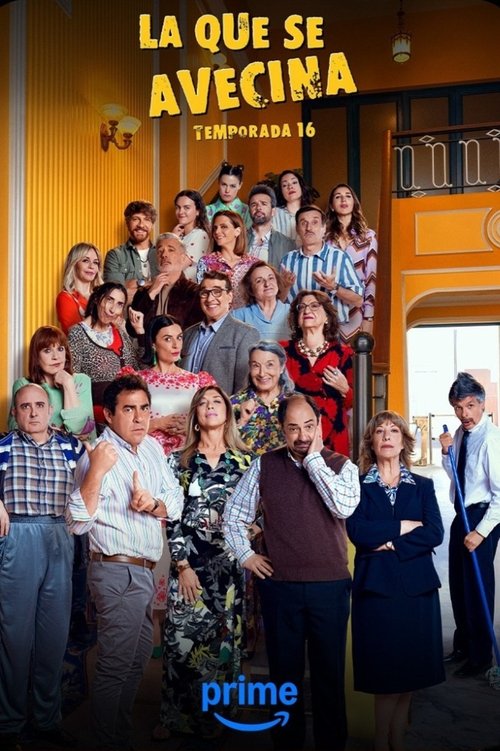
La que se avecina is a Spanish television comedy created by Alberto Caballero, Laura Caballero and Daniel Deorador. The TV-series focusing around the inhabitants of Mirador de Montepinar, a fictional building located on the outskirts of a big city. Both its storylines and cast are heavily based on Aquí no hay quien viva, which ended when Telecinco bought Miramón Mendi, the series production company. The episodes debuted on the Telecinco network, and were later rerun by the same network as well as cable/satellite channels FactoríaDeFicción and Paramount Comedy. The series debuted in 22 April 2007 and became popular thanks to its funny characters, witty script, use of catchphrases and capacity to integrate and poke fun at contemporary issues; the program presents a caustic satire of many of the 'types' found in Spanish society. The name of the show involves wordplay, as "vecina" is the Spanish word for neighbour.
La que se avecina

La vie de couple n'est jamais facile, et Paul et Jamie se rendent bien compte que la cohabitation est une véritable épreuve : il faut s'adapter aux habitudes et aux manies de l'autre, supporter les amis envahissants et la belle famille, et renoncer à son intimité...
Dingue de toi

An anthology comedy series featuring a line up of different celebrity guest stars appearing in anywhere from one, two, three, and four short stories or vignettes within an hour about versions of love and romance.
Love, American Style

A comedy of manners that follows the daily miseries and constant micro-humiliations suffered by José Ramón and Berta, a married couple in whom no one, not even they themselves, has much faith.
Little Faith
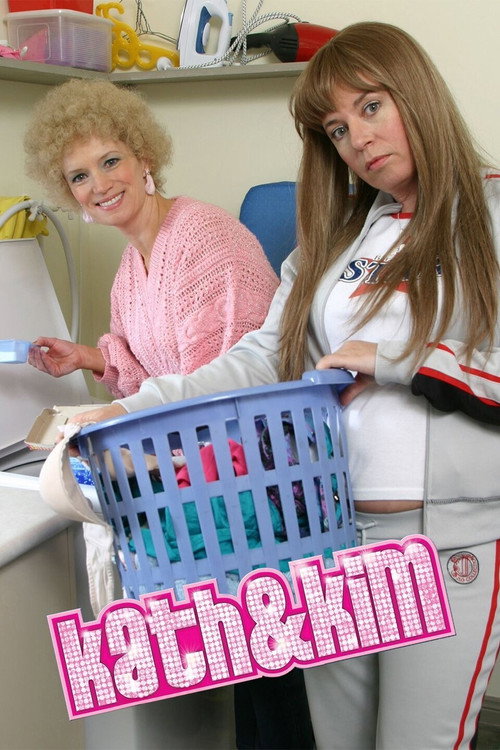
Kath se prépare à épouser Kel, un spécialiste de la bonne viande. Sa fille Kim fait son retour dans le foyer familial, désabusée après deux mois de mariage avec Brett.
Kath & Kim

A comedy series about a divorced dad who likes younger women, and his son who likes older women.
40 y 20

Un ex-champion de base-ball veuf, l'italo-américain Tony Micelli, souhaite quitter Brooklyn pour offrir à sa fille Samantha un cadre de vie plus agréable. Il devient alors homme à tout faire dans une famille aisée du Connecticut, constituée d'Angela Bower, une riche femme d'affaires séparée de son mari, son fils Jonathan et sa mère Mona Robinson, un peu nymphomane.
Madame est servie
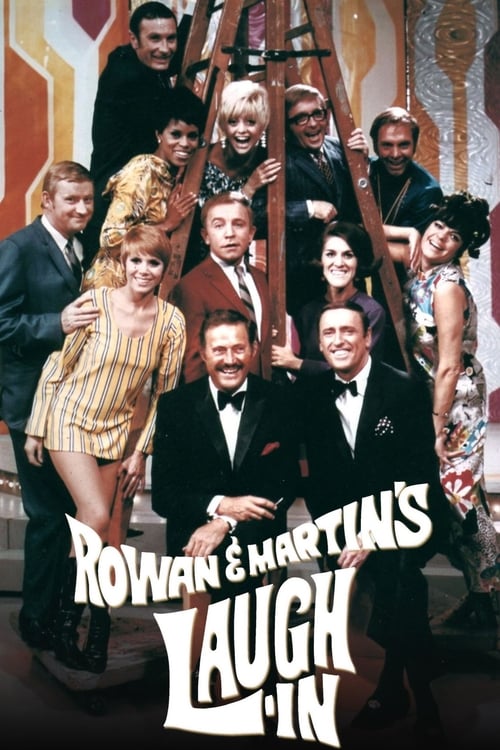
An American sketch comedy television program hosted by comedians Dan Rowan and Dick Martin.
Rowan & Martin's Laugh-In
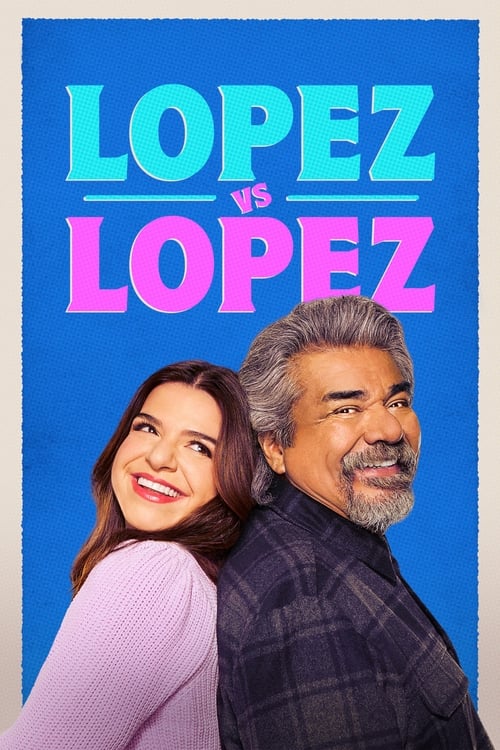
The story of a working-class, old-school Latino father who moves in with his modern Gen Z daughter as they rebuild their dysfunctional relationship one argument at a time.
Lopez vs Lopez
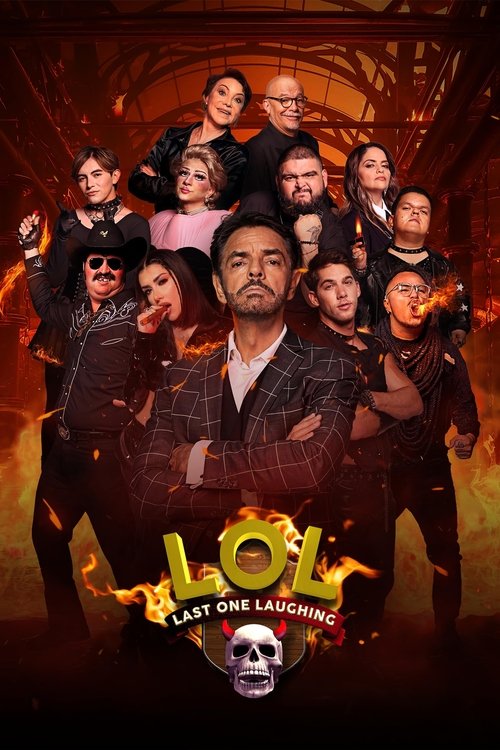
Une série de variétés non scénarisée du Mexique dans laquelle dix comédiens professionnels s'affrontent pour un prix en espèces en essayant de se faire rire. Celui qui s'abstient de rire le plus longtemps, en forçant les autres concurrents à rire en premier, est le gagnant.
LOL: Last One Laughing
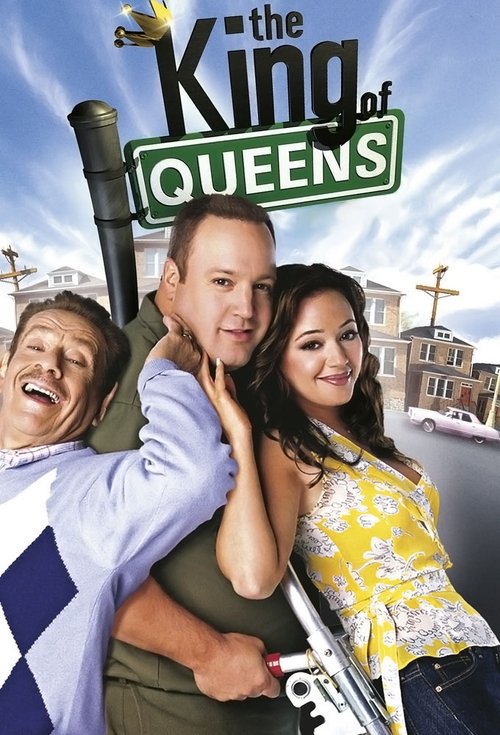
Doug Heffernan, chauffeur-livreur, et son épouse Carrie, secrétaire dans un cabinet d'avocats, mènent une vie paisible dans le Queens (quartier de New York) jusqu'au jour où l'excentrique père de Carrie vient s'installer chez eux…
Un gars du Queens

À San Francisco, Dharma, fille de hippies, professeur de yoga, adepte de New Age, et Greg, procureur issu d'un milieu très conservateur et bourgeois, tombent amoureux et se marient le jour-même de leur rencontre. La cohabitation des deux familles, on ne peut plus opposées, va engendrer toutes sortes de situations comiques.
Dharma et Greg
Burning Love est une série comique scénarisée qui est une parodie Web des émissions de télévision The Bachelor, The Bachelorette et Bachelor Pad. Selon la saison, l'émission suit soit un homme ou une femme qui recherche le compagnon idéal parmi un groupe de candidats, soit des candidats vivant ensemble dans un manoir en compétition pour un prix en espèces.
Burning Love
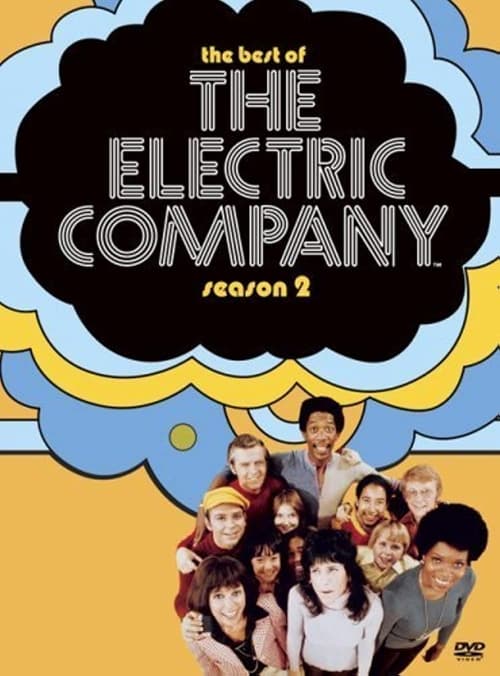
The Electric Company is an educational American children's television series that was produced by the Children's Television Workshop for PBS in the United States. PBS broadcast 780 episodes over the course of its six seasons from October 25, 1971 to April 15, 1977. After it ceased production that year, the program continued in reruns from 1977 to 1985, the result of a decision made in 1975 to produce two final seasons for perpetual use. CTW produced the show at Teletape Studios Second Stage in Manhattan, the first home of Sesame Street. The Electric Company employed sketch comedy and other devices to provide an entertaining program to help elementary school children develop their grammar and reading skills. It was intended for children who had graduated from CTW's flagship program, Sesame Street. Appropriately, the humor was more mature than what was seen there.