Synopsis
Épisodes
Vous aimerez aussi

Un gancho al corazón is a Mexican telenovela that began airing on Mexico's Canal de las Estrellas, beginning August 25, 2008. It began airing in the United States on Univision on June 22, 2009, with the show's run ending there on May 3, 2010. The telenovela is a production of Angelli Nesma Medina and is an original story by Adrian Suar starring Danna Garcia, Sebastián Rulli, and Laisha Wilkins. The telenovela is a remake of Argentine daily comedy Sos mi vida.
Un gancho al corazón
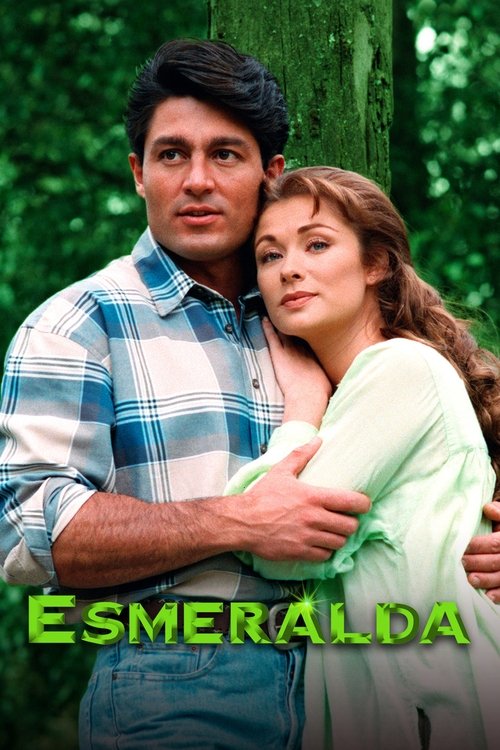
Esmeralda is a telenovela that was released by Televisa in 1997. It is a remake of a 1970 Venezuelan telenovela of that same name, and was itself remade in Brazil in 2004. Another version is Topacio from Venezuela in 1984. One of the most famous telenovela all the time.
Esmeralda

Mi Corazón Insiste… en Lola Volcán is a Spanish language telenovela produced by the United States-based television network Telemundo. Telemundo aired the serial from May 23 to November 28, 2011 at 8pm central. As with most of its other telenovelas, the network broadcasts English subtitles as closed captions on CC3. It is a remake of Colombian telenovela of 1998-1999 Yo amo a Paquita Gallego by Julio Jimenez.
My Heart Beats for Lola Volcán
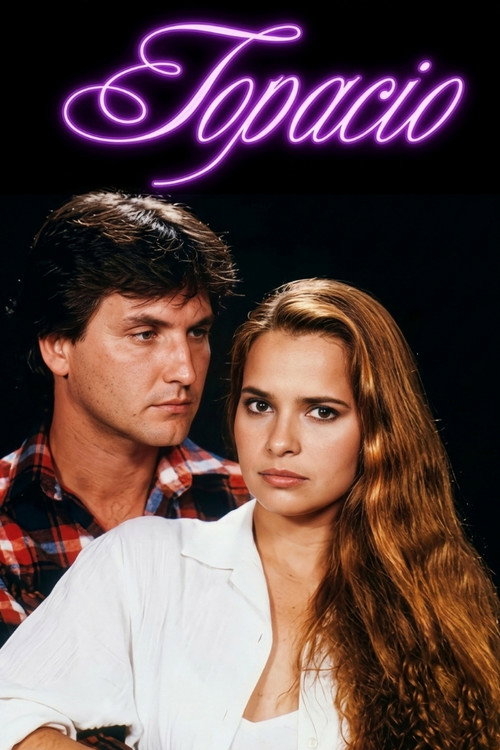
It depicts the life of Topázio, a blind woman who falls in love with Jorge Luis, the son of the owners of a large estate; little did they know, however, that they had been switched at birth, as Topázio had been presumed dead. Topázio had a close friend, Sirilo, who suffered from mental health issues.
Topacio

Victorinos is a Spanish-language telenovela produced by the United States-based television network Telemundo. It debuted on June 23, 2009, replacing Sin Senos no hay Paraíso and concluded February 5, 2010. The telenovela is a remake of the 1991 RTI Colombia weekly series Cuando Quiero Llorar No Lloro, which in turn is based in the homonymous 1970 novel by Venezuelan writer Miguel Otero Silva. Ramiro Meneses, who is currently directing the Telemundo telenovela, starred as one of the Victorinos in the 1991 RTI series. The serial ran from Monday to Friday to run for over 26 weeks. As with most of its other soap operas, the network broadcasts English subtitles as closed captions on CC3. Ironically, this show was replaced by the original serial of the show, it had replaced.. Telemundo is currently re-airing the series at 12:30/11:30 PM slot
Victorinos
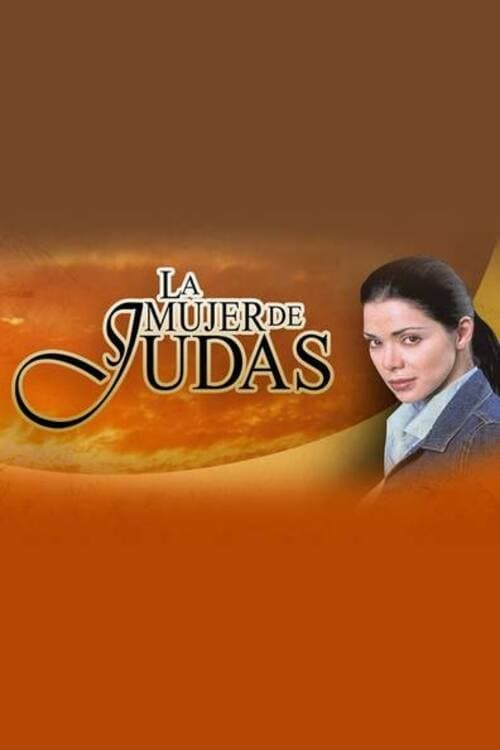
La Mujer de Judas or The Wife of Judas is a telenovela produced by RCTV in Venezuela in 2002. Astrid Carolina Herrera, Chantal Baudaux, Juan Carlos Garcia are playing the main characters and it was directed and created by Martin Hahn. It consists of 126 episodes.
La mujer de Judas

Les amours et les rivalités des habitants de Pine Valley, en Pennsylvanie.
La Force du destin
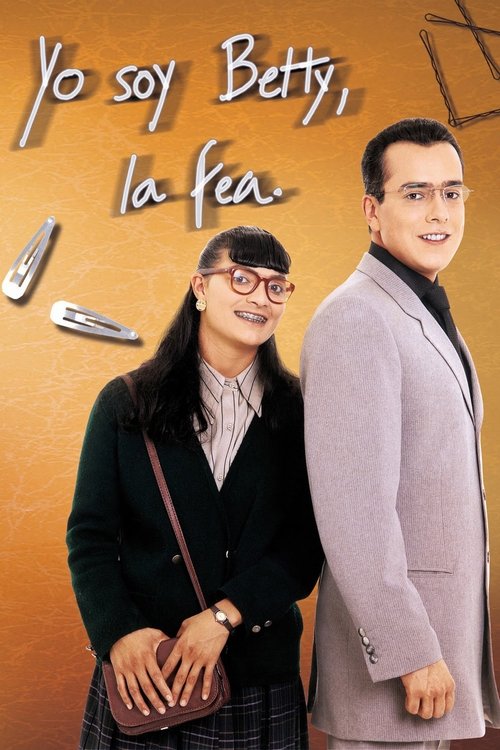
Beatriz Aurora Pinzón Solano, Betty, est une brillante économiste qui travaille comme secrétaire dans une entreprise de mode fictive en Colombie, Ecomoda. Betty doit constamment faire face au mépris de plusieurs de ses collègues superficiels d'Ecomoda, mais elle prouve au président, Armando Mendoza, qu'elle est indispensable à l'entreprise. Elle devient complice d'Armando à l'insu des autres, pour sauver Ecomoda de la faillite, puis cette complicité se transforme en relation amoureuse.
Je suis Betty, la moche

La Mujer Del Vendaval is a 2012 Mexican telenovela produced by Mapat L. de Zatarain for Televisa. It is a remake of the Venezuelan telenovela Un Esposo para Estela. Ariadne Díaz and José Ron star as the main protagonists, while Chantal Andere, Marco Muñoz, Manuel Flaco Ibañez and Florencia del Saracho as the main antagonists.
The Lady from Vendaval

Leticia Padilla Solís, “Leti”, is an intelligent but unattractive girl, rather ugly. She graduated with honors in economics, speaks several languages, is fluent in computers, and is a financial genius. Only, because of his physique, she can't find work. Desperate to find a job, “Lety” decides to accept being hired below her level and takes a job as a secretary at Conceptos, a famous video production company, where ugliness is taboo. The production company “Conceptos” was founded by two good friends: Don Humberto Mendiola, and Julián Villaroel. Unfortunately, shortly after, the Villaroels die in an accident and Don Humberto and his wife Teresita take care of the Villaroels' orphaned children: Ariel, Marcia and Ana Leticia and the successful company.
La fea más bella

1763. The life of Adriana, a brave and loyal woman, suffers an unexpected setback when she receives a devastating blow: her father has died, and, as a result of a secret pact, she must travel from the city of Madrid to Valle Salvaje, in northern Spain, to marry a stranger. A dark secret from her past follows her to the remote valley, home to her fiancé's family and her troubled aunt, Doña Victoria. There, her life will change forever. She will experience true love, betrayal, and danger as she tries to uncover the truth behind her father's death.
Valle salvaje

Hasta Que el Dinero Nos Separe is a telenovela produced by Emilio Larrosa. It is a remake of the Colombian soap opera Hasta Que la Plata Nos Separe. Hasta Que el Dinero Nos Separe stars Itatí Cantoral, Pedro Fernández, Victor Noriega, Luz Elena González and Joana Benedek. The telenovela made its debut on June 29, 2009 at 8 pm in Mexico's Canal de las Estrellas, in HD in some markets, and January 18, 2010 at 8/7 pm USA's Univision, starting on April 26, 2010, it aired from 8 pm est to 10 pm est in HD in some markets, until June 1, 2010, when Soy Tu Dueña premiered on Univision at 9pm, thus returning the novela back to its former one hour airing time. On February 16, 2010 Hasta Que El dinero nos separe premiered on internet TV's bsn Latino. "The Best Telenovela of the Year 2010."
Hasta que el dinero nos separe

Mistreated by the Narváez family, the poor and innocent Maricruz is humiliated, abandoned, and imprisoned, losing everything. Upon discovering her true origins, she transforms into a wealthy and powerful woman. Driven by grief and the loss of her father, she vows revenge against everyone who made her suffer.
Wild at Heart

Los Reyes is a telenovela filmed in Colombia and produced by the Colombian network, RCN. It debuted in 2005 and is available via RCN cable TV in the United States.
Los Reyes

Victoria est l’incarnation même de la réussite : créatrice de mode reconnue, une très belle femme mariée à un acteur célèbre, elle est admirée de tous. Mais elle cache à toute sa famille un lourd secret et une profonde blessure. Elle vit dans un luxueux manoir au Mexique avec son mari Osvaldo, un acteur célèbre. Ils élèvent deux enfants, Fernanda et Maximiliano (fils d’Osvaldo et de sa première épouse). Certes, on peut dire que Victoria est une femme qui a réussi, mais cela n’a pas toujours été le cas. Dans sa jeunesse, elle a travaillé comme femme de ménage pour Bernarda, une fanatique religieuse dont le fils Juan Pablo étudiait au séminaire pour devenir prêtre. Quand Juan Pablo rencontre Victoria pour la première fois, ils tombent instantanément amoureux. Une nuit, ils s'abandonnent à leur passion. Quand Victoria se rend compte qu'elle est enceinte, Juan Pablo est déjà retourné au séminaire. Alors Bernarda la chasse de sa maison. Toute seule, Victoria donne naissance à sa fille. Trois ans plus tard Bernarda cherche à se débarrasser d'elle en causant un accident alors que Victoria et sa petite fille, Maria, se promènent dans la rue. Malheureusement, Victoria est renversée par une voiture et est emmenée à l’hôpital mais personne n'a vu sa fille. Alors, depuis cet accident, Victoria cherche désespérément sa fille... Mais ce qu'elle ne sait pas, c'est que Maria a été recueillie par des nonnes dans un orphelinat religieux...
Le triomphe de l'amour
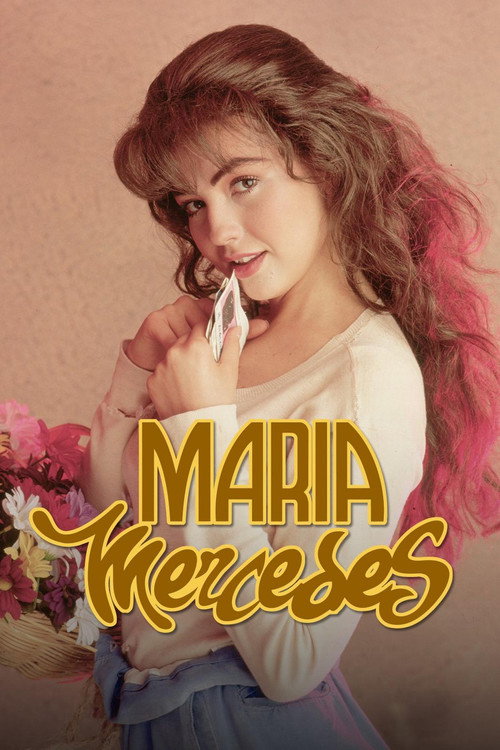
María Mercedes, a poor girl who sells lottery tickets, meets a rich man who hates his own family and sees in María Mercedes an opportunity to make their lives miserable.
Maria Mercedes

Sofía Peralta-Avitia Villaseñor, a successful businesswoman and great mother, who feels lonely in her marriage to Gonzalo Balmori-Ricci Nava. At the same time, her daughter, Bárbara Balmori-Ricci Peralta-Avitia, and her young bodyguard, Salvador "Chava" Reyes Encino, will transform their rebelliousness into passion. But none of them know that the evil, ambitious people around them will try to meddle in their paths on their road to love.
Guardián de mi vida

Fernando Lascurain, riche veuf, élève seul ses sept enfants turbulents. Il engage Ana Leal, une danseuse exotique en difficulté, comme nounou. Malgré son manque d’expérience, Ana se rapproche des enfants. Après avoir perdu sa maison, elle doit emprunter de l’argent à son patron du club « Chicago ». Fernando tombe amoureux à la fois d’Ana et d’Isabela, une économiste sophistiquée, et doit choisir entre les deux femmes. Mais Ana, amoureuse, tente de cacher à Fernando sa double vie.
Mi corazón es tuyo
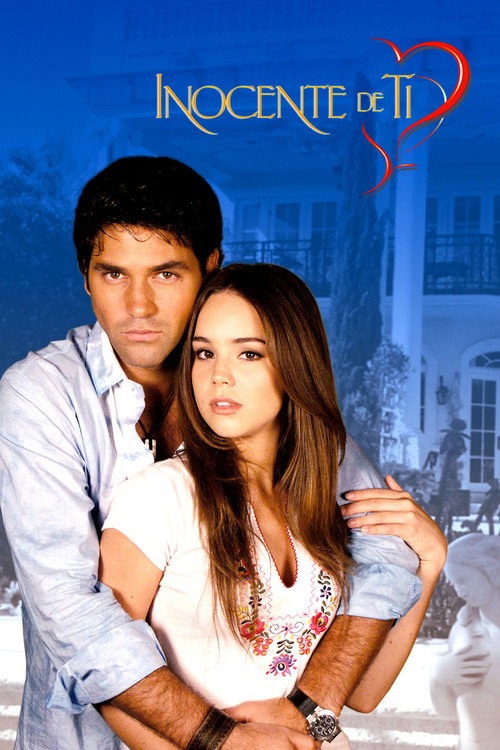
Inocente de Ti is a Miami-based 130 episode telenovela that first aired on the Univision network in 2005. It features Camila Sodi, Valentino Lanús, and Helena Rojo.
Inocente de Ti
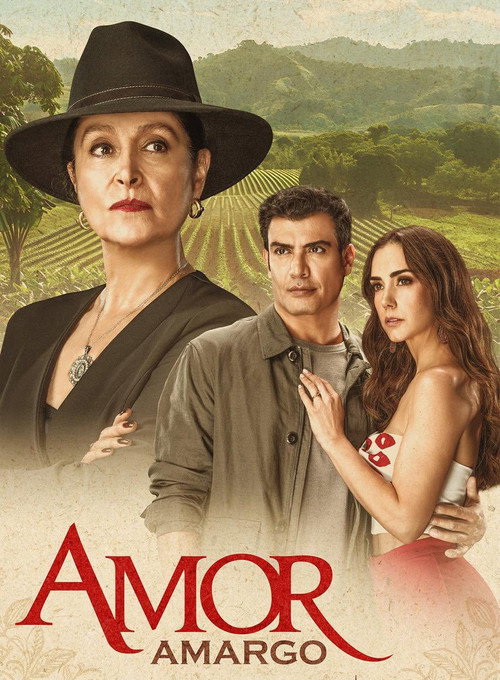
Amor Amargo is a Mexican telenovela produced by Pedro Ortiz de Pinedo for TelevisaUnivision and originally broadcast on Las Estrellas from November 4, 2024, to February 23, 2025. Based on the Portuguese telenovela Ilha dos Amores (2007), created by Maria João Mira and Diogo Horta, it was adapted by Héctor Forero, Gaby Ruffo, Lenny Ferro, Óscar Ortiz de Pinedo, and Carlos Arteaga. Directed by Juan Carlos Muñoz, Jorge Robles Sánchez, and Manolo Fernández, it stars Andrés Palacios, Ana Belena, Daniela Romo, Arturo Peniche, Martha Julia, and Alejandro Ávila. The story follows Tomás Jiménez, a successful businessman whose life changes after meeting Gabriela San José, a woman with a strong personality and a passion for her work. Their love faces obstacles caused by family conflicts, secrets, betrayal, and painful revelations from the past. As hidden truths emerge, Tomás and Gabriela must overcome resentment and ambition to find forgiveness, justice, and the possibility of a new beginning.