Synopsis
Episodes
You might also like
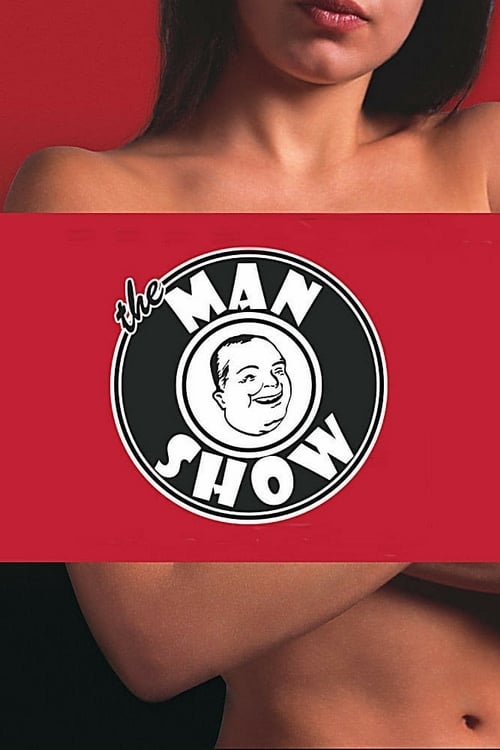
The Man Show is an American comedy television show on Comedy Central. It was created in 1999 by its two original co-hosts, Jimmy Kimmel and Adam Carolla, and their executive producer Daniel Kellison.
The Man Show

Cybill is an American television sitcom created by Chuck Lorre, which aired on CBS from January 2, 1995, to July 13, 1998. Starring, Cybill Shepherd, the show revolves around the life of Cybill Sheridan, a twice-divorced single mother of two and struggling actress in her 40s, who has never gotten her big show business break.
Cybill
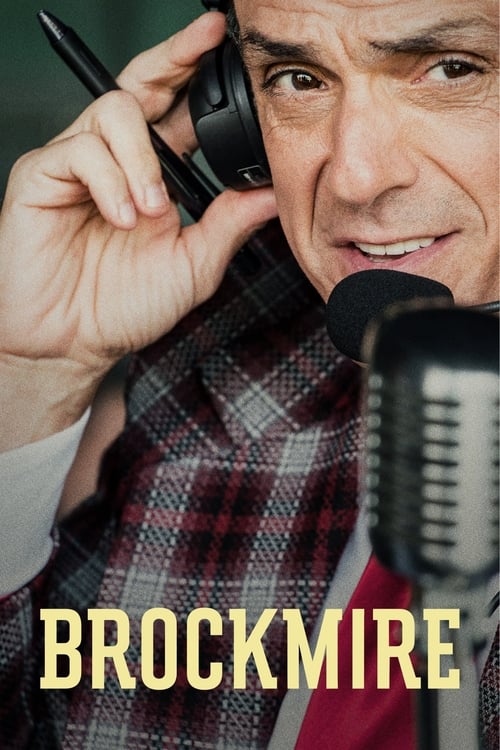
A famed major league baseball announcer who suffers an embarrassing and very public meltdown live on the air after discovering his beloved wife's serial infidelity decides to reclaim his career and love life in a small town a decade later.
Brockmire

A light-hearted look at the United Kingdom's Premier League action, rounding-up the weekend's football action.
Match of the Day 2
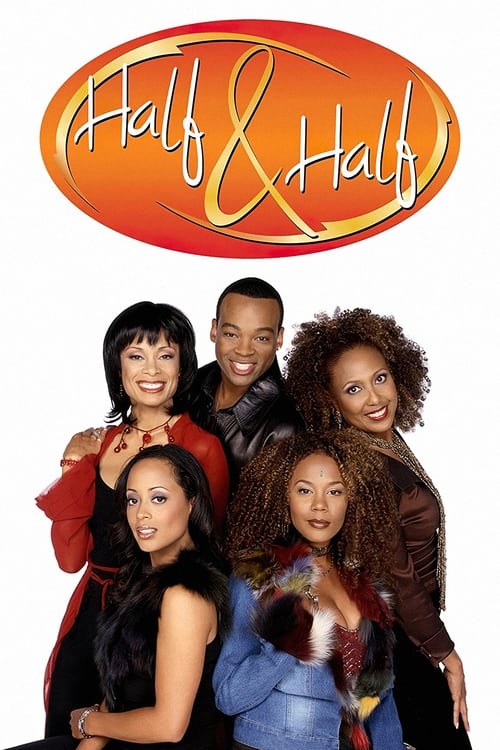
Half & Half is an American sitcom that aired on UPN from September 23, 2002, to May 15, 2006. The show focuses on the lives of two paternal half-sisters in their twenties who were estranged throughout their childhood, and are finally developing a close relationship. The series is set in San Francisco. It was the second-most-watched show on UPN's Monday night line-up and fourth overall on the network. The show was on The CW's first draft line-up in March 2006, but due to several circumstances—including The CW's contractual obligation to pick up Reba, the uncancelling of All of Us, and the pick-up of the Girlfriends spin-off The Game—Half & Half was left off the final Fall 2006 schedule and ended production. The series has aired in reruns on Global TV in Canada, Trouble in the UK and in local syndication in the United States. It also airs in the United States on TV One.
Half & Half
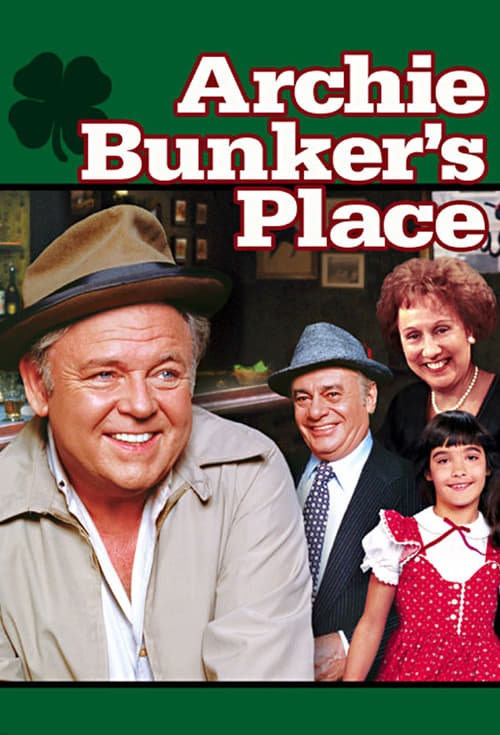
Archie Bunker's Place is an American sitcom originally broadcast on the CBS network, conceived in 1979 as a spin-off and continuation of All in the Family. While not as popular as its predecessor, the show maintained a large enough audience to last for four seasons, until its cancellation in 1983. In its first season, the show performed so well that it knocked Mork & Mindy out of its new Sunday night time slot.
Archie Bunker's Place
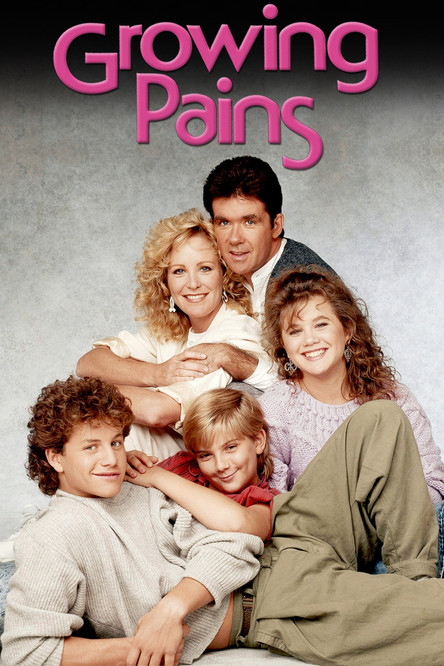
Fatherhood has taken on a whole new meaning for Jason Seaver, who has assumed the chores of cooking, cleaning and minding the kids so that his wife, Maggie, can pursue a career in journalism after spending 15 years as a housewife.
Growing Pains
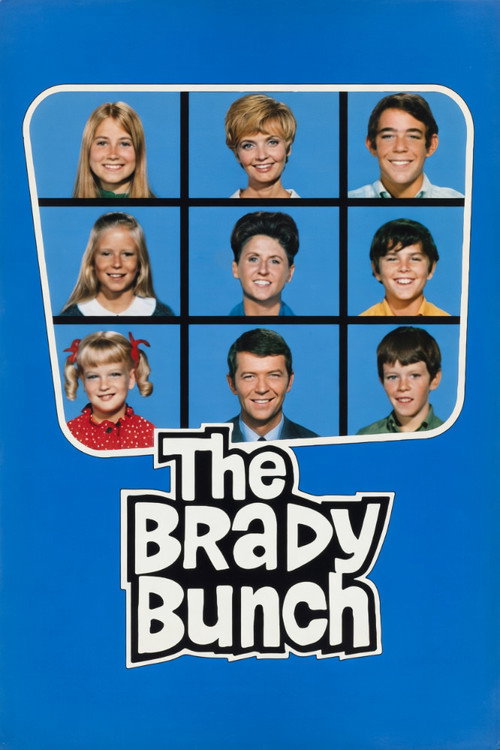
When widower Mike Brady marries a lovely lady widow Carol Ann, their two families become one. These are the misadventures of this new couple, their six children, a dog named Tiger, and quirky housekeeper Alice.
The Brady Bunch
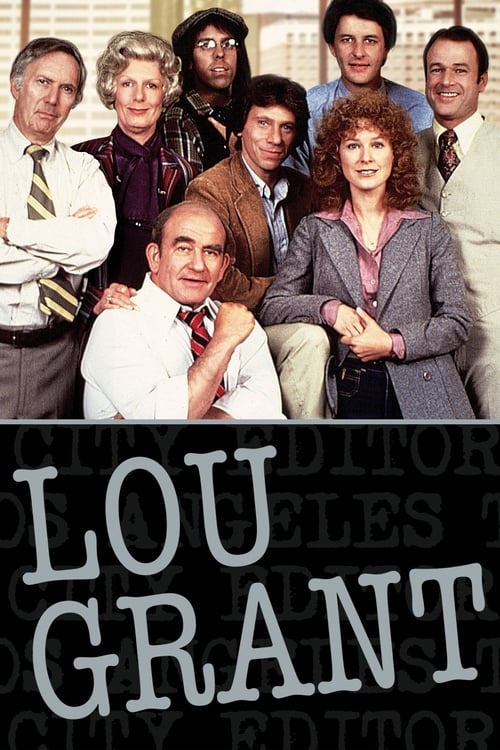
The trials of a former television station manager turned newspaper city editor, and his journalist staff.
Lou Grant
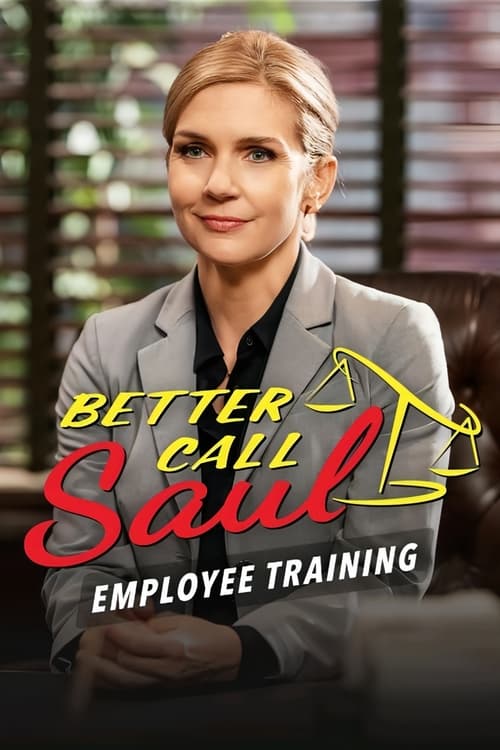
Gustavo Fring, Mike Ehrmantraut and Kim Wexler share tips for how to excel in the modern workplace, whether you're managing a fast food franchise, running corporate security or maintaining legal ethics.
Better Call Saul Employee Training

The misadventures of a divorced mother, two teenage daughters, and their new building superintendent in Indianapolis.
One Day at a Time

Yakko, Wakko and Dot return for all-new big laughs and the occasional epic takedown of authority figures in serious need of an ego check. Joining the Warners are Starbox & Cindy on their latest play date while Pinky and the Brain's ideas for world domination lead them to all new adventures.
Animaniacs

Murphy Brown (Candice Bergen) is a recovering alcoholic who returns to the fictional newsmagazine FYI for the first time following a stay at the Betty Ford Clinic residential treatment center. Over 40 and single, she is sharp tongued and hard as nails. In her profession, she is considered one of the boys, having shattered many glass ceilings encountered during her career. Dominating the FYI news magazine, she is portrayed as one of America's hardest-hitting (though not the warmest or more sympathetic) media personalities.
Murphy Brown
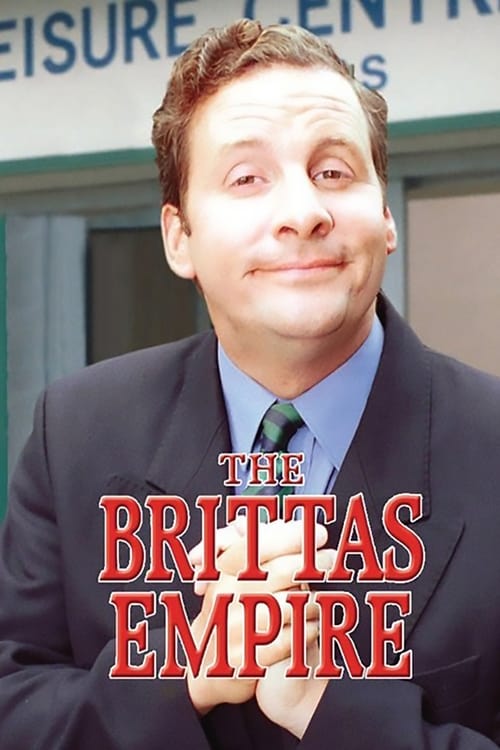
The Brittas Empire is a British sitcom created and originally written by Andrew Norriss and Richard Fegen. Chris Barrie plays Gordon Brittas, the well-meaning but incompetent manager of Whitbury New Town Leisure Centre. The show ran for seven series and 53 episodes — including two Christmas specials — from 1991 to 1997 on BBC1. Norriss and Fegen wrote the first five series, after which they left the show. The Brittas Empire enjoyed a long and successful run throughout the 1990s, and gained itself large mainstream audiences. In 2004 the show came 47th on the BBC's Britain's Best Sitcom poll, and all series have been released on DVD. The creators Andrew Norriss and Richard Fegen often combine farce with either surreal or dramatic elements in episodes. For example in the first series, the leisure centre prepares for a royal visit, only for the doors to seal, the boiler room to flood and a visitor to become electrocuted. Unlike the traditional sitcom, deaths were quite common in The Brittas Empire.
The Brittas Empire
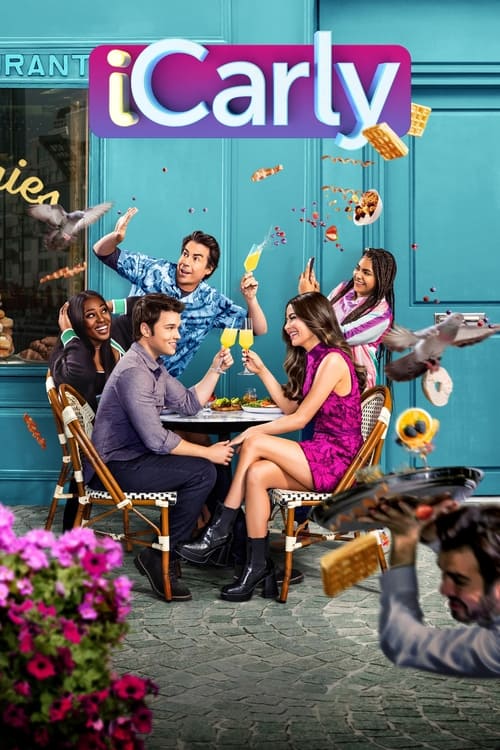
Ten years after signing off of one of TV's most iconic shows, Carly, Spencer, and Freddie are back, navigating the next chapter of their lives, facing the uncertainties of life in their twenties.
iCarly
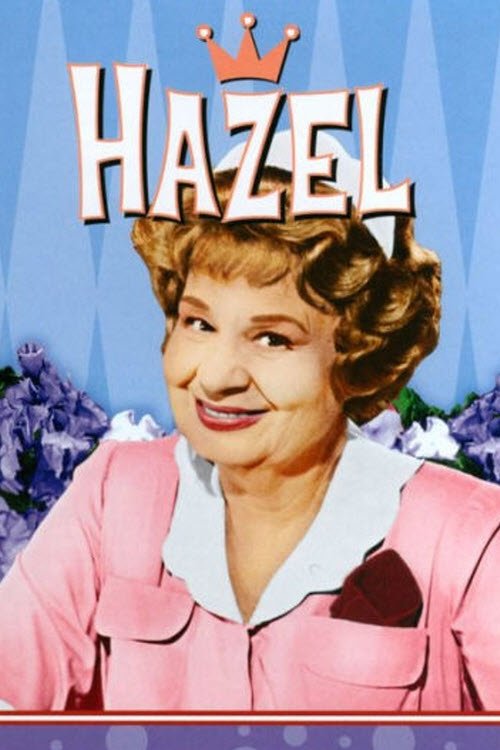
Hazel is an American sitcom about a fictional live-in maid named Hazel Burke and her employers, the Baxters. The five-season, 154-episode series aired in primetime from September 28, 1961 until April 11, 1966 and was produced by Screen Gems. The show aired on NBC for its first four seasons, and then on CBS for its final season. The first season, except for one color episode was in black and white, the remainder in color. The show was based on the popular single-panel comic strip by cartoonist Ted Key, which appeared in the Saturday Evening Post.
Hazel
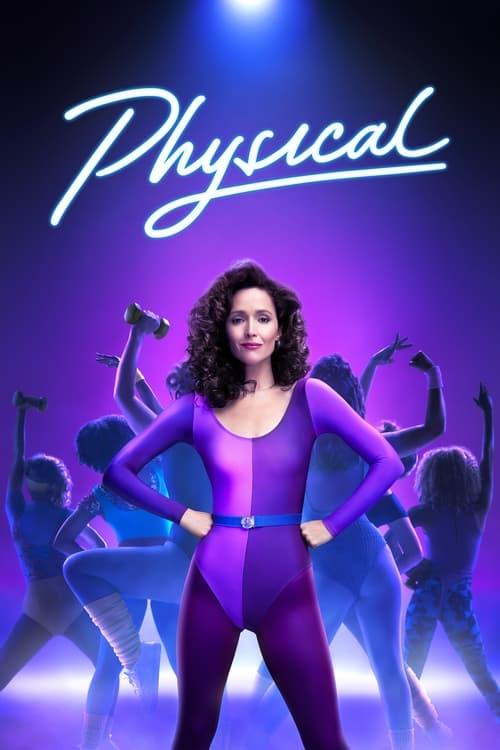
Sheila Rubin is a quietly tormented housewife in ’80s San Diego. Behind closed doors, she battles extreme personal demons and a vicious inner voice. But things change when she discovers aerobics, sparking a journey toward empowerment and success.
Physical
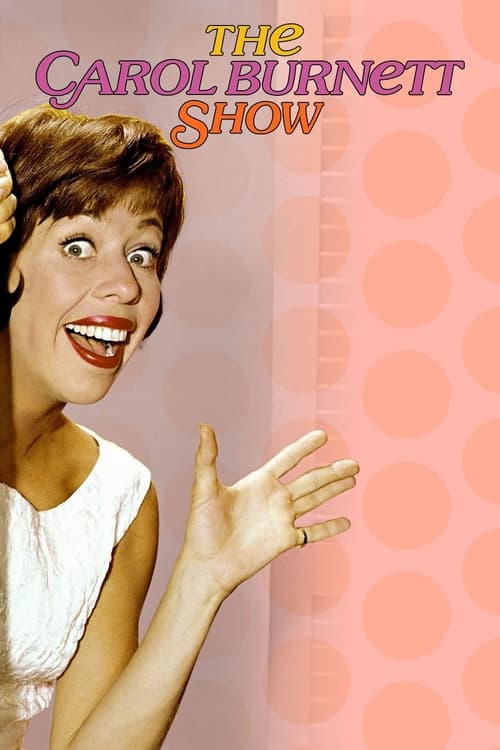
The Carol Burnett Show is an American variety/sketch comedy television show starring Carol Burnett, Harvey Korman, Vicki Lawrence, Lyle Waggoner, and Tim Conway. It originally ran on CBS from September 11, 1967, to March 29, 1978, for 278 episodes and originated from CBS Television City's Studio 33. The series won 25 prime time Emmy Awards, was ranked No. 16 on TV Guide's 50 Greatest TV Shows of All Time in 2002 and in 2007 was listed as one of Time magazine's "100 Best TV Shows of All Time."
The Carol Burnett Show
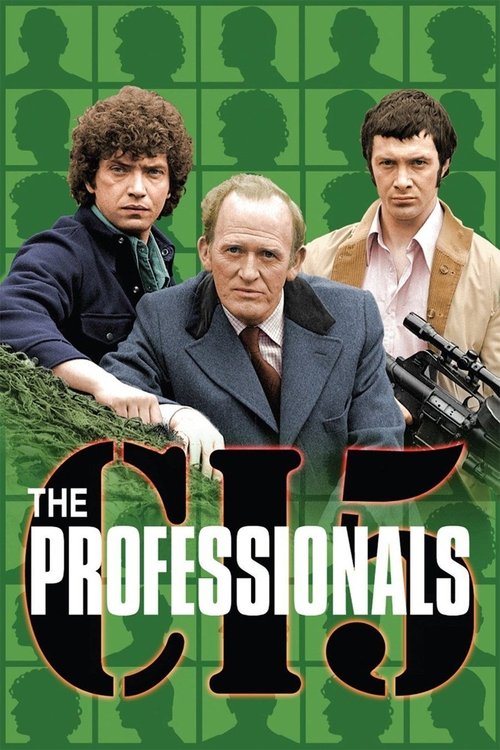
The lives of Bodie and Doyle, top agents for Britain's CI5 (Criminal Intelligence 5), and their controller, George Cowley. The mandate of CI5 was to fight terrorism and similar high-profile crimes. Cowley, a hard ex-MI5 operative, hand-picked each of his men. Bodie is a cynical ex-SAS paratrooper and mercenary whose nature ran to controlled violence, while his partner, Doyle, comes to CI5 from the regular police force, and is more of an open minded liberal. Their relationship is often contentious, but they are the top men in their field, and the ones to whom Cowley always assigned to the toughest cases.
The Professionals
You Can't Do That on Television is a Canadian television program that first aired locally in 1979 before airing internationally in 1981. It featured pre-teen and teenaged actors in a sketch comedy format. Each episode had a theme. The show was notable for launching the careers of many performers, including Alanis Morissette, and writer Bill Prady, who would write and produce shows like The Big Bang Theory, Gilmore Girls and Dharma and Greg. The show was produced by and aired on Ottawa's CTV station CJOH-TV. After production ended in 1990, the show continued in reruns on Nickelodeon through 1994, when it was replaced with the similar All That. The show is synonymous with Nick, and was at that time extremely popular, with the highest ratings overall on the channel. The show is also well known for introducing the network's iconic slime. The program is the subject of the 2004 feature-length documentary, You Can't Do That on Film, directed by David Dillehunt.