

Épisodes
Photos
Vous aimerez aussi
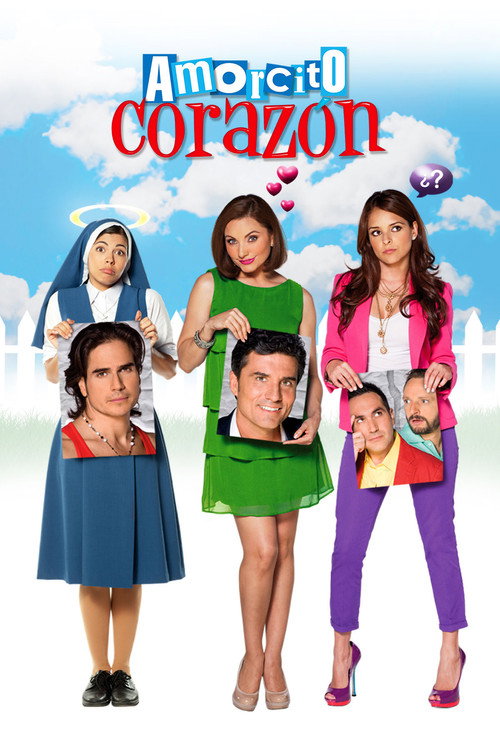
Amorcito Corazón is a Mexican telenovela produced by Televisa by Lucero Suarez. Rehabilitation of the Venezuelan RCTV telenovela Trapos Intimos. It stars Elizabeth Álvarez, Diego Olivera, Africa Zavala and Daniel Arenas, involving Fabiola Campomanes, Gerardo Murguia and Macaria as the main villains and stellar performances by the leading lady Mariana Karr, and Grettell Valdez. Canal de las Estrellas broadcast Amorcito Corazón from August 29, 2011, to June 10, 2012, with Cachito de Cielo replacing it. Univision confirmed an afternoon airing of Amorcito Corazón, and is currently seen weekday afternoons at 2pm central. Previously, Univision broadcast it at 3pm, replacing Dos Hogares from May 30 to June 15, 2012.
Amorcito Corazón
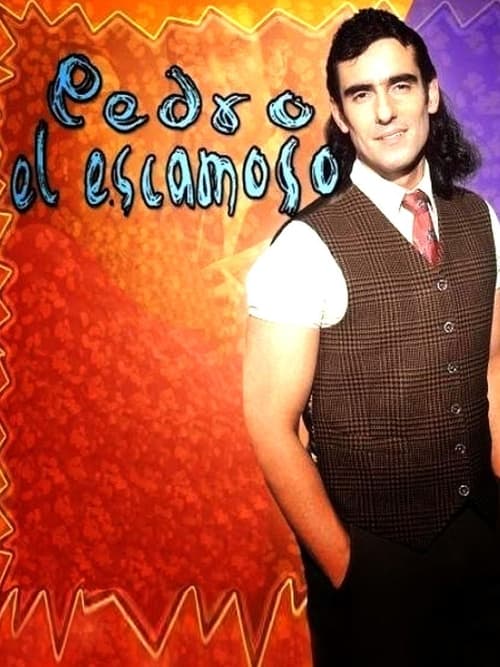
A charming man moves to the big city and falls for a female executive in this comedic telenovela.
Pedro El Escamoso

Leticia Padilla Solís, “Leti”, is an intelligent but unattractive girl, rather ugly. She graduated with honors in economics, speaks several languages, is fluent in computers, and is a financial genius. Only, because of his physique, she can't find work. Desperate to find a job, “Lety” decides to accept being hired below her level and takes a job as a secretary at Conceptos, a famous video production company, where ugliness is taboo. The production company “Conceptos” was founded by two good friends: Don Humberto Mendiola, and Julián Villaroel. Unfortunately, shortly after, the Villaroels die in an accident and Don Humberto and his wife Teresita take care of the Villaroels' orphaned children: Ariel, Marcia and Ana Leticia and the successful company.
La fea más bella

A Mexican telenovela based on the Argentinean telenovela Los Roldán.
Una familia con suerte

The series revolves around Toño, who accidentally discovers that he possibly has a twin brother named Ricardo, a high-class man who works at a large company. After Ricardo suffers an accident, Toño replaces him and lives an idyllic of love next to Natalia, a woman who was engaged to Ricardo. After the accident, Ricardo suffers from amnesia and begins a relationship with his neighbor Fabiana, a nice, simple, and honest young woman who has been in love with Tono since they were kids. Little by little, Ricardo suspects that the life he is living isn't his, and will try to discover the truth.
Como Tu No Hay 2

Patricia, 13 ans, vit sa maman Carmen dans un village tranquille du Sud de l'Argentine. La jeune fille a deux rêves : retrouver son père qu'elle ne connait pas et devenir célèbre en chantant dans une comédie musicale. Lorsque elle se rend avec sa maman à Buenos Aires pour des examens médicaux, le destin semble guider leurs pas : Carmen retrouve son grand amour de jeunesse Alexandre qui n'est autre que le père de sa fille... et Patricia retrouve Mathias, un garçon rencontré dans son village, lorsqu'il était en vacances et pour qui elle a eu le coup de foudre. Mais leur bonheur est jonché d'obstacles...
De Tout Mon Cœur
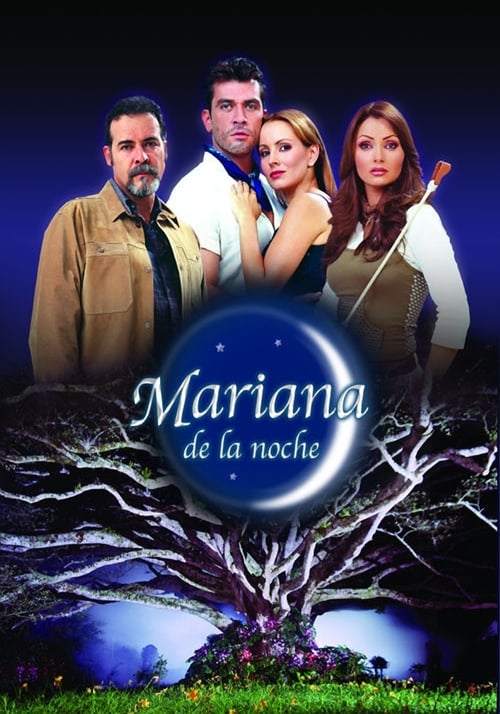
Mariana lives with her father, Atílio, and is motherless. He is a very powerful man, and he keeps a big secret: Mariana is not his biological daughter, Atílio has two sisters: Isabel, the oldest, a good and caring woman, who raised Mariana and loves her as if she were her own daughter; Márcia, the youngest, arrogant and very vain, has a cold heart, has never fallen in love with anyone and always mistreated Mariana, until a boy called Inácio Lugo Navarro arrives in the city, very attractive, who uses a false name and is looking for his roots and revenge.
Dark Fate

Aída is a Spanish comedy sitcom set in Madrid, that spin off from another sitcom called 7 Vidas. The show first aired on January 16, 2005 and is produced by Globomedia for the Spanish network Telecinco. It currently started its ninth season. The show stars Carmen Machi as the title character, Aída García, a working, single mother with two teenage children, forced to move in with her mother and brother to make ends meet. The show has received favorable criticism from the audience and has been the most viewed show in Spain since 2007. It has also received several awards like the Ondas Award for Best Spanish Sitcom. The Polish re-make of the series began airing in March 2012 on TVP2 channel.
Aída

Doña Bárbara is a Spanish-language telenovela produced by the United States-based television network Telemundo, Sony Pictures Television International and RTI Colombia. Edith González and Christian Meier star in this adaptation of the 1929 novel by Venezuelan author Rómulo Gallegos.
Doña Bárbara

Diagnosed with a terminal illness, Macarena turns her chronic hypochondria into a quest for authenticity, even as her handsome doctor hides a secret.
La Hipocondriaca
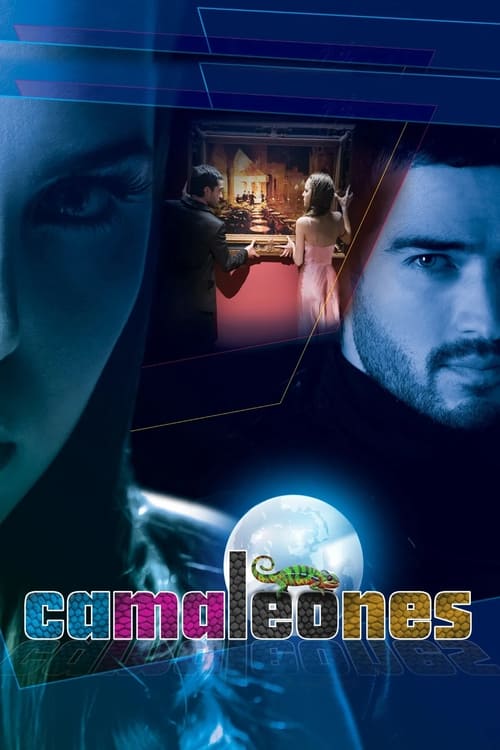
Valentina and Sebastián—known as "Los Camaleones"—are manipulated by "El Amo" into stealing artworks and valuable jewelry worth millions of dollars; if they fail to meet his demands, he wields enough power to kill their only loved ones, who are currently imprisoned because of Augusto Ponce de León. Ponce de León is the police chief—and Solange’s father—as well as a womanizer estranged from Francisca Campos; he is in charge of the "Camaleón" case, which he must solve to secure a political position and gain ever-increasing power.
Camaleones

Porque el Amor Manda is a 2012 Mexican telenovela produced by Juan Osorio for Televisa. It is a remake of the Colombian telenovela El secretario, produced by Juan Andrés Flórez in 2011. Fernando Colunga and Blanca Soto star as the protagonists Claudia Álvarez stars as the antagonist.
Porque el Amor Manda

El man es Germán is a Colombian comedy drama television series as a spin-off of the soap opera Las detectivas y el Víctor. The plot focuses on the fun and family based situations that punk rock father, German Quintero, and his friends and family live on a daily basis.
El Man es Germán

Lily et Jorge Diaz, sont frères et soeurs. Ils ont pour but de trouver l'amour. La fratrie Diaz va croiser le chemin de résidents - apparemment sans lien entre eux - pendant les vacances.
With Love

Oscar Leal is an irresponsible taxi driver who does not like compromises but a lover of parties. Oscar's life changes when he wins the lottery, going to live in a luxurious apartment where he meets Tatiana, an attractive business executive.
Vecinos
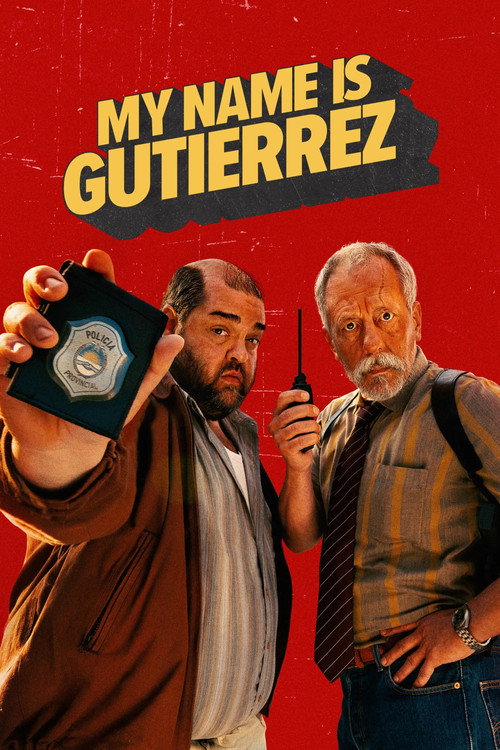
Deputy Commissioner Gutierrez competes with the CIA to solve the murder of the Russian Ambassador with his unique style.
My Name Is Gutierrez

Fernando Lascurain, riche veuf, élève seul ses sept enfants turbulents. Il engage Ana Leal, une danseuse exotique en difficulté, comme nounou. Malgré son manque d’expérience, Ana se rapproche des enfants. Après avoir perdu sa maison, elle doit emprunter de l’argent à son patron du club « Chicago ». Fernando tombe amoureux à la fois d’Ana et d’Isabela, une économiste sophistiquée, et doit choisir entre les deux femmes. Mais Ana, amoureuse, tente de cacher à Fernando sa double vie.
Mi corazón es tuyo

A high society woman loses everything and has to move with her three daughters, and her mom to a middle-class neighborhood.
Silvana Sin Lana

El diario de Daniela is a Mexican telenovela. It first aired on 1999, and starred Daniela Luján and Martín Ricca.
Daniela's Diary

Le quotidien de quatre amies afro-américaines célibataires. Entre leurs vies professionnelles respectives et les rendez-vous galants, elles tentent de résoudre la question : pourquoi ne parviennent-elles pas à se caser ?