
Carnival Tar
Episodes
You might also like
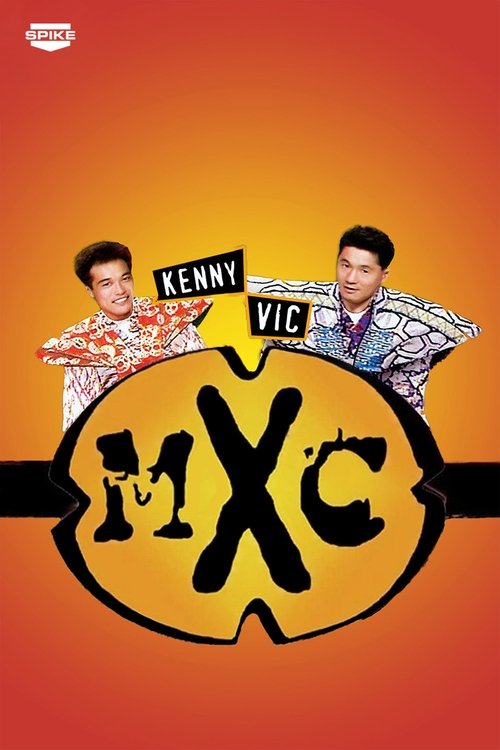
Footage from the popular game show, Takeshi's Castle has been re-edited, re-written and re-voiced into a hilarious, intentionally over-produced, modern "action/X-treme" sports show.
MXC

Takeshi's Castle was a Japanese game show that aired between 1986 and 1990 on the Tokyo Broadcasting System. It featured the Japanese actor Takeshi Kitano as a count who owns a castle and sets up difficult challenges for players to get to him. Contestants throw themselves into daunting physical challenges as they attempt to storm Takeshi's Castle and win the grand prize of one million yen. The show has become a cult television hit around the world. A special live "revival" was broadcast on April 2, 2005, for TBS's 50th anniversary celebrations.
Takeshi's Castle
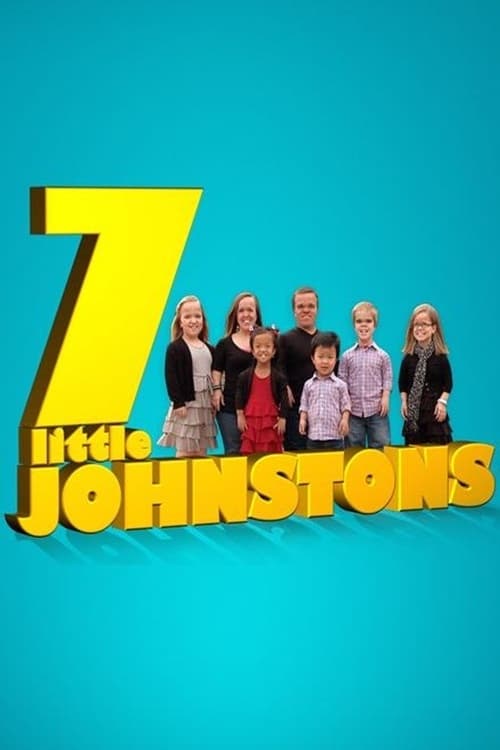
The Johnstons, a family of little people, juggle family and health issues on top of a home renovation.
7 Little Johnstons
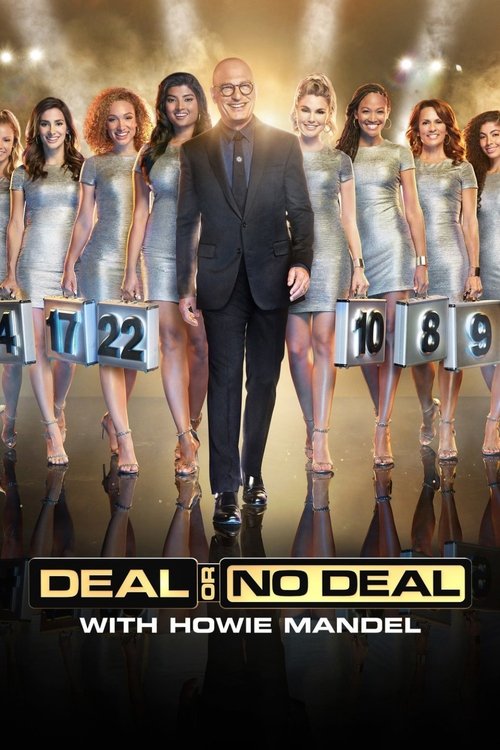
A contestant must choose from 26 sealed briefcases containing a marker for various amounts of cash from one penny to $1 million. The player then eliminates the remaining 25 cases one by one. The chosen ones are opened and the amount of money inside revealed. After several cases are opened, the player is tempted by the Banker to accept an offer of cash in exchange for not continuing the game and possibly winning a larger sum of money.
Deal or No Deal
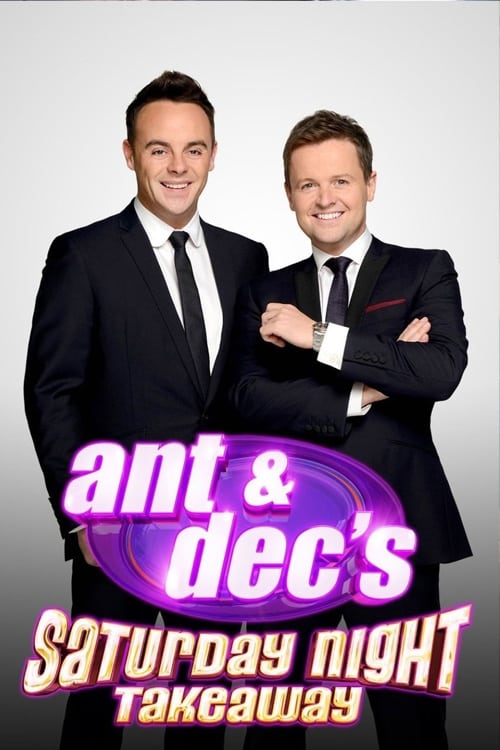
A gameshow hosted by Ant and Dec filled with stunts, sketches, and special guest appearances.
Ant & Dec's Saturday Night Takeaway
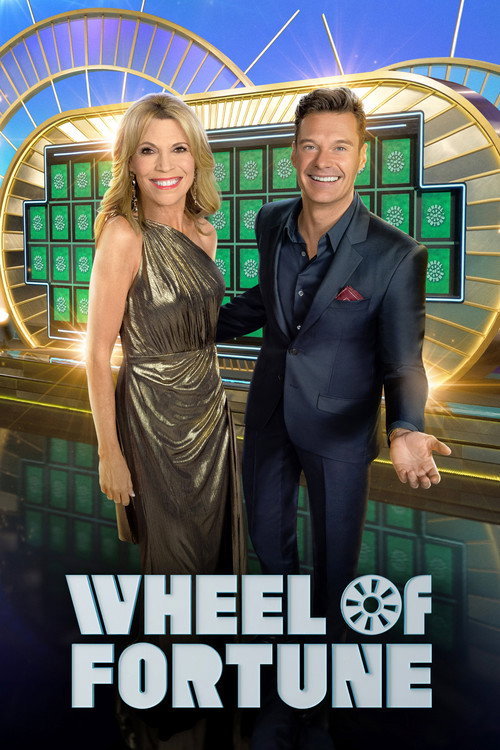
This game show sees contestants solve word puzzles, similar to those used in Hangman, to win cash and prizes determined by spinning a giant carnival wheel.
Wheel of Fortune
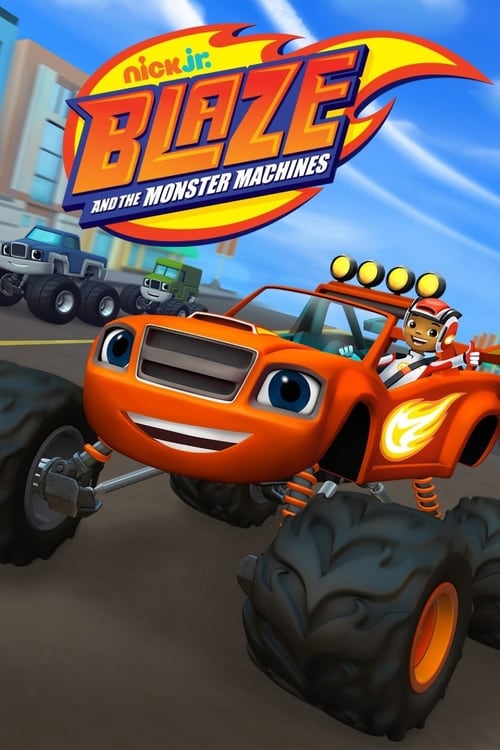
AJ is an 8-year-old techie who drives monster-truck Blaze, the top racer in Axle City. The two go on adventures that have them taking on problems involving science and math. Many predicaments they face are caused by Blaze's rival, Crusher, a tractor-trailer that will do anything to beat other vehicles to the finish line. The animated series is billed as the first TV show for preschoolers to comprehensively cover areas of science, technology, engineering and math. Each episode introduces different STEM concepts, including buoyancy and trajectory.
Blaze and the Monster Machines
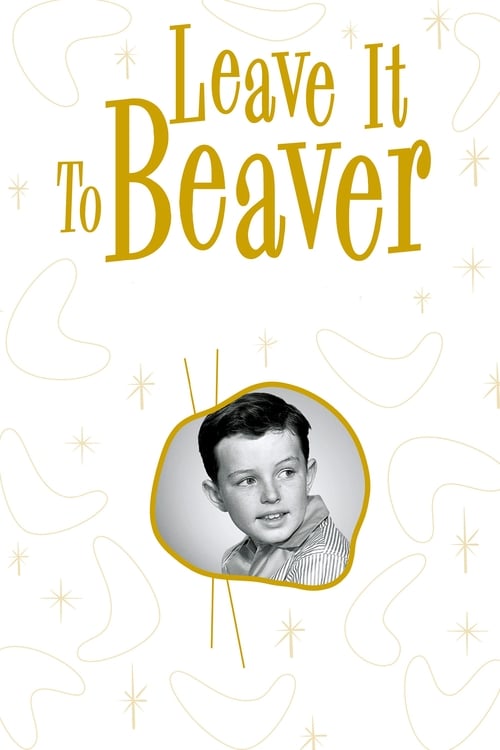
An inquisitive and often naïve boy, Theodore 'The Beaver' Cleaver, has adventures at home, in school, and around his suburban neighborhood. The show also starred Barbara Billingsley and Hugh Beaumont as Beaver's parents, June and Ward Cleaver, and Tony Dow as Beaver's brother Wally. The show has attained an iconic status in the US, with the Cleavers exemplifying the idealized suburban family of the mid-20th century.
Leave It to Beaver
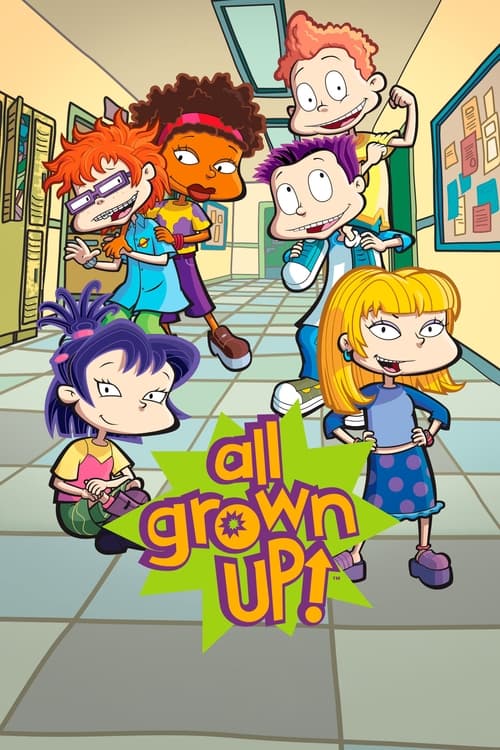
The former "Rugrats" tots now face preteen issues and dilemmas.
All Grown Up!
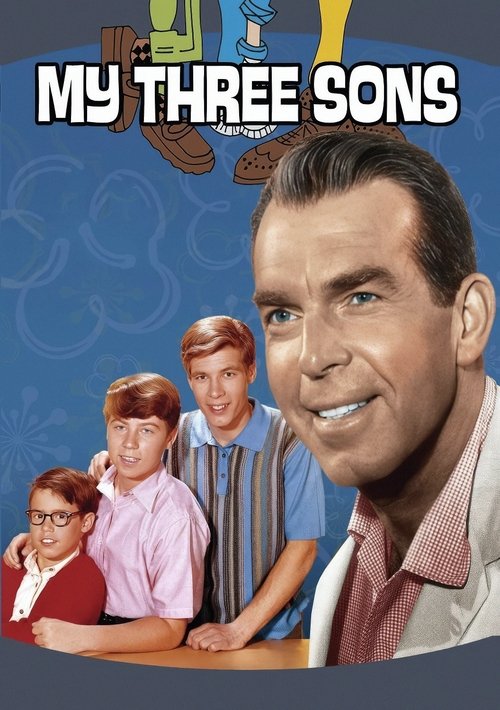
A widower and aeronautical engineer named Steven Douglas raises three sons with the help of his father-in-law, and later the boys' great-uncle. An adopted son, a stepdaughter, wives, and another generation of sons join the loving family in later seasons.
My Three Sons
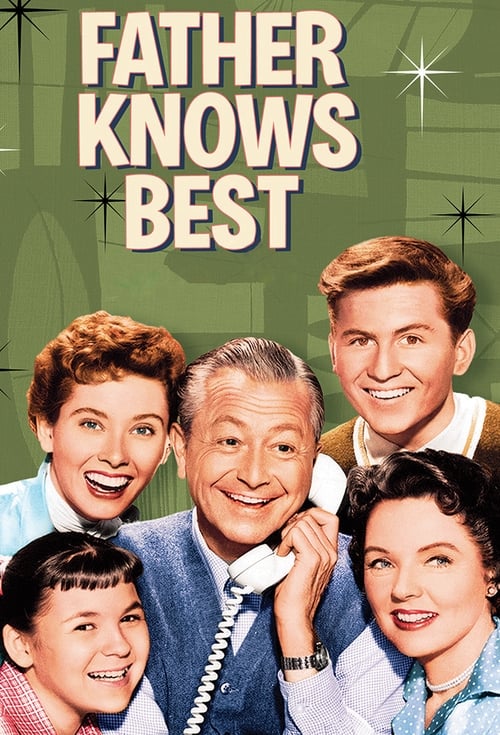
Family man Jim Anderson copes with the everyday problems among his wife Margaret and their three children as they experience day-to-day changes.
Father Knows Best
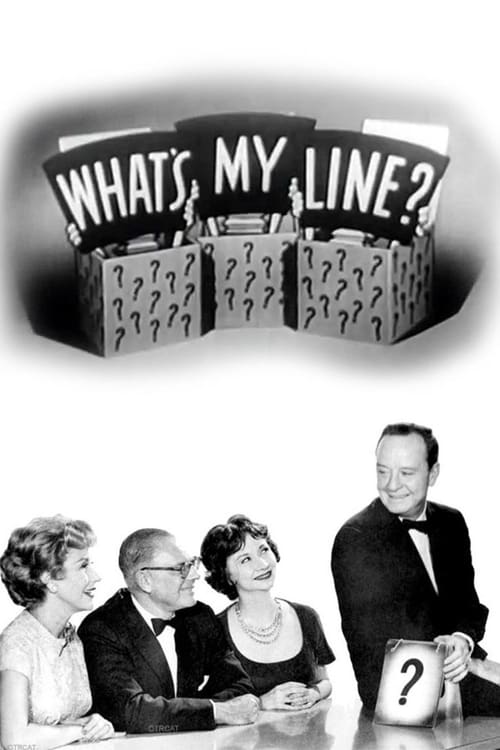
Four panelists must determine guests' occupations - and, in the case of famous guests, while blindfolded, their identity - by asking only "yes" or "no" questions.
What's My Line?
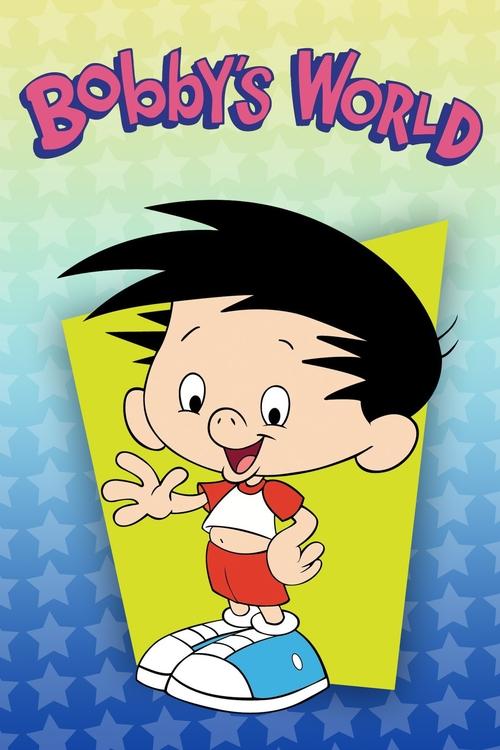
Bobby Generic lives in a typical suburban neighborhood and uses his overactive imagination to discover a world of daring adventure, incredible wonder and lots of laughs — all in pint-sized perspective.
Bobby's World
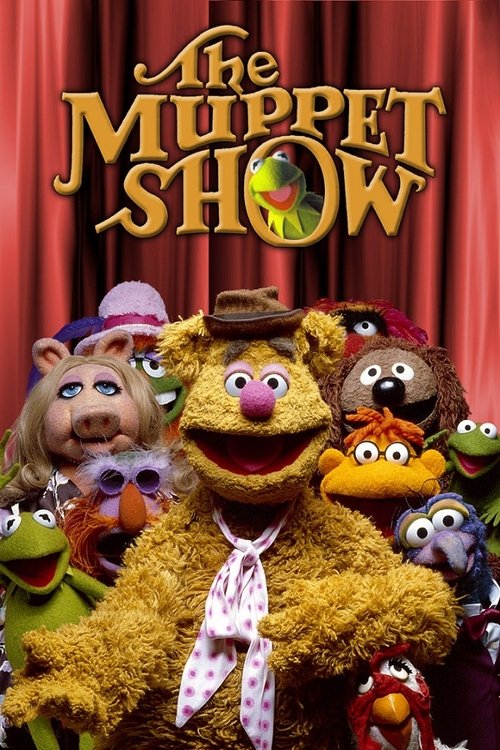
Go behind the curtains as Kermit the Frog and his muppet friends struggle to put on a weekly variety show.
The Muppet Show
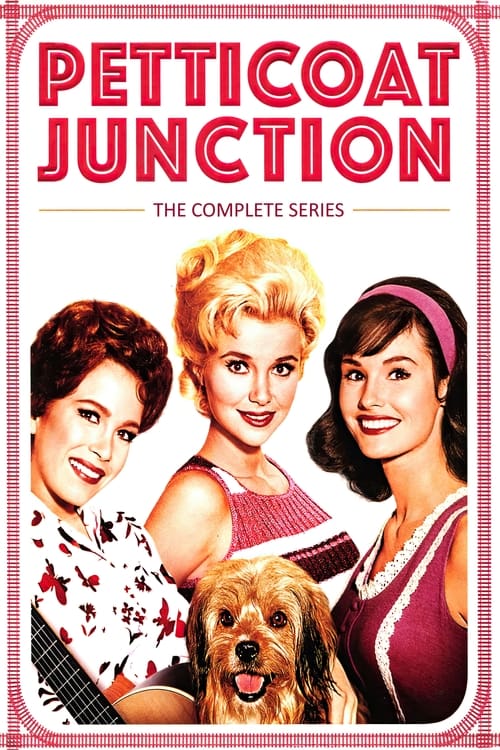
The Bradley family are proud owners of the Shady Rest Hotel. Kate and her three young daughters do the job of running the hotel.
Petticoat Junction
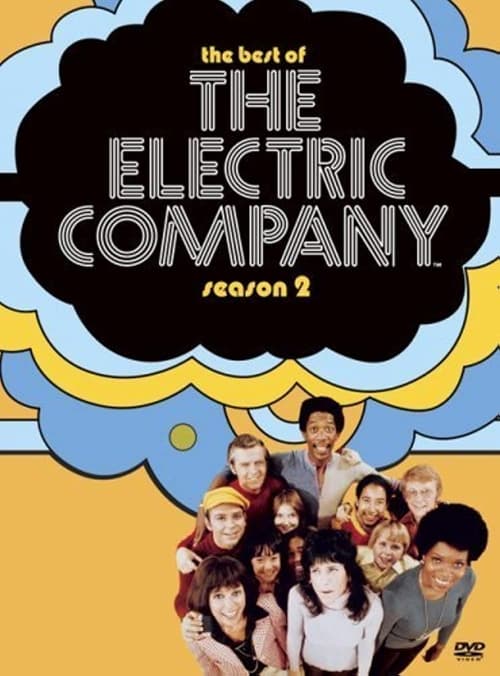
The Electric Company is an educational American children's television series that was produced by the Children's Television Workshop for PBS in the United States. PBS broadcast 780 episodes over the course of its six seasons from October 25, 1971 to April 15, 1977. After it ceased production that year, the program continued in reruns from 1977 to 1985, the result of a decision made in 1975 to produce two final seasons for perpetual use. CTW produced the show at Teletape Studios Second Stage in Manhattan, the first home of Sesame Street. The Electric Company employed sketch comedy and other devices to provide an entertaining program to help elementary school children develop their grammar and reading skills. It was intended for children who had graduated from CTW's flagship program, Sesame Street. Appropriately, the humor was more mature than what was seen there.
The Electric Company
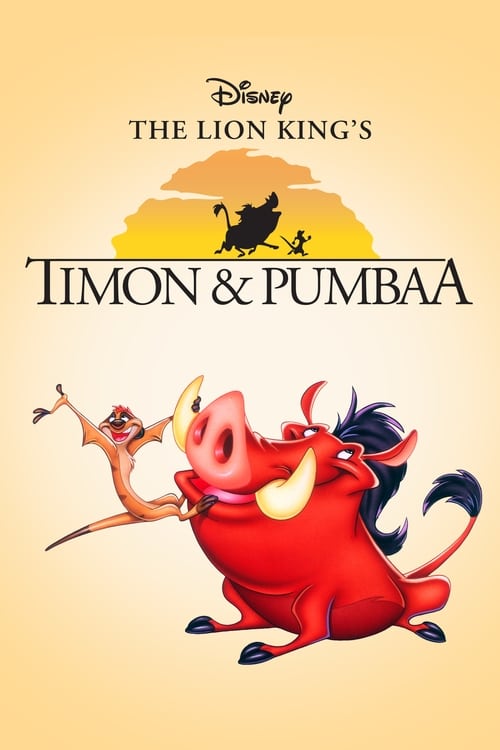
Set after the events of the "The Lion King," follow Timon and Pumbaa as they go on misadventures in the jungle, as well as across the globe in various.
Timon and Pumbaa
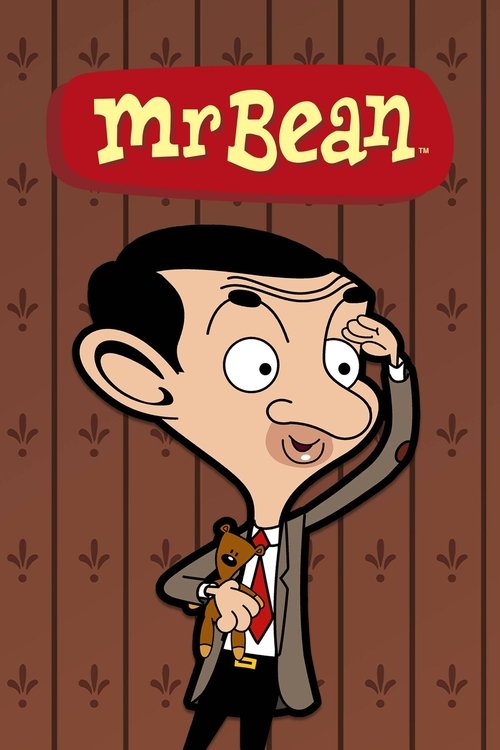
The animated daily trials and tribulations of clueless yet clever loner Mr Bean (aided by his best friend Teddy of course!) as he stumbles from one mishap to the next, always finding complex solutions to the simplest of problems.
Mr. Bean: The Animated Series
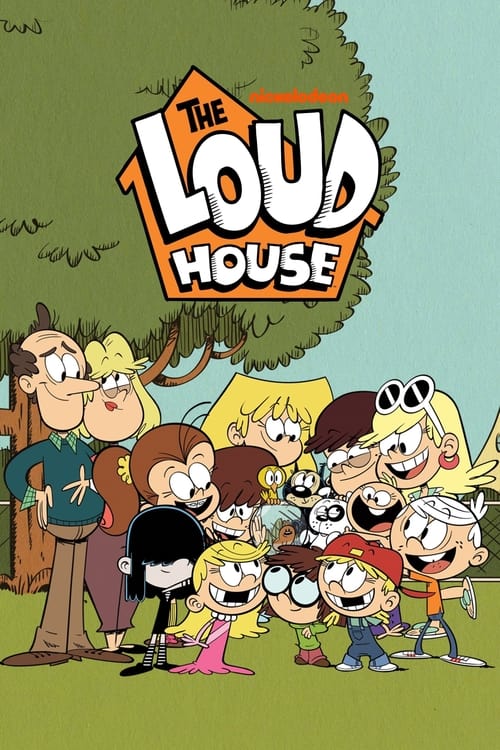
Welcome to the Loud House, where life can get pretty crazy. One boy, TEN girls?! Lincoln Loud wouldn’t change it for the world!
The Loud House
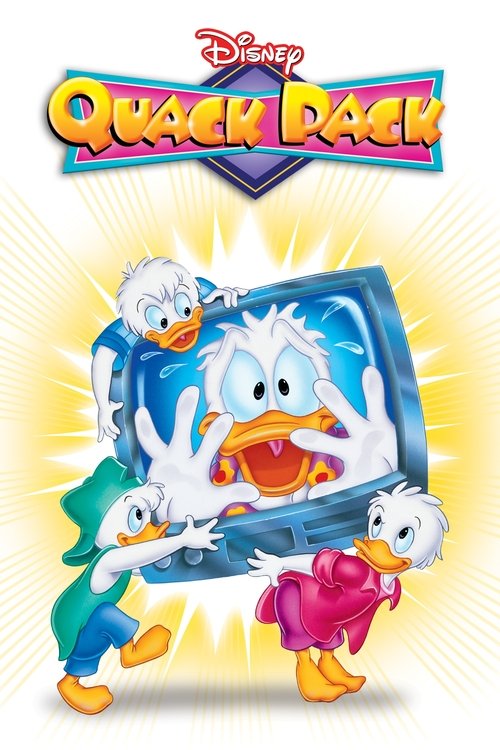
This cartoon follows on from the 1980’s cartoon “Ducktales”, continuing the adventures of Huey, Dewey and Louie. Now 12 year olds and living with their uncle Donald Duck, the three spend their time playing practical jokes on their hapless uncle and otherwise getting into trouble.