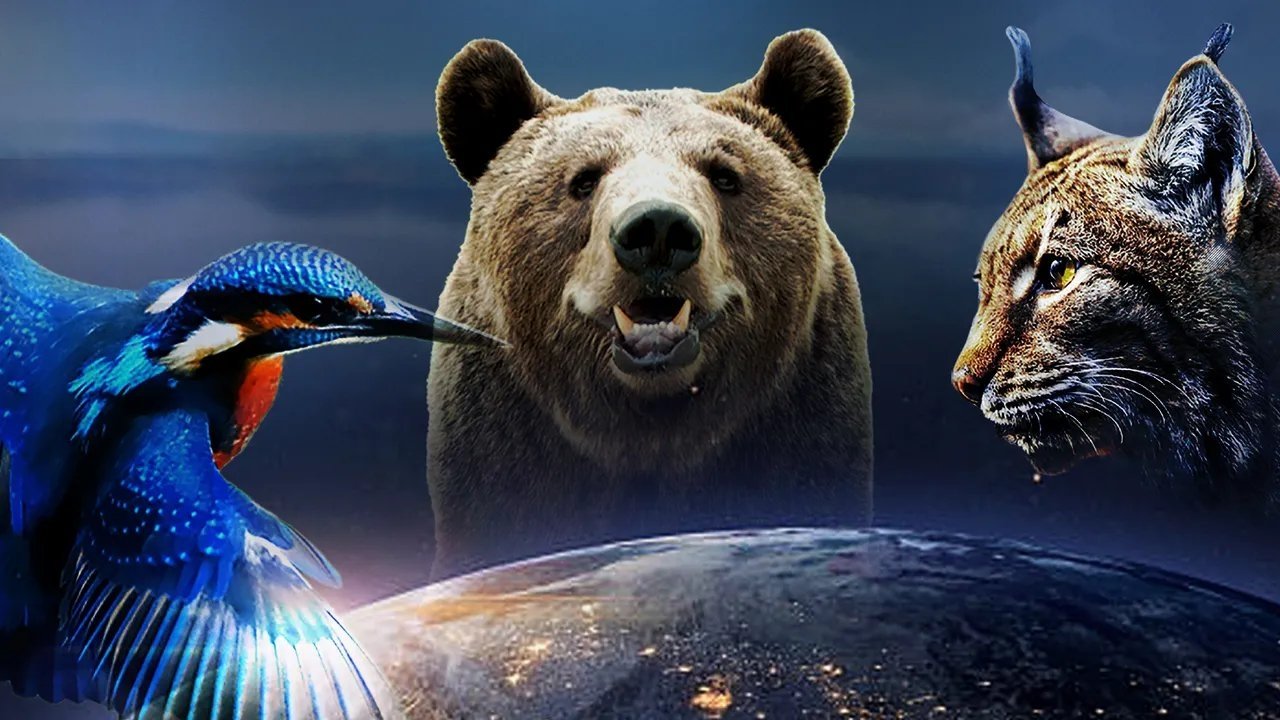
Europe
Synopsis
Episodes
Photos
You might also like
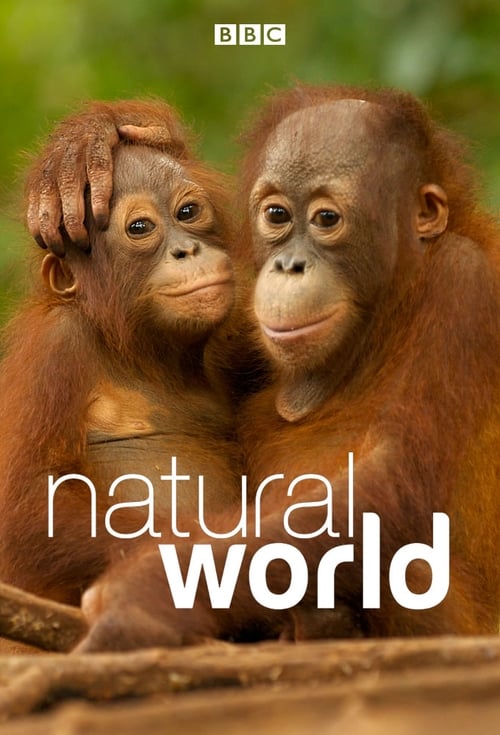
Natural World is a nature documentary television series broadcast annually on BBC Two and regarded by the BBC as its flagship natural history brand. It is currently the longest-running series in its genre on British television, with more than 400 episodes broadcast since its inception in 1983. Natural World is produced by the BBC Natural History Unit in Bristol, but individual programmes can be in-house productions, collaborative productions with other broadcasters or films made and distributed by independent production companies and purchased by the BBC. Natural World programmes are often broadcast as PBS Nature episodes in the USA. Since 2008, most Natural World programmes have been shot and broadcast in high definition.
Natural World
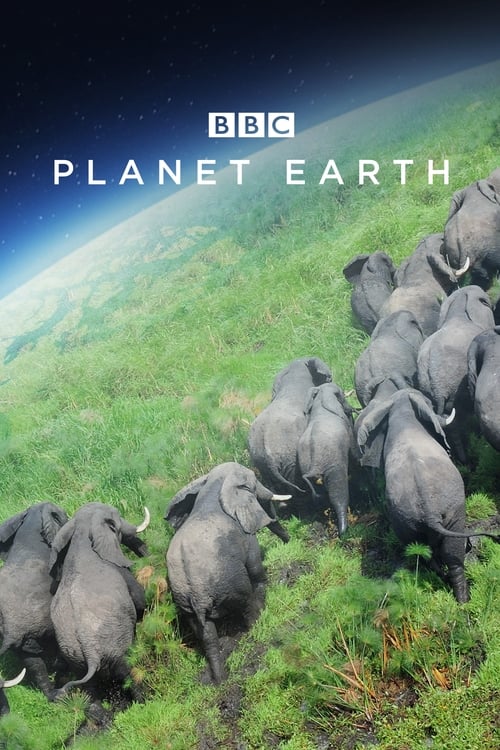
David Attenborough celebrates the amazing variety of the natural world in this epic documentary series, filmed over four years across 64 different countries.
Planet Earth
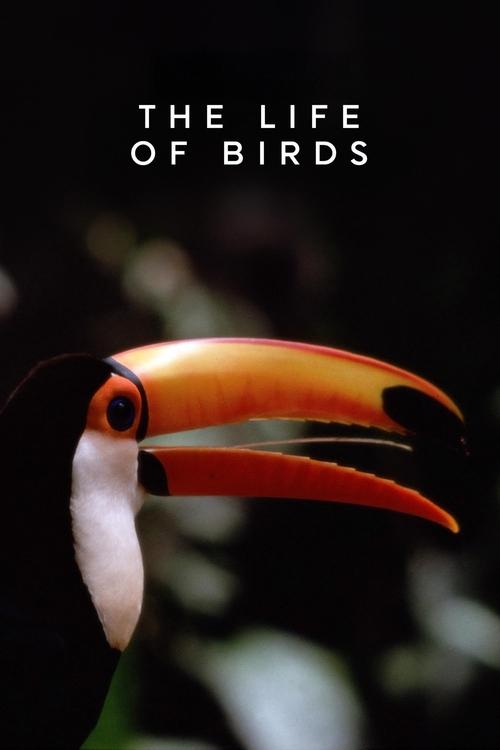
In the documentary series produced by the BBC, The Life of Birds, Sir David Attenborough unveils a new investigation into the behaviour of birds, perfectly adapted animals that conquer the air. This ten-part series reveals the secret of the birds' great success, their remarkable strategies for finding food, their complex social systems, and their ingenious and often bizarre ways of mating and breeding. From the high speed of large airborne hunters to long distance migrations or the bright colors of nectar feeding hummingbirds, this is the ultimate bird series that every ornithologist should not miss.
The Life of Birds
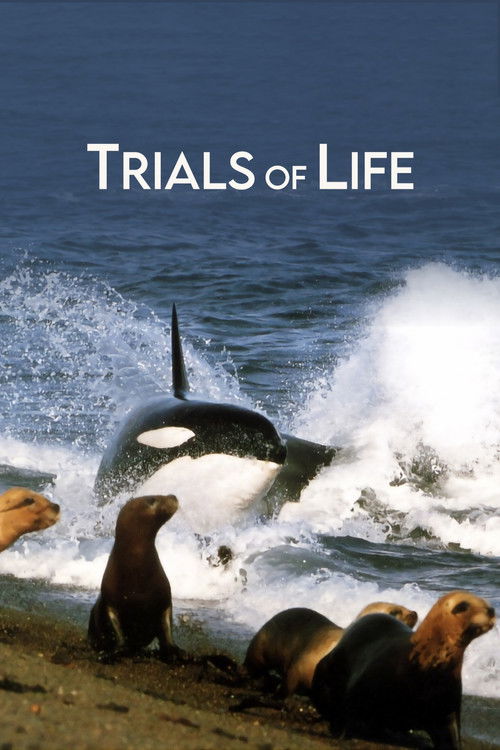
Each of the twelve 50-minute episodes features a different aspect of the journey through life, from birth to adulthood and continuation of the species through reproduction.
Trials of Life
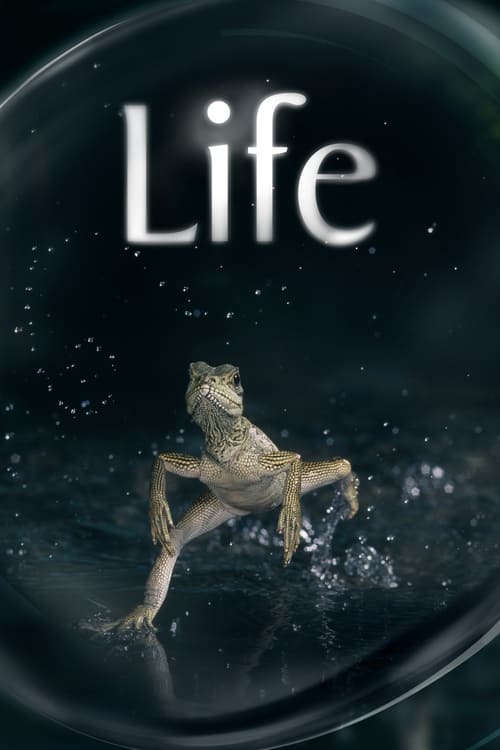
David Attenborough looks at the extraordinary ends to which animals and plants go in order to survive. Featuring epic spectacles, amazing TV firsts and examples of new wildlife behaviour.
Life
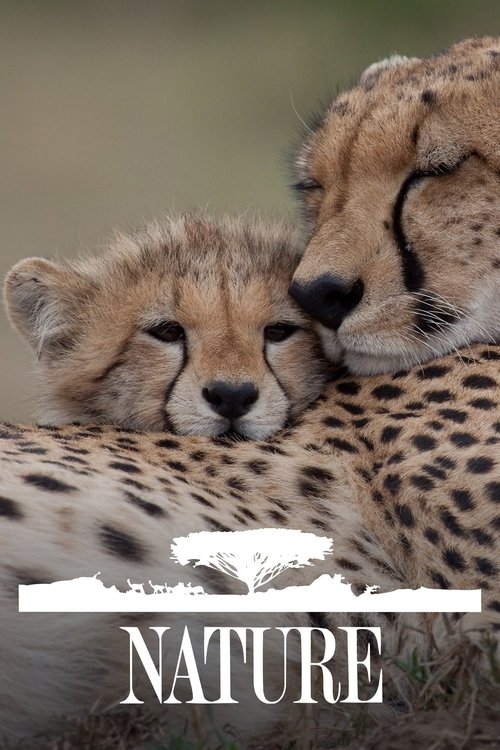
Consistently stunning documentaries transport viewers to far-flung locations ranging from the torrid African plains to the chilly splendours of icy Antarctica. The show's primary focus is on animals and ecosystems around the world. A comic book based on the show, meant to be used an as educational tool for kids, was briefly distributed to museums and schools at no cost in the mid-2000s.
Nature
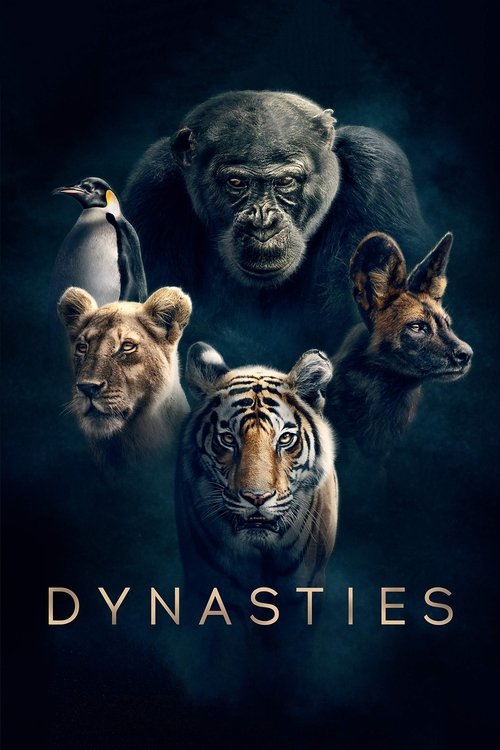
Follow the true stories of five of the world's most celebrated, yet endangered animals; penguins, chimpanzees, lions, painted wolves and tigers. Each in a heroic struggle against rivals and against the forces of nature, these families fight for their own survival and for the future of their dynasties.
Dynasties
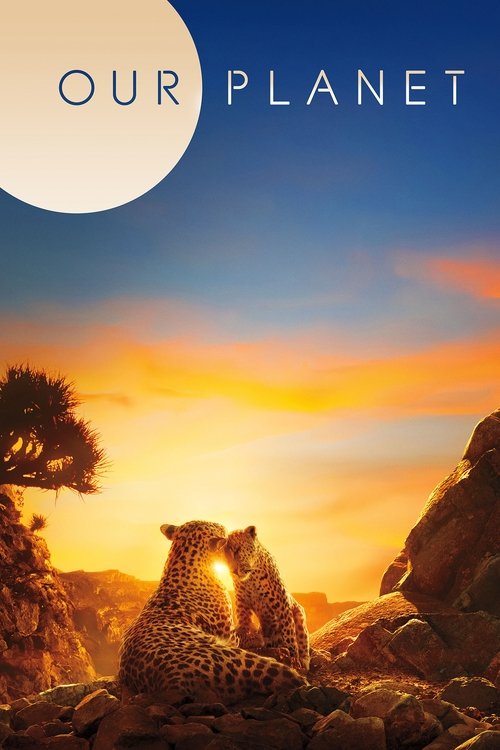
Experience our planet's natural beauty and examine how climate change impacts all living creatures in this ambitious documentary of spectacular scope.
Our Planet
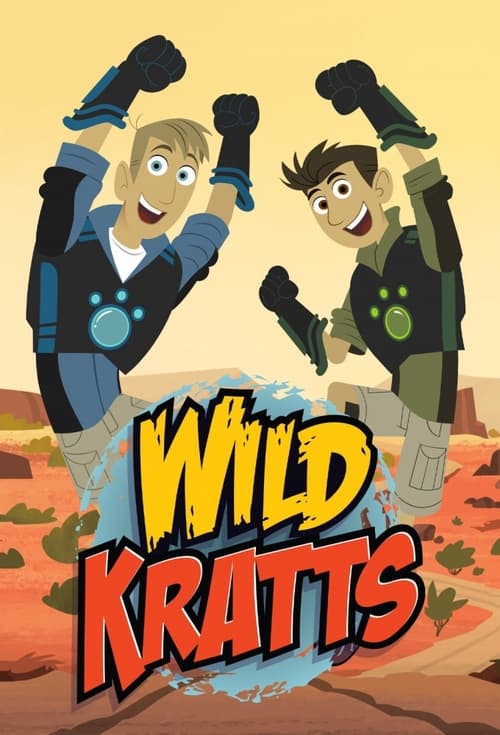
The adventures of Chris and Martin Kratt as they encounter incredible wild animals, combining science education with fun and adventure as the duo travels to animal habitats around the globe.
Wild Kratts
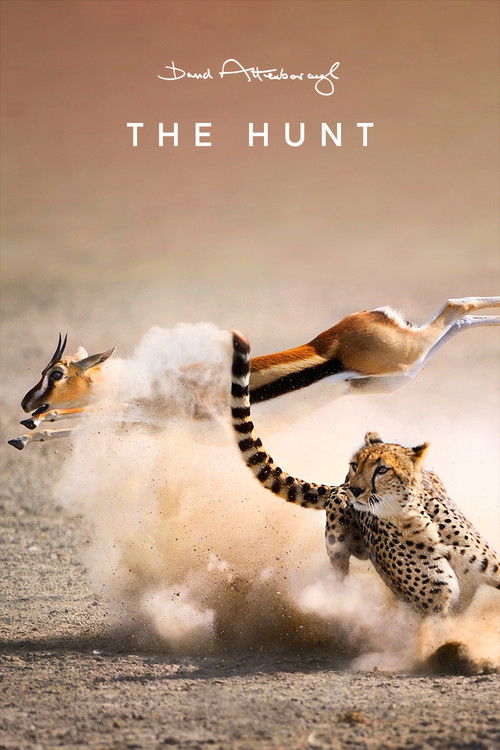
This major landmark series looks in detail at the fascinating relationship between predators and their prey. Rather than concentrating on ‘the blood and guts’ of predation, the series looks in unprecedented detail at the strategies predators use to catch their food and prey use to escape death. Sir David Attenborough narrates.
The Hunt
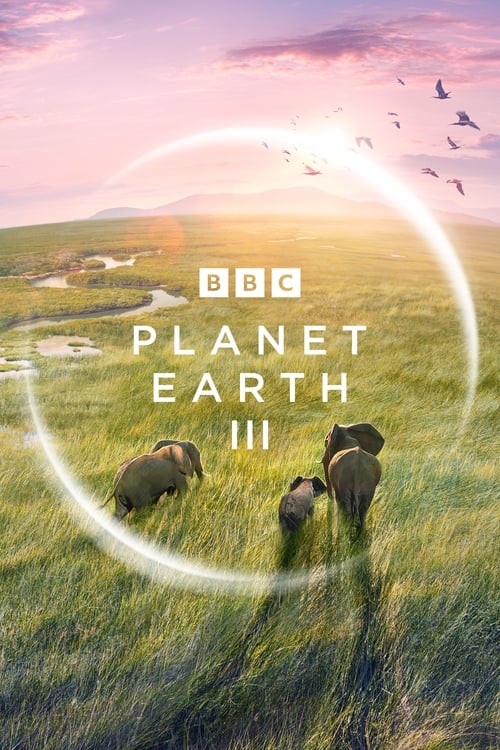
Journeying to the far reaches of our planet, this eight part series follows some of the world's most amazing species, telling extraordinary stories that are dramatic, thrilling, funny and sometimes heart-breaking, but always full of hope.
Planet Earth III
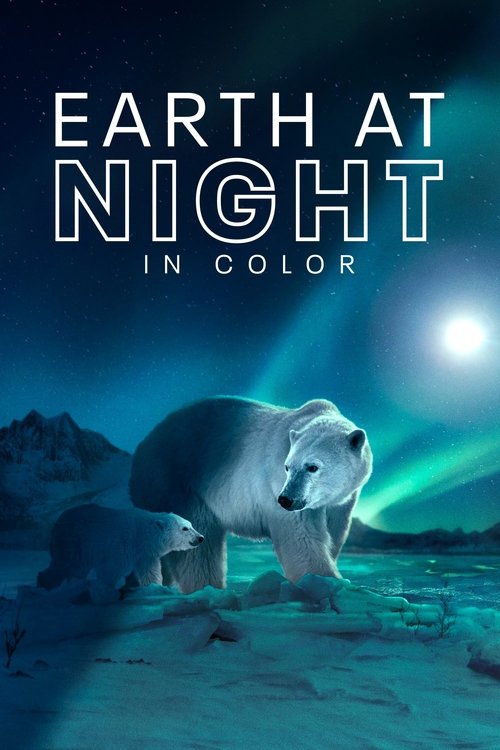
Filmed across six continents, this docuseries uses cutting-edge camera technology to capture animals' nocturnal lives, revealing new behaviours filmed in full color like never before.
Earth at Night in Colour
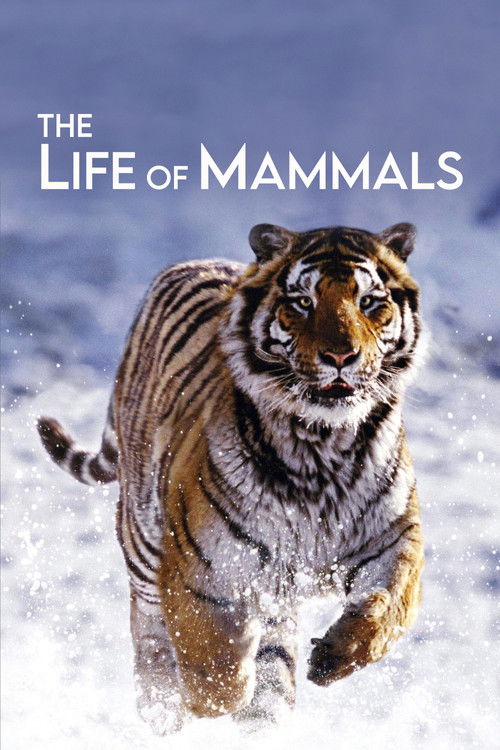
David Attenborough presents a nature documentary series looking at why mammals are the most successful creatures on the planet.
The Life of Mammals
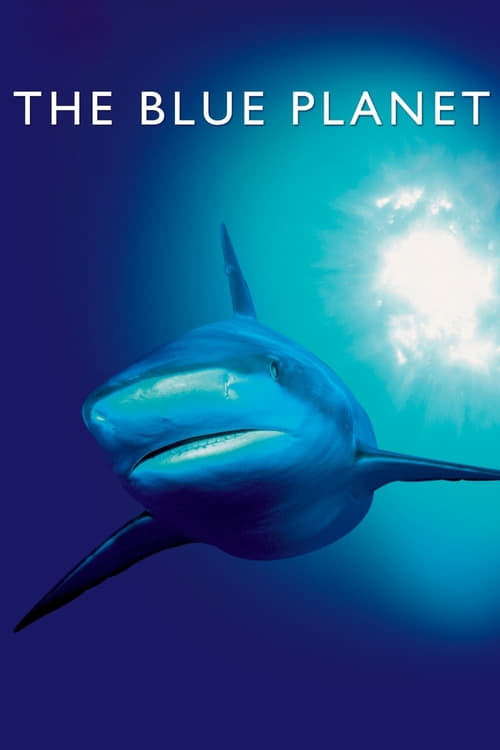
Sir David Attenborough narrates this critically acclaimed series that dives deep into the marine environment of Planet Earth. Although two-thirds of the world's surface is covered with water, scientists know less about the oceans than they do about the surface of the moon. This limited series travels from various coasts to the poles to examine watery denizens ranging from the gigantic blue whale to microscopic coral polyps.
The Blue Planet
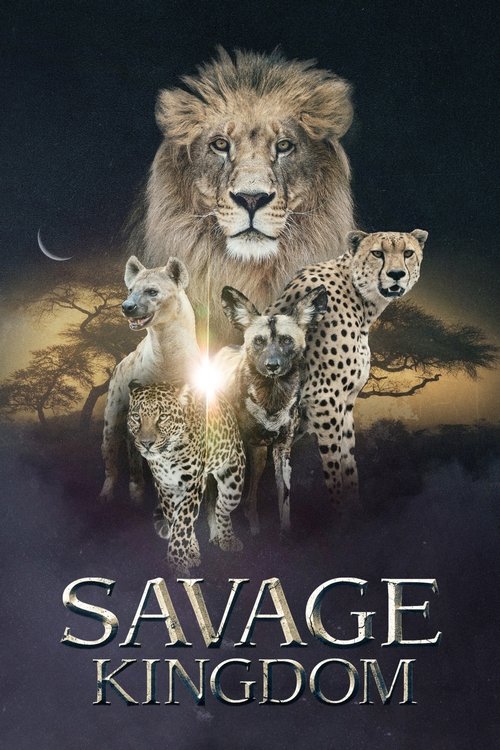
A rare look at warring animal clans battling for survival in a remote region of Africa, which is drying up after years of flood-soaked abundance.
Savage Kingdom

When his security company is attacked, Tony and Ziva must go on the run across Europe, try to figure out who is after them and maybe even learn to trust each other again so that they can finally have their unconventional happily ever after.
NCIS: Tony & Ziva
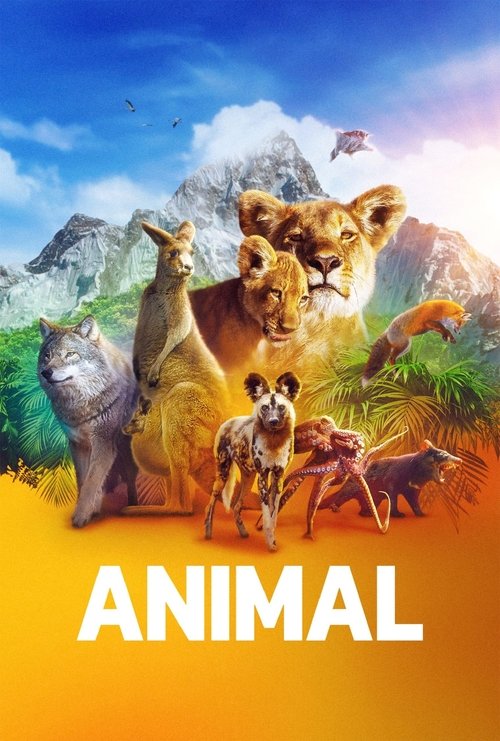
This immersive series follows the world's most magnificent creatures, capturing never-before-seen moments from the heartwarming to the outrageous.
Animal

Australian host Steve Irwin and his wife Terri run a wildlife refuge. Their shared passion is educating the world about wildlife, including the much feared crocodile and numerous venomous snakes. Steve's specialty is the capture and relocation of crocodiles. No animal appears too threatening to Steve, his true respect for animals is the foundation for everything he does.
The Crocodile Hunter
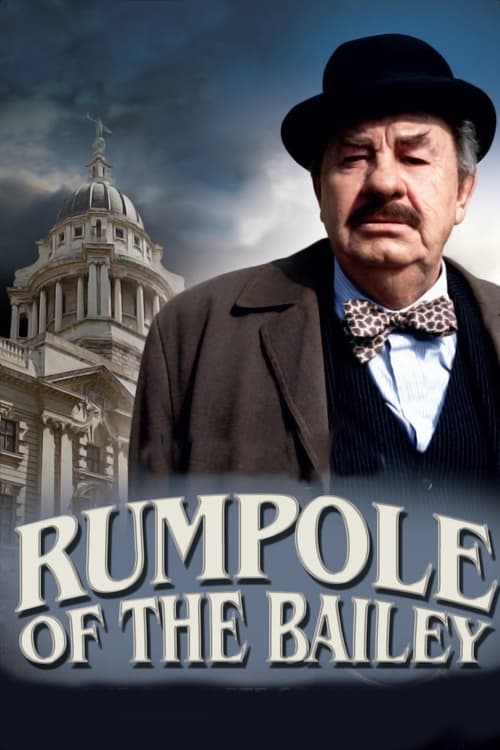
Rumpole of the Bailey is a British television series created and written by the British writer and barrister John Mortimer. It stars Leo McKern as Horace Rumpole, an aging London barrister who defends any and all clients, and has been spun off into a series of short stories, novels, and radio programmes.
Rumpole of the Bailey
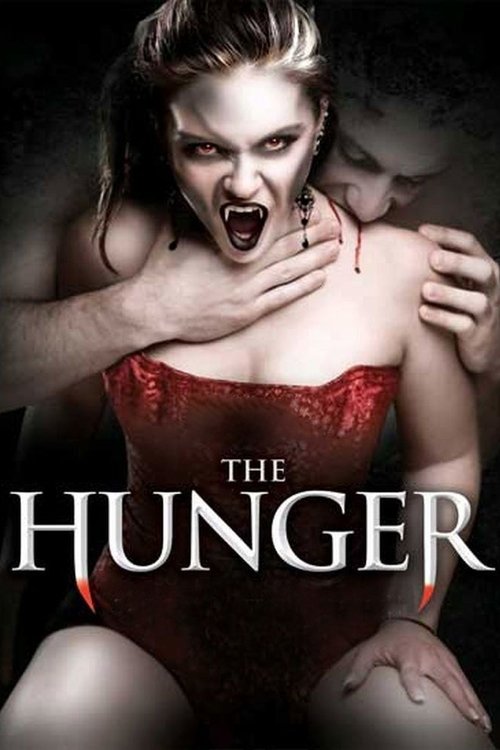
The Hunger is a British/Canadian television horror anthology series, co-produced by Scott Free Productions, Telescene Film Group Productions and the Canadian pay-TV channel The Movie Network. Though it shares a title with the feature film The Hunger the series has no direct plot or character connection to the film, and was created by Jeff Fazio. Originally shown on the Sci Fi Channel in the UK, The Movie Network in Canada and Showtime in the US, the series was broadcast from 1997 to 2000, and is internally organized into two seasons. Each episode was based around an independent story introduced by the host; Terence Stamp hosted each episode for the first season, and was replaced in the second season by David Bowie. Stories tended to focus on themes of self-destructive desire and obsession, with a strong component of soft-core erotica; popular tropes for the stories included cannibalism, vampires, sex, and poison.