

Synopsis
Épisodes
Vous aimerez aussi
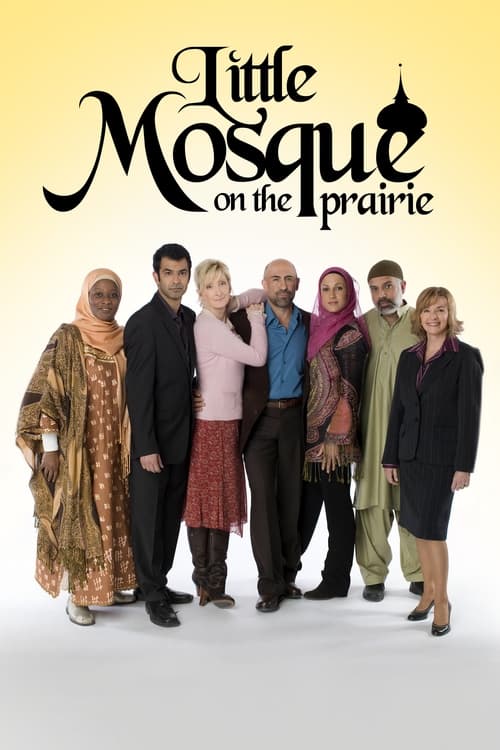
La série se concentre sur la communauté musulmane de la ville fictive des Prairies de Mercy, en Saskatchewan (14 000 habitants).
La Petite Mosquée dans la prairie
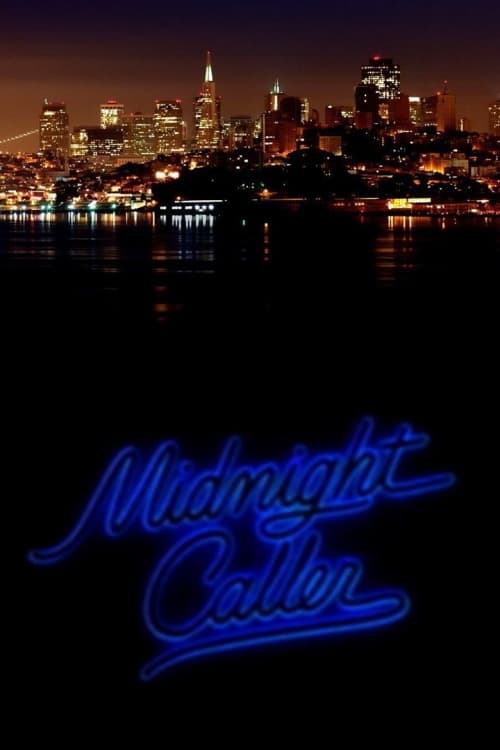
An ex-cop hosts a late-night talk radio program while getting involved with his listeners' problems in his off-time.
Midnight Caller
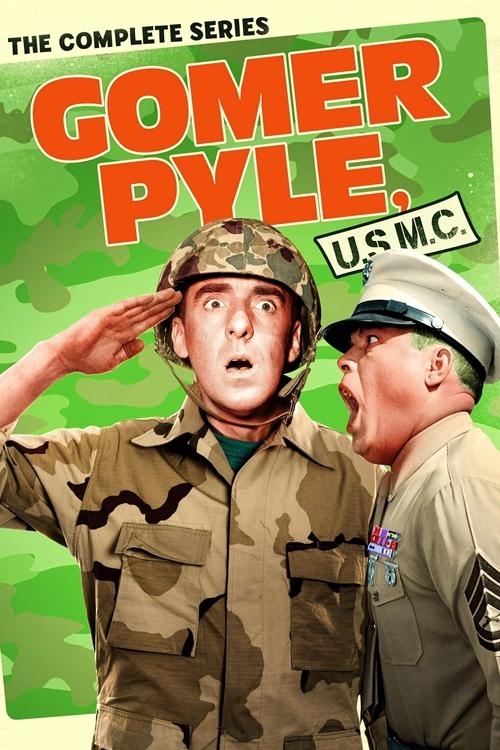
Gomer Pyle, U.S.M.C. is an American situation comedy that originally aired on CBS from September 25, 1964, to May 2, 1969. The series was a spinoff of The Andy Griffith Show, and the pilot was aired as the finale of the fourth season of The Andy Griffith Show on May 18, 1964. The show ran for five seasons and a total of 150 episodes. In 2006, CBS Home Entertainment began releasing the series on DVD. The final season was released in November 2008. The series was created by Aaron Ruben, who also produced the show with Sheldon Leonard and Ronald Jacobs. Filmed and set in California, it stars Jim Nabors as Gomer Pyle, a naive but good-natured gas-station attendant from the town of Mayberry, North Carolina, who enlists in the United States Marine Corps. Frank Sutton plays Gomer's high-octane, short-fused Gunnery Sergeant Vince Carter, and Ronnie Schell plays Gomer's friend Gilbert "Duke" Slater. Allan Melvin played in the recurring role of Gunnery Sergeant Carter's rival, Sergeant Charley Hacker. The series never discussed nor addressed the then-current Vietnam War, instead focusing on the relationship between Gomer and Sergeant Carter. The show retained high ratings throughout its run.
Gomer Pyle, U.S.M.C.

The Ed Sullivan Show is an American TV variety show that originally ran on CBS from Sunday June 20, 1948 to Sunday June 6, 1971, and was hosted by New York entertainment columnist Ed Sullivan. It was replaced in September 1971 by the CBS Sunday Night Movie, which ran only one season and was eventually replaced by other shows. In 2002, The Ed Sullivan Show was ranked #15 on TV Guide's 50 Greatest TV Shows of All Time.
The Ed Sullivan Show
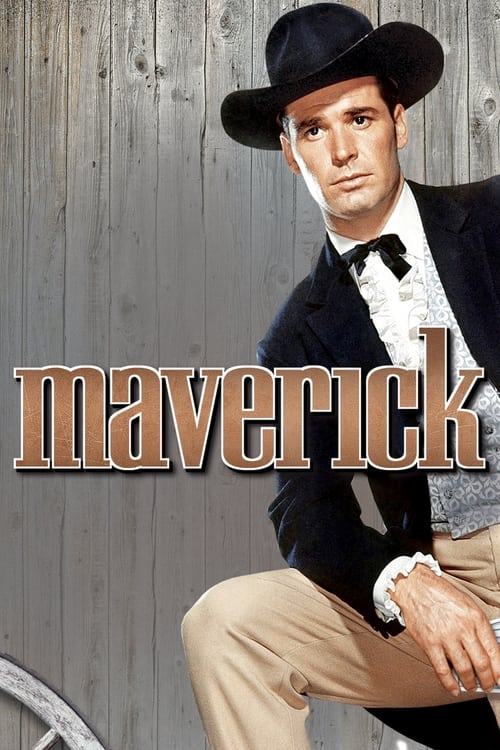
Brett Maverick et Bart sont des joueurs affutés qui migrent de ville en ville à la recherche d'une bonne partie de poker. Le poker (à 5 cartes de tirage) est leur occupation favorite, le spectacle se fait autour des Mavericks, mais généralement la partie tourne autour du personnage principal.
Maverick
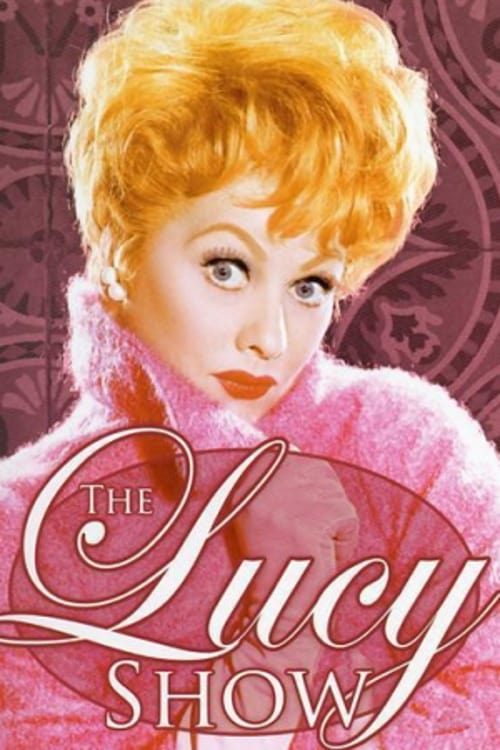
The Lucy Show is an American sitcom that aired on CBS from 1962–68. It was Lucille Ball's follow-up to I Love Lucy. A significant change in cast and premise for the 1965–66 season divides the program into two distinct eras; aside from Ball, only Gale Gordon, who joined the program for its second season, remained. For the first three seasons, Vivian Vance was the co-star. The earliest scripts were entitled The Lucille Ball Show, but when this title was declined, producers thought of calling the show This Is Lucy or The New Adventures of Lucy, before deciding on the title The Lucy Show. Ball won consecutive Emmy Awards as Outstanding Lead Actress in a Comedy Series for the series' final two seasons, 1966–67 and 1967–68.
The Lucy Show
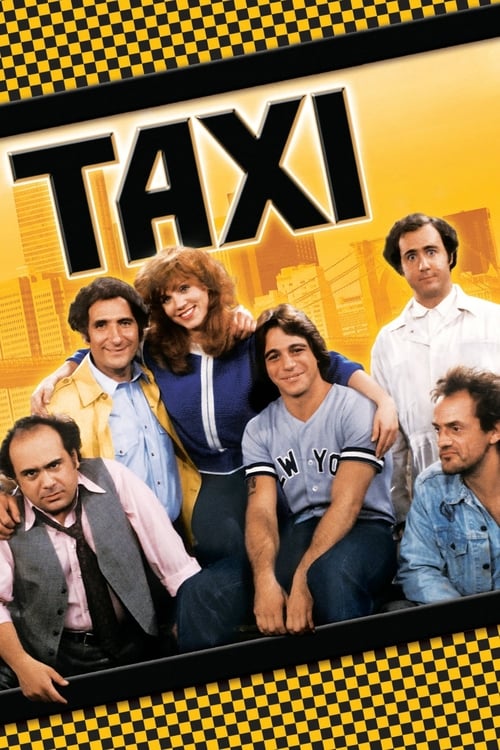
Têtu et dôté d'un fort tempérament, Louie de Palma tente de diriger une compagnie de taxis new-yorkaise, composée de chauffeurs plus originaux les uns que les autres...
Taxi

Le quotidien de deux amis, Wayne et Daryl, habitant dans la petite bourgade de Letterkenny dans l'Ontario.
Letterkenny
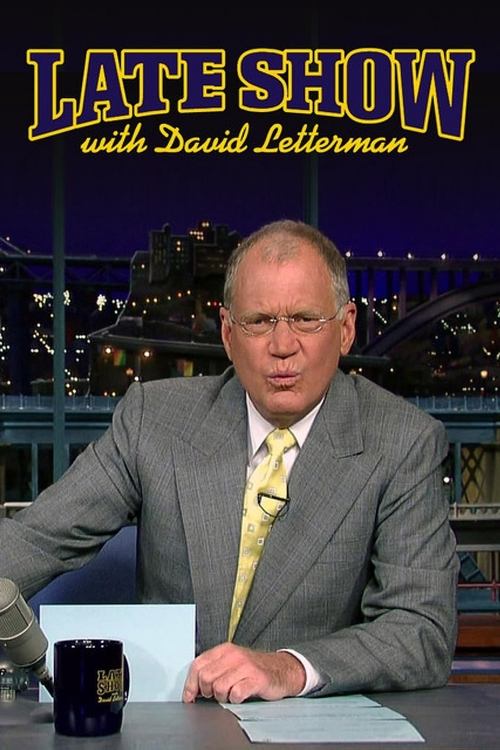
David Letterman uses mature humor to appeal to his audience in this weeknight series, which gets its music from a house band led by Paul Shaffer. Among the show's most-famous segments are the Top Ten List and Stupid Pet Tricks, the latter of which subsequently led to an additional recurring segment called Stupid Human Tricks.
Late Show with David Letterman
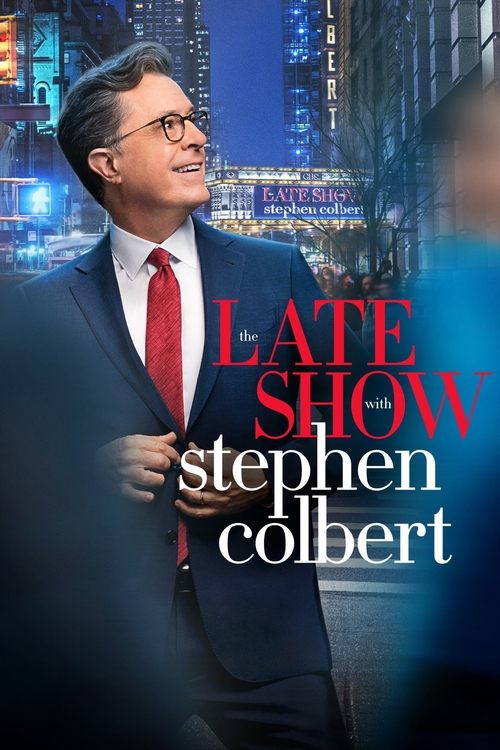
L'acteur d'improvisation et comique Stephen Colbert laisse derrière lui son personnage "The Colbert Report" alors qu'il fait son retour tant attendu à la télévision. En tant qu'hôte de la franchise The Late Show redux - enregistrée au théâtre historique Ed Sullivan à New York - Colbert parle pour la première fois aux acteurs, aux athlètes, aux politiciens, aux bandes dessinées, aux artistes et aux musiciens. Les fans fidèles, cependant, seront également traités avec cohérence car Colbert reste soutenu par de nombreux membres de son équipe d'écriture et numérique de son ancienne entreprise. Jon Batiste, formé à Julliard, est le chef d'orchestre.
The Late Show with Stephen Colbert
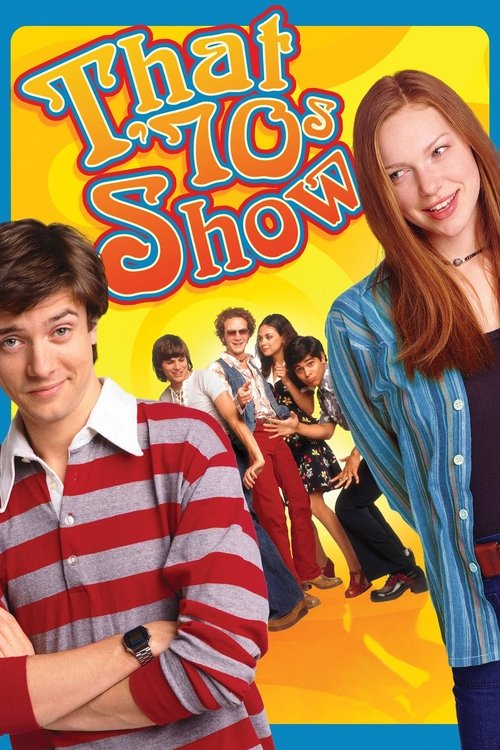
Point Place, petite ville imaginaire du Wisconsin. À la fin des années 1970, Donna Pinciotti est la voisine et petite amie d'Eric Forman ; Michael Kelso, le beau gosse un peu crétin ; Steven Hyde, le fan de rock révolté ; Jackie Burkhart, la minette et Fez, l'étranger d'origine indéfinie, squattent le sous-sol de la maison des Forman, sous l'œil bienveillant de la mère, Kitty, une infirmière "légèrement" alcoolique, et celui agacé du père, Red Forman, vétéran de la guerre de Corée. Ce dernier fait souvent preuve d’un manque de reconnaissance à l'égard de son fils traduisant plutôt une difficulté à montrer ses sentiments. Il y a également Leo, un Hippie, un amateur de marijuana totalement déluré, ou encore Midge et Bob Pinciotti, les parents de Donna et voisins des Forman.
That '70s Show
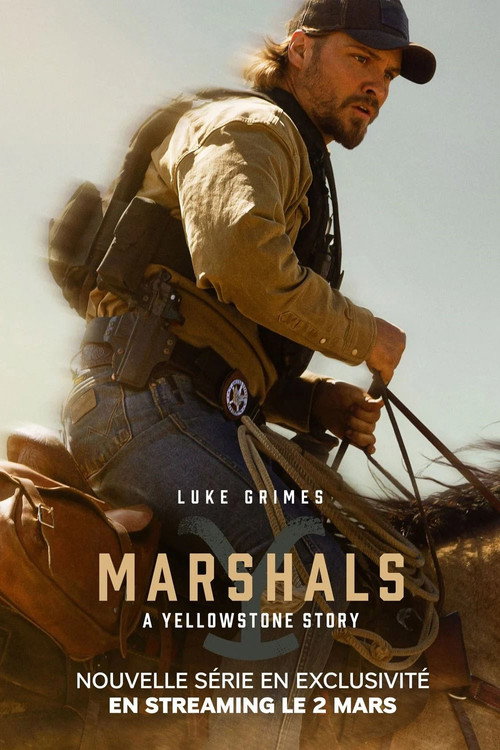
Le ranch du Yellowstone derrière lui, Kayce Dutton rejoint une unité des U.S. Marhals. Cowboy et ancien Navy SEAL, il apporte la justice dans le Montana. Lui et ses coéquipiers sont le dernier rempart de la région dans la guerre contre la violence.
Marshals: A Yellowstone Story
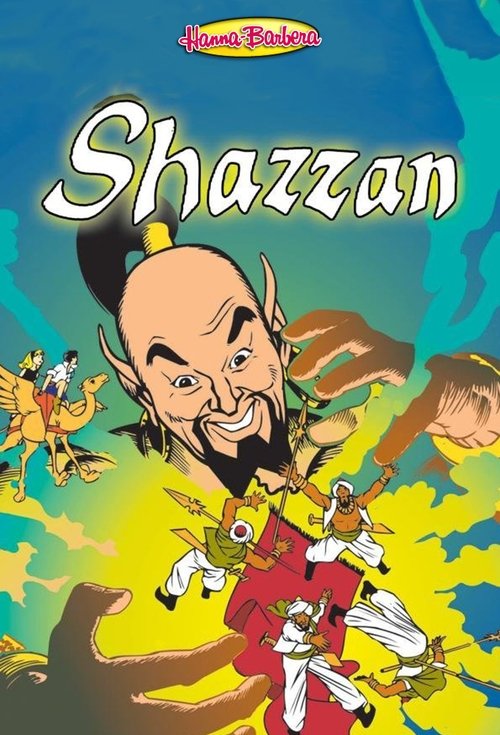
Les jumeaux Jacques et Hélène découvrent un vieux coffre contenant une étrange bague : elle est scindée en deux parties et sur chacune d'elles figure la moitié d'un mot. Jacques et Hélène réunissent les deux parties de la bague et lisent à haute voix le nom qui se forme : Shazzan. Aussitôt, les voilà transportés en une cité d'Orient où ils font la connaissance d'un génie gigantesque, Shazzan, qui devient leur ami. Il apprend aux jeunes gens qu'ils ne pourront rentrer chez eux que lorsqu'ils auront remis la bague à son propriétaire légitime. Mais ce monde des Milles et Une Nuits comporte bien des pièges et de nombreux personnages malveillants, tels Mysterio, le magicien et Makdar, le prince noir. Aussi, pour les aider le génie offre-t-il à Jacques et Hélène un chameau ailé, Kaboubi, et une cape magique qui a le pouvoir de rendre invisible celui qui s'en revêt. Shazzan vient à leur secours chaque fois qu'ils joindront les deux moitiés de la bague en criant « Shazzan! » ....
Shazzan
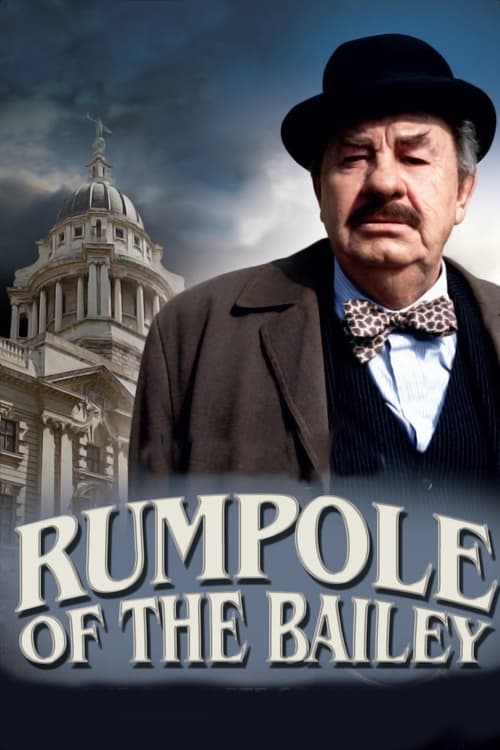
Rumpole of the Bailey is a British television series created and written by the British writer and barrister John Mortimer. It stars Leo McKern as Horace Rumpole, an aging London barrister who defends any and all clients, and has been spun off into a series of short stories, novels, and radio programmes.
Rumpole of the Bailey
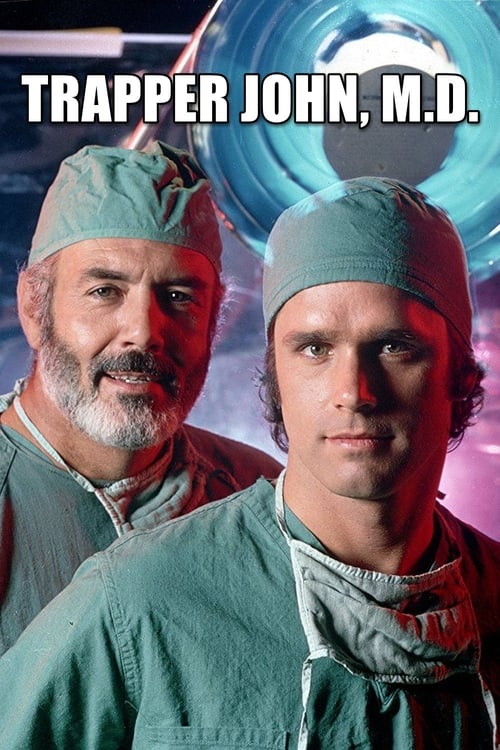
Trapper John, M.D. is an American television medical drama and spin-off of the film MASH, concerning a lovable doctor who became a mentor and father figure in San Francisco, California. The show ran on CBS from September 23, 1979, to September 4, 1986.
Trapper John, M.D.
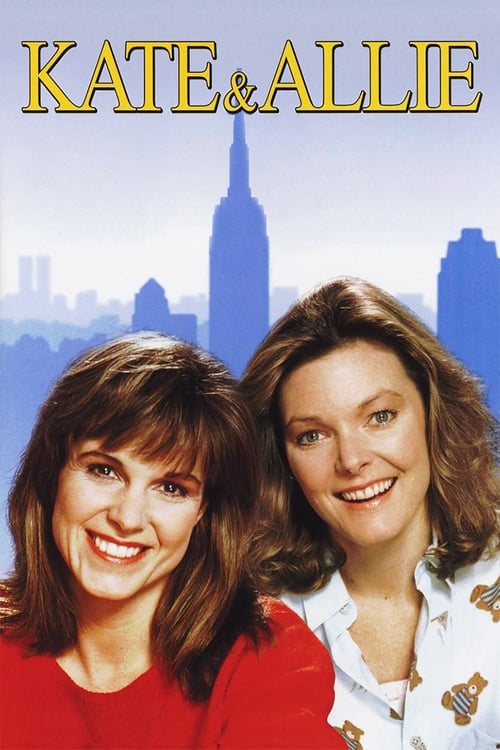
Kate & Allie is an American television situation comedy which ran from March 19, 1984, to May 22, 1989. Kate & Allie first aired on CBS as a midseason replacement series and only six episodes were initially commissioned, but the favorable response from critics and viewers alike easily convinced CBS to commit to a full season in the fall of 1984. The series was created by Sherry Coben.
Kate & Allie
You Can't Do That on Television is a Canadian television program that first aired locally in 1979 before airing internationally in 1981. It featured pre-teen and teenaged actors in a sketch comedy format. Each episode had a theme. The show was notable for launching the careers of many performers, including Alanis Morissette, and writer Bill Prady, who would write and produce shows like The Big Bang Theory, Gilmore Girls and Dharma and Greg. The show was produced by and aired on Ottawa's CTV station CJOH-TV. After production ended in 1990, the show continued in reruns on Nickelodeon through 1994, when it was replaced with the similar All That. The show is synonymous with Nick, and was at that time extremely popular, with the highest ratings overall on the channel. The show is also well known for introducing the network's iconic slime. The program is the subject of the 2004 feature-length documentary, You Can't Do That on Film, directed by David Dillehunt.
You Can't Do That on Television

Hawaï police d'État est une série policière américaine, produite par CBS et Leonard Freeman, dont l'action se déroule à Hawaï . La série comporte 12 saisons, initialement diffusées de 1968 à 1980 et est régulièrement rediffusée. Le lieutenant Steve McGarrett, interprété par Jack Lord, dirige une unité spéciale de la police, basée sur une équipe ayant réellement existé pendant les années 40 alors qu'Hawaï était sous la loi martiale.
Hawaï police d'État

The Phil Silvers Show, originally titled You'll Never Get Rich, was a sitcom which ran on CBS from 1955 to 1959 for 142 episodes, plus a 1959 special. The series starred Phil Silvers as Master Sergeant Ernest G. Bilko of the United States Army. The series was created and largely written by Nat Hiken, and won three consecutive Emmy Awards for Best Comedy Series. The show is sometimes titled Sergeant Bilko or simply Bilko in reruns, and is very often referred to by these names, both on-screen and by viewers. The show's success transformed Silvers from a journeyman comedian into a star, and writer-producer Hiken from a highly-regarded behind-the-scenes comedy writer into a publicly recognized creator.
The Phil Silvers Show
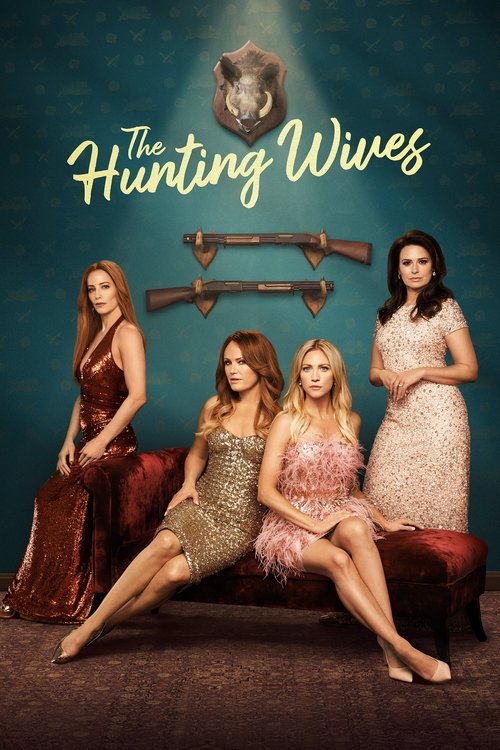
La citadine Sophie déménage dans une petite ville du Texas, où elle rencontre la charismatique Margot Banks. Elle rejoint rapidement un club géré par cette dernière, les Hunting Wives, où d'autres riches épouses font plus que tirer au fusil pour s'amuser. Bientôt, une jeune fille de la région est retrouvée morte dans les bois où se réunissent les épouses.