Episodes
You might also like
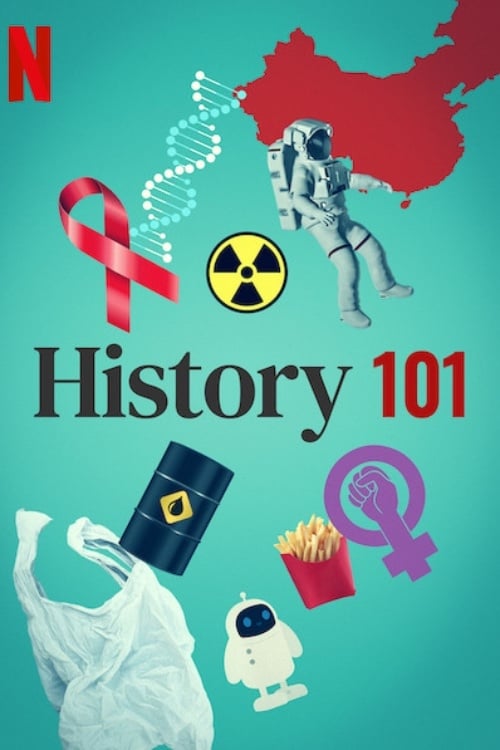
Infographics and archival footage deliver bite-size history lessons on scientific breakthroughs, social movements and world-changing discoveries.
History 101

Motoring programme featuring reviews of and reports about cars of all types.
Top Gear

Explores WWII from Germany's invasion of Poland through the atomic age, examining pivotal battles, wartime leaders like Churchill and Roosevelt, and the human cost of total war.
World War II with Tom Hanks
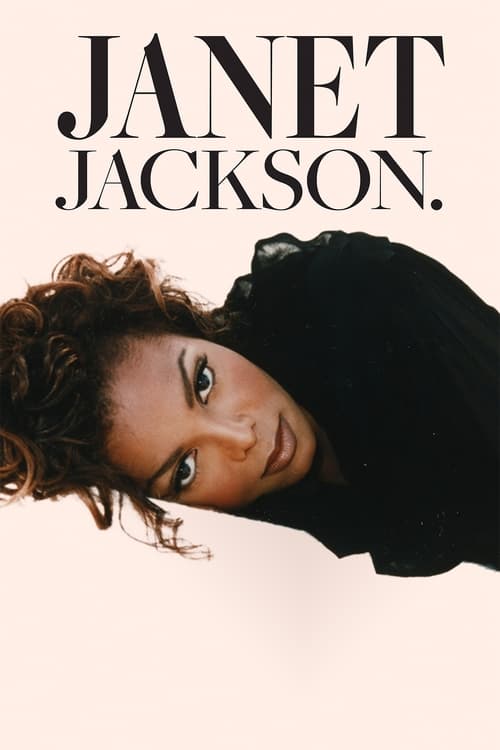
The documentary takes viewers through Janet Jackson's life and career, contain never-before-seen footage, and feature home videos from the legendary artist. Jackson discusses her controversial 2004 Super Bowl halftime show performance with Justin Timberlake, her father Joe Jackson, the death of her brother Michael Jackson, and more.
JANET JACKSON.
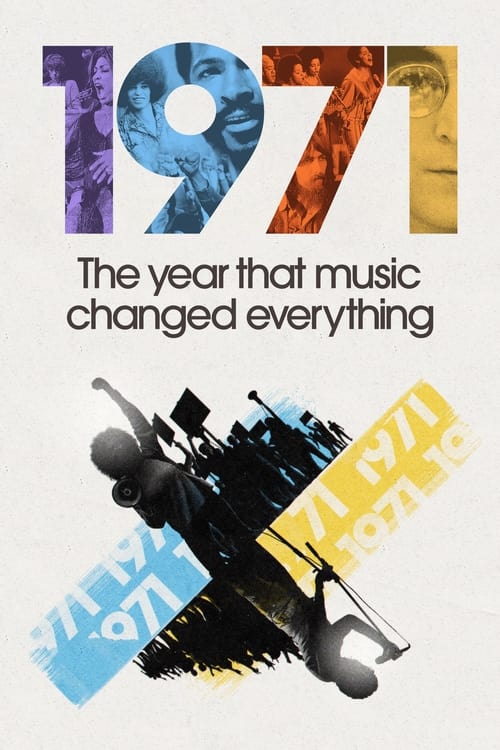
In a tumultuous era, 1971 was a year of musical innovation and rebirth fueled by the political and cultural upheaval of the time. Stars reached new heights, fresh talent exploded onto the scene, and boundaries expanded like never before.
1971: The Year That Music Changed Everything

Biography is a documentary television series. It was originally a half-hour filmed series produced for CBS by David Wolper from 1961 to 1964 and hosted by Mike Wallace. The A&E Network later re-ran it and has produced new episodes since 1987. The older version featured historical figures such as Helen Keller and Mark Twain, or long-dead entertainment figures such as Will Rogers or John Barrymore. The A&E series has placed the emphasis on such people as Marilyn Monroe, Elvis Presley, Plácido Domingo, Freddie Mercury, Jacqueline Kennedy Onassis, Eric Clapton, Pope John Paul II, Gene Tierney, Selena, Diego Rivera, Mao Zedong and Queen Elizabeth II, and fictional characters like The Phantom, Superman, Hamlet, Betty Boop, and Santa Claus. The program ended up profiling enough figures that in 1999, A&E spun it off into an entire network, The Biography Channel.
Biography
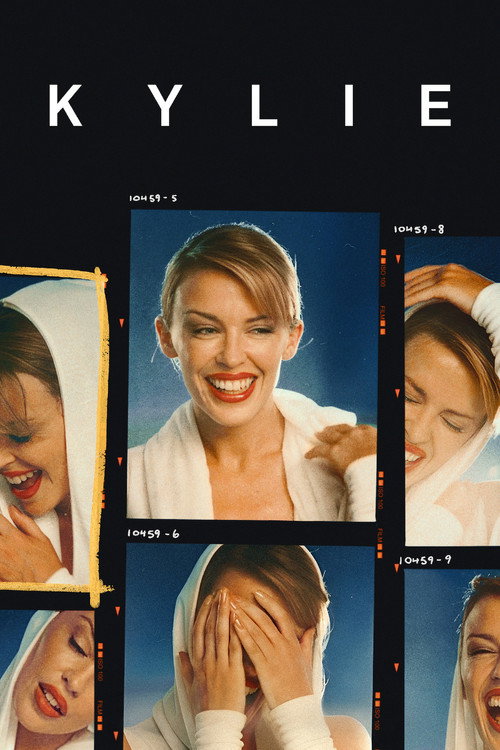
A look at the life of Australian pop star Kylie Minogue, who opens her personal archives and reflects on a career in which she has sold 80 million records and reinvented herself, and by extension pop, several times. Home movies, personal photographs and new interviews reveal the picture, as Kylie addresses how she’s faced public scrutiny, personal loss and illness.
Kylie
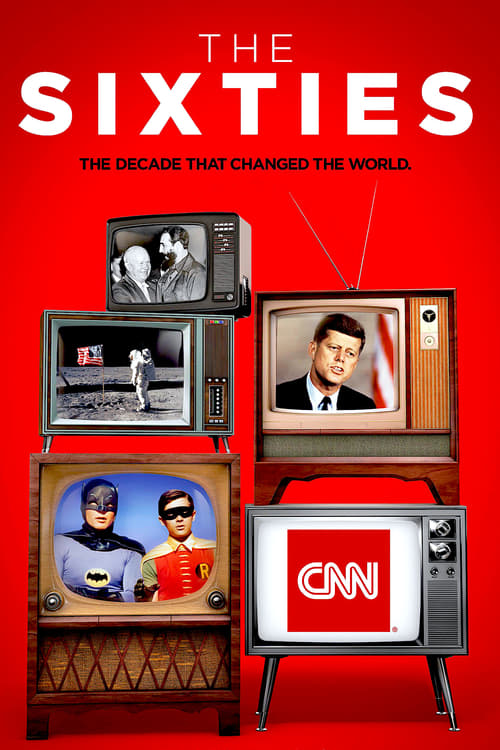
The space race, the cold war, "free love," civil rights and more: The decade of the 1960s shaped our history -- and changed the world. In collaboration with Tom Hanks, Gary Goetzman and Mark Herzog, CNN explores perhaps the most transformative decade of the modern era in a 10-part documentary series and brings new insights into how those events shaped today.
The Sixties
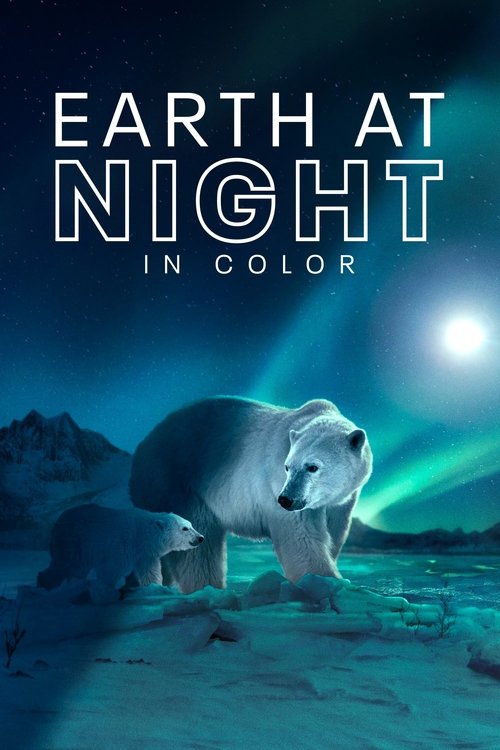
Filmed across six continents, this docuseries uses cutting-edge camera technology to capture animals' nocturnal lives, revealing new behaviours filmed in full color like never before.
Earth at Night in Colour

An insider's look at the engineering and scientific miracles behind the things that form the modern world.
How Do They Do It?
An in-depth look at the history and pop cultural significance of horror films.
Eli Roth's History of Horror

Featuring rare footage and interviews with CIA insiders, this edge-of-your-seat documentary series traces the epic hunt for Osama bin Laden.
American Manhunt: Osama bin Laden
Don Wildman unearths relics from the world's greatest institutions to reveal secrets from the past. He examines each artifact to illuminate history's most incredible triumphs, sensational crimes and bizarre encounters.
Mysteries at the Museum
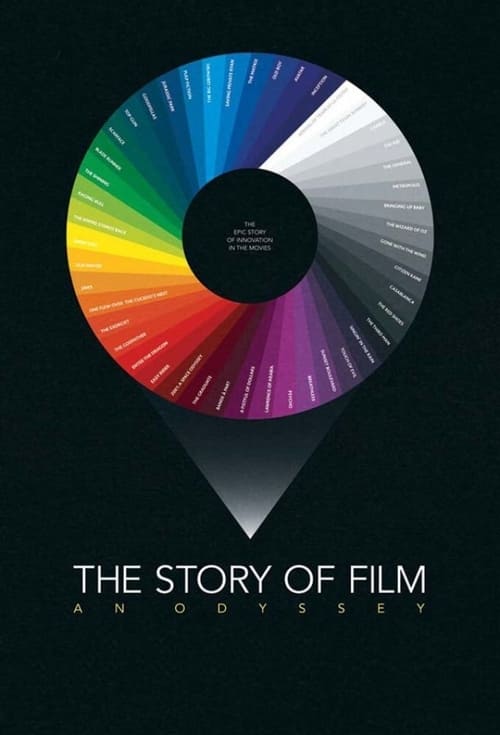
A worldwide guided tour of the greatest movies ever made and the story of international cinema through the history of cinematic innovation.
The Story of Film: An Odyssey
Learn how popular Disney attractions and destinations came to be, how they have changed over time, and how fans continue to obsess over them.
Behind the Attraction
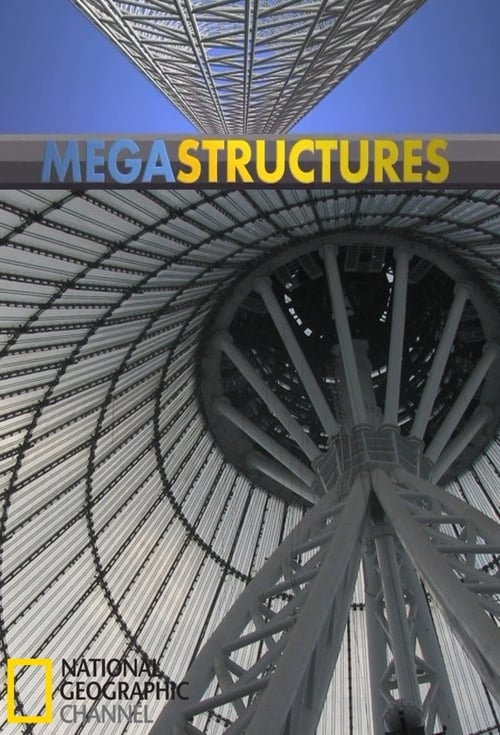
MegaStructures is a documentary television series appearing on the National Geographic Channel in the United States and the United Kingdom, Channel 5 in the United Kingdom, France 5 in France, and 7mate in Australia. Each episode is an educational look of varying depth into the construction, operation, and staffing of various structures or construction projects, but not ordinary construction products. Generally containing interviews with designers and project managers, it presents the problems of construction and the methodology or techniques used to overcome obstacles. In some cases this involved the development of new materials or products that are now in general use within the construction industry. MegaStructures focuses on constructions that are extreme; in the sense that they are the biggest, tallest, longest, or deepest in the world. Alternatively, a project may appear if it had an element of novelty or are a world first. This type of project is known as a Megaproject.
MegaStructures
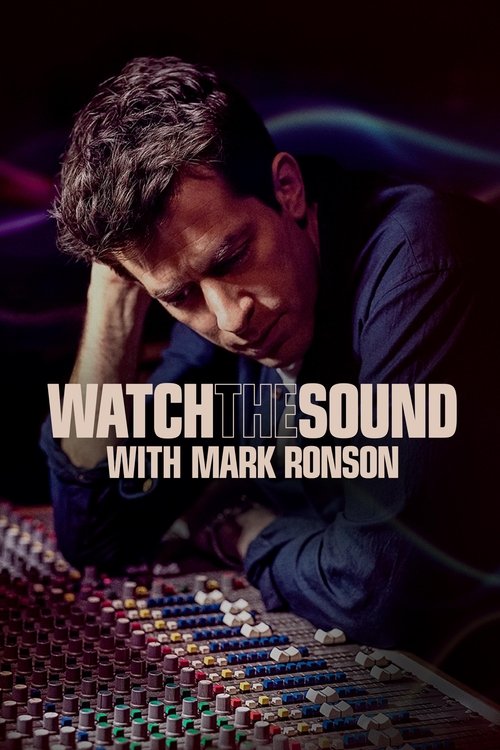
Oscar and Grammy Award-winning producer and artist Mark Ronson explores the intersection of technology and musical innovation with his heroes and fellow hitmakers – including Paul McCartney, DJ Premier, Charli XCX, Dave Grohl, and Questlove.
Watch the Sound with Mark Ronson
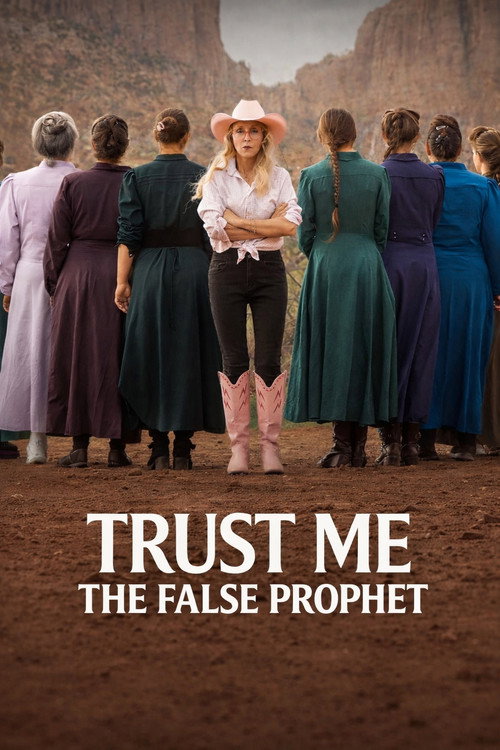
In this true-crime documentary, a cult expert and filmmaker infiltrate a polygamist sect to expose a self-proclaimed prophet and bring him to justice.
Trust Me: The False Prophet

Transcending the music documentary genre by creating a new lane that merges music, socio-cultural commentary and and intimate family portrait of the Wu-Tang Clan.
Wu-Tang Clan: Of Mics and Men

Explore the surprising things we know (and don’t know) about why people are the way they are through expert interviews, rare footage from historical experiments, and brand-new, ground-breaking demonstrations of human nature at work.