Viva Cabaret
Synopsis
Episodes
You might also like

Nick Cannon and an A-list celebrity lead a team of improv comedians as they compete against each other.
Nick Cannon Presents: Wild 'N Out
A late-night live television sketch comedy and variety show created by Lorne Michaels. The show's comedy sketches, which parody contemporary culture and politics, are performed by a large and varying cast of repertory and newer cast members. Each episode is hosted by a celebrity guest, who usually delivers an opening monologue and performs in sketches with the cast, and features performances by a musical guest.
Saturday Night Live
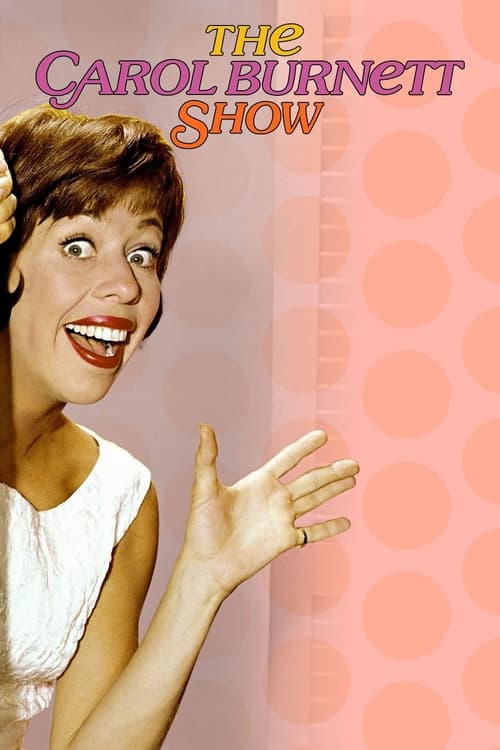
The Carol Burnett Show is an American variety/sketch comedy television show starring Carol Burnett, Harvey Korman, Vicki Lawrence, Lyle Waggoner, and Tim Conway. It originally ran on CBS from September 11, 1967, to March 29, 1978, for 278 episodes and originated from CBS Television City's Studio 33. The series won 25 prime time Emmy Awards, was ranked No. 16 on TV Guide's 50 Greatest TV Shows of All Time in 2002 and in 2007 was listed as one of Time magazine's "100 Best TV Shows of All Time."
The Carol Burnett Show

A zany comedy show with Matt Lucas and David Walliams, featuring characters from all over Little Britain.
Little Britain

Second City Television is a Canadian television sketch comedy show offshoot from Toronto's Second City troupe that ran between 1976 and 1984.
Second City Television
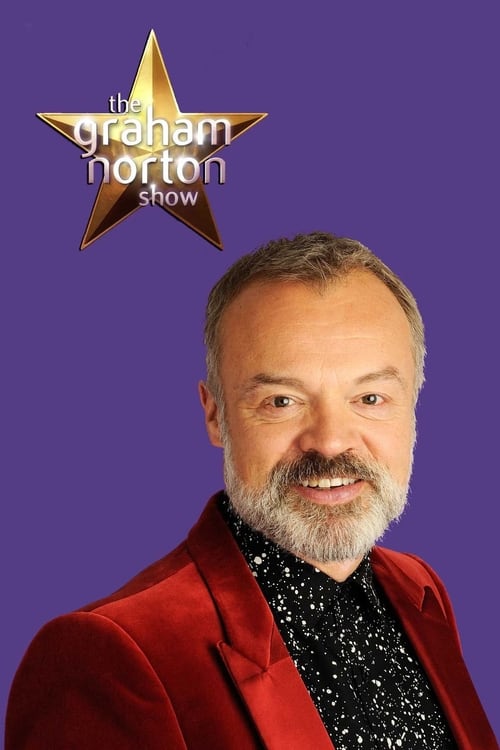
Each week celebrity guests join Irish comedian Graham Norton to discuss what's being going on around the world that week. The guests poke fun and share their opinions on the main news stories. Graham is often joined by a band or artist to play the show out.
The Graham Norton Show
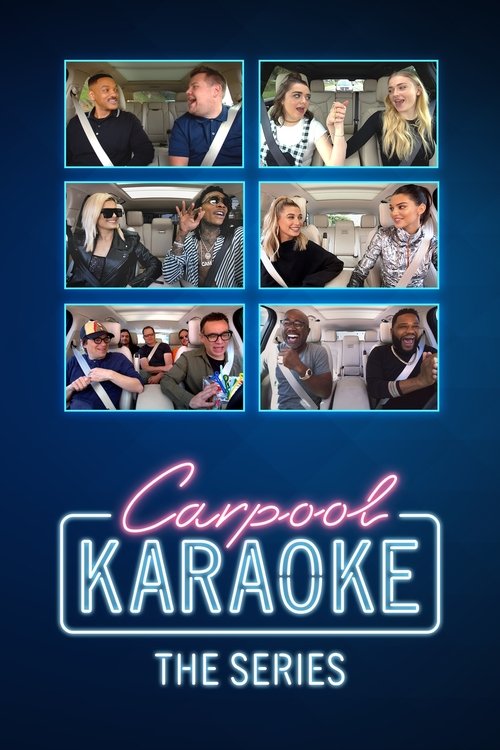
Celebrity pairings ride along in a car together as they sing tunes from their personal playlists and surprise fans who don't expect to see big stars belting out tunes one lane over.
Carpool Karaoke: The Series
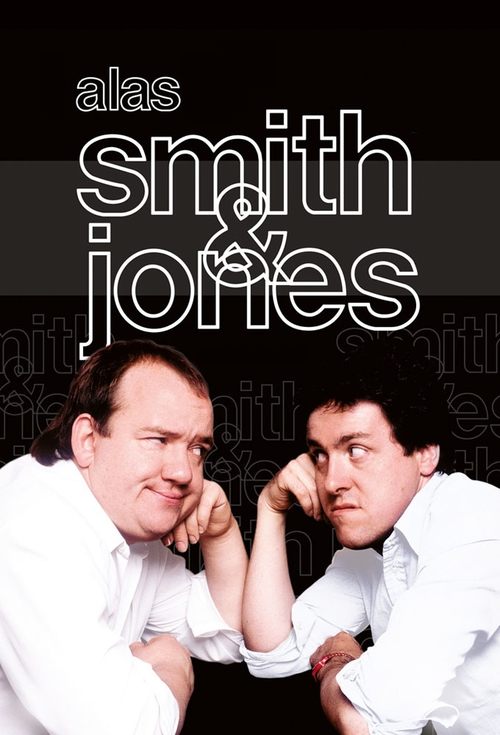
A British comedy sketch television series featuring Mel Smith and Griff Rhys Jones that ran on BBC One and BBC Two from 31 January 1984 to 14 October 1998. From series 5 in 1989 the 'Alas' title was dropped and became simply Smith and Jones.
Alas Smith and Jones
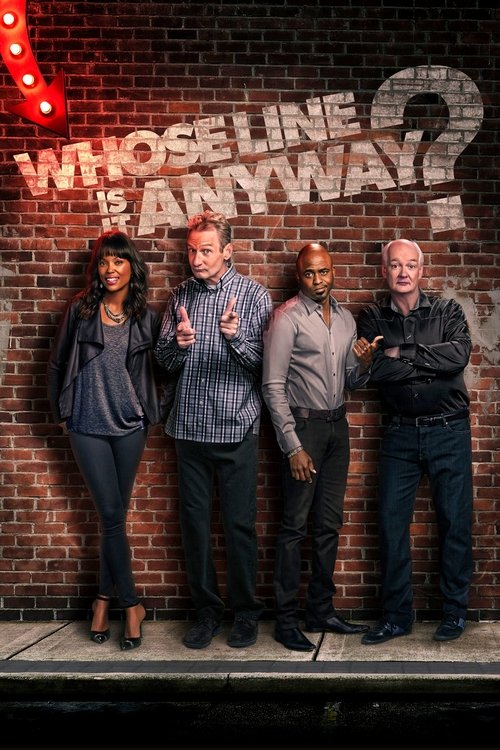
Comedian Aisha Tyler hosts this improv comedy show where the actors on the show - Wayne Brady, Colin Mochrie, Ryan Stiles along with a special guest each episode -must put their comedic skills to the test through a series of spontaneous improv games, prompted only by random ideas supplied by the studio audience.
Whose Line Is It Anyway?
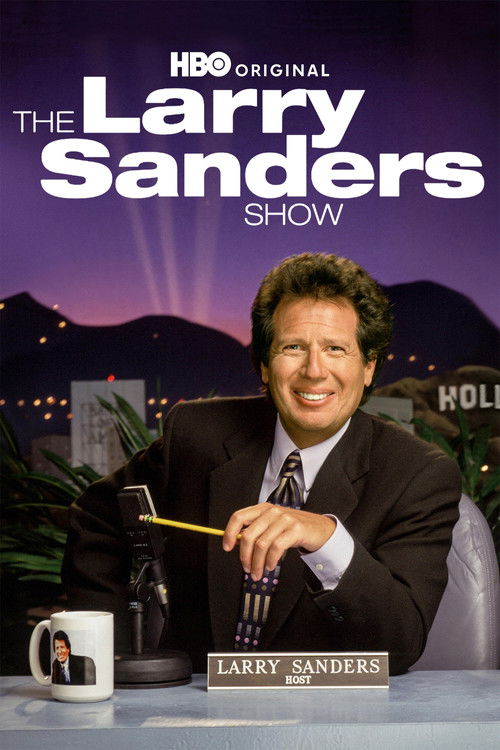
Comic Garry Shandling draws upon his own talk show experiences to create the character of Larry Sanders, a paranoid, insecure host of a late night talk show. Larry, along with his obsequious TV sidekick Hank Kingsley and his fiercely protective producer Artie, allows Garry Shandling and his talented writers to look behind the scenes and to show us a convincing slice of behind the camera life.
The Larry Sanders Show
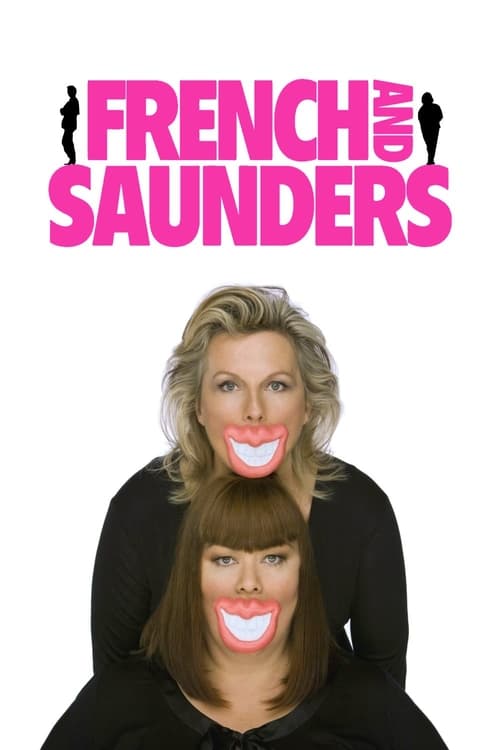
French and Saunders is a British sketch comedy television series written by and starring comic duo Dawn French and Jennifer Saunders. It is also the name by which the performers are known on the occasions when they appear elsewhere as a double act.
French & Saunders
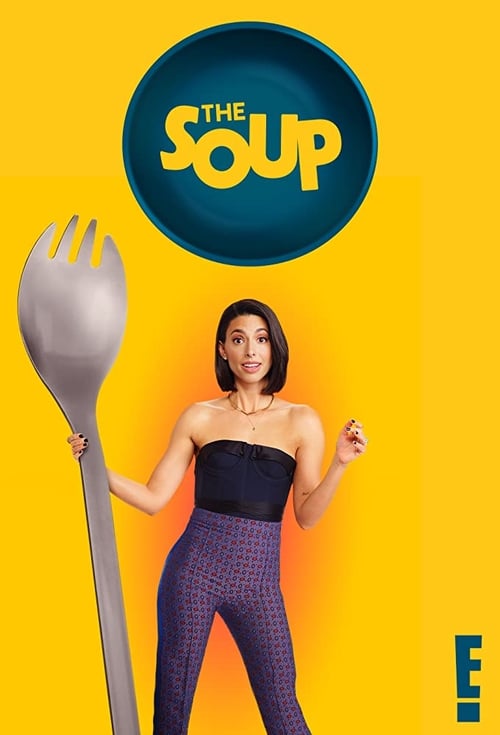
With this satirical series, the E! Entertainment Network returns to a format they helped create with the popular '90s show Talk Soup. Only this time instead of just poking fun at talk shows, they're setting their sights on all things in entertainment, reality TV, pop culture, and politics.
The Soup
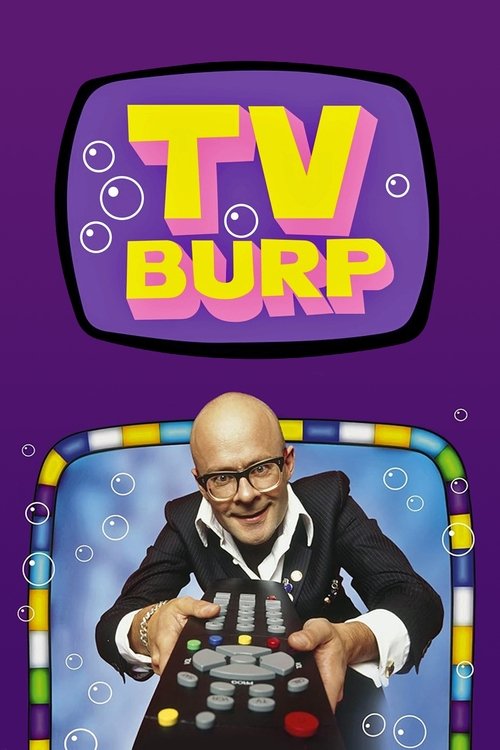
The big-collared comic gives his own spin on TV clips from recent programmes, plus contributions from a set of regular characters
Harry Hill's TV Burp
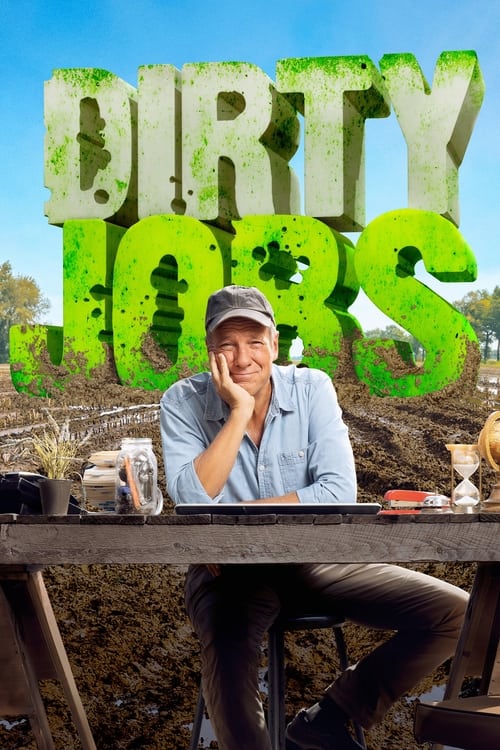
Host and everyman Mike Rowe gets the grimy scoop on downright nasty occupations.
Dirty Jobs
These half-hour specials showcased some of the best up-and-coming comedians of the moment. The show was a pivotal stepping stone for many of today's stand-up stars.
Comedy Central Presents
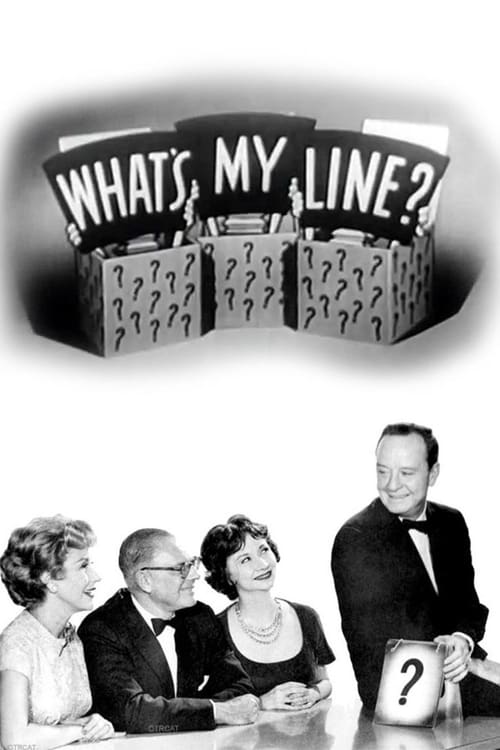
Four panelists must determine guests' occupations - and, in the case of famous guests, while blindfolded, their identity - by asking only "yes" or "no" questions.
What's My Line?
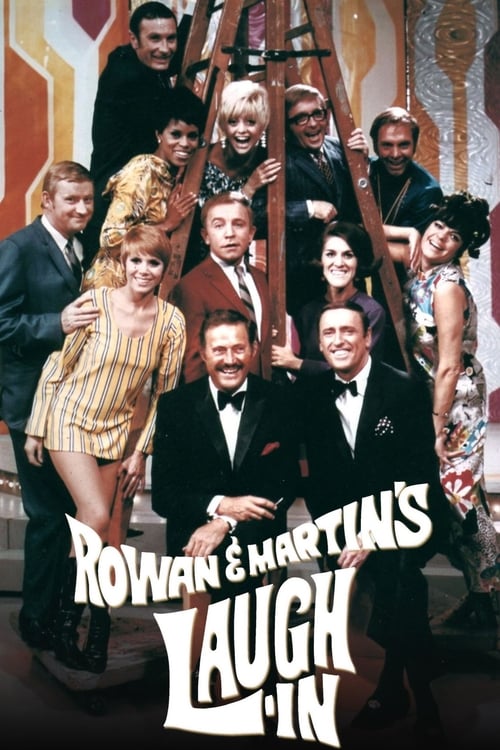
An American sketch comedy television program hosted by comedians Dan Rowan and Dick Martin.
Rowan & Martin's Laugh-In
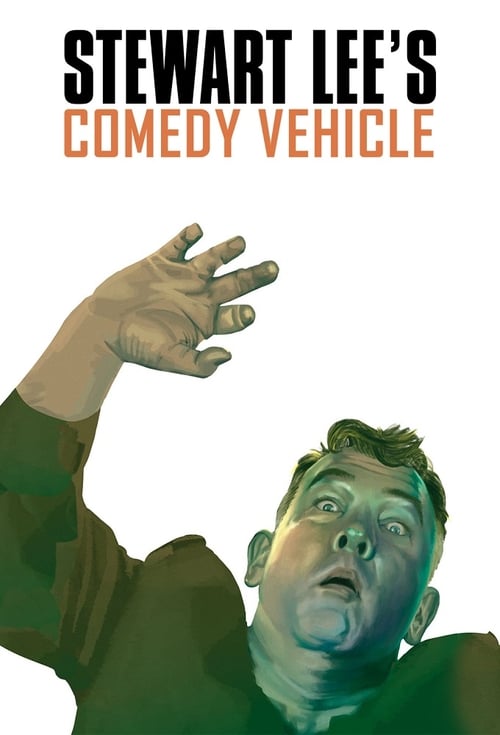
Stewart Lee's Comedy Vehicle is a comedy series created by Stewart Lee. The BBC Two series debuted on 16 March 2009, and featured stand-up routines filmed at The Mildmay Club in Newington Green, and sketches based on a weekly theme, featuring amongst others Simon Munnery, Kevin Eldon and Paul Putner with voice-over parts recorded by Peter Serafinowicz. The series is produced by Richard Webb and directed by Tim Kirkby. The programme is executive-produced by Armando Iannucci and script-edited by Chris Morris, marking a rare reformation of their creative double-act.
Stewart Lee's Comedy Vehicle
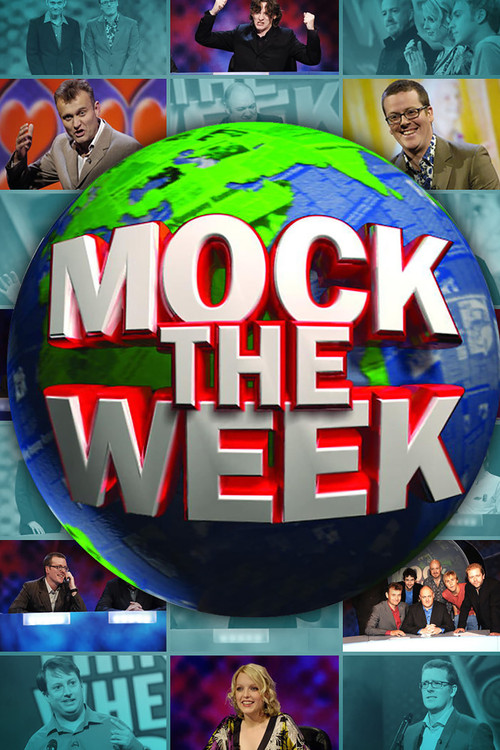
Mock the Week is a British topical celebrity panel game hosted by Dara Ó Briain. The game is influenced by improvised topical stand-up comedy, with several rounds requiring players to deliver answers on unexpected subjects on the spur of the moment.
Mock the Week
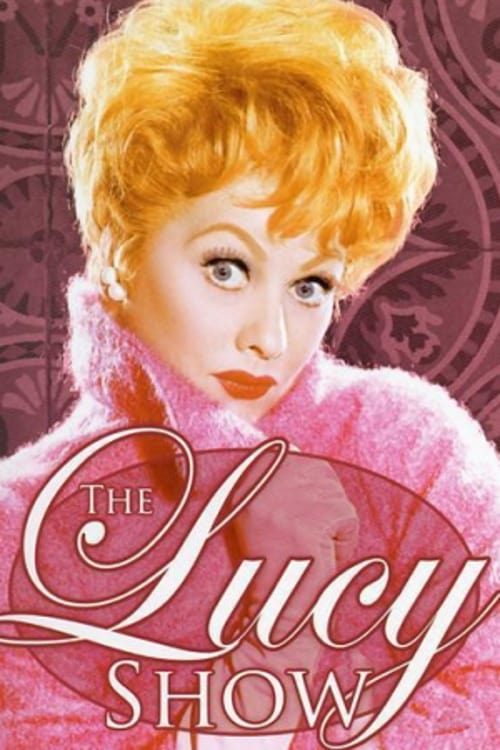
The Lucy Show is an American sitcom that aired on CBS from 1962–68. It was Lucille Ball's follow-up to I Love Lucy. A significant change in cast and premise for the 1965–66 season divides the program into two distinct eras; aside from Ball, only Gale Gordon, who joined the program for its second season, remained. For the first three seasons, Vivian Vance was the co-star. The earliest scripts were entitled The Lucille Ball Show, but when this title was declined, producers thought of calling the show This Is Lucy or The New Adventures of Lucy, before deciding on the title The Lucy Show. Ball won consecutive Emmy Awards as Outstanding Lead Actress in a Comedy Series for the series' final two seasons, 1966–67 and 1967–68.