The Archie Comedy Hour
Synopsis
Episodes
You might also like

An animated prequel to the live-action show "Sabrina, the Teenage Witch," the series features 12-year-old Sabrina Spellman, who's half mortal and half witch. Though few people know of her powers, and her mortal uncle frequently warns her not to use her magic to solve problems, Sabrina still borrows spells from the Spookie Jar and gets into trouble with her friend Harvey.
Sabrina: The Animated Series
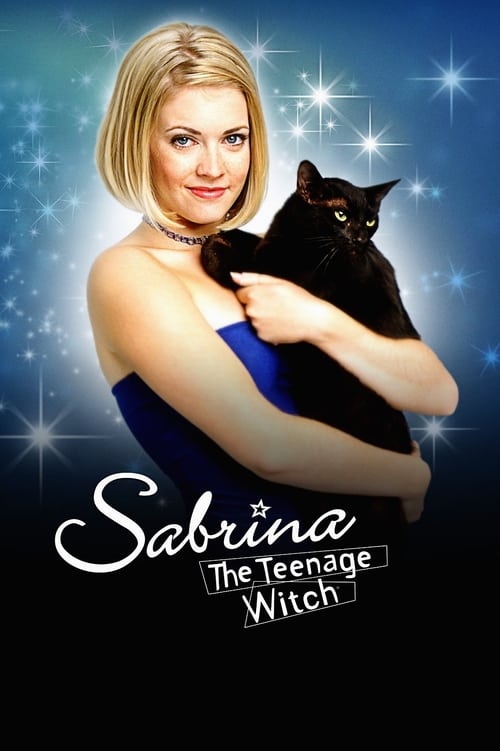
On her sixteenth birthday, Sabrina Spellman discovers she has magical powers. She lives with her 600-year-old aunts Hilda and Zelda as well as talking cat Salem in the fictional town of Westbridge, Massachusetts.
Sabrina, the Teenage Witch
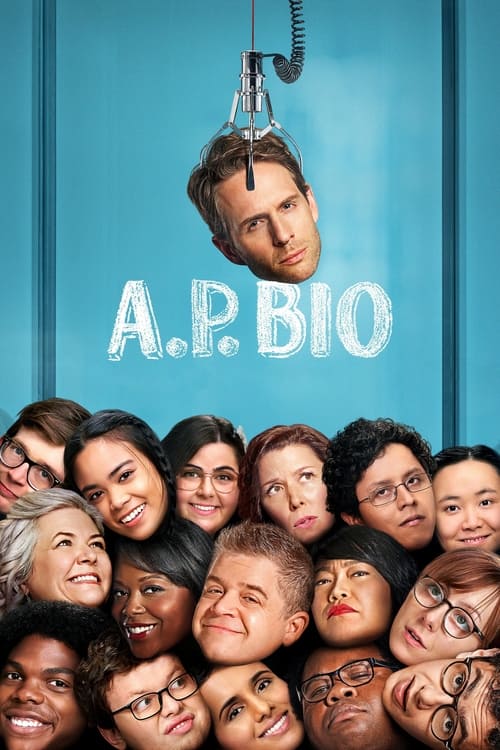
When disgraced Harvard philosophy scholar Jack Griffin loses out on his dream job, he is forced to return to Toledo, Ohio, and work as a high school Advanced Placement biology teacher.
A.P. Bio
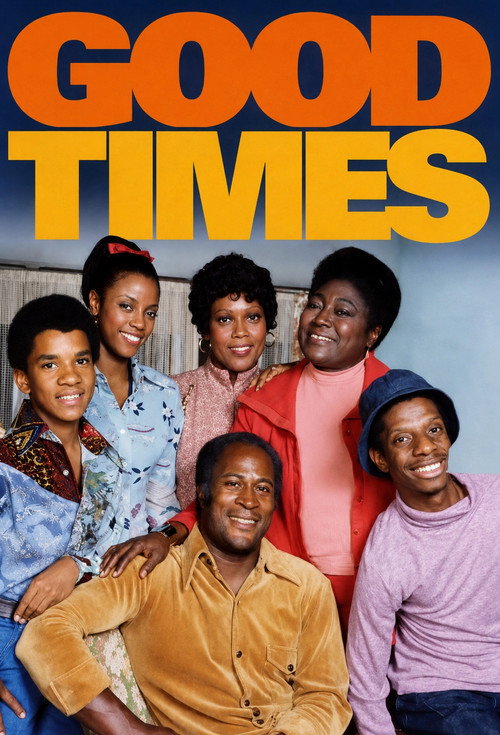
Good Times is an American sitcom that originally aired from February 8, 1974, until August 1, 1979, on the CBS television network. It was created by Eric Monte and Mike Evans, and developed by Norman Lear, the series' primary executive producer. Good Times is a spin-off of Maude, which is itself a spin-off of All in the Family along with The Jeffersons. The series is set in Chicago. The first two seasons were taped at CBS Television City in Hollywood. In the fall of 1975, the show moved to Metromedia Square, where Norman Lear's own production company was housed.
Good Times
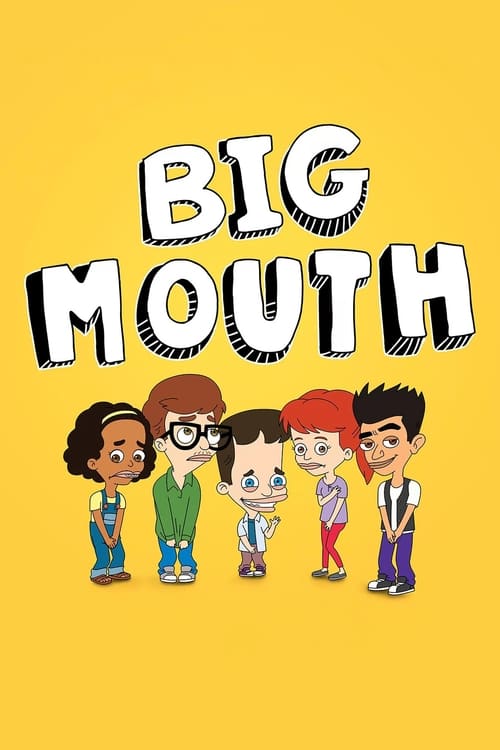
Teenage friends find their lives upended by the wonders and horrors of puberty in this edgy comedy from real-life pals Nick Kroll and Andrew Goldberg.
Big Mouth
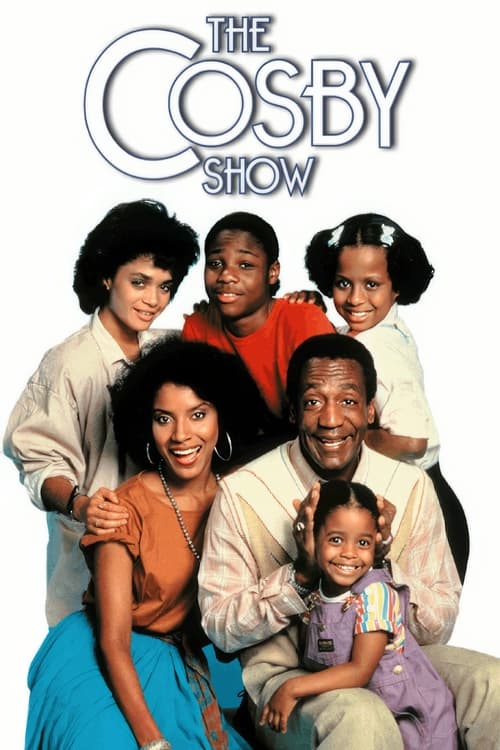
The Cosby Show is an American television situation comedy starring Bill Cosby, which aired for eight seasons on NBC from September 20, 1984 until April 30, 1992. The show focuses on the Huxtable family, an upper middle-class African-American family living in Brooklyn, New York.
The Cosby Show
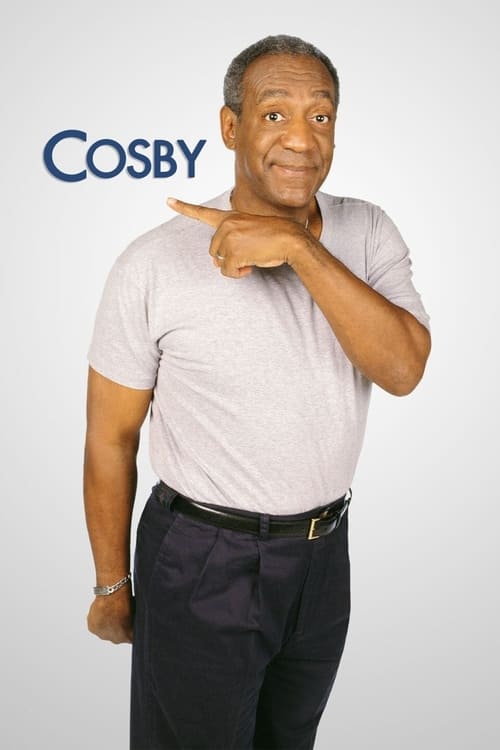
Cosby is an American situation comedy television series broadcast on CBS from September 16, 1996 to April 28, 2000, loosely based on the British sitcom One Foot in the Grave. The program stars Bill Cosby and Phylicia Rashād, who previously worked with Cosby in the 1984–1992 NBC sitcom The Cosby Show. Madeline Kahn portrayed their neighbor, Pauline, until her death in 1999.
Cosby
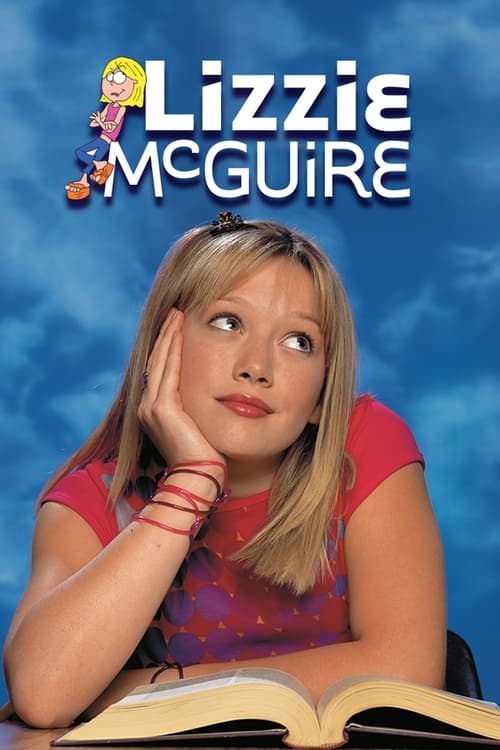
Lizzie McGuire is all about the ordinary and not-so-ordinary adventures of a junior high student and her two best friends as they try to deal with the ups and downs of school, popularity, boys, parents, a bratty little brother--just life in general. And if Lizzie leaves anything unsaid, you can bet that her cartoon alter ego will say it for her!
Lizzie McGuire
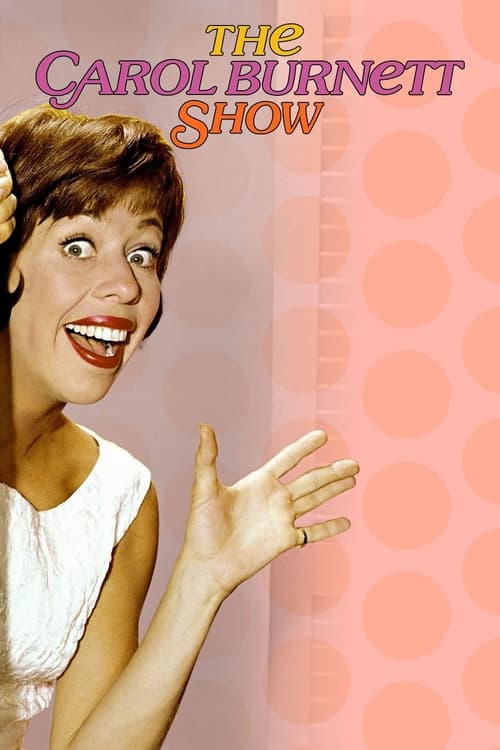
The Carol Burnett Show is an American variety/sketch comedy television show starring Carol Burnett, Harvey Korman, Vicki Lawrence, Lyle Waggoner, and Tim Conway. It originally ran on CBS from September 11, 1967, to March 29, 1978, for 278 episodes and originated from CBS Television City's Studio 33. The series won 25 prime time Emmy Awards, was ranked No. 16 on TV Guide's 50 Greatest TV Shows of All Time in 2002 and in 2007 was listed as one of Time magazine's "100 Best TV Shows of All Time."
The Carol Burnett Show
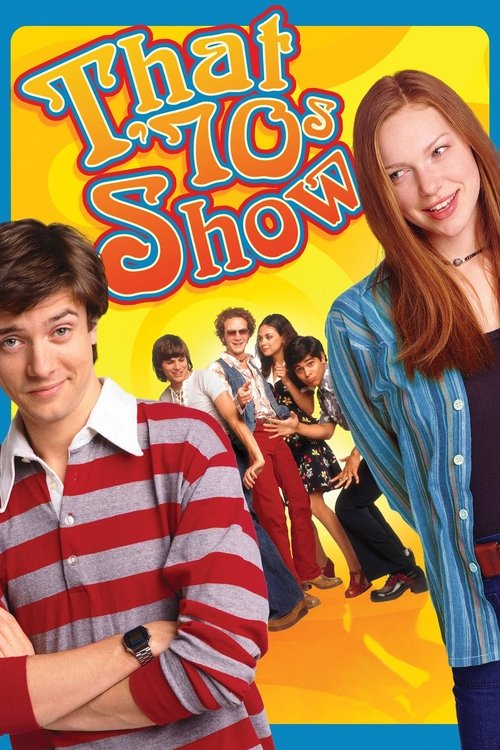
Crank up the 8-track and flash back to a time when platform shoes and puka shells were all the rage in this hilarious retro-sitcom. For Eric, Kelso, Jackie, Hyde, Donna and Fez, a group of high school teens who spend most of their time hanging out in Eric’s basement, life in the ‘70s isn’t always so groovy. But between trying to figure out the meaning of life, avoiding their parents, and dealing with out-of-control hormones, they’ve learned one thing for sure: they’ll always get by with a little help from their friends.
That '70s Show
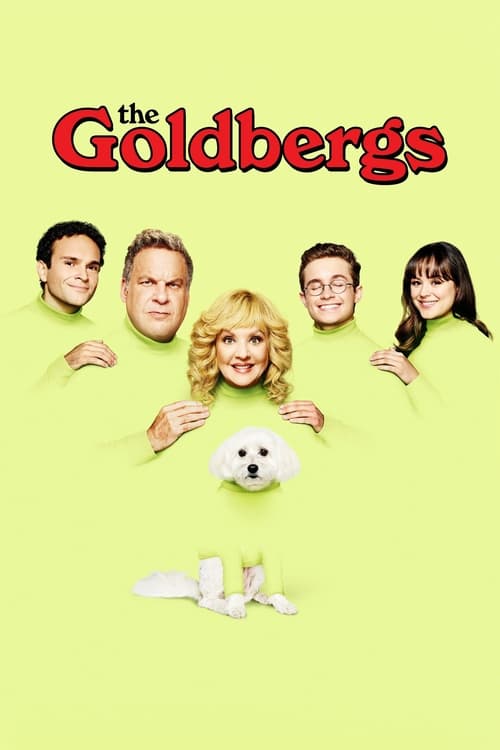
Before there were parenting blogs, trophies for showing up, and peanut allergies, there was a simpler time called the '80s. For geeky 11-year old Adam these were his wonder years and he faced them armed with a video camera to capture all the crazy. The Goldbergs are a loving family like any other, just with a lot more yelling.
The Goldbergs
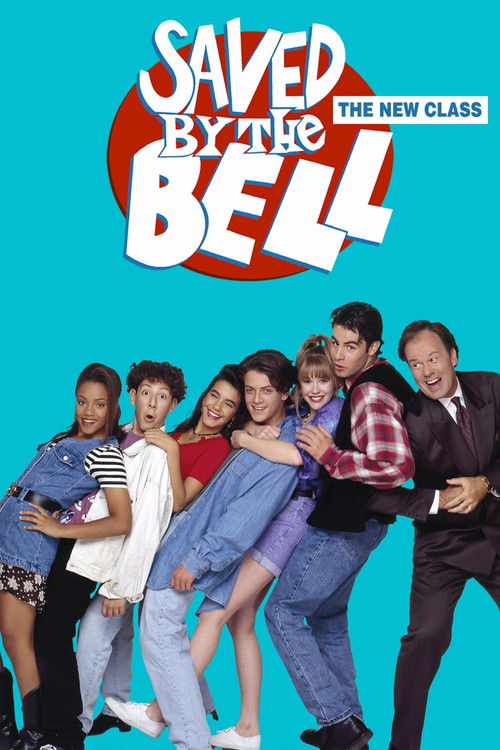
Six friends grow and learn at Bayside High.
Saved by the Bell: The New Class
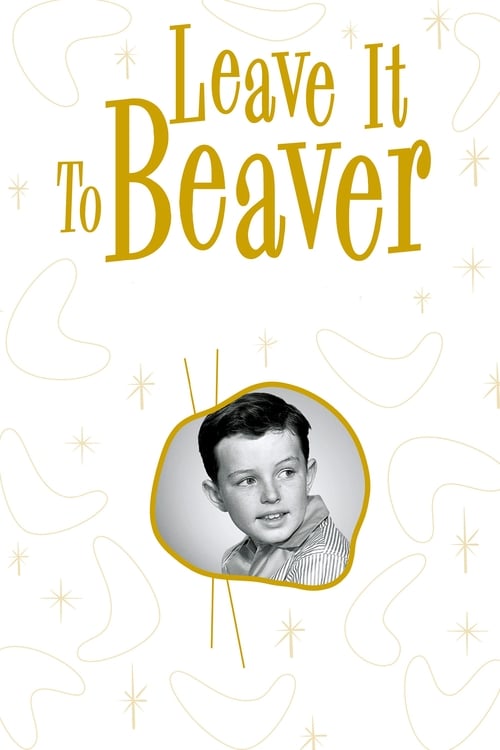
An inquisitive and often naïve boy, Theodore 'The Beaver' Cleaver, has adventures at home, in school, and around his suburban neighborhood. The show also starred Barbara Billingsley and Hugh Beaumont as Beaver's parents, June and Ward Cleaver, and Tony Dow as Beaver's brother Wally. The show has attained an iconic status in the US, with the Cleavers exemplifying the idealized suburban family of the mid-20th century.
Leave It to Beaver
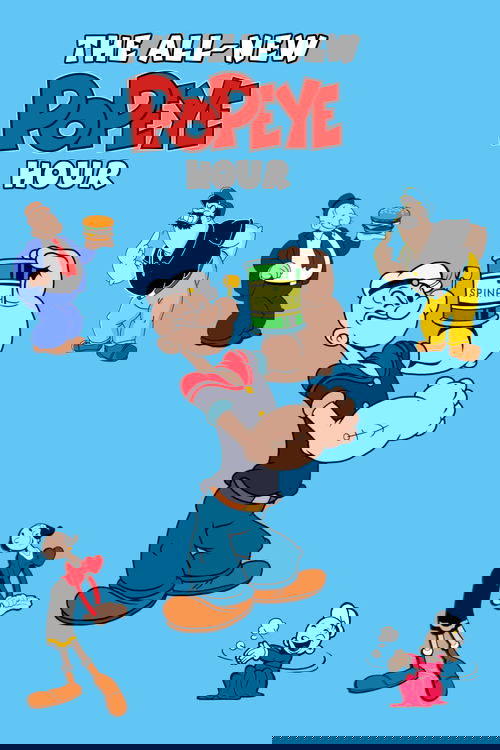
The All-New Popeye Hour is an animated television series produced by Hanna-Barbera Productions and King Features Syndicate. Starring the popular comic strip character Popeye, the series aired from 1978 to 1983 on CBS.
The All-New Popeye Hour
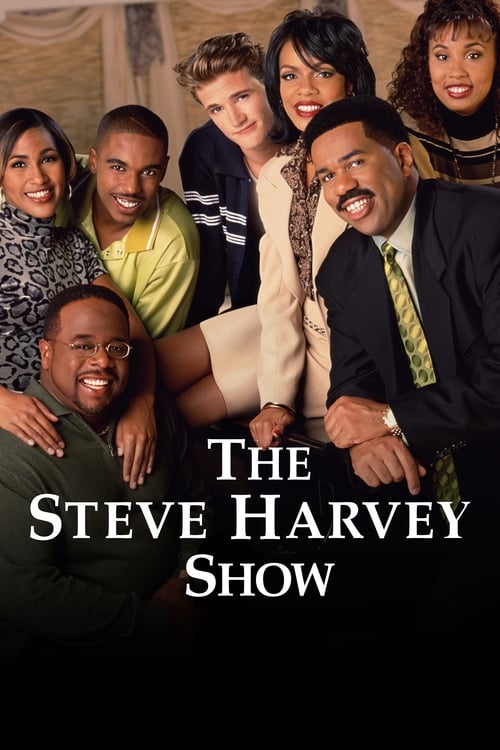
Down on his luck and out of money, former R&B star Steve Hightower lands a music teacher gig at an inner-city Chicago school. Showing who's in charge with his unorthodox approach, Steve discovers a new groove at Washington High School.
The Steve Harvey Show
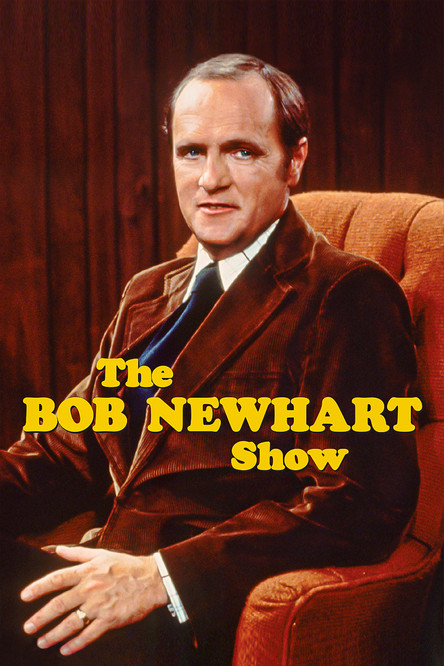
The Bob Newhart Show is an American situation comedy produced by MTM Enterprises, which aired 142 original episodes on CBS from September 16, 1972, to April 1, 1978. Comedian Bob Newhart portrays a psychologist having to deal with his patients and fellow office workers. The show was filmed before a live audience.
The Bob Newhart Show
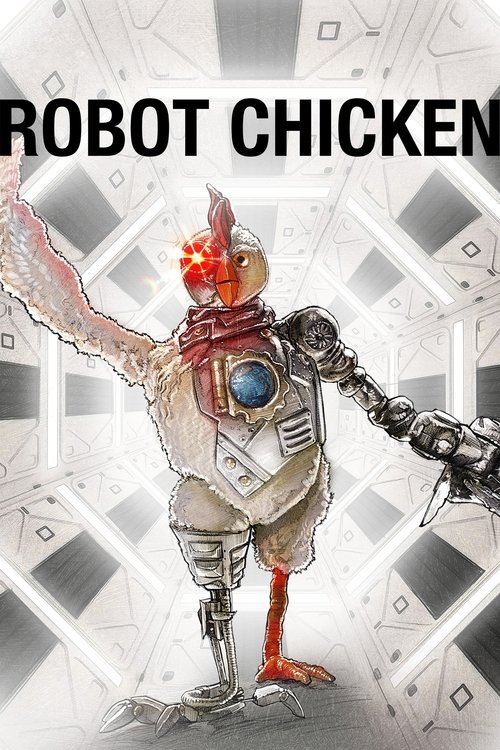
A series of pop-culture parodies using stop-motion animation of toys, action figures and dolls. The title character was an ordinary chicken until he was run down by a car and subsequently brought back to life in cyborg form by mad scientist Fritz Huhnmorder, who tortures Robot Chicken by forcing him to watch a random selection of TV shows, the sketches that make up the body of each episode.
Robot Chicken

This 1959-1963 television situation comedy series follows the lives of the Mitchell family, Henry, Alice, and their only child Dennis, an energetic, trouble-prone, mischievous, but well-meaning boy, who often tangles with his peace-and-quiet-loving neighbor George Wilson, a retired salesman, or, later, with George's brother John, a writer. Dennis is basically a good, well-intentioned boy who always tries to help people, but who winds up making situations worse – often at Mr. Wilson's expense.
Dennis the Menace
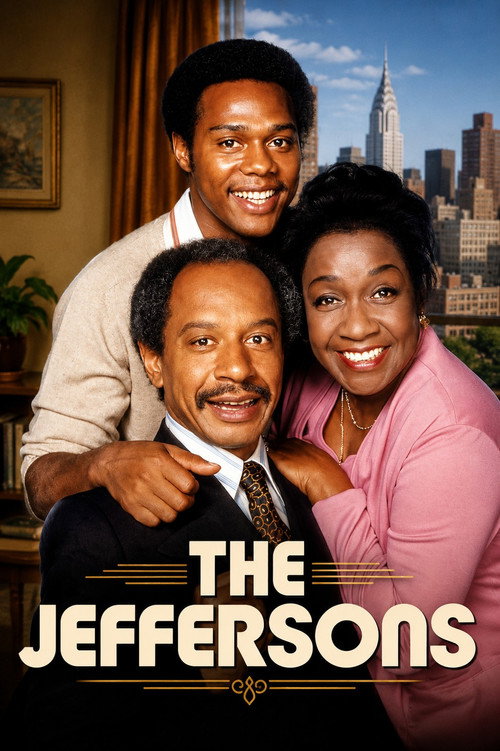
Sitcom following a successful African-American couple, George and Louise “Weezyö Jefferson as they “move on up” from working-class Queens to a ritzy Manhattan apartment. A spin-off of All in the Family.
The Jeffersons
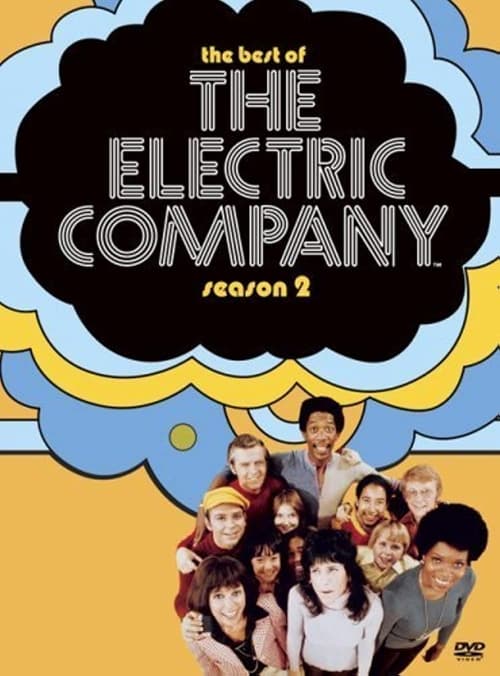
The Electric Company is an educational American children's television series that was produced by the Children's Television Workshop for PBS in the United States. PBS broadcast 780 episodes over the course of its six seasons from October 25, 1971 to April 15, 1977. After it ceased production that year, the program continued in reruns from 1977 to 1985, the result of a decision made in 1975 to produce two final seasons for perpetual use. CTW produced the show at Teletape Studios Second Stage in Manhattan, the first home of Sesame Street. The Electric Company employed sketch comedy and other devices to provide an entertaining program to help elementary school children develop their grammar and reading skills. It was intended for children who had graduated from CTW's flagship program, Sesame Street. Appropriately, the humor was more mature than what was seen there.