Synopsis
Episodes
You might also like
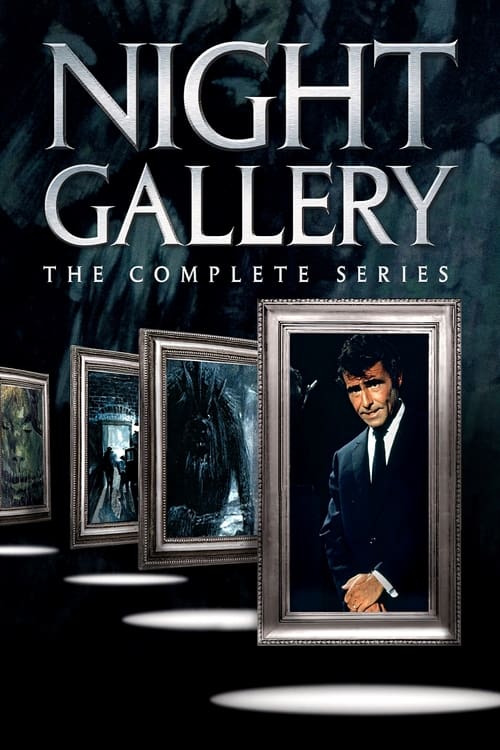
Rod Serling narrates an anthology of fantasy, horror and sci-fi stories from a set resembling a macabre museum. A chilling work of art serves as the connective link between the stories.
Night Gallery

Tales from the Darkside is an anthology horror TV series created by George A. Romero, each episode was an individual short story that ended with a plot twist. The series' episodes spanned the genres of horror, science fiction, and fantasy, and some episodes featured elements of black comedy or more lighthearted themes.
Tales from the Darkside
Tales of science fiction, fantasy and the occult, exploring humanity's hopes, despairs, prides and prejudices in metaphoric ways. Next stop ahead The Twilight Zone.
The Twilight Zone
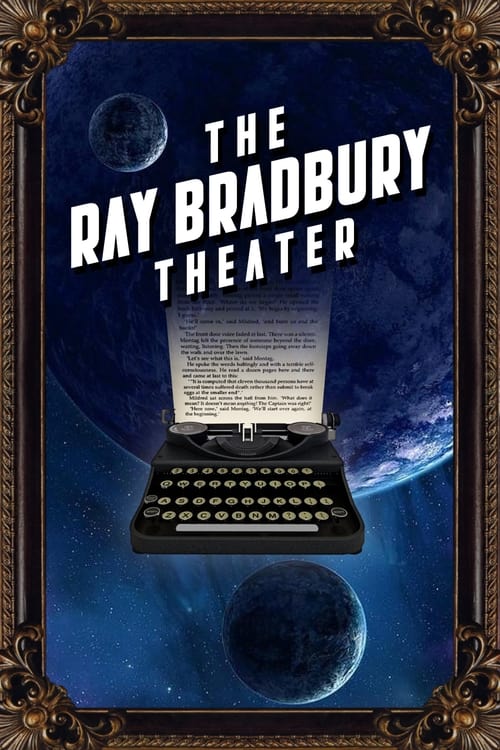
A Canadian-produced fantastic anthology series scripted by famed science-fiction author Ray Bradbury. Many of the teleplays were based upon Bradbury's novels and short stories.
The Ray Bradbury Theater
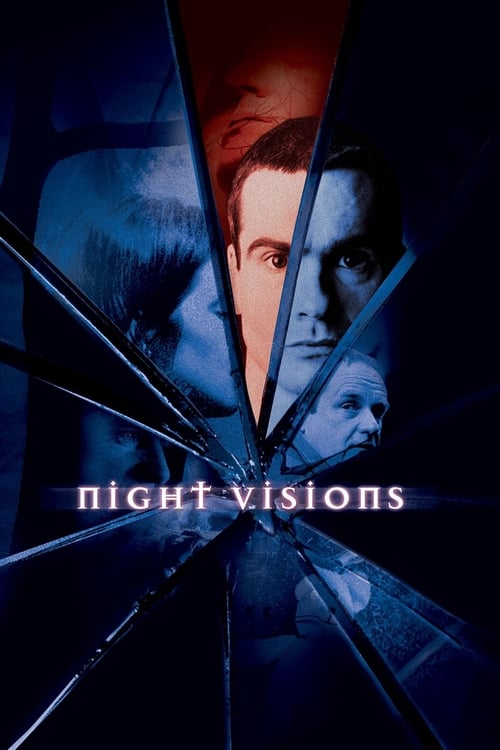
Horror anthology series, with each episode comprising two half-hour stories dealing with themes of the supernatural or simply the dark side of human nature.
Night Visions
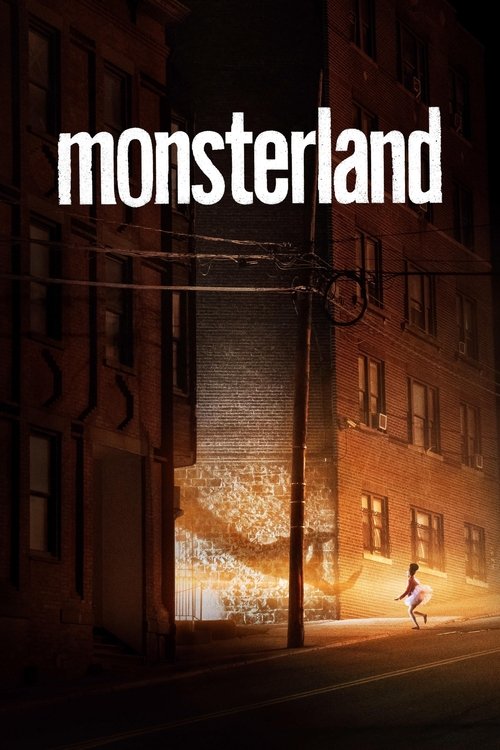
In this fantasy anthology series, encounters with mermaids, fallen angels and other strange beasts drive broken people to desperate acts in an attempt to repair their lives, ultimately showing there is a thin line between man and beast.
Monsterland
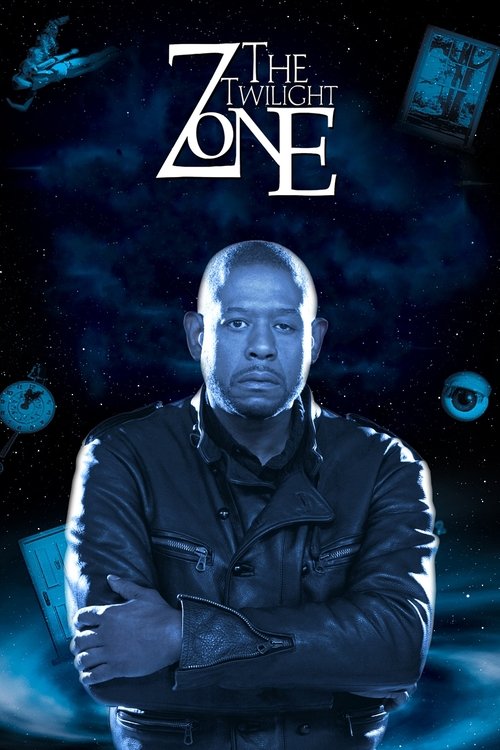
A 2002 revival of Rod Serling's 1950/60s television series, The Twilight Zone, with actor Forest Whitaker assuming Serling's role as narrator and on-screen host.
The Twilight Zone
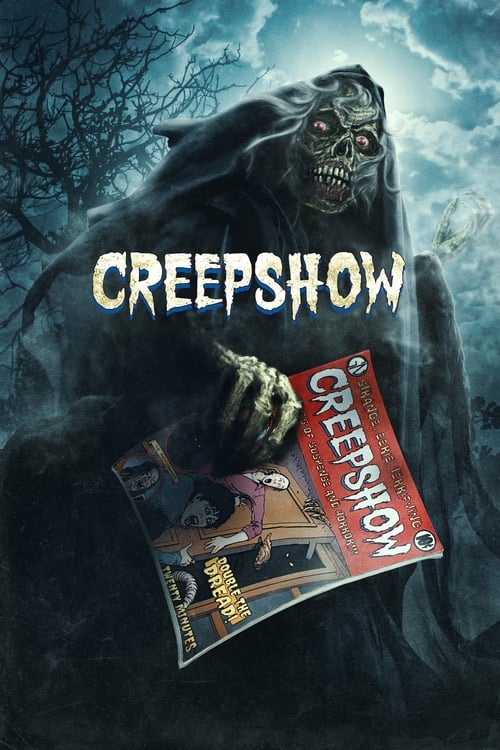
A young boy's horror comic book comes to life in this anthology series of terrifying tales.
Creepshow
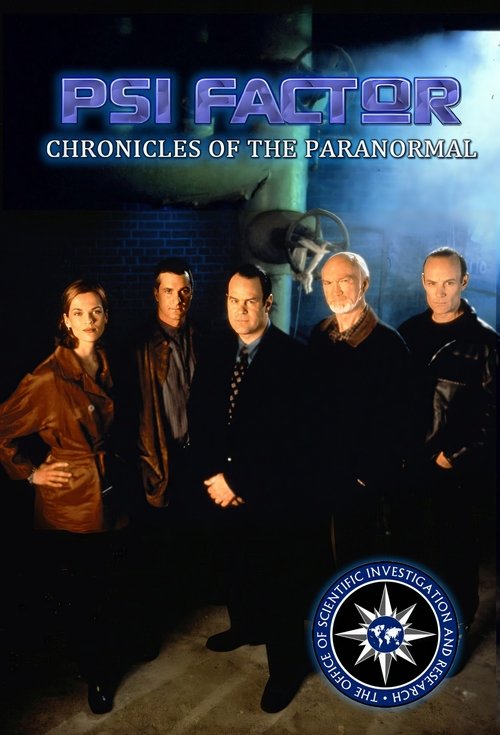
Psi Factor: Chronicles of the Paranormal is a Canadian science fiction television series that surrounds a scientific team that deals with all manner of paranormal phenomena around the world; from alien abductions to possessions. The organization depicted in the series is loosely inspired by a real-life scientific organization. While locations in the series took place worldwide, the series was primarily filmed in and around Toronto, Ontario, Canada, and aired 88 episodes over four seasons from 1996 to 2000.
Psi Factor: Chronicles of the Paranormal
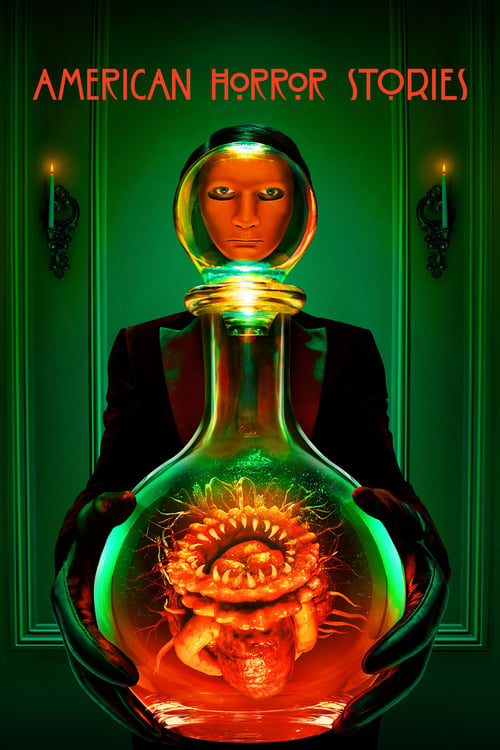
An anthology series of stand alone episodes delving into horror myths, legends and lore.
American Horror Stories
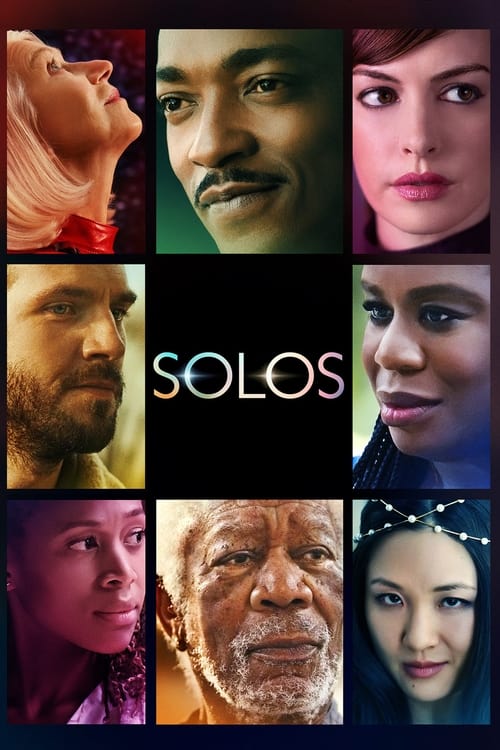
Anthology series telling character-driven stories set at different moments in time, aiming to showcase that during people's most isolated moments, and in disparate circumstances, the human experience connects everyone.
Solos

A masked figure known as "The Curious" collects tales of dark magic, otherworldly encounters and twisted technology in this kids anthology series.
Creeped Out
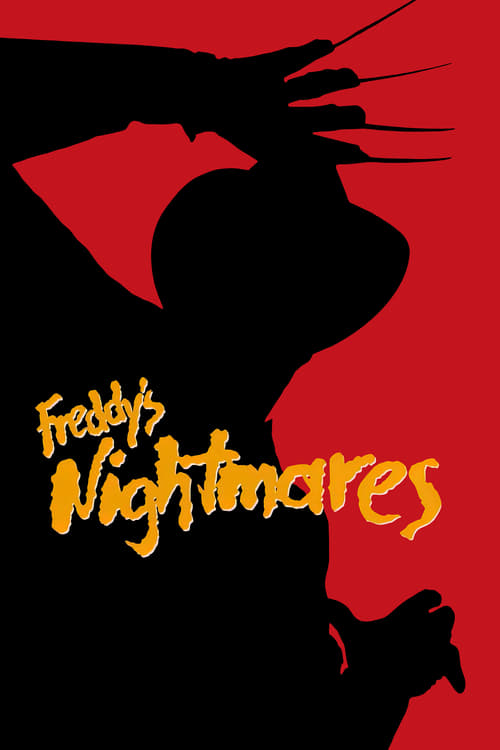
The evil, sinister killer of the "Nightmare On Elm Street" movies, Freddy Krueger, hosts this show, where each week, he shows us a tale of evil and death about the lives of people who live in Springwood.
Freddy's Nightmares
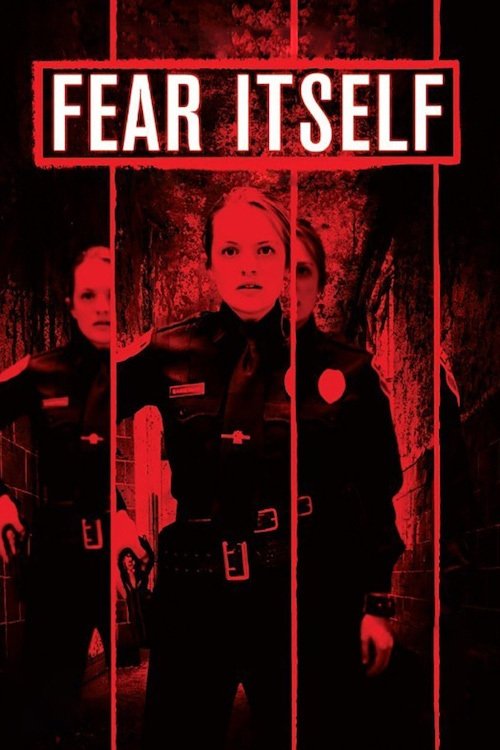
A horror/suspense anthology series directed by the biggest horror directors working in feature films.
Fear Itself
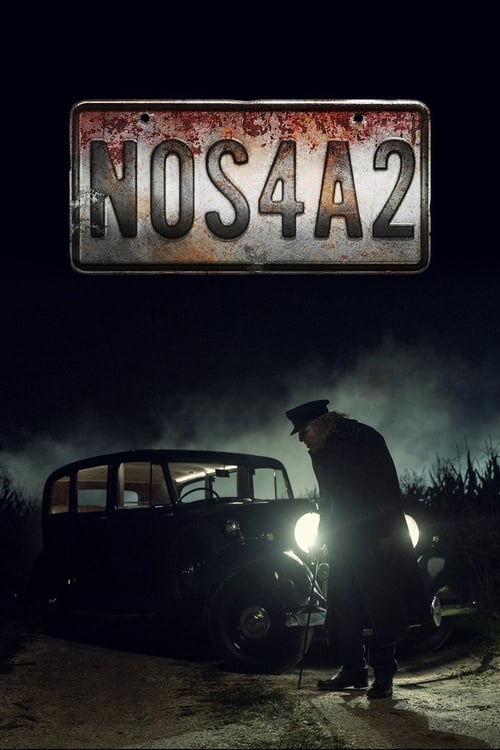
A young Victoria "Vic" McQueen discovers she has the power to unlock portals that help her find lost objects. As she delves further into this hidden universe, she encounters many other "inscape travelers" - some benevolent, and some who have been corrupted by their power. When Vic encounters Charlie Manx, an immortal who stays that way by feeding off of the souls of children, she makes a sworn enemy of Manx.
NOS4A2
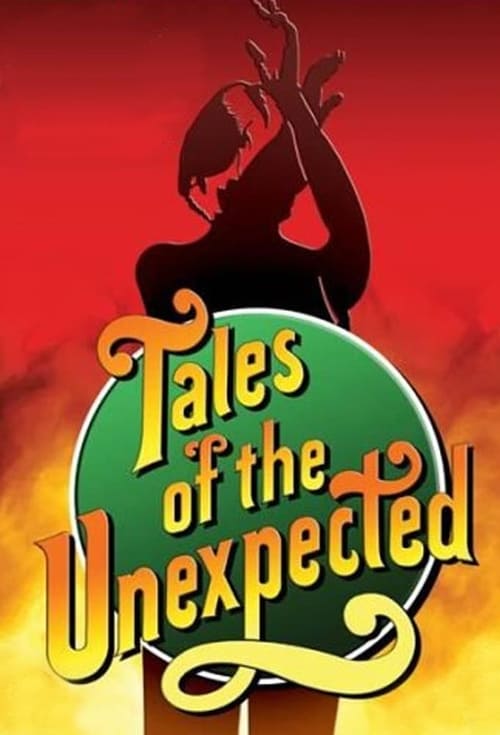
A British television anthology of stories, often with sinister and wryly comedic undertones, and a twist at the end. With early episodes written and presented by Roald Dahl, the series featured a plethora of big name guest stars.
Tales of the Unexpected

A chilling anthology series featuring stories of people in terrifying situations inspired by true historical events.
The Terror

An anthology series written and directed by the most famous names in horror.
Masters of Horror
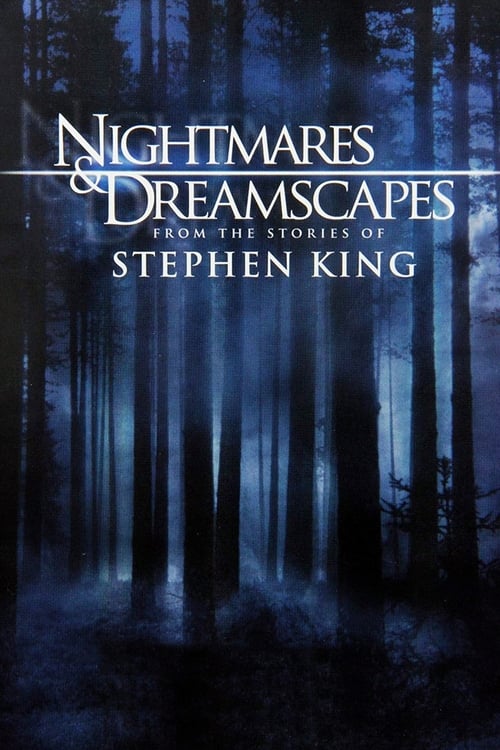
An anthology series based on the works of Stephen King.
Nightmares & Dreamscapes: From the Stories of Stephen King
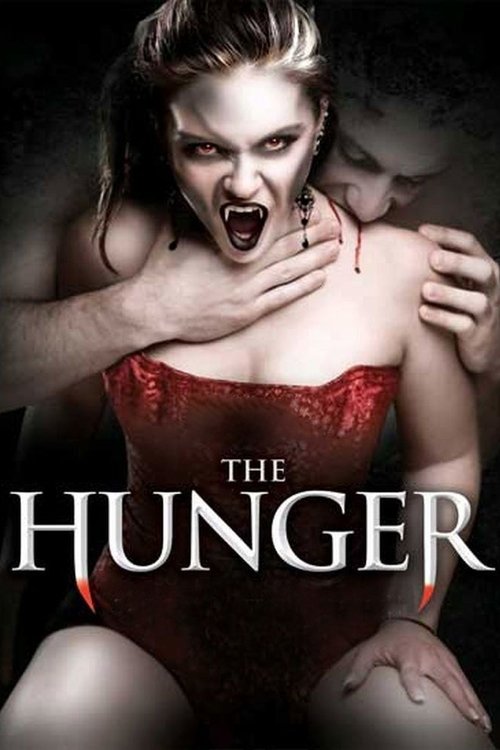
The Hunger is a British/Canadian television horror anthology series, co-produced by Scott Free Productions, Telescene Film Group Productions and the Canadian pay-TV channel The Movie Network. Though it shares a title with the feature film The Hunger the series has no direct plot or character connection to the film, and was created by Jeff Fazio. Originally shown on the Sci Fi Channel in the UK, The Movie Network in Canada and Showtime in the US, the series was broadcast from 1997 to 2000, and is internally organized into two seasons. Each episode was based around an independent story introduced by the host; Terence Stamp hosted each episode for the first season, and was replaced in the second season by David Bowie. Stories tended to focus on themes of self-destructive desire and obsession, with a strong component of soft-core erotica; popular tropes for the stories included cannibalism, vampires, sex, and poison.