
Synopsis
Épisodes
Vous aimerez aussi
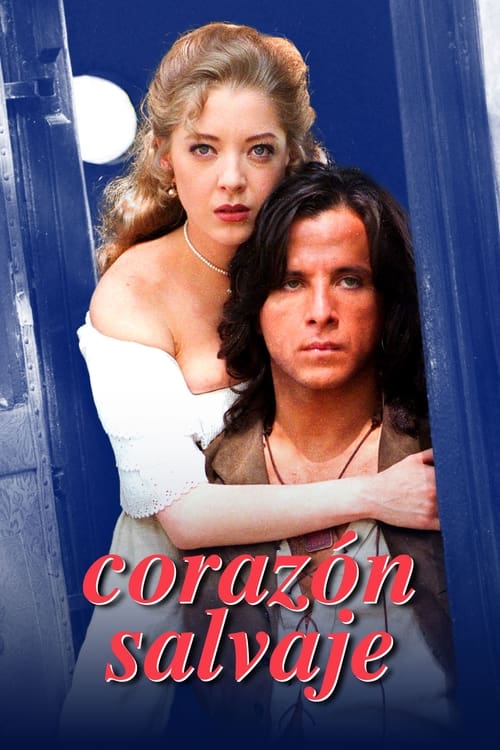
A telenovela that dramatizes the romances and rivalries between two brothers and two sisters in Mexico between the years 1885 and 1900.
Corazón salvaje

Leticia Padilla Solís, “Leti”, is an intelligent but unattractive girl, rather ugly. She graduated with honors in economics, speaks several languages, is fluent in computers, and is a financial genius. Only, because of his physique, she can't find work. Desperate to find a job, “Lety” decides to accept being hired below her level and takes a job as a secretary at Conceptos, a famous video production company, where ugliness is taboo. The production company “Conceptos” was founded by two good friends: Don Humberto Mendiola, and Julián Villaroel. Unfortunately, shortly after, the Villaroels die in an accident and Don Humberto and his wife Teresita take care of the Villaroels' orphaned children: Ariel, Marcia and Ana Leticia and the successful company.
La fea más bella

Maricruz and Beatriz are school friends; Beatriz comes from a well-to-do family, whereas Maricruz belongs to a lower socioeconomic stratum. Both are on the verge of turning fifteen and are preparing to leave childhood behind. Issues within their family and social environments affect them directly; for Beatriz, her parents' marital breakdown becomes the primary obstacle to overcome, compounded by a sexual awakening fraught with taboos and misinformation. Meanwhile, Maricruz must contend with her mother's overprotectiveness and prejudices, as well as the tension caused by a neighbor who is obsessed with her.
Quinceañera

¡Válgame Dios! is a Spanish-language Venezuelan telenovela written by Mónica Montañéz for Venevisión. Sabrina Seara and Eduardo Orozco star as the main protagonists while Ricardo Alamo, Carlota Sosa and Raquel Yanez star as the main antagonists.
Válgame Dios

Teresa Chavez est une jeune femme dominée par son avidité. Ses parents ont fait de grands sacrifices pour lui donner une bonne éducation, une vie décente, mais Teresa ne se soucie que de devenir riche. Teresa est une jeune femme belle et intelligente, elle cherche désespérément à quitter la misère du quartier où elle vit. En dépit d'être belle et d'avoir le soutien et l'amour de ses parents, elle vit une vie misérable et pleine de ressentiment, car la pauvreté a causé la mort de sa sœur. Rosa meurt d'une maladie cardiaque, Teresa jure qu'elle ne sera plus jamais pauvre. Elle fait des plans pour échapper à la pauvreté qui l'entoure, en utilisant sa beauté comme un moyen d'accéder au grand monde. Elle est amoureuse de Mariano, un homme qui vit dans son quartier et étudie pour devenir un médecin afin de répondre aux attentes de Teresa et de combler tous ses rêves. Mais Teresa est impatiente. Pendant ses études dans une école très sélective, Teresa rencontre Paulo, un jeune homme riche et très populaire parmi tous les élèves. Teresa, voyant en lui un moyen rapide de devenir très riche, rompt avec Mariano et utilise sa beauté pour charmer Paulo. Ils sortent ensemble pendant l'école secondaire, mais, après avoir découvert que Teresa est pauvre, il rompt avec elle. Genoveva, la mère de Paulo conseille aussi à Paulo de ne jamais revoir Teresa.
Teresa

Las Amazonas is a Mexican telenovela produced by Salvador Mejía Alejandre for Televisa and originally broadcast on Las Estrellas from May 16 to September 4, 2016. It is based on the Venezuelan telenovela Amazonas (1985). The story follows ranch owner Victoriano Santos and his three daughters, whose lives are transformed by love, family rivalries, and long-hidden secrets. As old betrayals resurface and unexpected romances develop, they must confront painful truths that will test their relationships, reshape their family, and change their future forever.
Las Amazonas
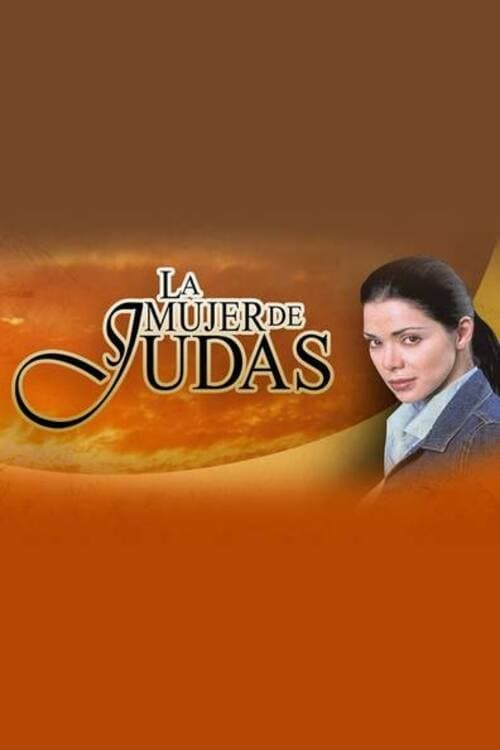
La Mujer de Judas or The Wife of Judas is a telenovela produced by RCTV in Venezuela in 2002. Astrid Carolina Herrera, Chantal Baudaux, Juan Carlos Garcia are playing the main characters and it was directed and created by Martin Hahn. It consists of 126 episodes.
La mujer de Judas

A Mexican telenovela based on the Argentinean telenovela Los Roldán.
Una familia con suerte

Dos Hogares is a Mexican telenovela produced by Emilio Larrosa for Televisa. Anahí, Carlos Ponce, Sergio Goyri, Alfredo Adame, Laura León, Jorge Ortiz de Pinedo, Joana Benedek, Víctor Noriega, Claudia Álvarez, Abraham Ramos, Malillany Marín and Olivia Collins in the leading roles. Canal de las Estrellas aired Dos Hogares from June 27, 2011 to January 20, 2012, with Abismo de Pasión replacing it. From October 31, 2011 to May 29, 2012., Univision broadcast Dos Hogares at 3pm central, replacing one hour of Ni Contigo Ni Sin Ti.
Dos Hogares

Sofía Peralta-Avitia Villaseñor, a successful businesswoman and great mother, who feels lonely in her marriage to Gonzalo Balmori-Ricci Nava. At the same time, her daughter, Bárbara Balmori-Ricci Peralta-Avitia, and her young bodyguard, Salvador "Chava" Reyes Encino, will transform their rebelliousness into passion. But none of them know that the evil, ambitious people around them will try to meddle in their paths on their road to love.
Guardián de mi vida

María del Mar, Marimar, est une jeune mexicaine fleur bleue qui ne sait ni lire ni écrire. Elle vit dans un squat de la plage avec son papi Pancho, sa mamie Cruz, son chien Sac à puces, et sa poule Macha. Contre l'avis de ses grands-parents, elle se rend souvent sur des terrains privés pour récupérer des fruits et des légumes du jardin. Un jour, elle croise le regard de Sergio Santibañez fils du propriétaire de l'Hacienda où elle s'est introduite. Elle est subjuguée par cet homme. Emu par la situation de la jeune femme qui s'accroche à lui, et se sentant en âge de se marier, il propose à Marimar de s'installer à l'Hacienda. Sergio n'est pas amoureux mais ils se marient rapidement car Sergio veut faire rager son père qui refuse de lui attribuer sa part de l'Hacienda. Renato, le père de Sergio et surtout Angelica, la femme de ce dernier regrettent d'avoir poussé Sergio à trouver une épouse. Sergio est footballeur dans un club de la capitale, Mexico. Marimar est vexée de voir que son mari ne souhaite pas qu'elle le rejoigne. Il lui propose de rester à l'Hacienda en attendant qu'il fasse construire une maison non loin de là. Il s'imagine que Marimar sera une parfaite maîtresse de maison à son retour. Il lui envoie des lettres qui ne lui sont pas lues. Marimar est gentille mais elle peut se montrer très insolente avec les gens qui la prennent de haut. Elle se dispute donc régulièrement avec Angelica. Angelica se débarrasse d'elle en l'accusant d'un vol de bijoux. Marimar se retrouve en prison enceinte. Angelica ordonne à un de ses employés de s'occuper des grands-parents de Marimar. Il fait plus que demandé en les tuant. Marimar ne reste pas longtemps en prison. À sa libération elle ne rêve que d'une chose : quitter la région et prendre un nouveau départ. Avec l'aide du prêtre, Padre Porres, elle trouve un logement dans une auberge de Mexico. La poule Macha finit dans les assiettes de l'auberge. Marimar est embauchée comme domestique chez le riche homme d'affaires Gustavo Aldama, qui recherche sa fille. Gustavo va faire d'elle une femme cultivée, distinguée, ambitieuse et son héritière. Ce n'est que la veille de sa mort qu'il apprend que cette jeune femme est en réalité sa fille. Marimar a perdu toute naïveté. À Mexico on la connaît sous l'identité de Bella Aldama, une redoutable femme fatale, orgueilleuse et très méfiante. Elle réussit à cacher sa grossesse, puis élève sa fille en toute discrétion. Sergio tombe amoureux de cette femme d'affaires charismatique. Il a des doutes mais refuse de croire que Marimar ait pu autant changer. Marimar ressent toujours quelque chose pour Sergio mais n'oublie pas le manque de considération de celui-ci à l'époque où elle était pauvre. Elle ne supporte pas la goujaterie de son mari qui semble bien s'amuser à Mexico. Marimar se vante d'être riche, tourne Sergio en bourrique, et souhaite se venger de la famille Santibañez. Le chien Sac à puces, dont on entend les pensées, est bien plus perspicace que les humains. Il essaie de protéger Marimar contre elle-même.
Marimar

La Loba is a Mexican telenovela by TV Azteca. It premiered on 2010. The protagonists are the international stars Ivonne Montero and Mauricio Islas. Grand actors such as Regina Torne, Omar Fierro, Ana Ciochetti, Fernando Becerril and Marta Aura also included as cast members. In the final 2 weeks, episodes are halved to give way to Maricarmen's new telenovela, Entre el Amor y el Deseo
La Loba

Nunca te olvidaré is a Mexican telenovela produced by Juan Osorio for Televisa in 1999. It is based on a novel by Caridad Bravo Adams and starring Edith González, Fernando Colunga and antagonistic interests of Alma Muriel, Eugenia Cauduro and Humberto Elizondo.
Unforgettable
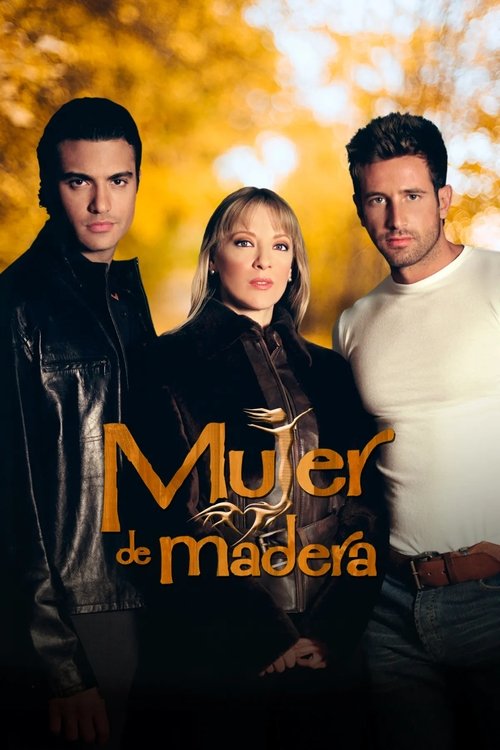
Mujer de Madera is a Mexican telenovela produced by Televisa in 2004. One unusual feature of this telenovela is that the main character is played by different actresses before and after her stay in hospital due to a forest fire.
Mujer de Madera
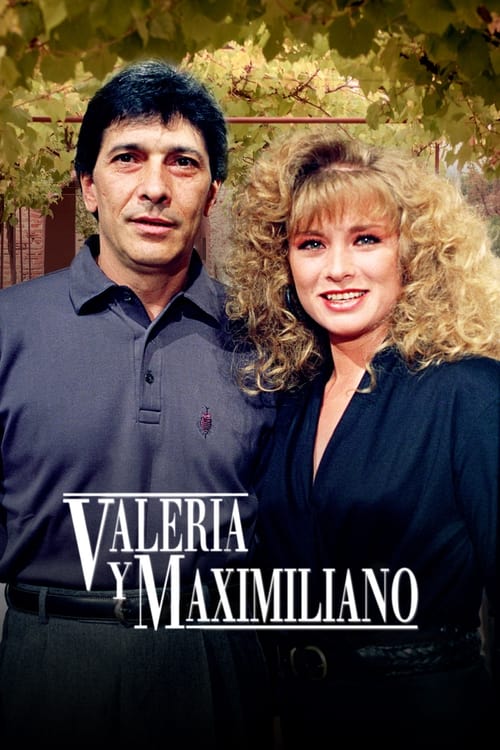
Valeria y Maximiliano is a Mexican telenovela produced by Carlos Sotomayor for Televisa and originally broadcast on Canal de las Estrellas from December 23, 1991, to May 1, 1992. Created by Nora Alemán, the telenovela stars Leticia Calderón and Juan Ferrara. The story follows Valeria Landero, a beautiful, wealthy, and strong-willed young woman whose pride and impulsive nature bring conflict to her family. After rejecting the obsessive Román de la Fuente, she becomes the target of his revenge, which threatens to destroy everything she loves. Throughout her struggles, Maximiliano Riva remains by her side, and together they must overcome betrayal, ambition, and family intrigue before finding true love.
Valeria y Maximiliano
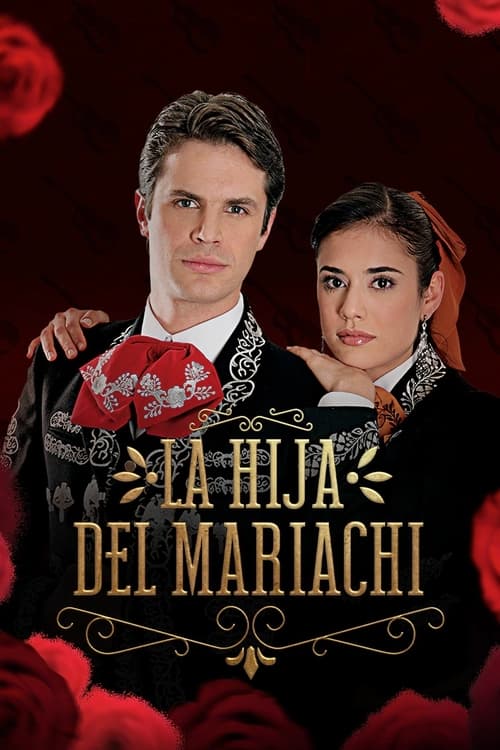
Emiliano, a wealthy Mexican businessman, is ripped off by his friends and partners. Hidden in Bogotá, he receives help from Rosario, a mariachi singer. She does not know Emiliano’s background and that he is wanted by the police of two countries and by a criminal organization. With a new name and personality, he adapts well to his new life as a mariachi band member and finds in Rosario the love of his life. But he is afraid his secret will tear them apart. He needs to clear his name and resolve his case to avoid that fate. Meanwhile, he often finds his love tested and vulnerable to several rivals, but Rosario always trusts that he has been honest with her.
La hija del Mariachi
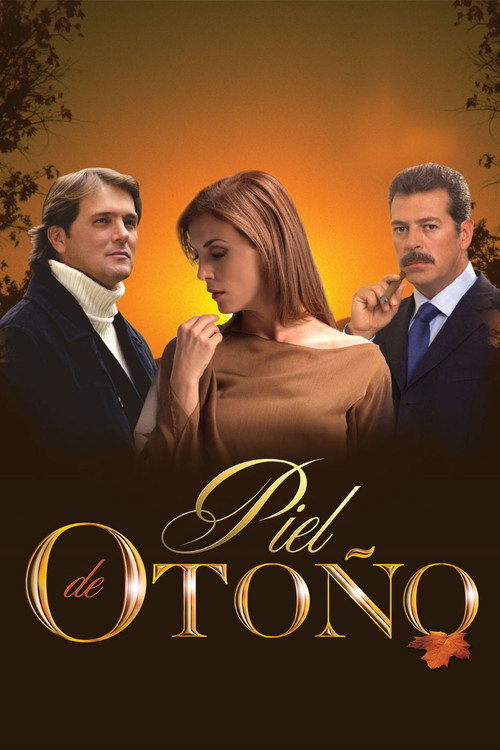
Piel de otoño is a Mexican telenovela that was produced by Televisa and broadcast on El Canal de las Estrellas in Mexico from 9 May 2005 through 23 September 2005 in Mexico, and from October 10, 2005, through February 17, 2005, in the United States. Starring Laura Flores and René Strickler as the series' protagonists, the show tells the story of Lucía Villarreal de Mendoza, a woman who seeks refuge from her husband and children's abuses in the friendship of a stranger on the Internet, who signs his messages only as "wind". Piel de otoño is a remake of the 1986 Televisa telenovela Cicatrices del alma. The program aired weekdays at 5 pm for twenty weeks.
Piel de otoño

Hijas de la luna is a Mexican telenovela produced by Nicandro Díaz González for Televisa and originally broadcast on Las Estrellas from February 19 to June 24, 2018. It is an adaptation of the Colombian telenovela Las Juanas, created by Bernardo Romero Pereiro. The story follows four young women who discover they are sisters and set out to uncover the truth about their family. As they build a bond, they face love, betrayal, and long-buried secrets that will change their lives forever.
Hijas de la luna
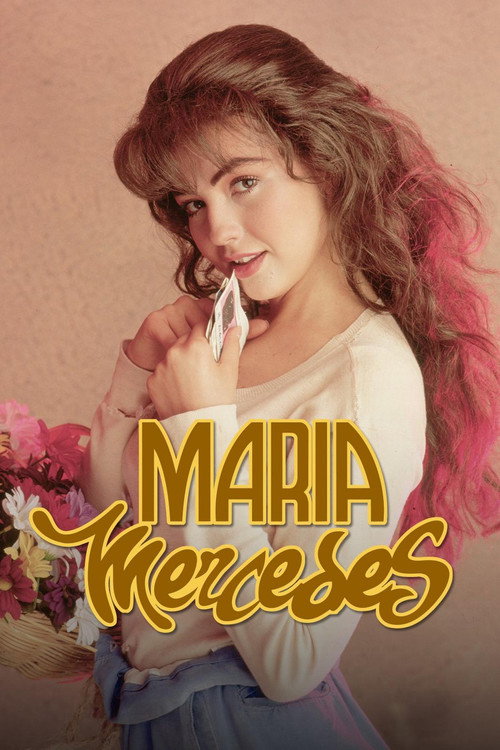
María Mercedes, a poor girl who sells lottery tickets, meets a rich man who hates his own family and sees in María Mercedes an opportunity to make their lives miserable.
Maria Mercedes

La Mujer Del Vendaval is a 2012 Mexican telenovela produced by Mapat L. de Zatarain for Televisa. It is a remake of the Venezuelan telenovela Un Esposo para Estela. Ariadne Díaz and José Ron star as the main protagonists, while Chantal Andere, Marco Muñoz, Manuel Flaco Ibañez and Florencia del Saracho as the main antagonists.