

Synopsis
Episodes
You might also like

This 1959-1963 television situation comedy series follows the lives of the Mitchell family, Henry, Alice, and their only child Dennis, an energetic, trouble-prone, mischievous, but well-meaning boy, who often tangles with his peace-and-quiet-loving neighbor George Wilson, a retired salesman, or, later, with George's brother John, a writer. Dennis is basically a good, well-intentioned boy who always tries to help people, but who winds up making situations worse – often at Mr. Wilson's expense.
Dennis the Menace
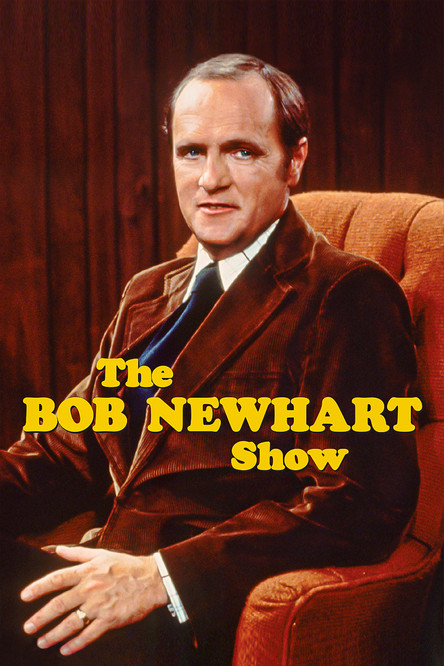
The Bob Newhart Show is an American situation comedy produced by MTM Enterprises, which aired 142 original episodes on CBS from September 16, 1972, to April 1, 1978. Comedian Bob Newhart portrays a psychologist having to deal with his patients and fellow office workers. The show was filmed before a live audience.
The Bob Newhart Show

In this game show, the game changes every show! Players begin each round without knowing the rules -- and must figure them out while competing to win.
Game Changer
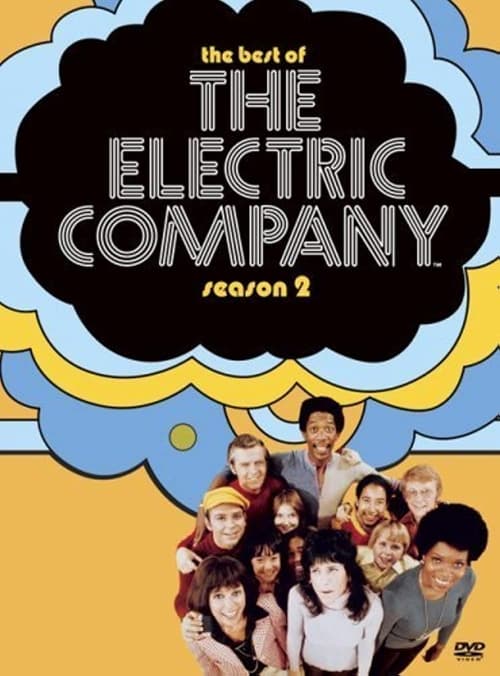
The Electric Company is an educational American children's television series that was produced by the Children's Television Workshop for PBS in the United States. PBS broadcast 780 episodes over the course of its six seasons from October 25, 1971 to April 15, 1977. After it ceased production that year, the program continued in reruns from 1977 to 1985, the result of a decision made in 1975 to produce two final seasons for perpetual use. CTW produced the show at Teletape Studios Second Stage in Manhattan, the first home of Sesame Street. The Electric Company employed sketch comedy and other devices to provide an entertaining program to help elementary school children develop their grammar and reading skills. It was intended for children who had graduated from CTW's flagship program, Sesame Street. Appropriately, the humor was more mature than what was seen there.
The Electric Company

T.J. is a boy genius who gets bumped up from the fourth grade to high school. T.J. tries to adjust to his new life, but he shares some classes with his 14 year-old brother Marcus, the school jock, and his clueless and self-absorbed 16 year-old sister Yvette.
Smart Guy
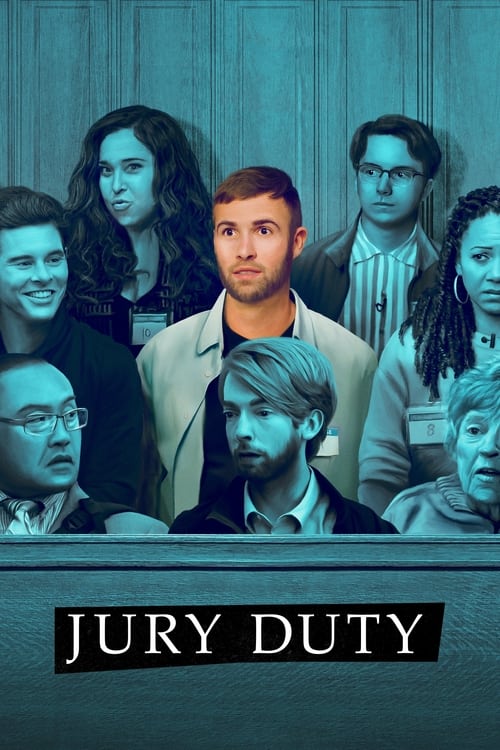
The inner workings of an American jury trial through the eyes of one particular juror, Ronald Gladden. Gladden is unaware the entire case is fake, everyone except him is an actor and everything that happens — inside the courtroom and out — is carefully planned.
Jury Duty

This game show sees contestants solve word puzzles, similar to those used in Hangman, to win cash and prizes determined by spinning a giant carnival wheel.
Wheel of Fortune
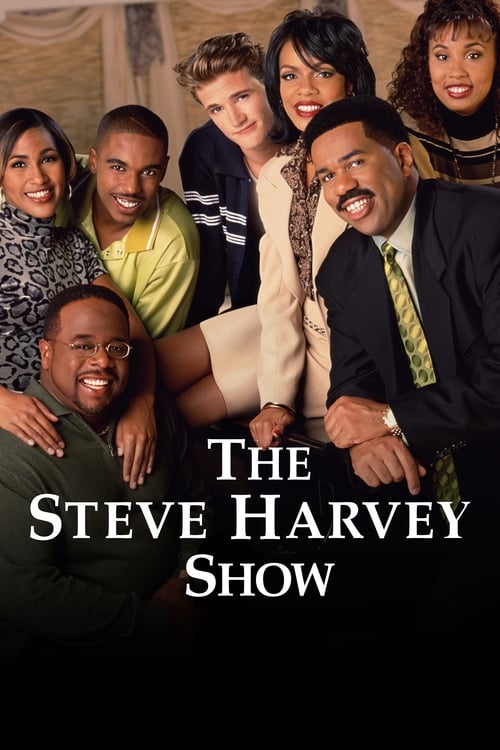
Down on his luck and out of money, former R&B star Steve Hightower lands a music teacher gig at an inner-city Chicago school. Showing who's in charge with his unorthodox approach, Steve discovers a new groove at Washington High School.
The Steve Harvey Show
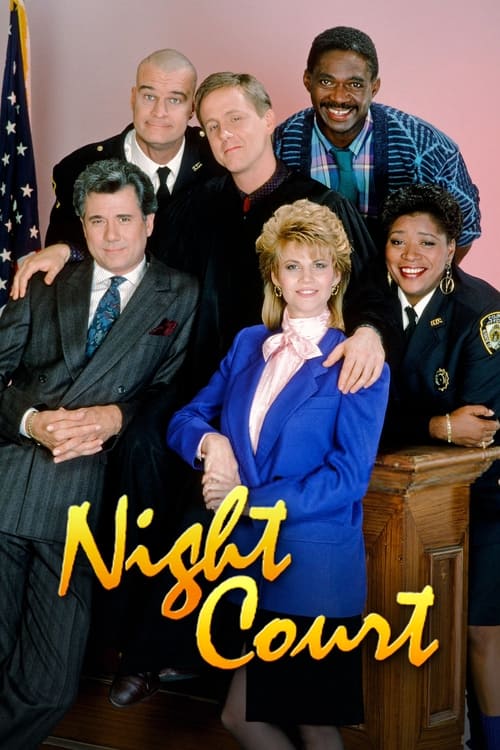
An eccentric fun-loving judge presides over an urban night court and all the silliness going on there.
Night Court
Jimmy Carr hosts proceedings as the 8 Out of 10 Cats crew take over the words and numbers quiz.
8 Out of 10 Cats Does Countdown
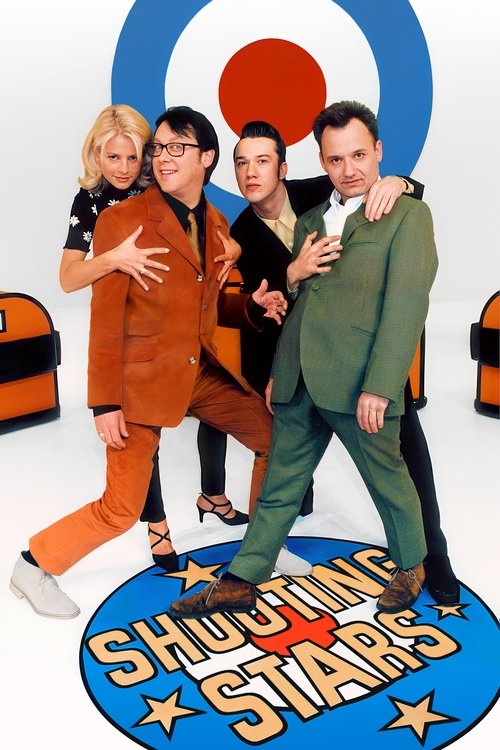
Shooting Stars is a British television comedy panel game broadcast on BBC Two as a pilot in 1993, then as 3 full series from 1995 to 1997, then on BBC Choice from January to December 2002 with 2 series before returning to BBC Two for another 3 series from 2008 until its cancellation in 2011. Created and hosted by double-act Vic Reeves and Bob Mortimer, it uses the panel show format but with the comedians' often slapstick, surreal and anarchic humour does not rely on rules in order to function, with the pair apparently ignoring existing rules or inventing new ones as and when the mood takes them.
Shooting Stars

The absurd adventures of two defective detectives, who - despite unbelievable incompetence - somehow manage to solve their cases (or be nearby when the cases are solved) and retain their jobs.
The Detectives
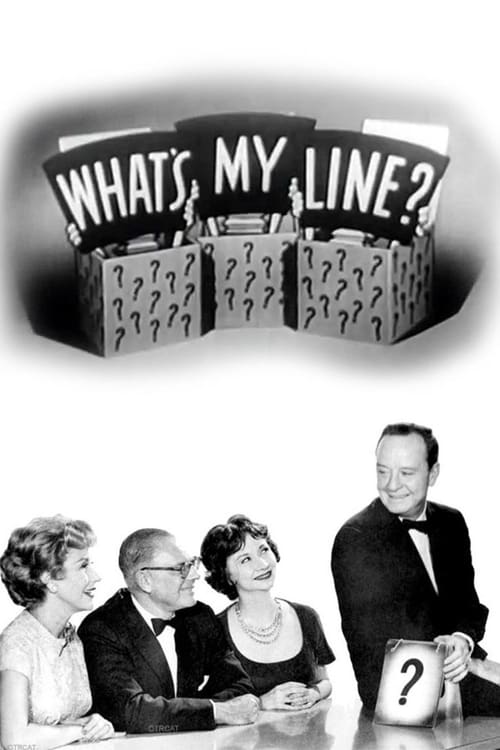
Four panelists must determine guests' occupations - and, in the case of famous guests, while blindfolded, their identity - by asking only "yes" or "no" questions.
What's My Line?
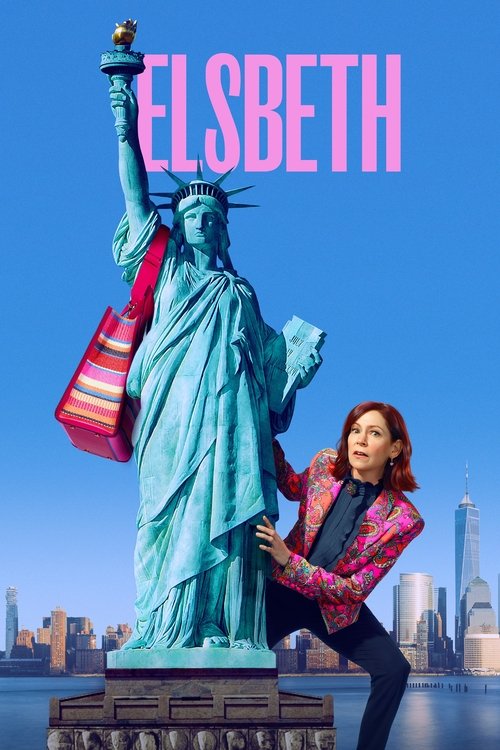
After her successful career in Chicago, Elsbeth Tascioni, an astute but unconventional attorney, utilizes her singular point of view to make unique observations and corner brilliant criminals alongside the NYPD.
Elsbeth
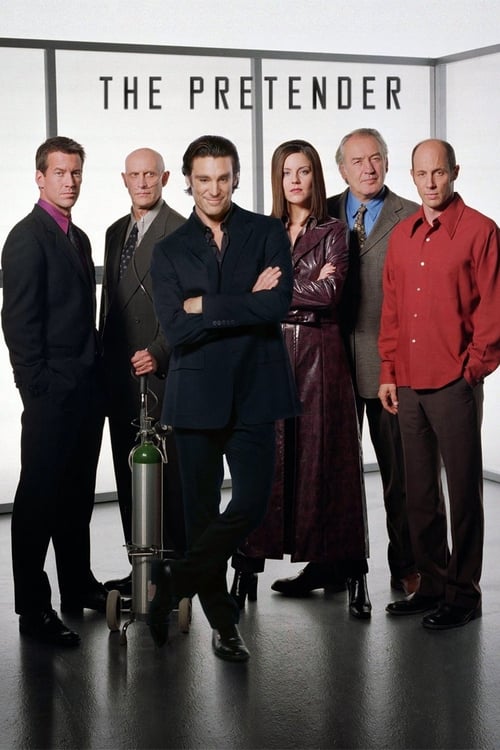
Raised in a secret facility built for experimenting on children, Jarod is a genius who can master any profession and become anyone he has to be. When he realizes as an adult that he's actually a prisoner and his captors are not as benevolent as he's been told, he breaks out. While trying to find his real identity, Jarod helps those he encounters and tries to avoid the woman sent to retrieve him.
The Pretender
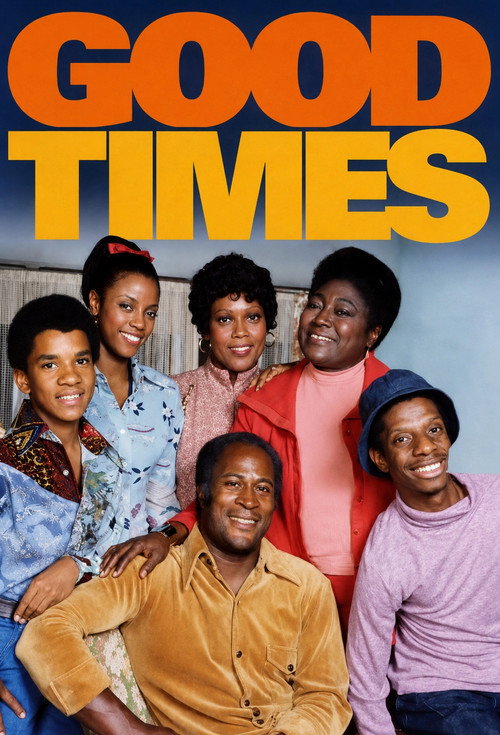
Good Times is an American sitcom that originally aired from February 8, 1974, until August 1, 1979, on the CBS television network. It was created by Eric Monte and Mike Evans, and developed by Norman Lear, the series' primary executive producer. Good Times is a spin-off of Maude, which is itself a spin-off of All in the Family along with The Jeffersons. The series is set in Chicago. The first two seasons were taped at CBS Television City in Hollywood. In the fall of 1975, the show moved to Metromedia Square, where Norman Lear's own production company was housed.
Good Times
Mr. Young is a Canadian comedy series that premiered on March 1, 2011 on YTV. The series is shot in front of a live audience in Burnaby, British Columbia. The series was created by Dan Signer, and stars Brendan Meyer, Matreya Fedor and Gig Morton as attendants of Finnegan High School. Further main cast includes Kurt Ostlund, Emily Tennant, and Milo Shandel.
Mr. Young
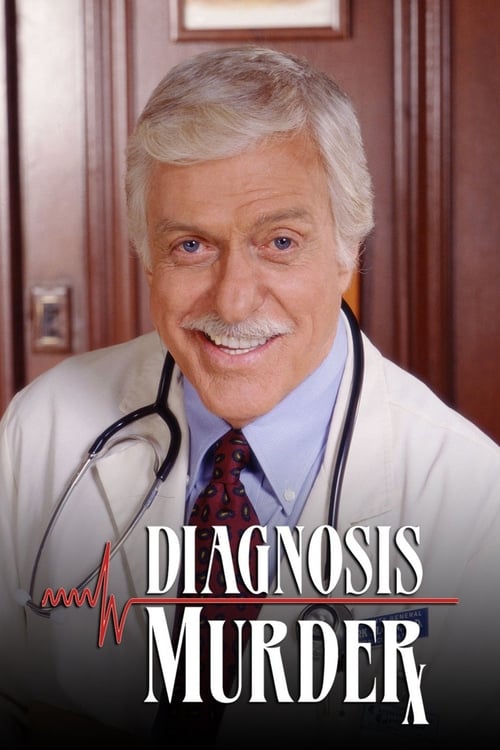
Dr. Mark Sloan is a good-natured, offbeat physician who is called upon to solve murders.
Diagnosis: Murder

American version of the tense gameshow where contestants tackle a series of multiple-choice questions to win large cash prizes.
Who Wants to Be a Millionaire?
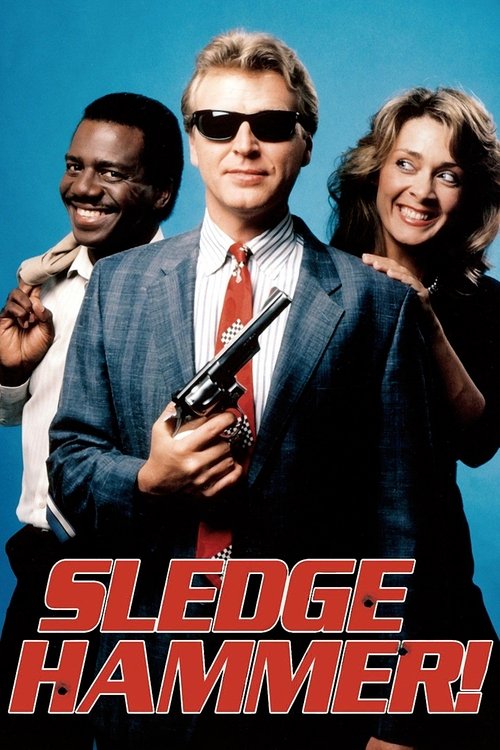
Sledge Hammer! is an American satirical police sitcom produced by New World Television that ran for two seasons on ABC from 1986 to 1988. The series was created by Alan Spencer and stars David Rasche as Inspector Sledge Hammer, a preposterous caricature of the standard "cop on the edge" character. Al Jean and Mike Reiss, best known for their work on The Simpsons, wrote for the show and worked as story editors.