
Episodes
You might also like
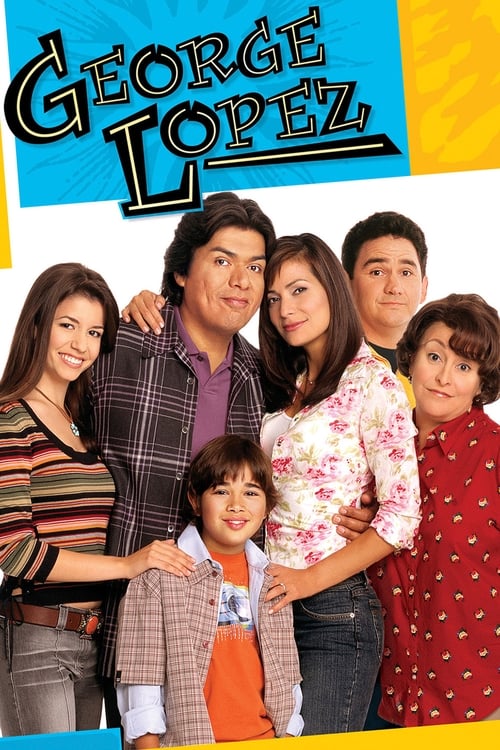
George raises daughter Carmen and dyslexic son Max with his wife Angie, after surviving a miserable, dysfunctional childhood at the hands of his neglectful alcoholic mother Benny.
George Lopez
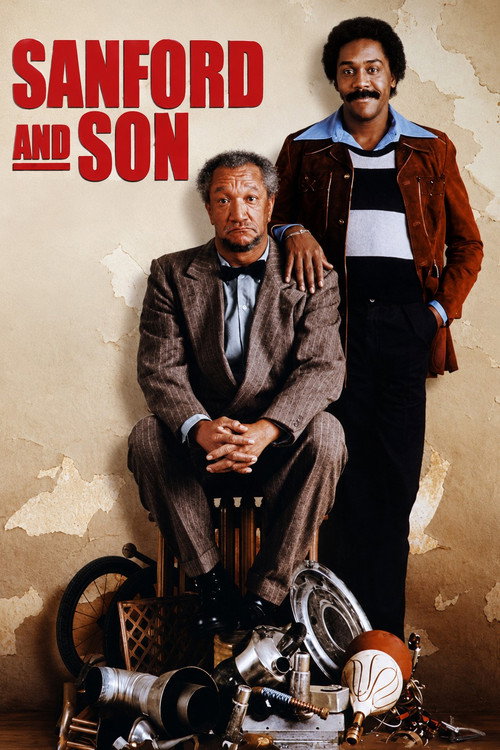
The misadventures of a cantankerous junk dealer and his frustrated son.
Sanford and Son
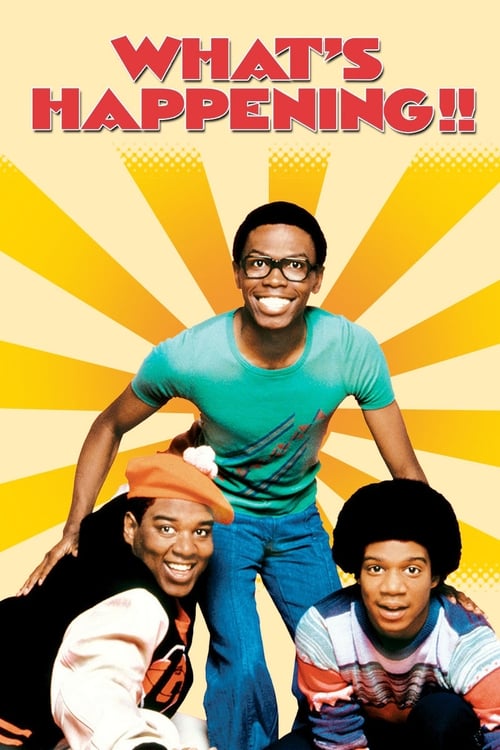
Buddies Raj, Rerun and Dwayne come of age in 1970s Los Angeles. The trio have a penchant for mischief and trying to find ways of getting rich quick. Almost always the trio's schemes wind up getting them into trouble and it's up to Raj's mother Mabel to get them out of it. Also, half of the time, the guys get into trouble because of Raj's bratty sister Dee.
What's Happening!!

Cybill is an American television sitcom created by Chuck Lorre, which aired on CBS from January 2, 1995, to July 13, 1998. Starring, Cybill Shepherd, the show revolves around the life of Cybill Sheridan, a twice-divorced single mother of two and struggling actress in her 40s, who has never gotten her big show business break.
Cybill
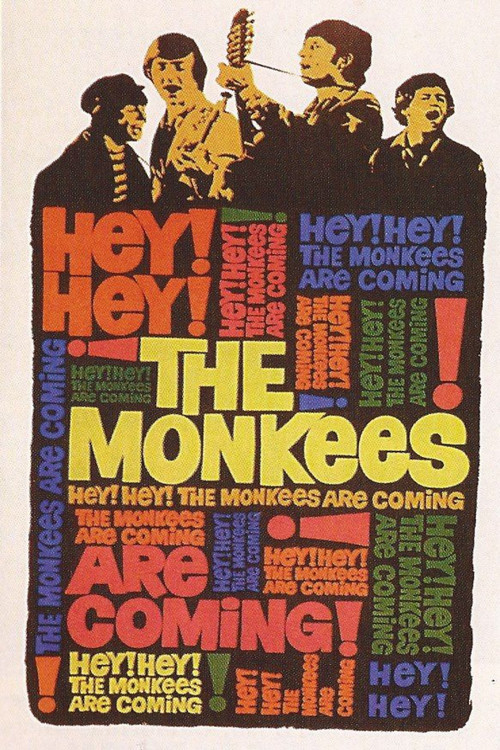
Micky, Mike, Peter, and Davy are four young men in mid-1960s LA, members of a struggling country-folk-rock band looking for their big break amid madcap encounters with a variety of people straight out of TV and movie central casting, with full knowledge that their existence is part of a weekly television series.
The Monkees

A retired businessman runs for mayor of Los Angeles to prove he's "still got it." Once he wins, he has to figure out what he stands for, gain the respect of his biggest critic and connect with his teenage daughter, all while trying to get anything right for America's second weirdest city.
Mr. Mayor
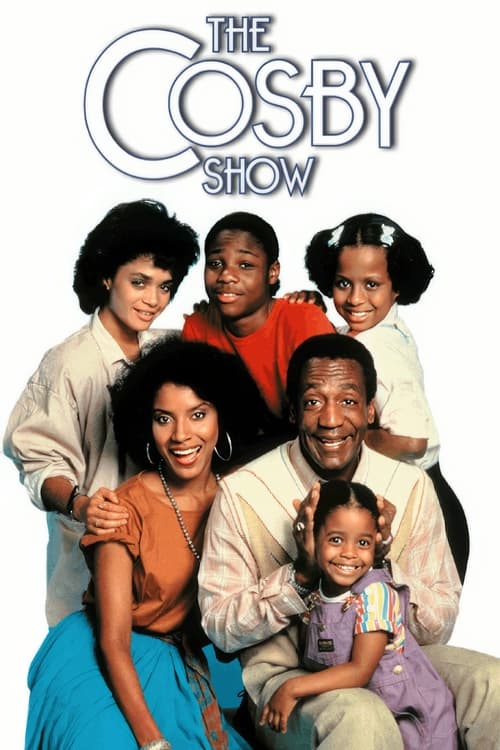
The Cosby Show is an American television situation comedy starring Bill Cosby, which aired for eight seasons on NBC from September 20, 1984 until April 30, 1992. The show focuses on the Huxtable family, an upper middle-class African-American family living in Brooklyn, New York.
The Cosby Show
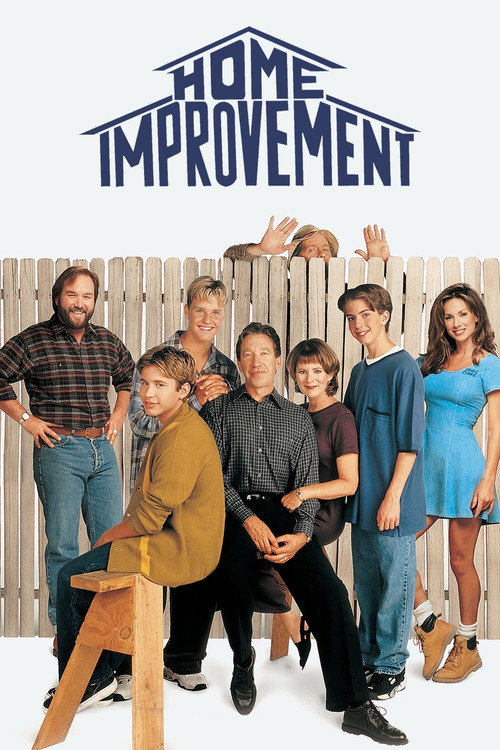
The daily trials and tribulations of handyman Tim Taylor, a TV show host raising three boys with help from his loyal co-host, domineering wife, and unseen neighbor.
Home Improvement
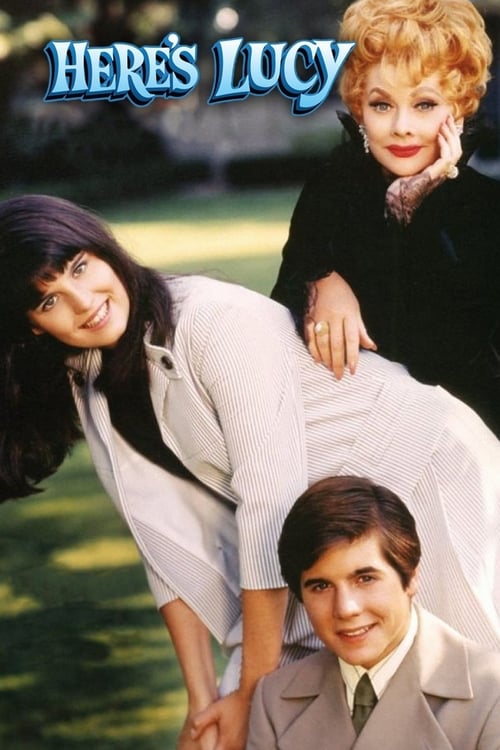
Lucille Ball's third network sitcom, following I Love Lucy (1951–57) and The Lucy Show (1962–68).
Here's Lucy
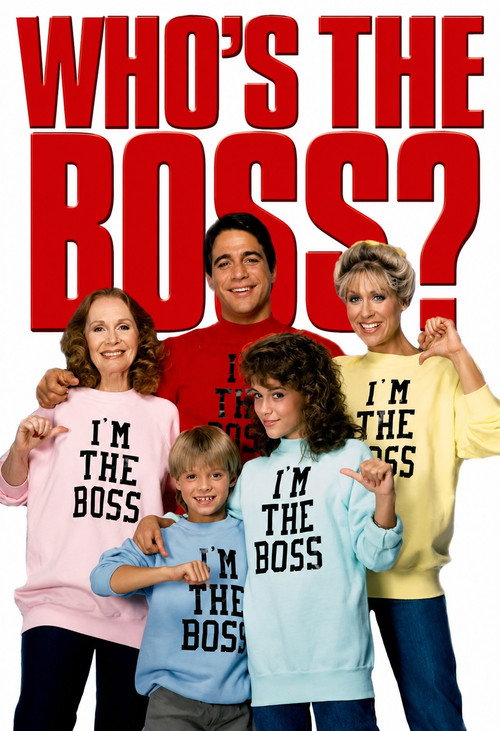
A former professional baseball player, along with his preteen daughter, moves into New York advertising executive Angela Bower's house to be both a housekeeper and a father figure to her young son. Tony 's laid-back personality contrasts with Angela's type-A behavior.
Who's the Boss?
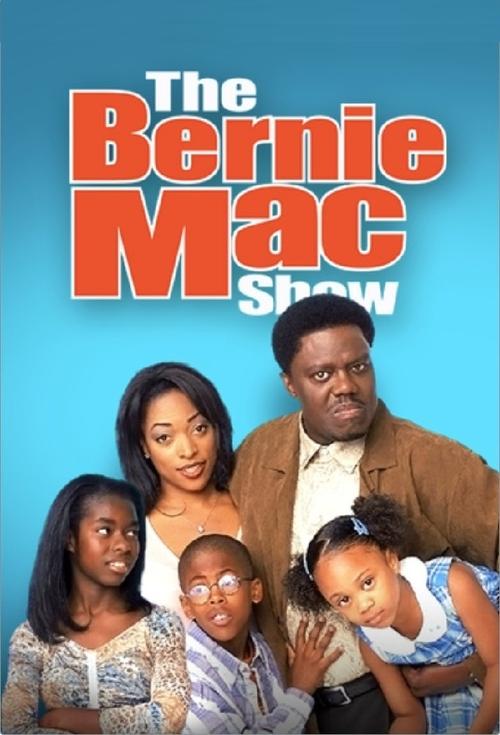
The Bernie Mac Show is an American sitcom that aired on Fox for five seasons from November 14, 2001 to April 14, 2006. The series featured comic actor Bernie Mac and his wife Wanda raising his sister's three kids: Jordan, Bryana, and Vanessa.
The Bernie Mac Show
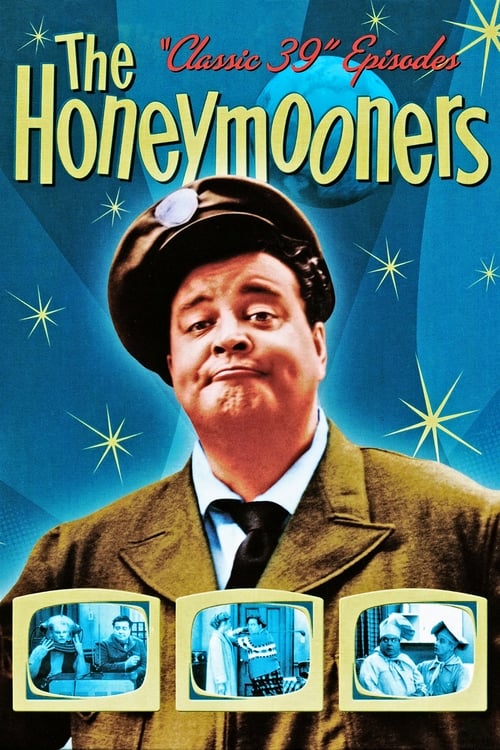
A bus driver and his sewer worker friend struggle to strike it rich while their wives look on with weary patience. One of the most influential situation comedy television series in American history.
The Honeymooners
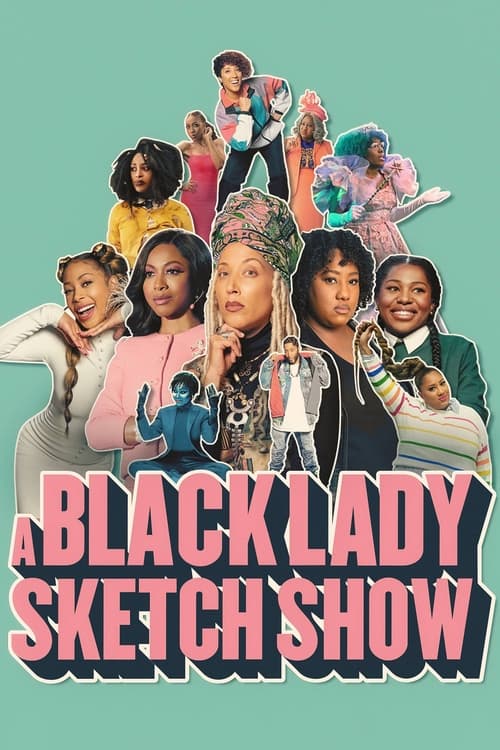
A narrative series set in a limitless magical reality full of dynamic, hilarious characters and celebrity guests presenting sketches performed by a core cast of black women.
A Black Lady Sketch Show

The misadventures of a divorced mother, two teenage daughters, and new building superintendent in Indianapolis.
One Day at a Time
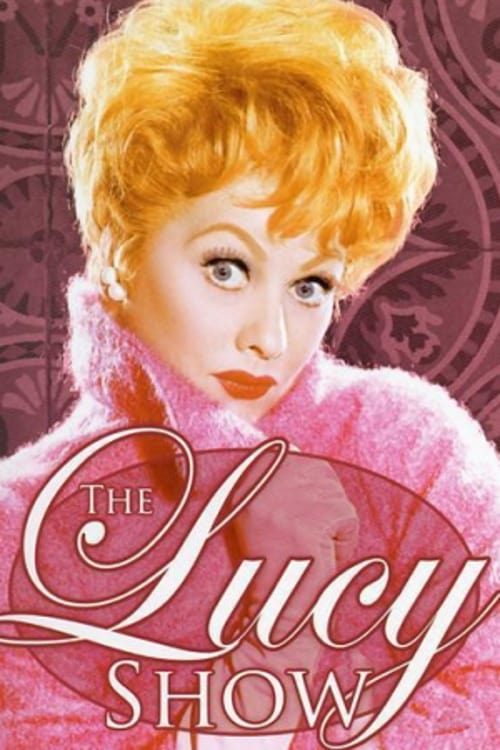
The Lucy Show is an American sitcom that aired on CBS from 1962–68. It was Lucille Ball's follow-up to I Love Lucy. A significant change in cast and premise for the 1965–66 season divides the program into two distinct eras; aside from Ball, only Gale Gordon, who joined the program for its second season, remained. For the first three seasons, Vivian Vance was the co-star. The earliest scripts were entitled The Lucille Ball Show, but when this title was declined, producers thought of calling the show This Is Lucy or The New Adventures of Lucy, before deciding on the title The Lucy Show. Ball won consecutive Emmy Awards as Outstanding Lead Actress in a Comedy Series for the series' final two seasons, 1966–67 and 1967–68.
The Lucy Show
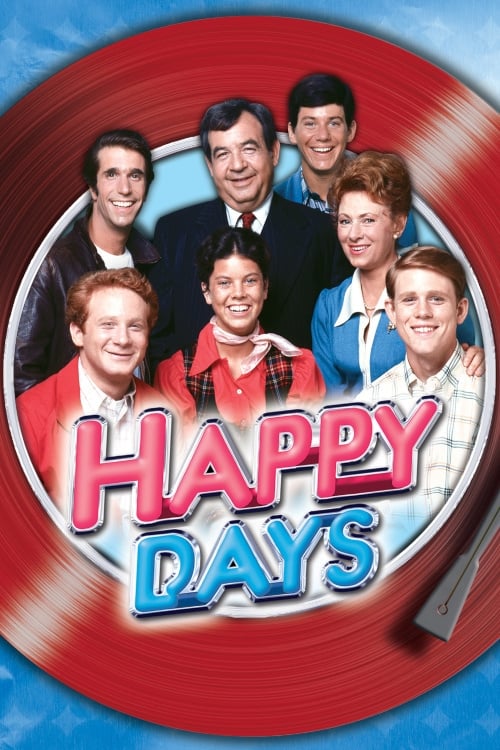
In 1950s Milwaukee the Cunningham family must contend with Fonzie, a motorcycle riding Casanova.
Happy Days
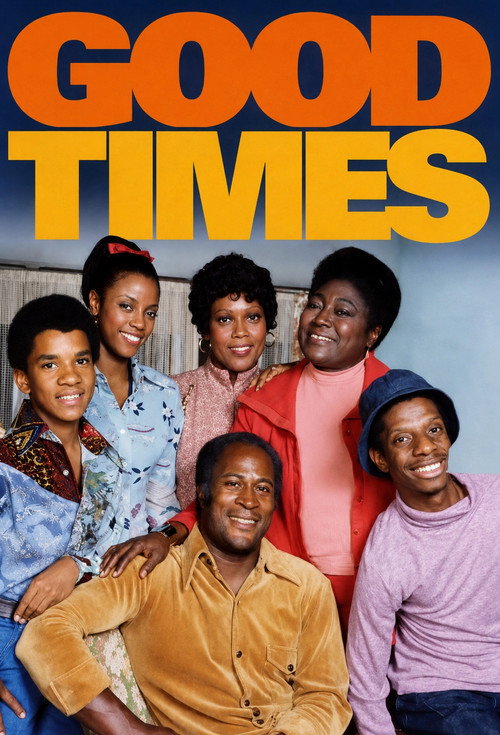
Good Times is an American sitcom that originally aired from February 8, 1974, until August 1, 1979, on the CBS television network. It was created by Eric Monte and Mike Evans, and developed by Norman Lear, the series' primary executive producer. Good Times is a spin-off of Maude, which is itself a spin-off of All in the Family along with The Jeffersons. The series is set in Chicago. The first two seasons were taped at CBS Television City in Hollywood. In the fall of 1975, the show moved to Metromedia Square, where Norman Lear's own production company was housed.
Good Times
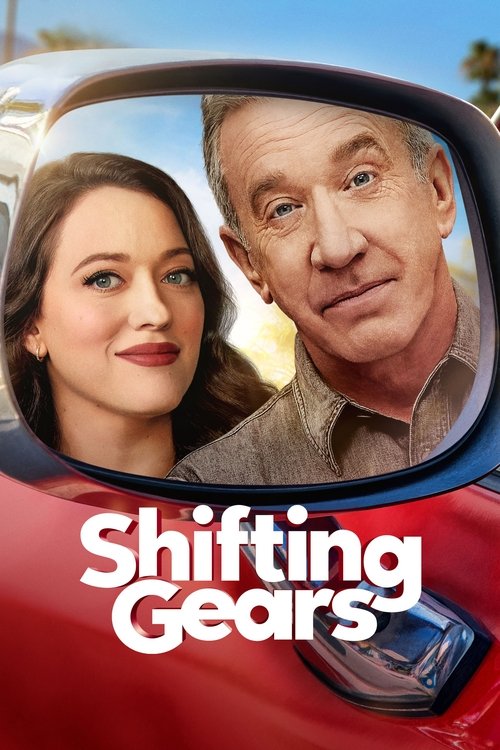
Matt is a stubborn, widowed owner of a classic car restoration shop. When Matt's estranged daughter Riley and her teenage kids move into his house, the real restoration begins.
Shifting Gears
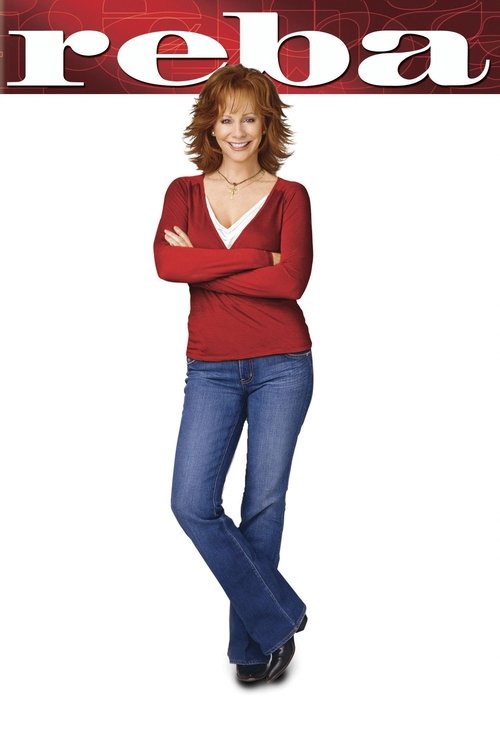
After her dentist husband of 20 years leaves her for his dental hygienist, Reba Hart's seemingly perfect world is turned upside down.
Reba

A British husband-and-wife comedy writing team travel to Hollywood to remake their successful British TV series, with disastrous results.