Muggsy

Synopsis
Episodes
You might also like

Tarek and Christina El Moussa buy distressed properties -- foreclosures, short sales and bank-owned homes -- remodel them and sell them at a profit. At least, that's the way it's supposed to work. Track the El Moussas' roller-coaster journey in each episode, beginning with a cash purchase at auction of a home -- often sight unseen -- and the fix-it-up process, to the nail-biting wait to find a buyer.
Flip or Flop
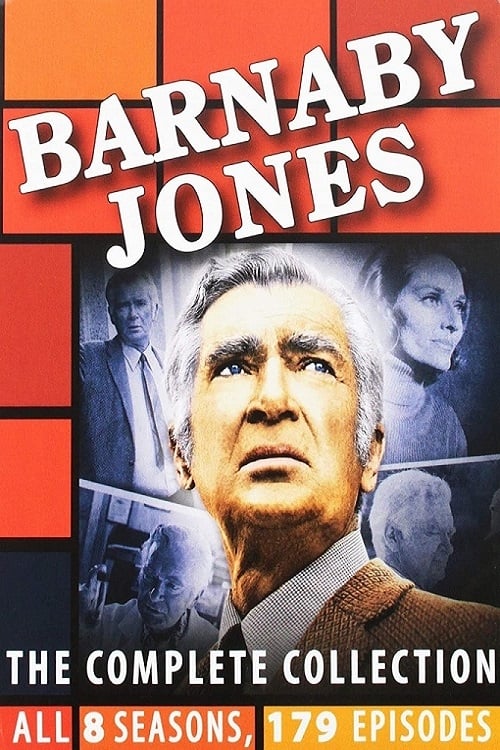
Barnaby Jones is a television detective series starring Buddy Ebsen and Lee Meriwether as father- and daughter-in-law who run a private detective firm in Los Angeles. The show ran on CBS from January 28, 1973 to April 3, 1980, beginning as a midseason replacement. William Conrad guest starred as Frank Cannon of Cannon on the first episode of Barnaby Jones, "Requiem for a Son" and the two series had a two-part crossover episode in 1975, "The Deadly Conspiracy".
Barnaby Jones

Fresh out of law school, Rudy Baylor goes head to head with courtroom lion Leo Drummond as well as his law school girlfriend, Sarah. Rudy, along with his boss, Bruiser, and her disheveled paralegal, Deck, uncovers two connected conspiracies surrounding the mysterious death of their client's son.
The Rainmaker
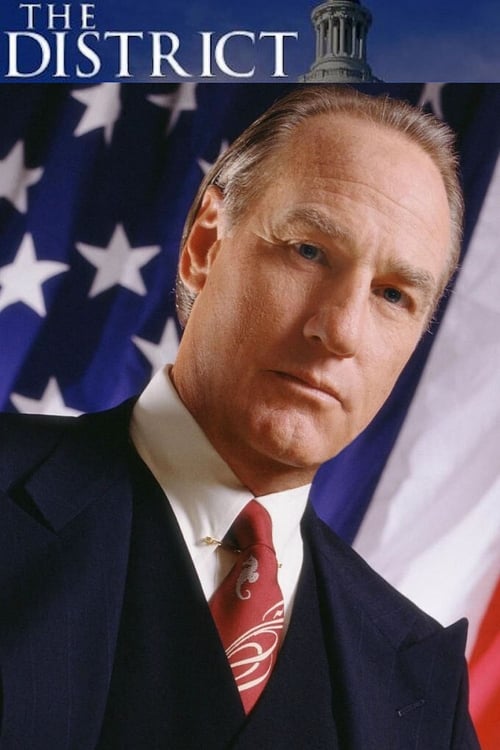
The District is a television police drama which aired on CBS from October 7, 2000 to May 1, 2004. The show followed the work and personal life of the chief of Washington, D.C.'s Police Department.
The District
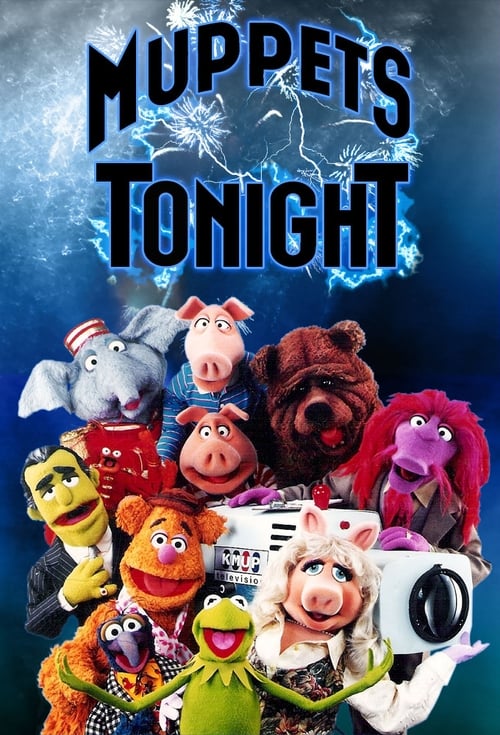
Muppets Tonight is a live-action/puppet television series created by Jim Henson Productions and featuring The Muppets. Much like the "MuppeTelevision" segment of The Jim Henson Hour, Muppets Tonight was a continuation of The Muppet Show, set in a television studio, rather than a theater. It ran on ABC from 1996 to 1998 and reruns ran on Disney Channel from 1997 to 2002.
Muppets Tonight
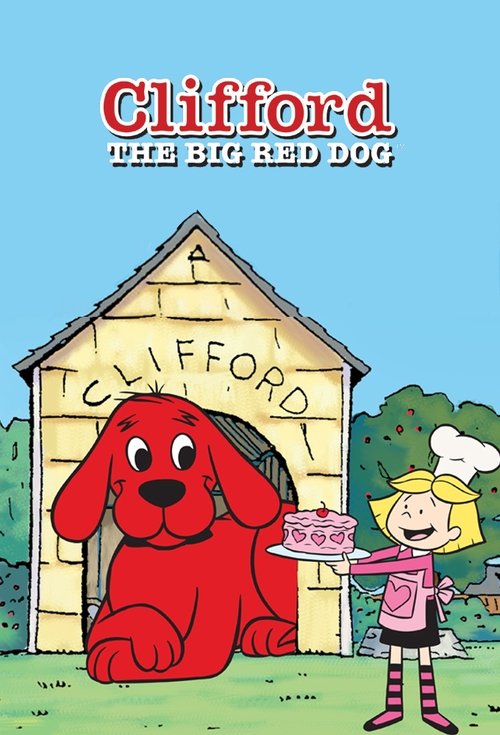
The adventures of a larger-than-life red dog on Bridwell Island.
Clifford the Big Red Dog
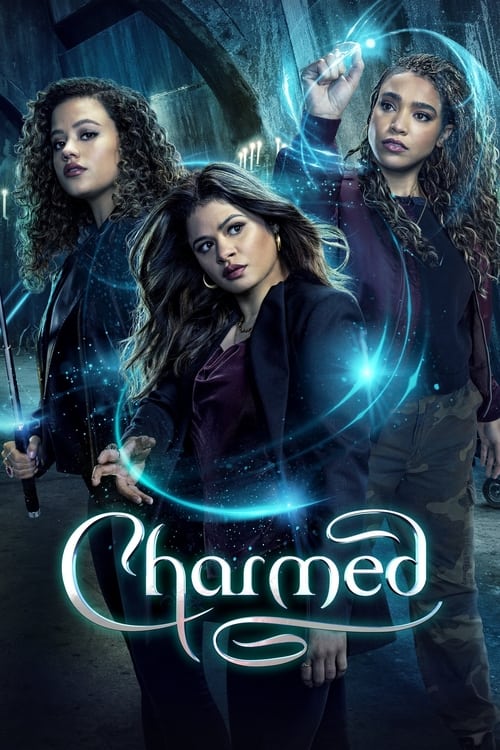
Set in the fictional college town of Hilltowne, Charmed follows the lives of three sisters, Macy, Mel and Maggie Vera who, after the tragic death of their mother, discover they are three of the most powerful witches of all time.
Charmed
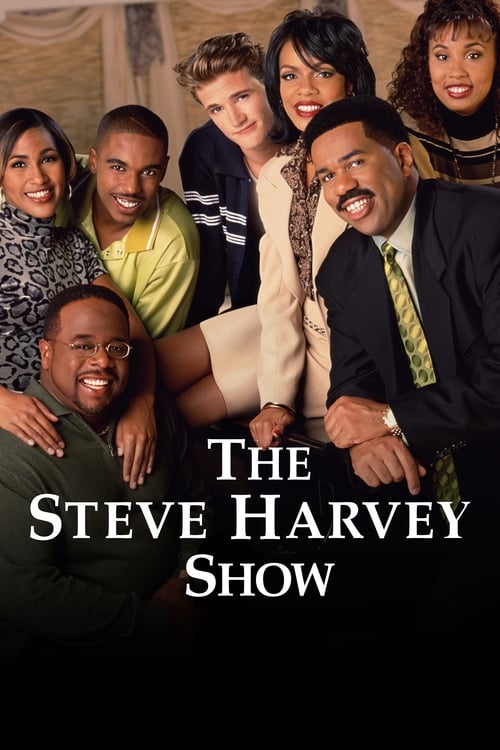
Down on his luck and out of money, former R&B star Steve Hightower lands a music teacher gig at an inner-city Chicago school. Showing who's in charge with his unorthodox approach, Steve discovers a new groove at Washington High School.
The Steve Harvey Show
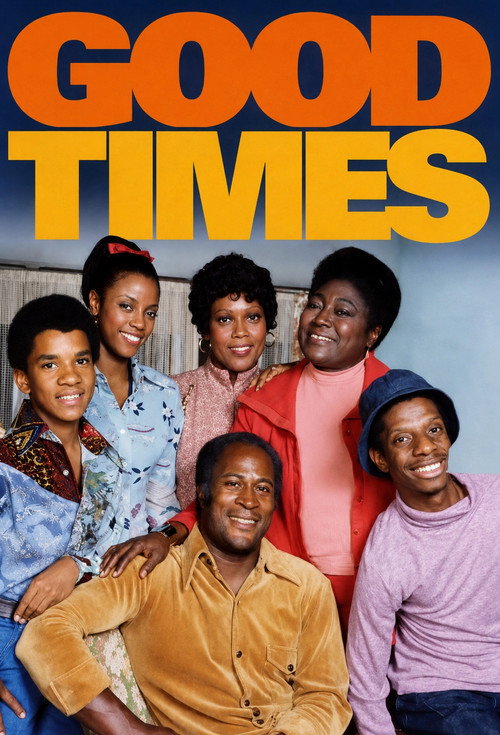
Good Times is an American sitcom that originally aired from February 8, 1974, until August 1, 1979, on the CBS television network. It was created by Eric Monte and Mike Evans, and developed by Norman Lear, the series' primary executive producer. Good Times is a spin-off of Maude, which is itself a spin-off of All in the Family along with The Jeffersons. The series is set in Chicago. The first two seasons were taped at CBS Television City in Hollywood. In the fall of 1975, the show moved to Metromedia Square, where Norman Lear's own production company was housed.
Good Times
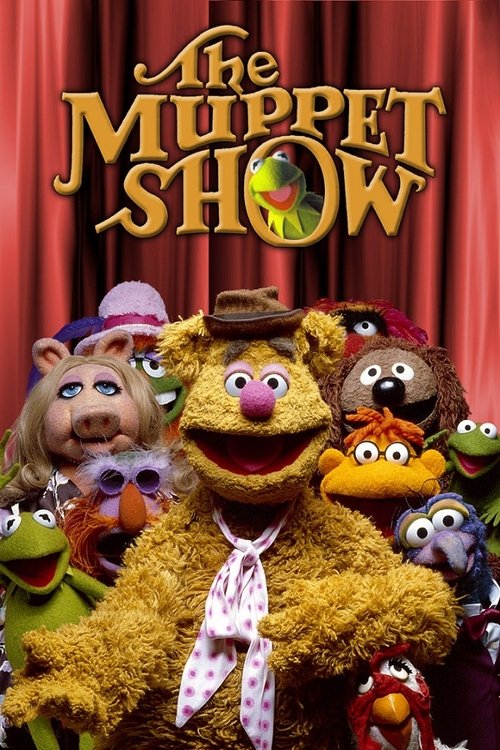
Go behind the curtains as Kermit the Frog and his muppet friends struggle to put on a weekly variety show.
The Muppet Show
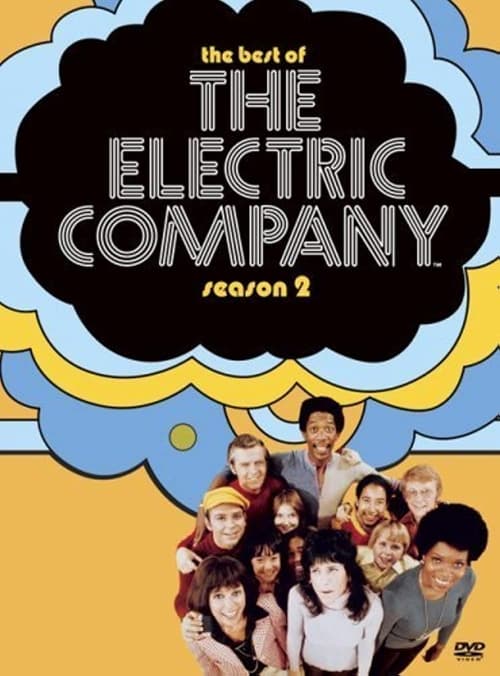
The Electric Company is an educational American children's television series that was produced by the Children's Television Workshop for PBS in the United States. PBS broadcast 780 episodes over the course of its six seasons from October 25, 1971 to April 15, 1977. After it ceased production that year, the program continued in reruns from 1977 to 1985, the result of a decision made in 1975 to produce two final seasons for perpetual use. CTW produced the show at Teletape Studios Second Stage in Manhattan, the first home of Sesame Street. The Electric Company employed sketch comedy and other devices to provide an entertaining program to help elementary school children develop their grammar and reading skills. It was intended for children who had graduated from CTW's flagship program, Sesame Street. Appropriately, the humor was more mature than what was seen there.
The Electric Company
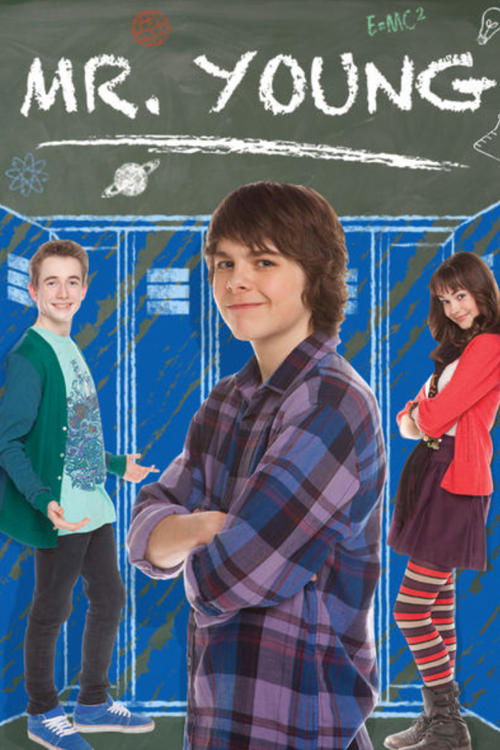
Mr. Young is a Canadian comedy series that premiered on March 1, 2011 on YTV. The series is shot in front of a live audience in Burnaby, British Columbia. The series was created by Dan Signer, and stars Brendan Meyer, Matreya Fedor and Gig Morton as attendants of Finnegan High School. Further main cast includes Kurt Ostlund, Emily Tennant, and Milo Shandel.
Mr. Young
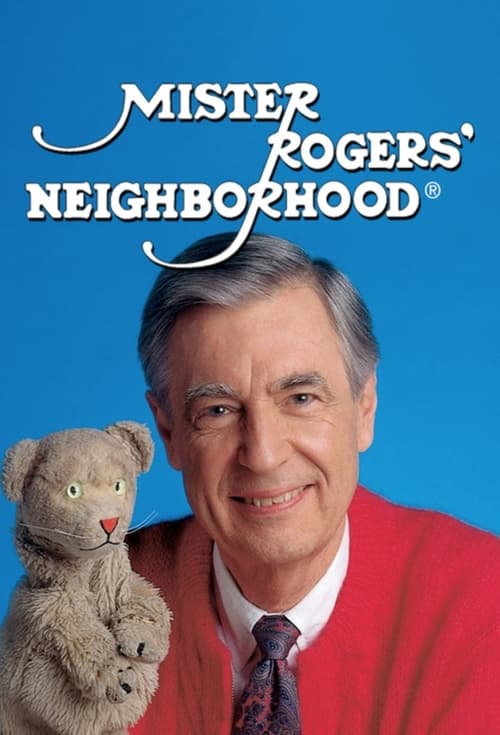
Mister Rogers' Neighborhood is an American children's television series that was created and hosted by namesake Fred Rogers. The series originated in 1963 as Misterogers on CBC Television, and was later debuted in 1966 as Misterogers' Neighborhood on the regional Eastern Educational Network, followed by its US network debut on February 19, 1968, and it aired on NET and its successor, PBS, until August 31, 2001. The series is aimed primarily at preschool ages 2 to 5, but has been stated by PBS as "appropriate for all ages". Mister Rogers' Neighborhood was produced by Pittsburgh, Pennsylvania, USA public broadcaster WQED and Rogers' non-profit production company Family Communications, Inc.; previously known as Small World Enterprises prior to 1971, the company was renamed The Fred Rogers Company after Rogers' death.
Mister Rogers' Neighborhood
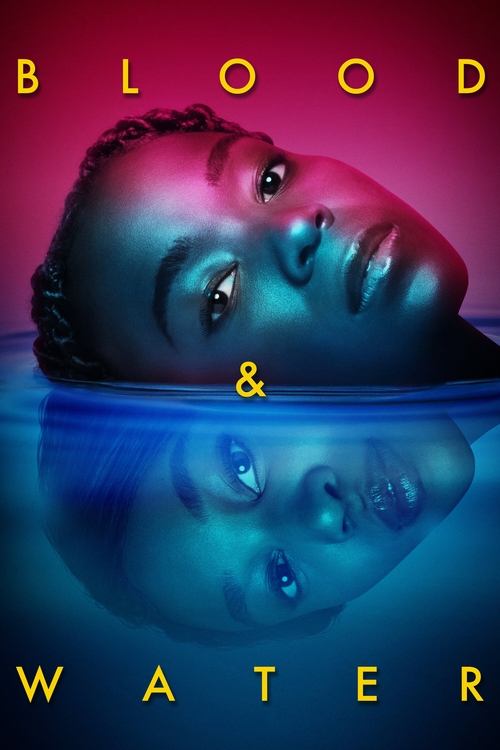
After crossing paths at a party, a Cape Town teen sets out to prove whether a private-school swimming star is her sister who was abducted at birth.
Blood & Water
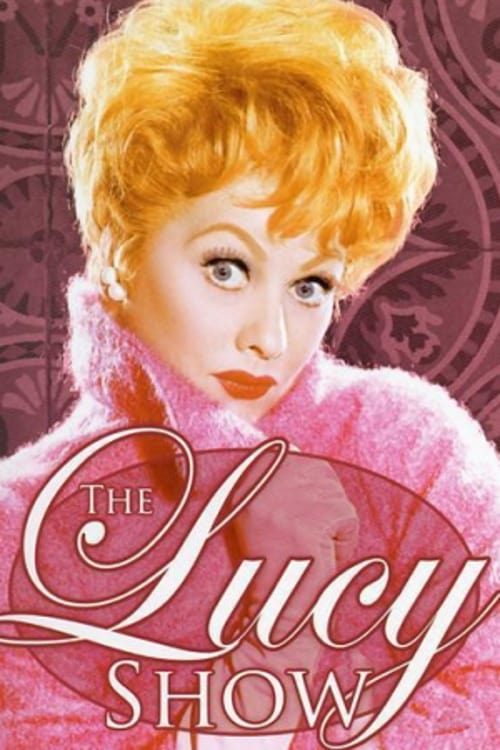
The Lucy Show is an American sitcom that aired on CBS from 1962–68. It was Lucille Ball's follow-up to I Love Lucy. A significant change in cast and premise for the 1965–66 season divides the program into two distinct eras; aside from Ball, only Gale Gordon, who joined the program for its second season, remained. For the first three seasons, Vivian Vance was the co-star. The earliest scripts were entitled The Lucille Ball Show, but when this title was declined, producers thought of calling the show This Is Lucy or The New Adventures of Lucy, before deciding on the title The Lucy Show. Ball won consecutive Emmy Awards as Outstanding Lead Actress in a Comedy Series for the series' final two seasons, 1966–67 and 1967–68.
The Lucy Show
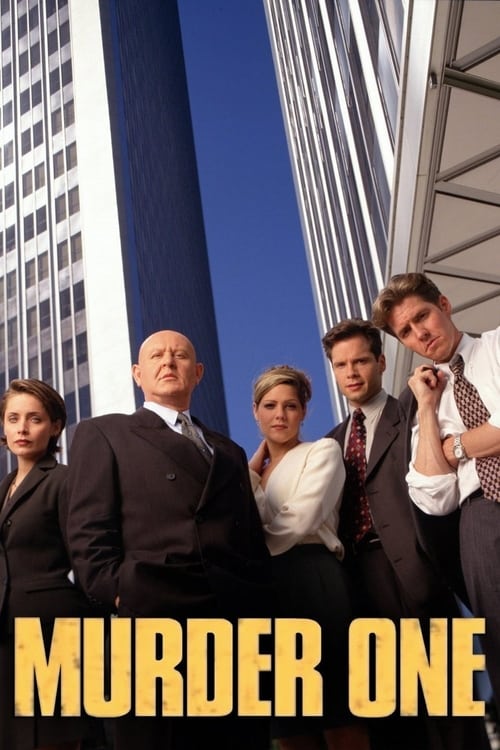
Theodore 'Teddy' Hoffman is a highly-regarded defense attorney in a prestigious Los Angeles law firm. Having successfully defended the wealthy but suspicious Richard Cross in a much-publicised murder trial, he is now involved in the defense of Neil Avedon, a famous young actor who has been suffering from severe drug and alcohol problems - and has been charged with the murder for which Cross was acquitted.
Murder One
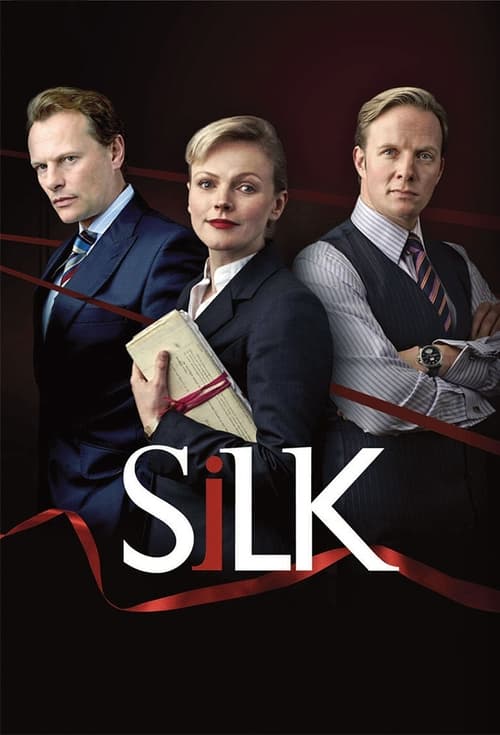
Passionate defence barrister Martha Costello faces challenging cases and surprising clients, which test her faith in the criminal justice system. Gifted colleague Clive Reader is called to the bar with her. They work hard with pupils, Nick Slade and Niamh Cranitch, but ultimately only one can eventually be taken on as a member of chambers.
Silk
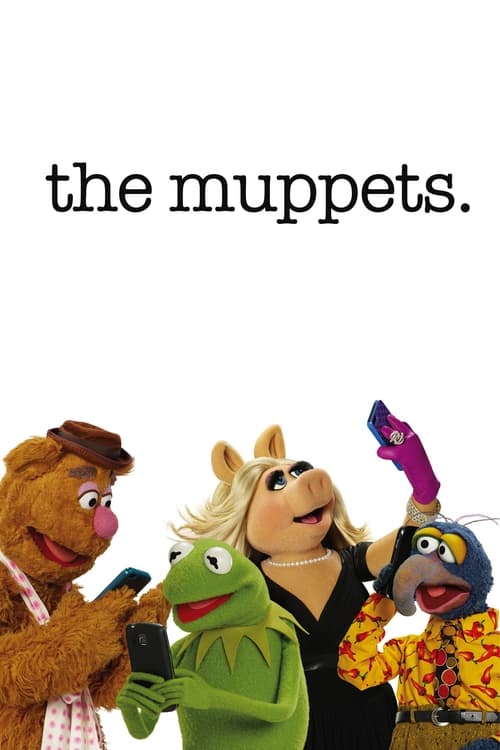
The Muppets return to primetime with a contemporary, documentary-style show. For the first time ever, a series will explore the Muppets’ personal lives and relationships, both at home and at work, as well as romances, breakups, achievements, disappointments, wants and desires. This is a more adult Muppet show, for “kids” of all ages.