Synopsis
Episodes
You might also like
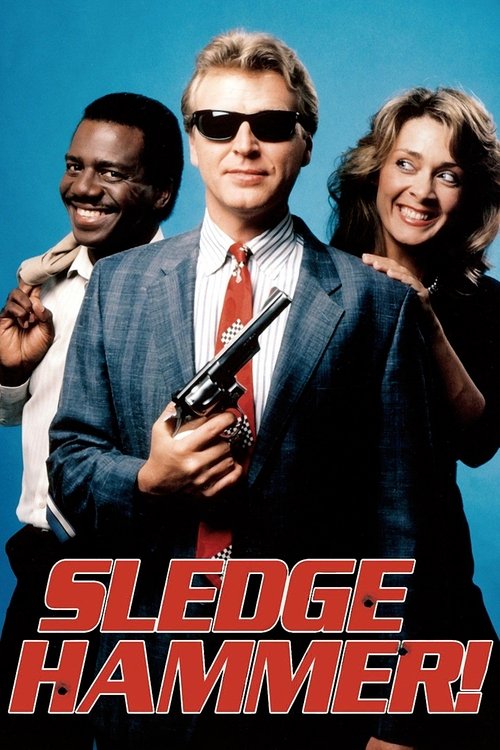
Sledge Hammer! is an American satirical police sitcom produced by New World Television that ran for two seasons on ABC from 1986 to 1988. The series was created by Alan Spencer and stars David Rasche as Inspector Sledge Hammer, a preposterous caricature of the standard "cop on the edge" character. Al Jean and Mike Reiss, best known for their work on The Simpsons, wrote for the show and worked as story editors.
Sledge Hammer!

Cybill is an American television sitcom created by Chuck Lorre, which aired on CBS from January 2, 1995, to July 13, 1998. Starring, Cybill Shepherd, the show revolves around the life of Cybill Sheridan, a twice-divorced single mother of two and struggling actress in her 40s, who has never gotten her big show business break.
Cybill
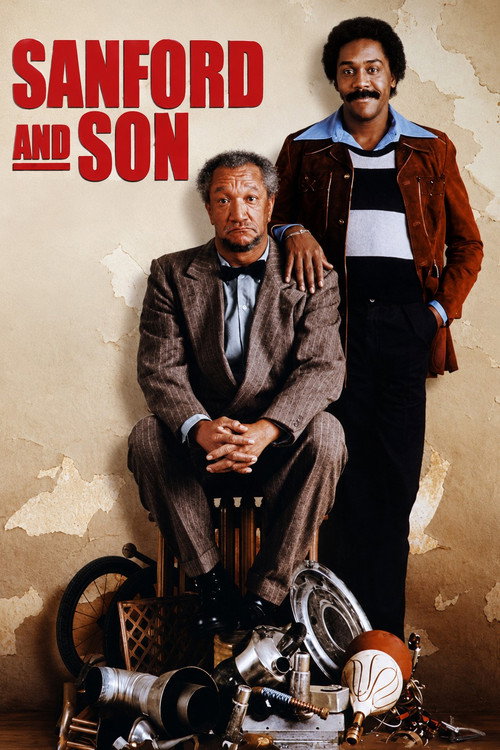
The misadventures of a cantankerous junk dealer and his frustrated son.
Sanford and Son
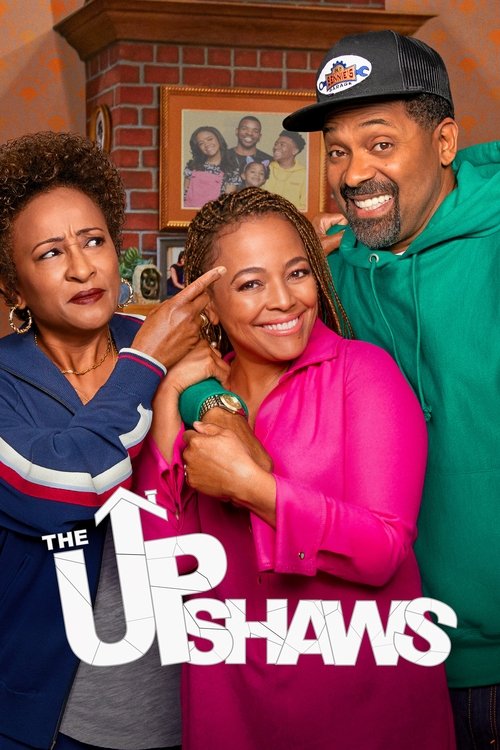
Bennie Upshaw, the head of a Black working class family in Indianapolis, is a charming, well-intentioned mechanic and lifelong mess just trying his best to step up and care for his family and tolerate his sardonic sister-in-law, all without a blueprint for success.
The Upshaws
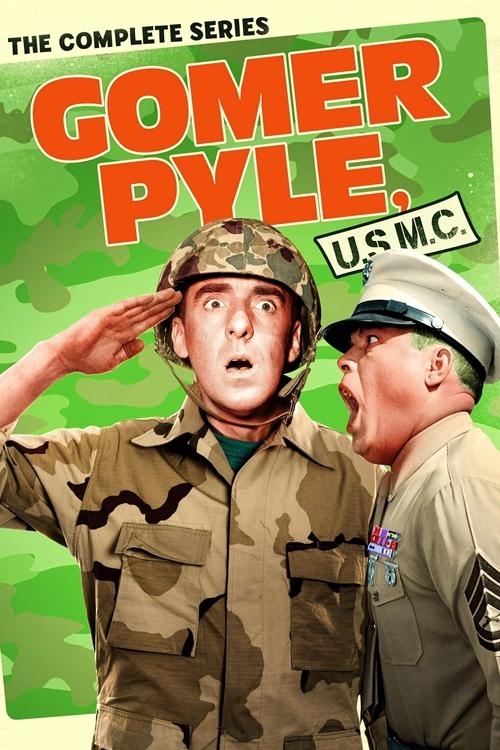
Gomer Pyle, U.S.M.C. is an American situation comedy that originally aired on CBS from September 25, 1964, to May 2, 1969. The series was a spinoff of The Andy Griffith Show, and the pilot was aired as the finale of the fourth season of The Andy Griffith Show on May 18, 1964. The show ran for five seasons and a total of 150 episodes. In 2006, CBS Home Entertainment began releasing the series on DVD. The final season was released in November 2008. The series was created by Aaron Ruben, who also produced the show with Sheldon Leonard and Ronald Jacobs. Filmed and set in California, it stars Jim Nabors as Gomer Pyle, a naive but good-natured gas-station attendant from the town of Mayberry, North Carolina, who enlists in the United States Marine Corps. Frank Sutton plays Gomer's high-octane, short-fused Gunnery Sergeant Vince Carter, and Ronnie Schell plays Gomer's friend Gilbert "Duke" Slater. Allan Melvin played in the recurring role of Gunnery Sergeant Carter's rival, Sergeant Charley Hacker. The series never discussed nor addressed the then-current Vietnam War, instead focusing on the relationship between Gomer and Sergeant Carter. The show retained high ratings throughout its run.
Gomer Pyle, U.S.M.C.
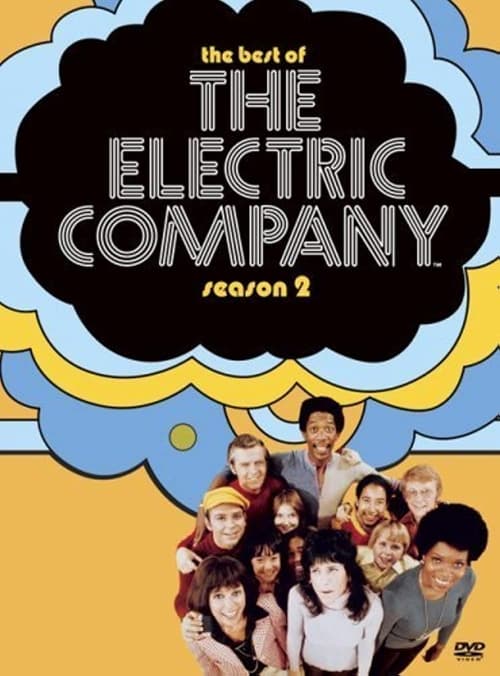
The Electric Company is an educational American children's television series that was produced by the Children's Television Workshop for PBS in the United States. PBS broadcast 780 episodes over the course of its six seasons from October 25, 1971 to April 15, 1977. After it ceased production that year, the program continued in reruns from 1977 to 1985, the result of a decision made in 1975 to produce two final seasons for perpetual use. CTW produced the show at Teletape Studios Second Stage in Manhattan, the first home of Sesame Street. The Electric Company employed sketch comedy and other devices to provide an entertaining program to help elementary school children develop their grammar and reading skills. It was intended for children who had graduated from CTW's flagship program, Sesame Street. Appropriately, the humor was more mature than what was seen there.
The Electric Company
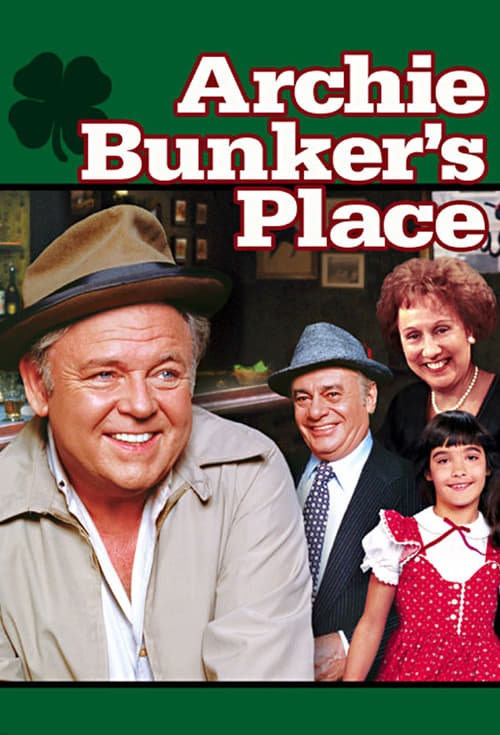
Archie Bunker's Place is an American sitcom originally broadcast on the CBS network, conceived in 1979 as a spin-off and continuation of All in the Family. While not as popular as its predecessor, the show maintained a large enough audience to last for four seasons, until its cancellation in 1983. In its first season, the show performed so well that it knocked Mork & Mindy out of its new Sunday night time slot.
Archie Bunker's Place
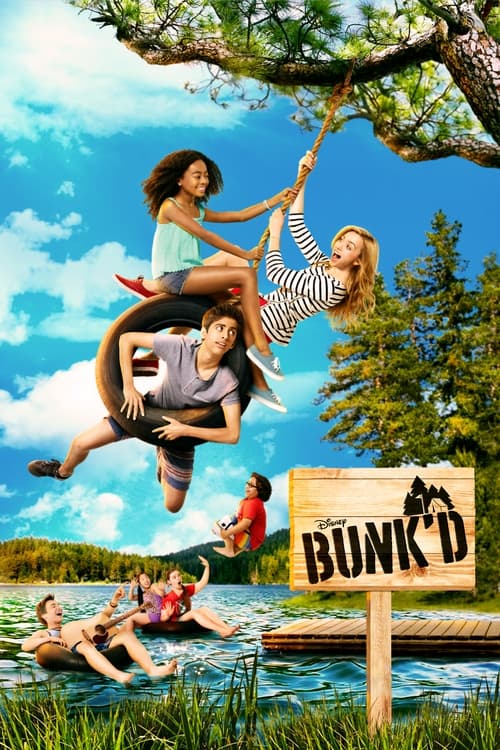
Siblings Emma, Ravi, and Zuri Ross leave their extravagant New York City penthouse once again to return to Camp Kikiwaka, a rustic summer camp in Maine where their parents met as teenagers.
BUNK'D: Learning the Ropes
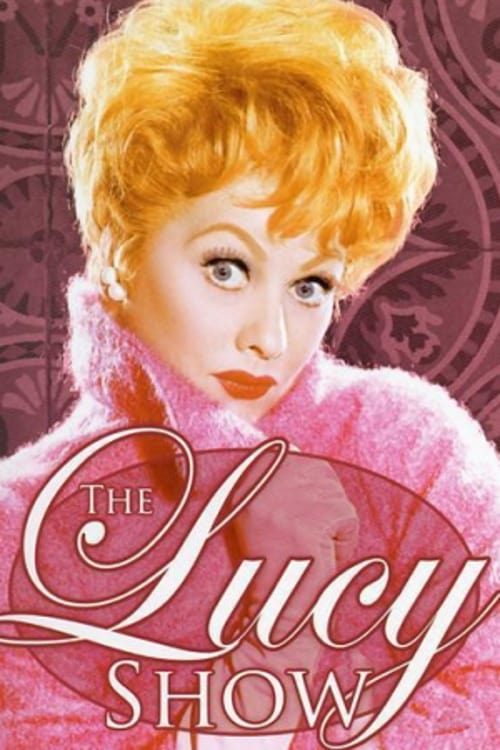
The Lucy Show is an American sitcom that aired on CBS from 1962–68. It was Lucille Ball's follow-up to I Love Lucy. A significant change in cast and premise for the 1965–66 season divides the program into two distinct eras; aside from Ball, only Gale Gordon, who joined the program for its second season, remained. For the first three seasons, Vivian Vance was the co-star. The earliest scripts were entitled The Lucille Ball Show, but when this title was declined, producers thought of calling the show This Is Lucy or The New Adventures of Lucy, before deciding on the title The Lucy Show. Ball won consecutive Emmy Awards as Outstanding Lead Actress in a Comedy Series for the series' final two seasons, 1966–67 and 1967–68.
The Lucy Show
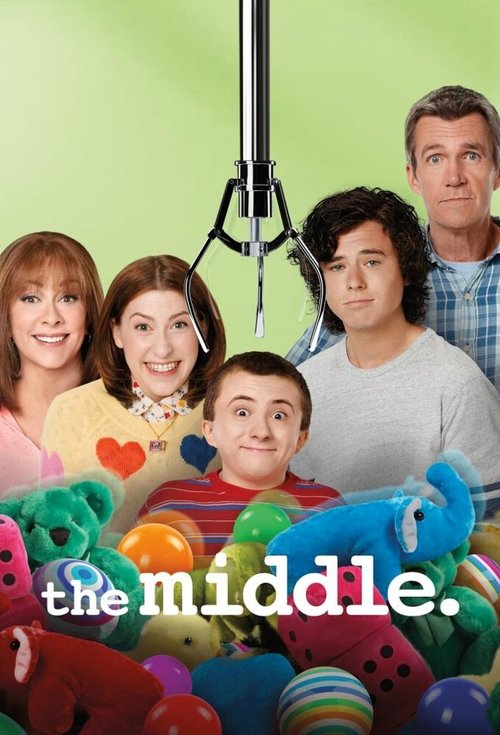
The daily mishaps of a married woman and her semi-dysfunctional family and their attempts to survive life in general in the city of Orson, Indiana.
The Middle
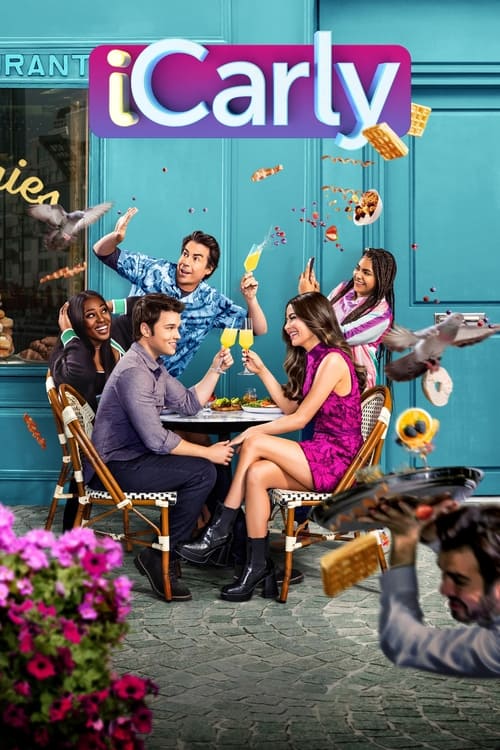
Ten years after signing off of one of TV's most iconic shows, Carly, Spencer, and Freddie are back, navigating the next chapter of their lives, facing the uncertainties of life in their twenties.
iCarly
Introducing the Walmington-On-Sea home guard. During WW2, in a fictional British seaside town, a ragtag group of Home Guard local defense volunteers prepare for an imminent German invasion.
Dad's Army
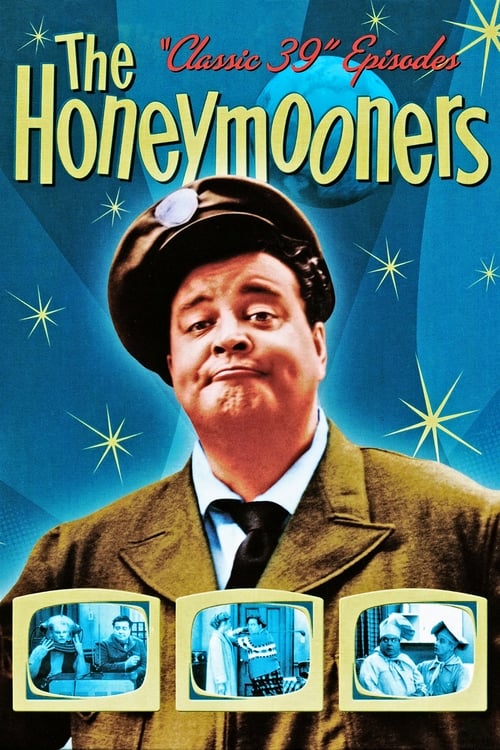
A bus driver and his sewer worker friend struggle to strike it rich while their wives look on with weary patience. One of the most influential situation comedy television series in American history.
The Honeymooners

In a reimagining of the TV classic, a newly single Latina mother raises her teen daughter and tween son with the "help" of her old-school mom.
One Day at a Time

The misadventures of a divorced mother, two teenage daughters, and new building superintendent in Indianapolis.
One Day at a Time
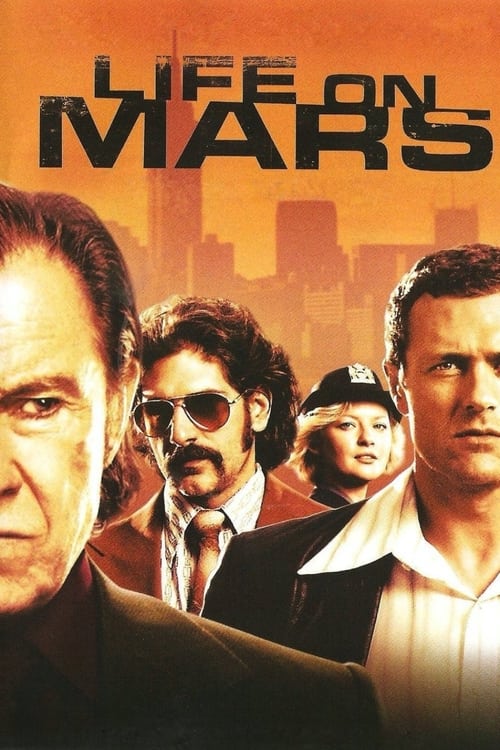
After a car crash, police detective Sam Tyler mysteriously finds himself transported back to 1973 and still working as a detective.
Life on Mars
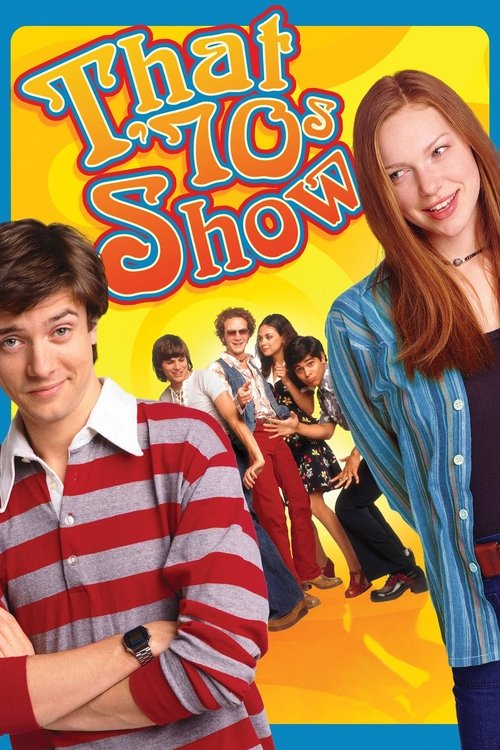
Crank up the 8-track and flash back to a time when platform shoes and puka shells were all the rage in this hilarious retro-sitcom. For Eric, Kelso, Jackie, Hyde, Donna and Fez, a group of high school teens who spend most of their time hanging out in Eric’s basement, life in the ‘70s isn’t always so groovy. But between trying to figure out the meaning of life, avoiding their parents, and dealing with out-of-control hormones, they’ve learned one thing for sure: they’ll always get by with a little help from their friends.
That '70s Show
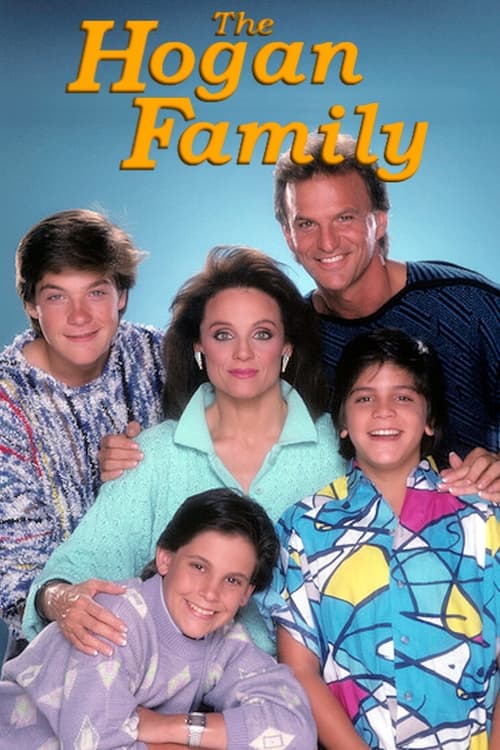
The Hogan Family is an American television situation comedy that aired on NBC from March 1, 1986 to May 7, 1990, and on CBS from September 15, 1990 until July 20, 1991. It was produced by Miller-Boyett Productions, along with Tal Productions, Inc., and in association with Lorimar Productions, Lorimar-Telepictures and Lorimar Television. The show was originally titled Valerie and starred Valerie Harper as a mother trying to juggle her career with raising her three sons by her often-absent airline-pilot husband. Harper was written out of the series after the second season because of a dispute with the show's producers. Sandy Duncan joined the cast as the boys' aunt, who moved in and became their surrogate mom. During the show's third season, the series was known as Valerie's Family: The Hogans, then simply as The Hogan Family.
The Hogan Family
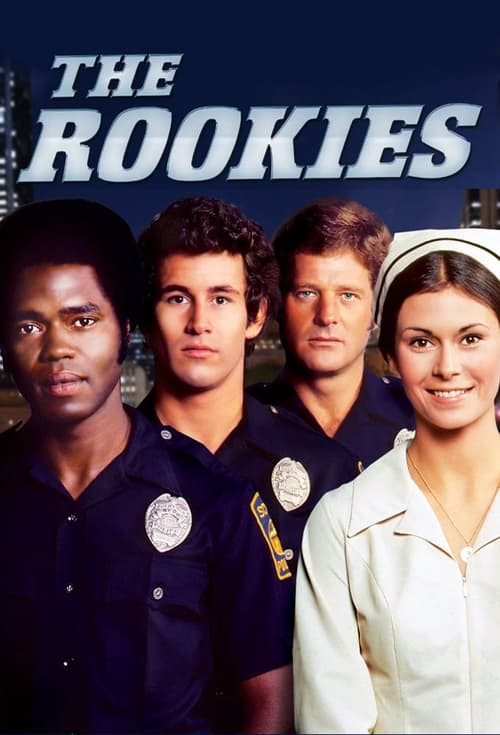
The Rookies is an American crime drama series that aired on ABC from 1972 until 1976. It follows the exploits of three rookie police officers working in an unidentified city for the fictitious Southern California Police Department.
The Rookies
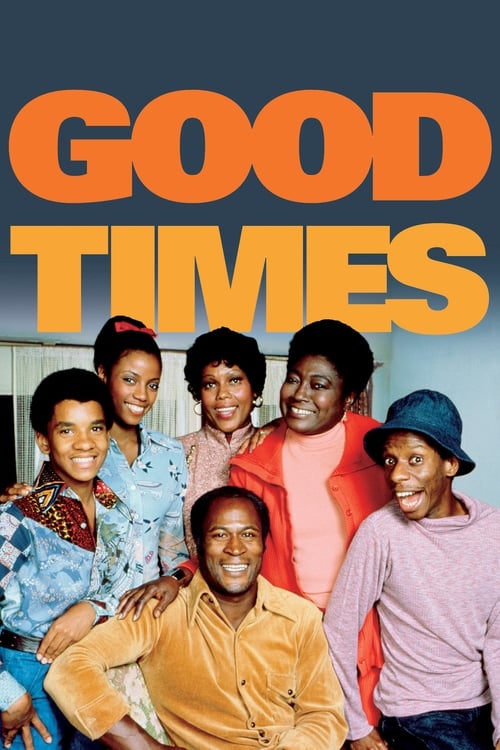
Good Times is an American sitcom that originally aired from February 8, 1974, until August 1, 1979, on the CBS television network. It was created by Eric Monte and Mike Evans, and developed by Norman Lear, the series' primary executive producer. Good Times is a spin-off of Maude, which is itself a spin-off of All in the Family along with The Jeffersons. The series is set in Chicago. The first two seasons were taped at CBS Television City in Hollywood. In the fall of 1975, the show moved to Metromedia Square, where Norman Lear's own production company was housed.