

Épisodes
Vous aimerez aussi
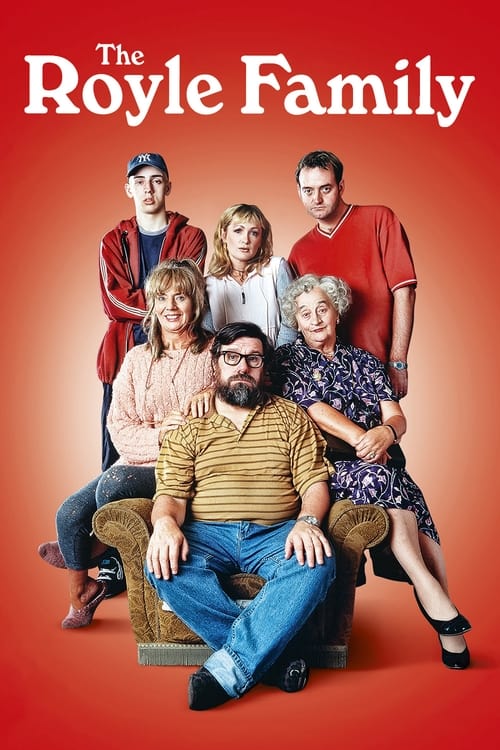
The Royle Family is a British sitcom created by Caroline Aherne and Craig Cash, and produced by Granada Television for BBC Two (series 1) and BBC One (series 2 and 3). It centres on the lives of a television-fixated Manchester family, the Royles, comprising lazy patriarch Jim, his hard-working wife Barbara, their entitled daughter Denise, their put-upon son Antony, and Denise's lad fiancé–later husband–David.
The Royle Family
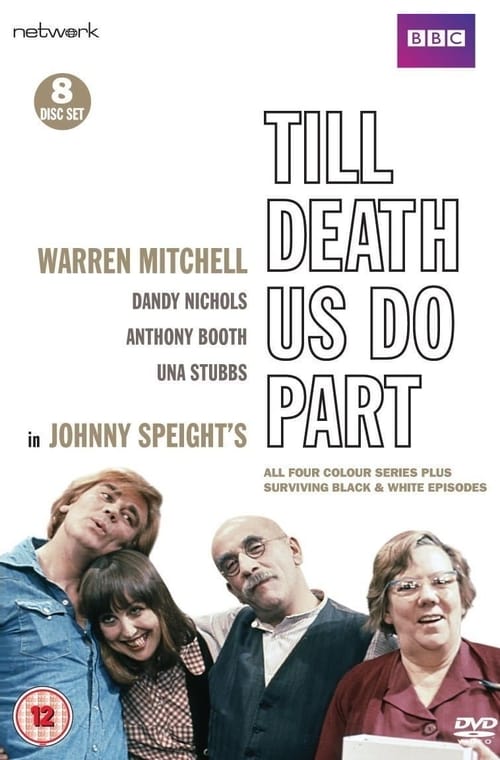
This English follows the East End working-class Garnett family, headed by patriarch Alf, a reactionary working-class man who wields racist and anti-Socialist views. His long-suffering wife Else manages to keep things in control... for the most part. Their progressive daughter Rita lives with them, as does her Irish husband Mike, who, with an array of liberal worldviews, often quarrels with his father-in-law. It inspired the American show "All In The Family" and several other international variations on the same theme.
Till Death Us Do Part
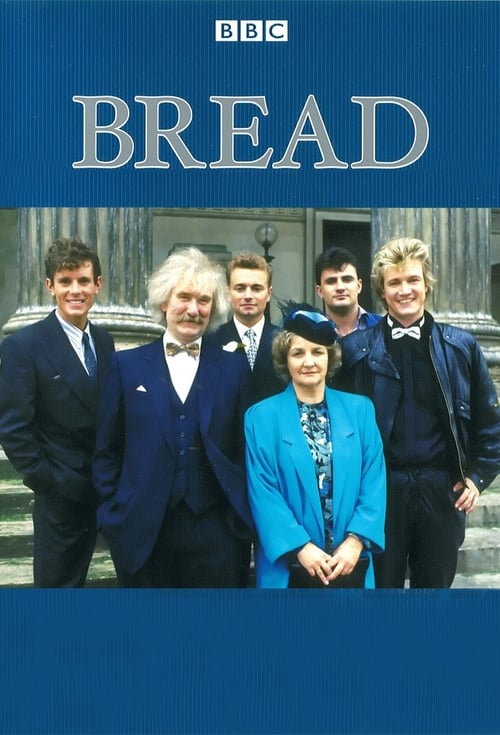
Bread is a British television sitcom, written by Carla Lane, produced by the BBC and screened on BBC1 from 1 May 1986 to 3 November 1991. The series focused on the devoutly-Catholic and extended Boswell family of Liverpool, in the district of Dingle, led by its matriarch Nellie through a number of ups and downs as they tried to make their way through life in Thatcher's Britain with no visible means of support. The street shown at the start of each programme is Elswick Street. A family called Boswell had also featured in Lane's earlier sitcom The Liver Birds and Lane admitted in interviews that the two families were probably related. Nellie's feckless and estranged husband, Freddie, left her for another woman known as 'Lilo Lill'. Her children Joey, Jack, Adrian, Aveline and Billy continued to live in the family home in Kelsall Street and contributed money to the central family fund, largely through benefit fraud and the sale of stolen goods.
Bread

Open All Hours is a British television sitcom created and written by Roy Clarke, starring Ronnie Barker as penny-pinching corner-shopkeeper Albert Arkwright, and David Jason as his nephew and assistant Granville. The programme originated as a 1973 episode of Barker’s comedy anthology Seven of One, and later ran for 26 episodes; the first series broadcast on BBC2, the remaining three series broadcast on BBC1.
Open All Hours
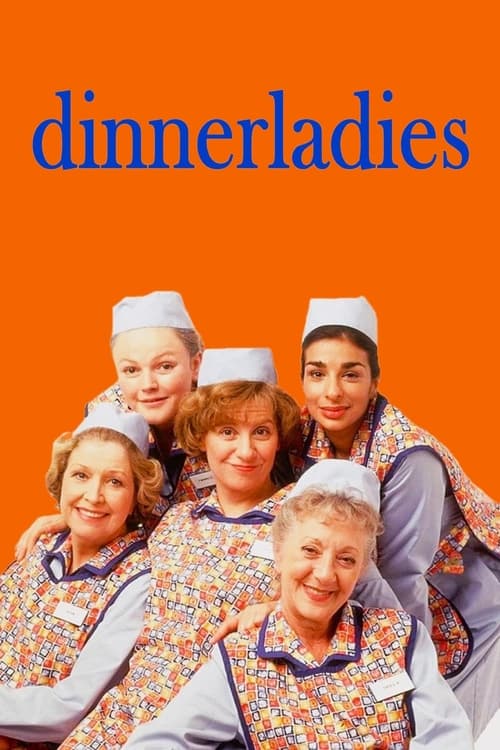
Dinnerladies is a BBC sitcom written by and starring Victoria Wood that chronicles the antics of a group of workers in a canteen in the north of England. Bren tries to maintain a semblance of order in amongst the chaos, while dealing with the canteen supervisor, slightly sex-obsessed cancer sufferer Tony. Dolly and Jean are the bickering menopausal older women, always at odds but best friends beneath it all. Then there's thick-as-two-short-planks Anita, and the terminally uninterested Twinkle, more concerned with having a good time than anything else. Making up the motley crew are military man handyman Stan, all rules and regulations, and ditzy Philippa, who never seems to get anything right.
dinnerladies
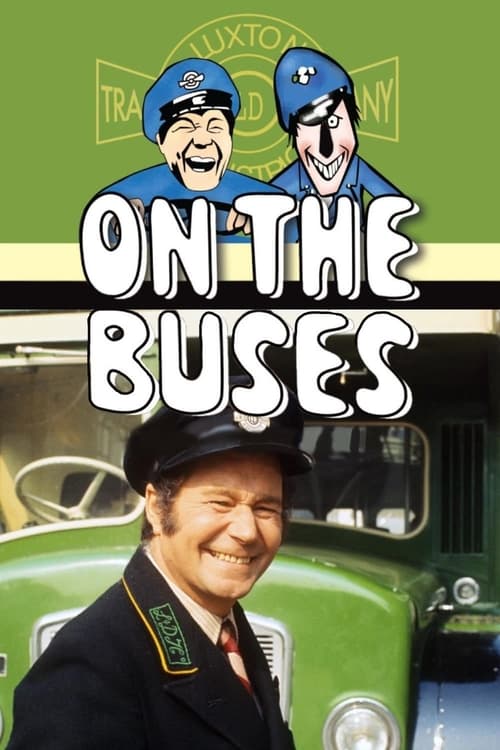
On the Buses is a British comedy series created by Ronald Wolfe and Ronald Chesney, broadcast in the United Kingdom from 1969 to 1973. The writers' previous successes with The Rag Trade and Meet the Wife were for the BBC, but the corporation rejected On the Buses, not seeing much comedy potential in a bus depot as a setting. The comedy partnership turned to a friend, Frank Muir, Head of Entertainment at London Weekend Television, who loved the idea; the show was accepted and despite a poor critical reception became a hit with viewers.
On the Buses

Lee is a childish northerner who lives in a fancy penthouse apartment in London who goes through a variety of jobs such as a janitor and ice cream man, as well as attempting relationships with female flatmates. His best mate, Daily Mail reading, middle-class citizen Tim is always there to stop Lee from getting in trouble, or not? Mayhem is never far away with cleaner Barbara who has never done an honest day's work in her life.
Not Going Out
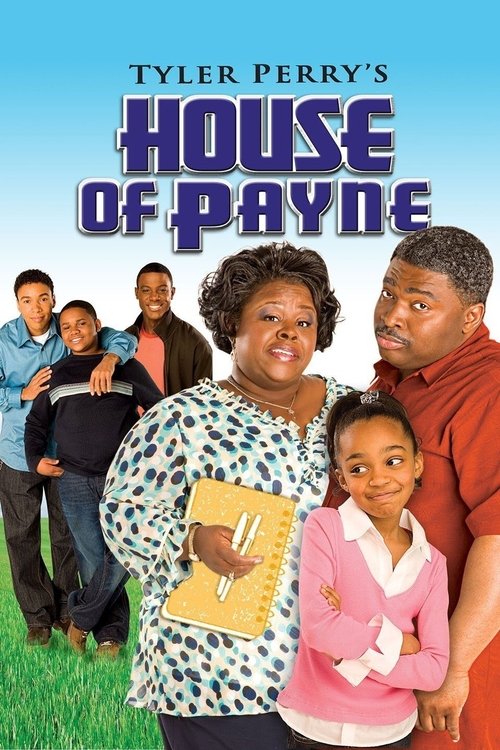
Pops voit sa vie bouleversée par l'arrivée de son neveu CJ, qui emménage chez lui avec ses enfants, amenant trois générations à cohabiter sous le même toit. Il ne manquait plus que son fils, Calvin, sans le sou, pour mettre fin à sa tranquillité !
Bienvenue chez les Payne
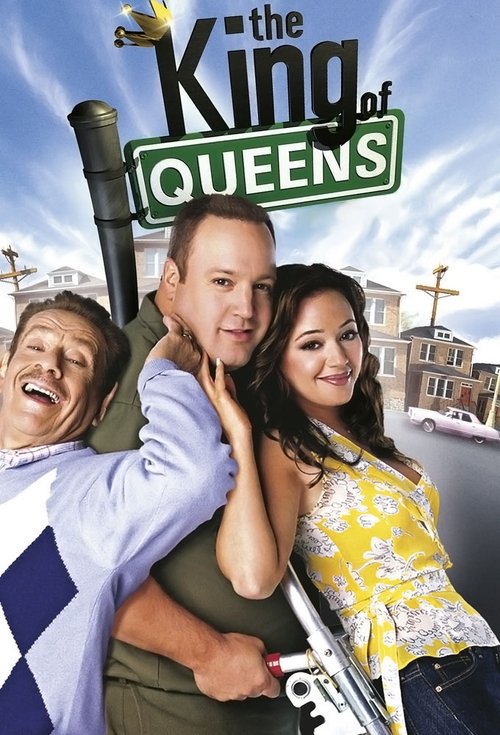
Doug Heffernan, chauffeur-livreur, et son épouse Carrie, secrétaire dans un cabinet d'avocats, mènent une vie paisible dans le Queens (quartier de New York) jusqu'au jour où l'excentrique père de Carrie vient s'installer chez eux…
Un gars du Queens
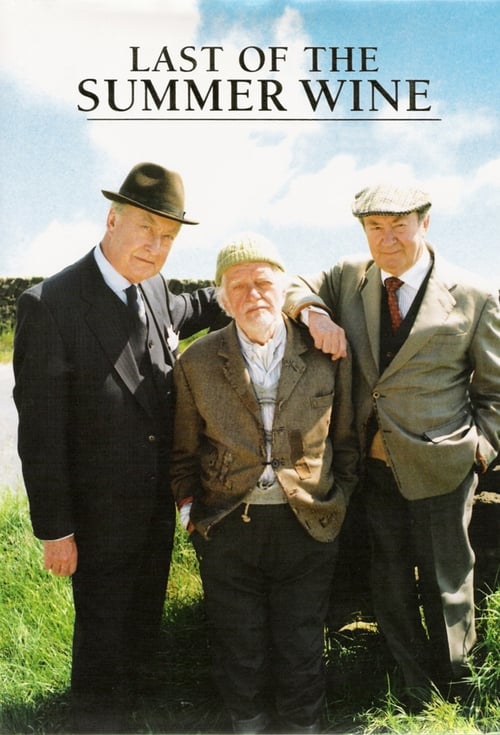
Unencumbered by wives, jobs or any other responsibilities, three senior citizens who've never really grown up explore their world in the Yorkshire Dales. They spend their days speculating about their fellow townsfolk and thinking up adventures not usually favored by the elderly. Last of the Summer Wine premiered as an episode of Comedy Playhouse in 1973. The show ran for 295 episodes until 2010. It is the longest running comedy Britain has produced and the longest running sitcom in the world.
Last of the Summer Wine

Whatever Happened to the Likely Lads? is a British sitcom which was broadcast between 9 January 1973 and 9 April 1974 on BBC1. It was the colour sequel to the mid-1960s hit The Likely Lads. It was created and written, as was its predecessor, by Dick Clement and Ian La Frenais. There were 26 television episodes over two series; and a subsequent 45-minute Christmas special was aired on 24 December 1974. The cast were reunited in 1975 for a BBC radio adaptation of series 1, transmitted on Radio 4 from July to October that year. In 1976, a feature film spin-off was made. Around the time of its release, however, Rodney Bewes and James Bolam fell out over a misunderstanding involving the press and have not spoken since. This long-suspected situation was finally confirmed by Bewes while promoting his autobiography in 2005. Unlike Bewes, Bolam is consistently reluctant to talk about the show, and has vetoed any attempt to revive his character.
Whatever Happened to the Likely Lads?
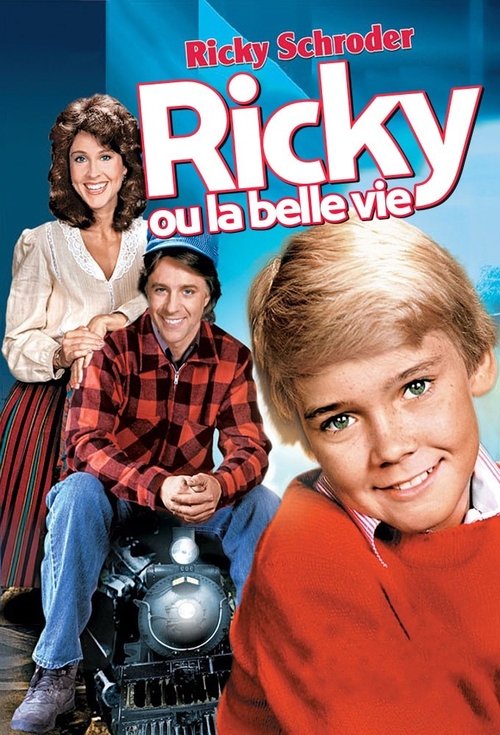
Ricky débarque dans la vie de son père, Edward Stratton, un créateur de jouets milliardaire, qu'il n'a jamais connu. Pour éviter l'école militaire dans laquelle sa mère veut l'envoyer, Ricky va convaincre son géniteur de le laisser vivre avec lui...
Ricky ou la belle vie

Steptoe and Son is a British sitcom written by Ray Galton and Alan Simpson about a father and son played by Wilfred Brambell and Harry H. Corbett who deal in selling used items. They live on Oil Drum Lane, a fictional street in Shepherd's Bush, London. Four series were broadcast by the BBC from 1962 to 1965, followed by a second run from 1970 to 1974. Its theme tune, "Old Ned", was composed by Ron Grainer. The series was voted 15th in a 2004 BBC poll to find Britain's Best Sitcom. It was remade in the US as Sanford and Son, in Sweden as Albert & Herbert and in the Netherlands as Stiefbeen en zoon. In 1972 a movie adaptation of the series, Steptoe and Son, was released in cinemas, with a second Steptoe and Son Ride Again in 1973.
Steptoe and Son
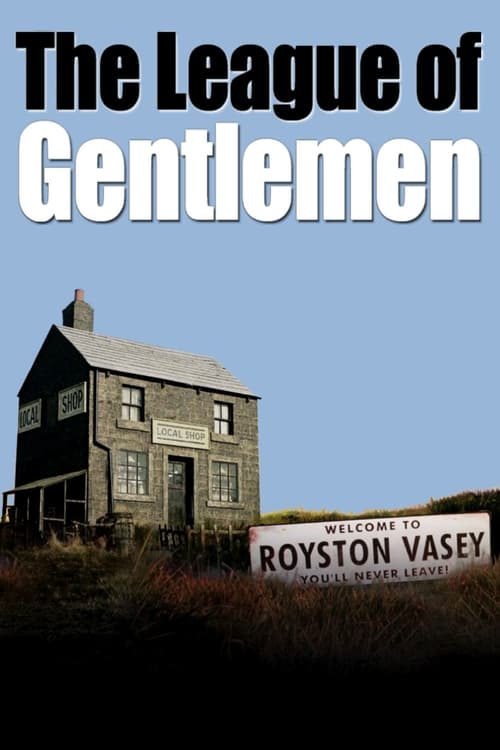
Quatre acteurs jouent la vie d'une petite ville (ou un grand village) lugubre et isolée d'Angleterre, Royston Vasey, au début des années 2000. Meurtres, incestes, perversions, pauvreté, chômage, racisme, tous les clichés qui accompagnent la campagne sont présent à gros traits.
Le Club des Gentlemen
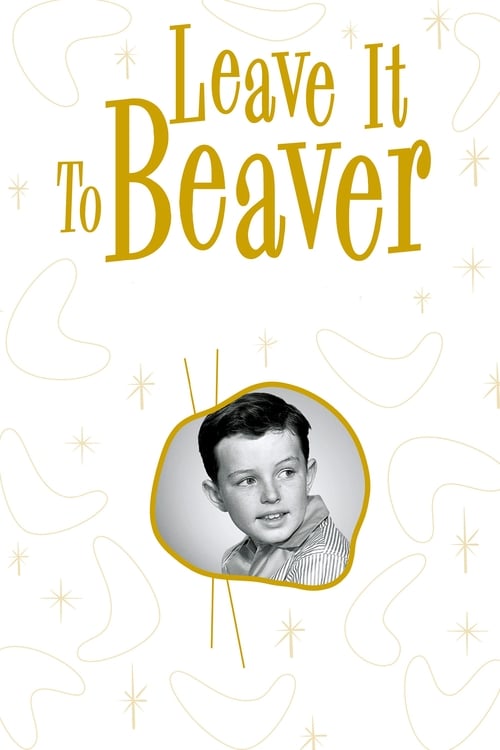
An inquisitive and often naïve boy, Theodore 'The Beaver' Cleaver, has adventures at home, in school, and around his suburban neighborhood. The show also starred Barbara Billingsley and Hugh Beaumont as Beaver's parents, June and Ward Cleaver, and Tony Dow as Beaver's brother Wally. The show has attained an iconic status in the US, with the Cleavers exemplifying the idealized suburban family of the mid-20th century.
Leave It to Beaver

Dave et Vicky ont une jeunesse libre et sans contraintes. Leurs parents étant adeptes de la permissivité la plus totale, ils ont tout expérimenté sans craindre la moindre punition. Quelques années plus tard, ils sont parents d'adolescents qui vont à leur tour aborder les expériences qui forment la jeunesse. Mais, pour Dave et Vicky, le fait d'avoir tout connu, bien avant leurs enfants, ne les rassure pas... bien au contraire !
La Guerre à la maison
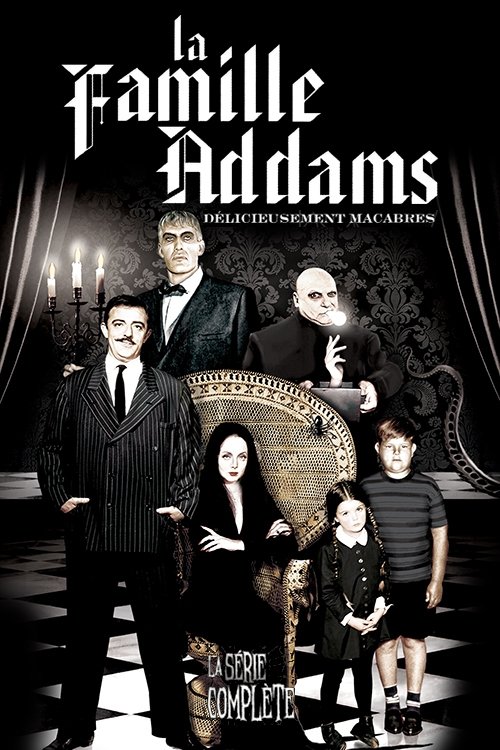
Les Addams sont une famille tout ce qu'il y a de plus banal, enfin presque... Issus d'une longue lignée de sorcières, monstres et autres abominations, ils sont des cas sociaux, ou plutôt asociaux. Ils résident dans un immense manoir hanté par leur propre majordome et "La Chose", une main indépendante et caractérielle. Gomez, le patriarche, est un homme extrêmement riche et amoureux de sa femme Morticia qui, sous ses airs de sorcière, en est certainement une vraie ! Leurs enfants, Pug et Mercredi, ne sont pas des sujets de moquerie de la part de leurs camarades : ils leur font trop peur pour ça. L'Oncle Fétide et Cousin Machin complètent ce tableau de famille si réjouissant. Que pourrait-il bien leur arriver ? Des aventures étranges bien entendu...
La Famille Addams
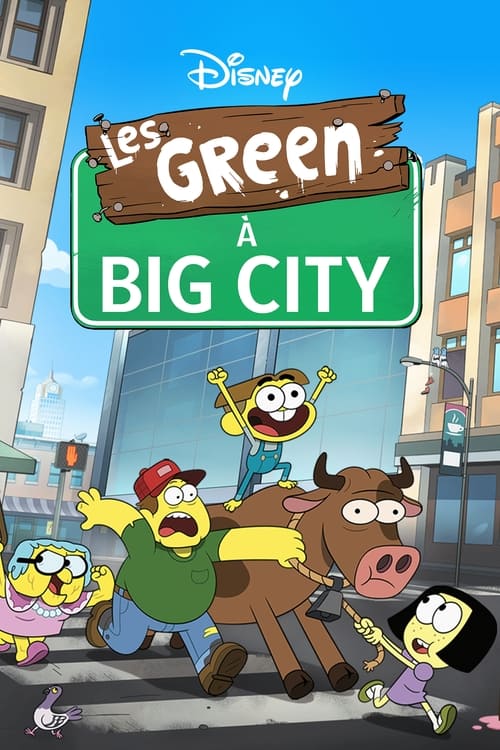
Cricket Green, un garçon de dix ans malicieux et optimiste, quitte sa campagne natale pour s'installer dans une grande ville avec sa famille, qui rapidement ne se sent pas vraiment à sa place dans ce nouvel environnement..
Les Green à Big City

Des hautes plaines écossaises aux terres du Pays de Galles en passant par les cités londoniennes, la série dresse un portrait au vitriol du Royaume-Uni et de ses habitants. Le tout à travers de nombreux personnages plus excentriques les uns que les autres, interprétés par Matt Lucas et David Walliams, les créateurs de la série.
Little Britain
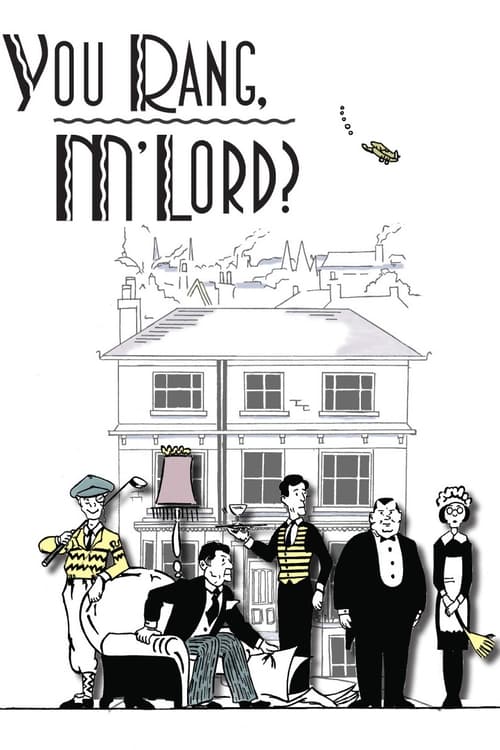
You Rang, M'Lord? is a British comedy series written by Jimmy Perry and David Croft, the creators of Dad's Army, It Ain't Half Hot Mum and Hi-de-Hi! It was broadcast between 1990 and 1993 on the BBC. The show was a comedy set in the house of an aristocratic family in the 1920s, contrasting the upper-class family and their servants in a house in London, along the same lines as the popular drama Upstairs, Downstairs. The series featured many actors who had also appeared in their earlier series, notably Paul Shane, Jeffrey Holland and Su Pollard, all of whom had previously been in Perry and Croft's holiday camp sitcom, Hi-de-Hi!. Also featured were Donald Hewlett and Michael Knowles from Perry and Croft's It Ain't Half Hot Mum, and Bill Pertwee and occasionally Frank Williams from Dad's Army. The memorable 1920s-style theme tune was sung by Bob Monkhouse.