
Episodes
You might also like
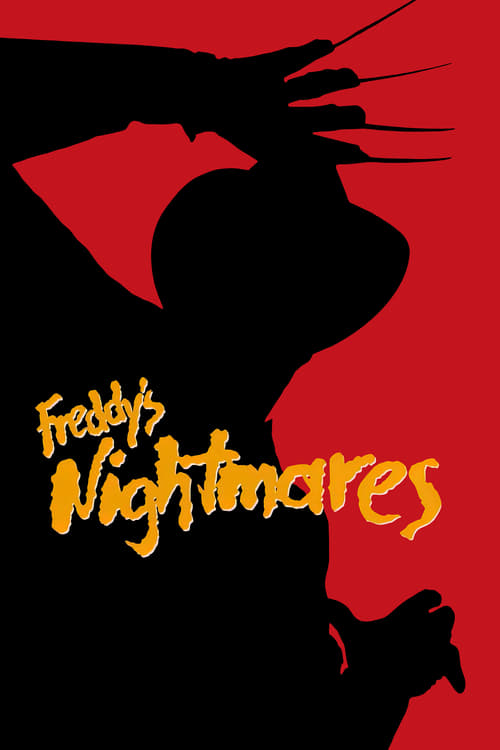
The evil, sinister killer of the "Nightmare On Elm Street" movies, Freddy Krueger, hosts this show, where each week, he shows us a tale of evil and death about the lives of people who live in Springwood.
Freddy's Nightmares
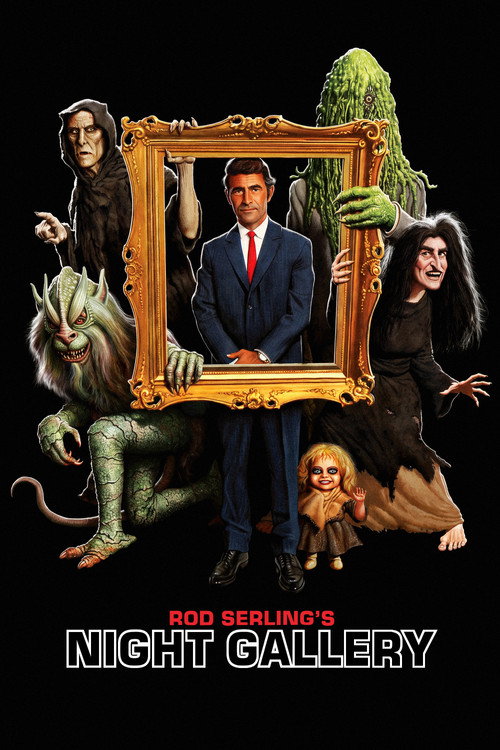
Rod Serling narrates an anthology of fantasy, horror and sci-fi stories from a set resembling a macabre museum. A chilling work of art serves as the connective link between the stories.
Night Gallery

A masked figure known as "The Curious" collects tales of dark magic, otherworldly encounters and twisted technology in this kids anthology series.
Creeped Out
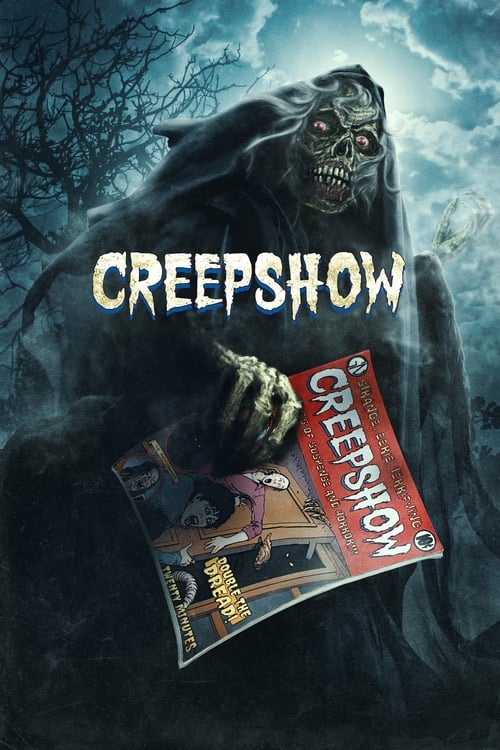
A young boy's horror comic book comes to life in this anthology series of terrifying tales.
Creepshow
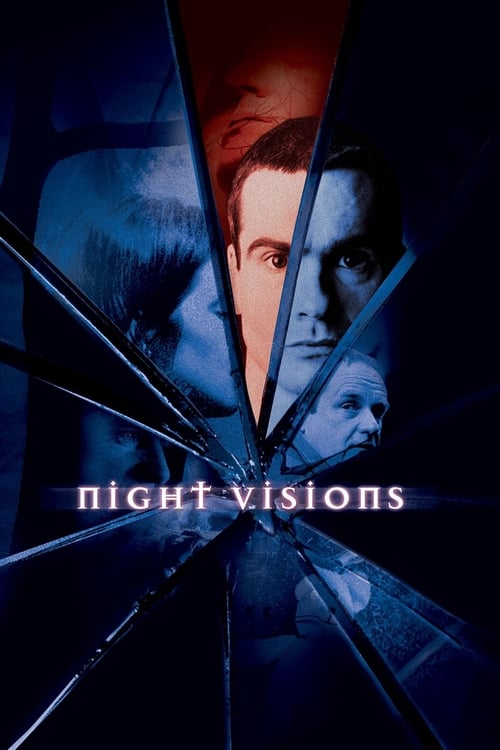
Horror anthology series, with each episode comprising two half-hour stories dealing with themes of the supernatural or simply the dark side of human nature.
Night Visions
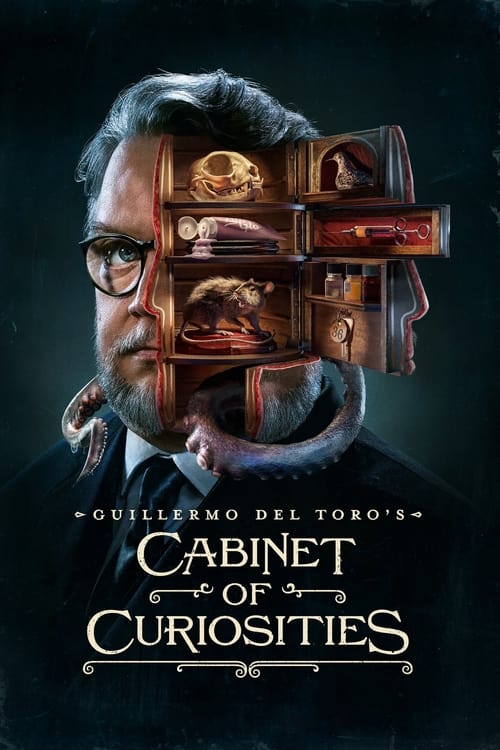
Bizarre nightmares unfold in eight tales of terror in this visually stunning, spine-tingling horror collection curated by Guillermo del Toro.
Guillermo del Toro's Cabinet of Curiosities
Tales from the Darkside is an anthology horror TV series created by George A. Romero, each episode was an individual short story that ended with a plot twist. The series' episodes spanned the genres of horror, science fiction, and fantasy, and some episodes featured elements of black comedy or more lighthearted themes.
Tales from the Darkside

An anthology series written and directed by the most famous names in horror.
Masters of Horror
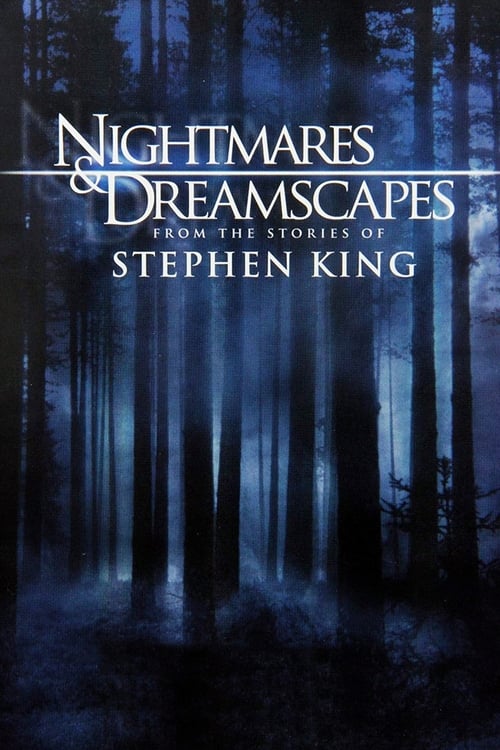
An anthology based on eight short stories by Stephen King in his 1993 collection of the same name.
Nightmares & Dreamscapes: From the Stories of Stephen King
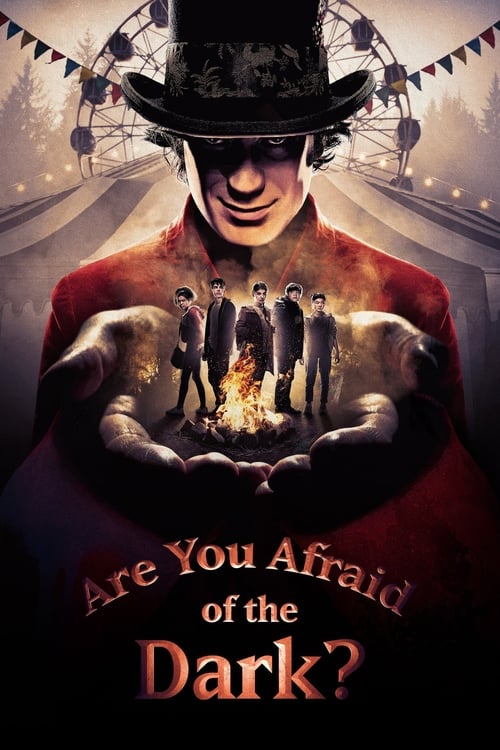
Each season of this horror anthology series follows a different group of kids, members of the Midnight Society, as they discover terrifying curses and creatures.
Are You Afraid of the Dark?
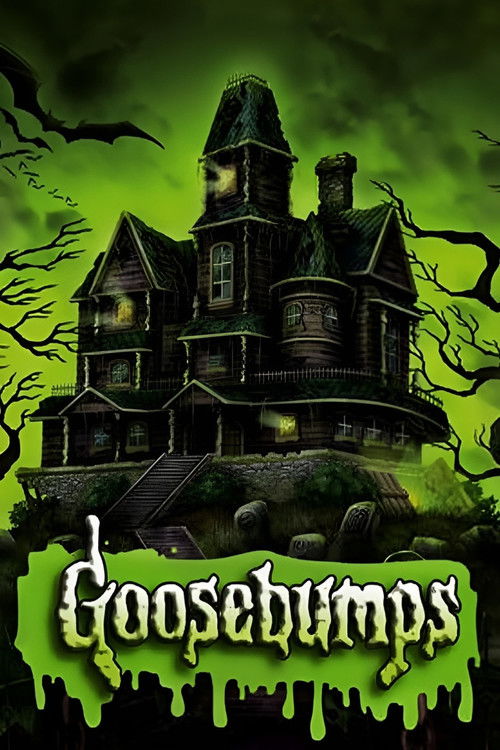
Anything can turn spooky in this horror anthology series based on the best-selling books by master of kid horror, R.L. Stine. In every episode, see what happens when regular kids find themselves in scary situations, and how they work to confront and overcome their fears.
Goosebumps
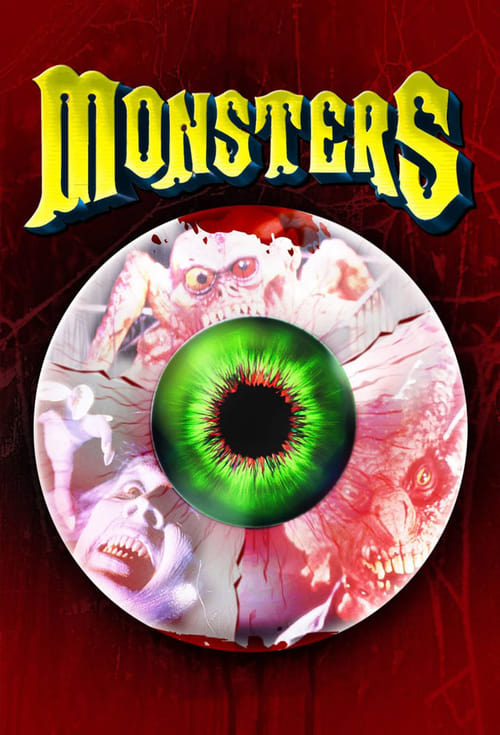
Monsters is a syndicated horror anthology series which originally ran from 1988 to 1991 and reran on the Sci-Fi Channel during the 1990s. Similarly to Tales from the Darkside, Monsters shared the same producer, and in some ways succeeded the show. It differed in some respects nonetheless. While Tales sometimes dabbled in stories of science fiction and fantasy, this series was more strictly horror. As the name implies, each episode features a different monster, from the animatronic puppet of a fictional children's television program to mutated, weapon-wielding lab rats.
Monsters
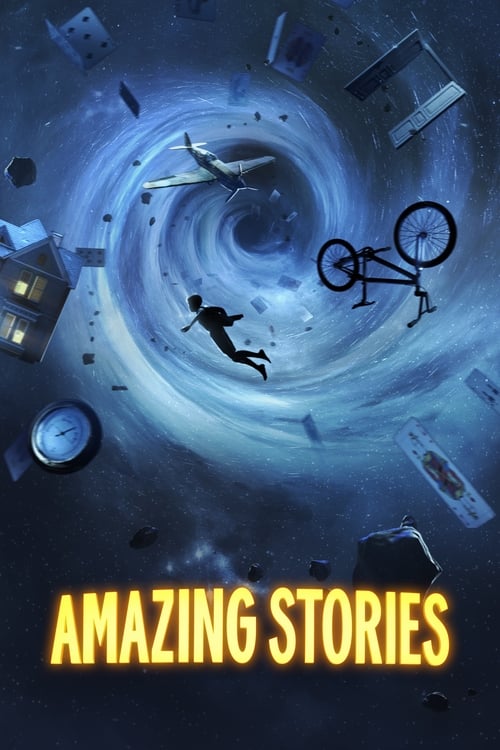
This reimagining of the classic anthology series transports everyday characters into worlds of wonder, possibility, and imagination.
Amazing Stories
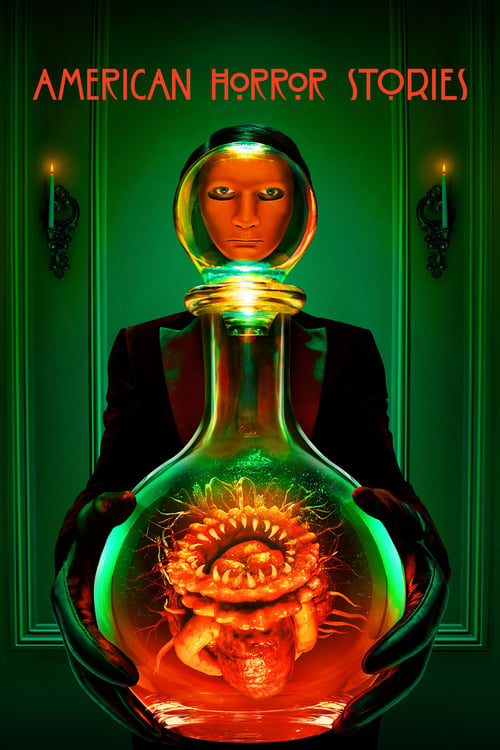
An anthology series of stand alone episodes delving into horror myths, legends and lore.
American Horror Stories
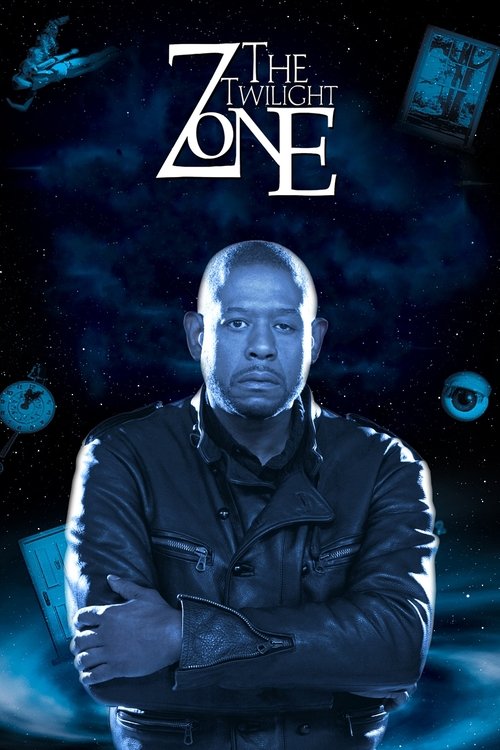
A 2002 revival of Rod Serling's 1950/60s television series, The Twilight Zone, with actor Forest Whitaker assuming Serling's role as narrator and on-screen host.
The Twilight Zone
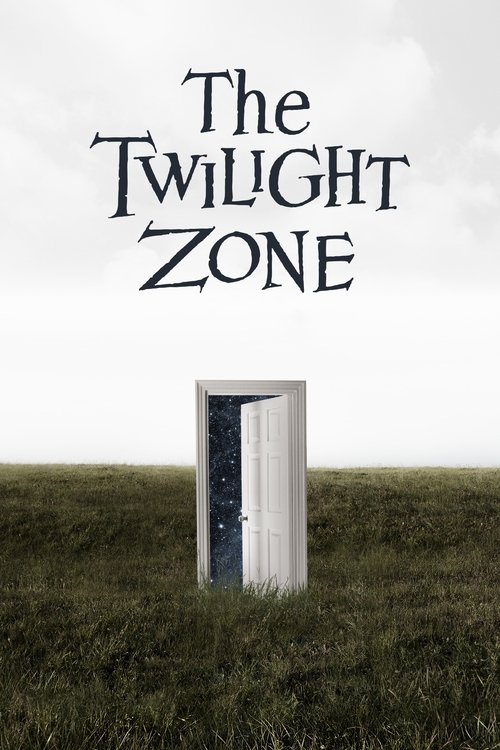
Tales of science fiction, fantasy and the occult, exploring humanity's hopes, despairs, prides and prejudices in metaphoric ways. Next stop ahead The Twilight Zone.
The Twilight Zone
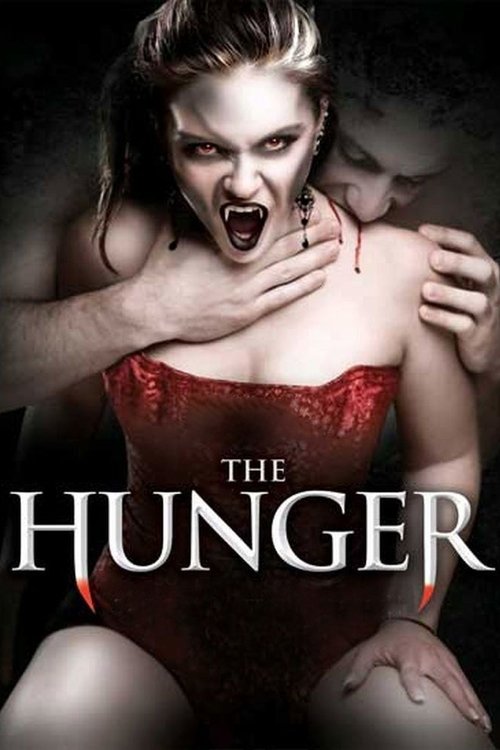
The Hunger is a British/Canadian television horror anthology series, co-produced by Scott Free Productions, Telescene Film Group Productions and the Canadian pay-TV channel The Movie Network. Though it shares a title with the feature film The Hunger the series has no direct plot or character connection to the film, and was created by Jeff Fazio. Originally shown on the Sci Fi Channel in the UK, The Movie Network in Canada and Showtime in the US, the series was broadcast from 1997 to 2000, and is internally organized into two seasons. Each episode was based around an independent story introduced by the host; Terence Stamp hosted each episode for the first season, and was replaced in the second season by David Bowie. Stories tended to focus on themes of self-destructive desire and obsession, with a strong component of soft-core erotica; popular tropes for the stories included cannibalism, vampires, sex, and poison.
The Hunger

A chilling anthology series featuring stories of people in terrifying situations inspired by true historical events.
The Terror
A Canadian-produced fantastic anthology series scripted by famed science-fiction author Ray Bradbury. Many of the teleplays were based upon Bradbury's novels and short stories.
The Ray Bradbury Theater
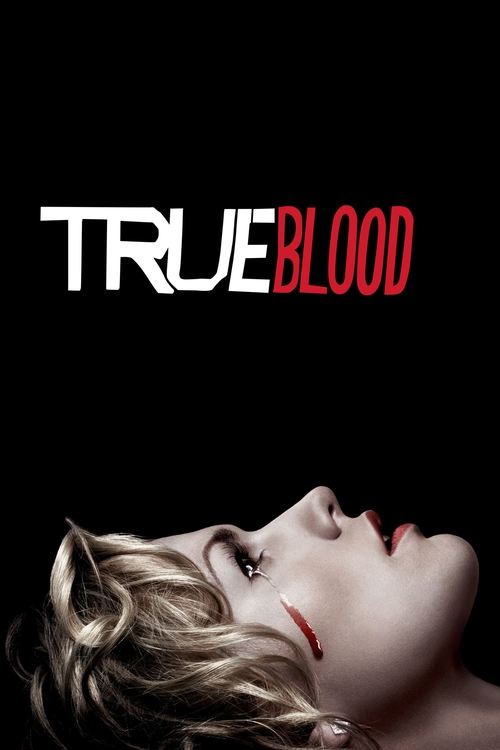
Thanks to a Japanese scientist's invention of synthetic blood, vampires have progressed overnight from legendary monsters to fellow citizens. And while humans have been safely removed from the menu, many remain apprehensive about these creatures "coming out of the coffin." Religious leaders, government officials, and vampire fundamentalists around the world have chosen their sides. But in the small Louisiana town of Bon Temps, the jury is still out.