Synopsis
Episodes
You might also like
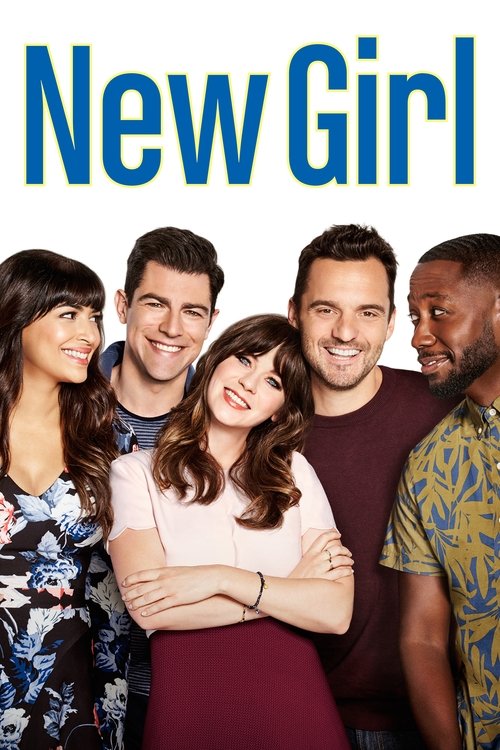
Jessica Day is an offbeat and adorable girl in her late 20s who, after a bad breakup, moves in with three single guys. Goofy, positive, vulnerable and honest to a fault, Jess has faith in people, even when she shouldn't. Although she's dorky and awkward, she's comfortable in her own skin. More prone to friendships with women, she's not used to hanging with the boys—especially at home.
New Girl
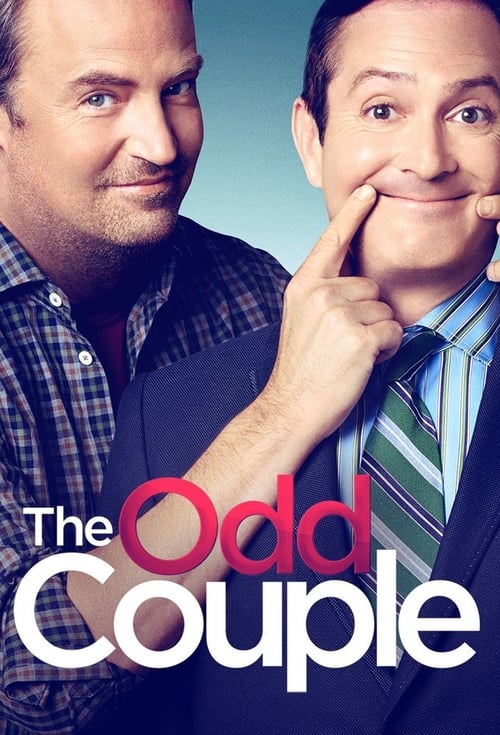
Oscar's life seems almost perfect...sure he's divorced and his apartment is a mess, but he's the host of a well-known sports show, and is enjoying his bachelor lifestyle in New York City. That is until his college friend, Felix, shows up at Oscar's apartment having just been dumped by his wife. Oscar does his best to console his old buddy and get him back on the dating horse, but his attempts uncover just how unresolved his own feelings are about his ex.
The Odd Couple
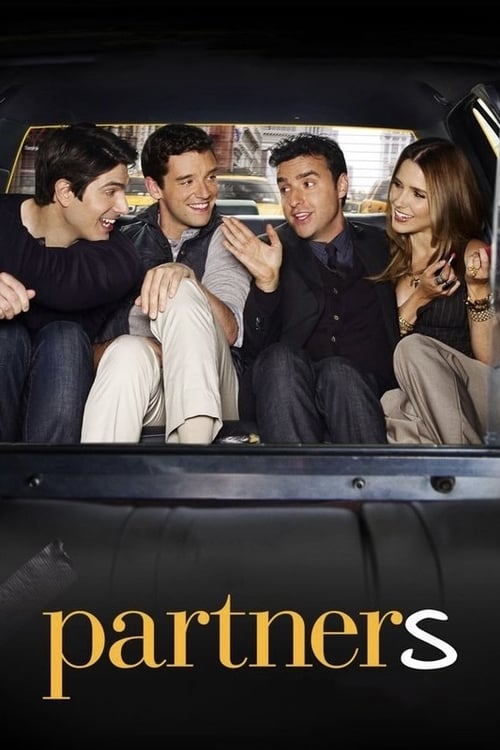
Two lifelong friends, who are both architects, form a business partnership. Partners is a comedy that is about a life long bromance between Joe and Louis, two architects who have been friends nearly their entire lives. They are now are business partners, owning their own small architecture firm. Joe is very rational and level headed, following his head over his heart, sometimes a detriment to his relationships. Joe is newly engaged to Ali, a beautiful jewelry designer who brings out the best in him. Louis, in contrast to Joe, is passionate, outspoken and tends to exaggerate in order to make his point. Louis' partner's name is Wyatt, and is a vegan male nurse who is soft spoken and overly understanding. As they live their lives they must find a way to adapt, redefining the bond between them both personally and professionally now that there is an addition of two other important relationships.
Partners
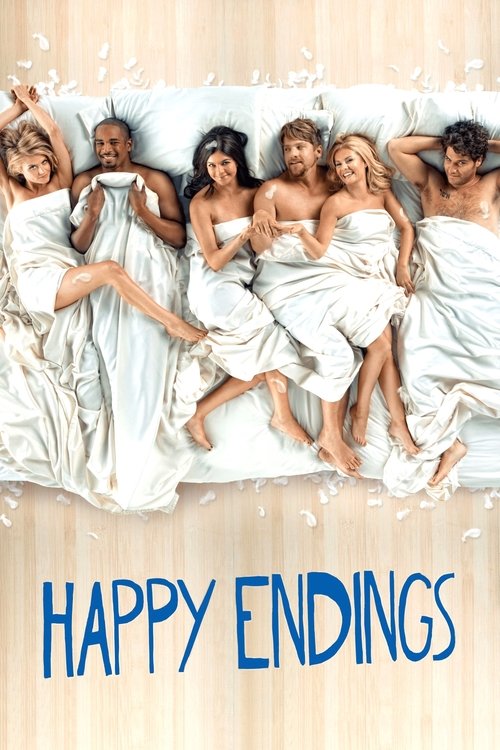
A fresh and funny take on modern friendship and what one urban family will do to stay friends after the perfect couple who brought them all together break up on their wedding day. The failed wedding forces them all to question their life choices. Then there are Alex and Dave themselves, who strike a truce and must learn to live with the changes their breakup has brought.
Happy Endings
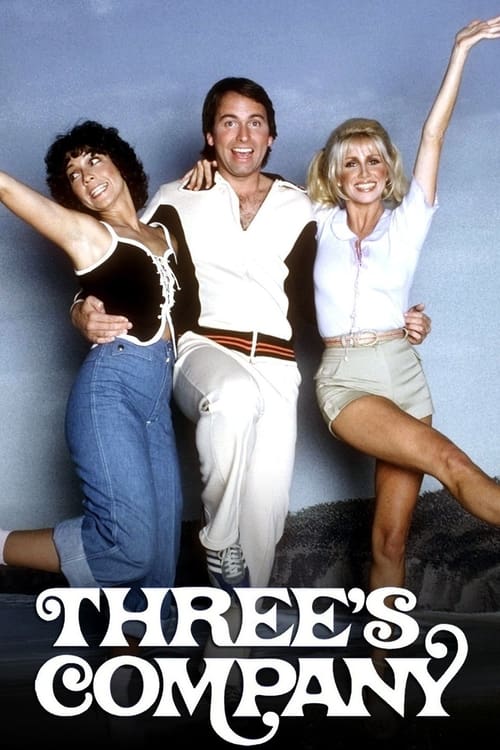
When two single girls, Janet and Chrissy, need a roommate to share their Santa Monica apartment, they decide to offer a room to Jack, a man they find passed out in the bathtub after the going-away party for their last roommate. However, hijinks ensure when Jack must pretend to be gay in order to throw off the scent of the trio's conservative landlady.
Three's Company
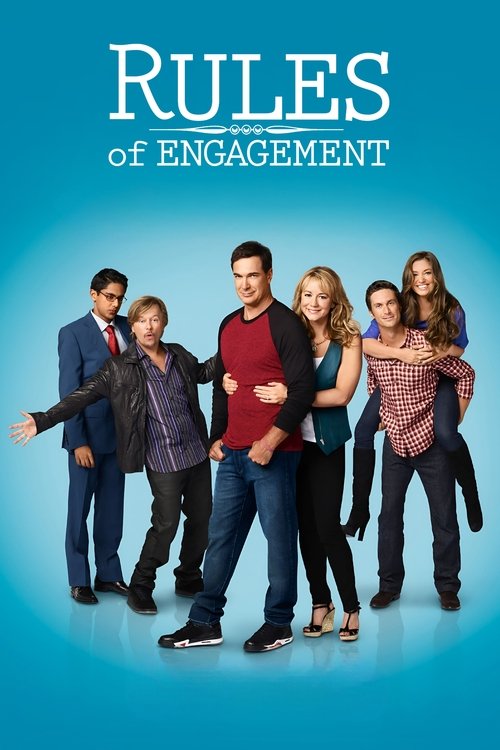
Rules of Engagement is a comedy about the different phases of male/female relationships, as seen through the eyes of a newly engaged couple, Adam and Jennifer, a long-time married pair, Jeff and Audrey, and a single guy on the prowl, Russell. As they find out, the often confusing stages of a relationship can seem like being on a roller coaster. People can describe the ride to you, but to really know what it's like you have to experience it for yourself.
Rules of Engagement
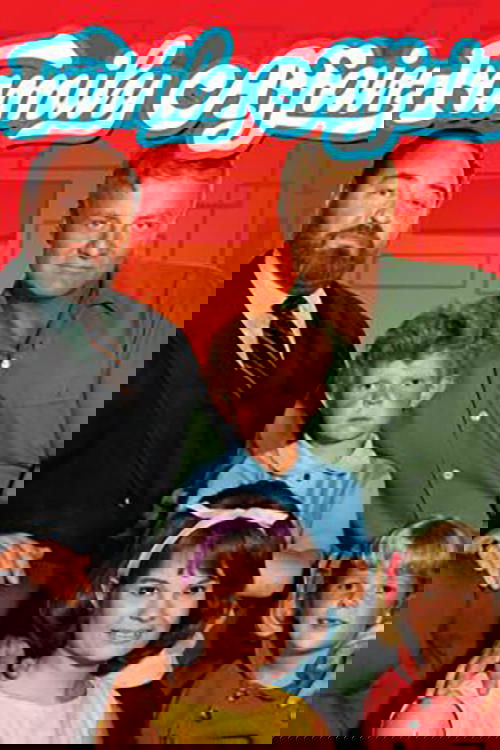
Family Affair is an American sitcom that aired on CBS from September 12, 1966 to September 9, 1971. The series explored the trials of well-to-do civil engineer and bachelor Bill Davis as he attempted to raise his brother's orphaned children in his luxury New York City apartment. Davis' traditional English gentleman's gentleman, Mr. Giles French, also had adjustments to make as he became saddled with the responsibility of caring for 15-year-old Cissy and the 6-year-old twins, Jody and Buffy. The show ran for 138 episodes. Family Affair was created and produced by Don Fedderson, also known for My Three Sons and The Millionaire.
Family Affair
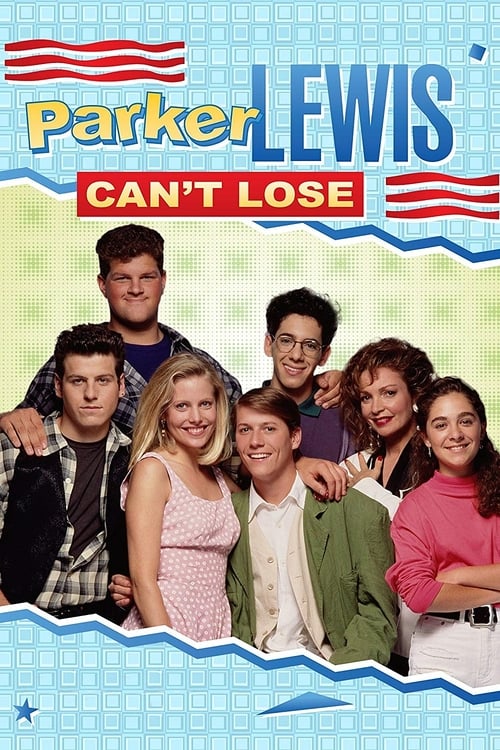
Parker Lewis is a teenager who apparently can't lose. He's cool, cute, popular, hip – and seems to get away with anything. That's not to say he's got no problems. His two primary nemeses are school principal Grace Musso, whose goal is getting Parker expelled; and his little sister Shelly, whose sole purpose seems to be tattling on Parker. However, with best friends Mikey and Jerry, Parker takes on the world and makes the best of high school.
Parker Lewis Can't Lose
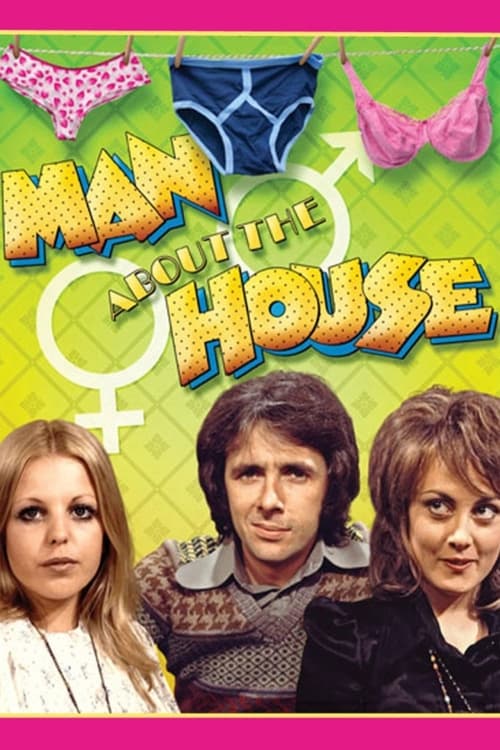
Man About the House is a British sitcom created and written by Brian Cooke and Johnnie Mortimer, and starring Paula Wilcox, Sally Thomsett, Richard O'Sullivan, Brian Murphy, and Yootha Joyce. Six series were broadcast on ITV from 15 August 1973 to 7 April 1976. It was considered daring at the time because it featured a man sharing a London flat with two single women. Single roommates Chrissy and Jo search for a third tenant to help pay the rent, they intend on finding another female. But then they encounter Robin Tripp... who's looking for a place to stay. Two spin-offs were produced: George and Mildred (1976–79) and Robin's Nest (1977–81). A film adaptation was released in 1974 and, in 1977, the series was remade for American audiences as Three's Company.
Man About the House

Nick Cannon and an A-list celebrity lead a team of improv comedians as they compete against each other.
Nick Cannon Presents: Wild 'N Out
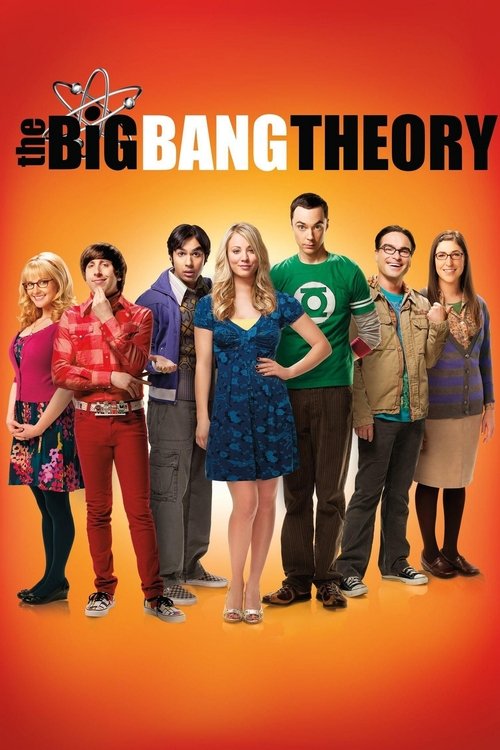
Physicists Leonard and Sheldon find their nerd-centric social circle with pals Howard and Raj expanding when aspiring actress Penny moves in next door.
The Big Bang Theory
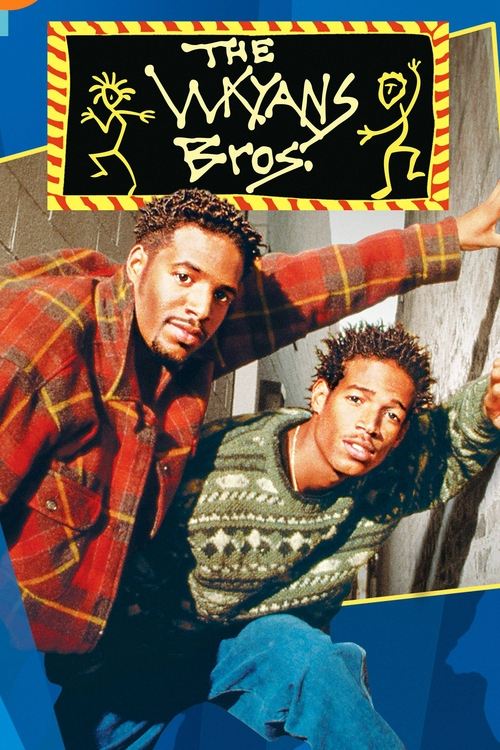
Brothers Shawn and Marlon are on the lookout for money and success, though the two are complete opposites. Shawn is responsible and conservative while Marlon is free-spirited and liberal. They are not immune to sibling rivalry, but frequently enjoy being each other's partner in crime.
The Wayans Bros.

Dharma & Greg is an American television sitcom that aired from September 24, 1997, to April 30, 2002. It stars Jenna Elfman and Thomas Gibson as Dharma and Greg Montgomery, a couple who got married on their first date despite being complete opposites. The series is co-produced by Chuck Lorre Productions, More-Medavoy Productions and 4 to 6 Foot Productions in association with 20th Century Fox Television for ABC. The show's theme song was written and performed by composer Dennis C. Brown. Created by executive producers Dottie Dartland and Chuck Lorre, the comedy took much of its inspiration from so-called culture-clash "fish out of water" situations. The show earned eight Golden Globe nominations, six Emmy Award nominations, and six Satellite Awards nominations. Elfman earned a Golden Globe in 1999 for Best Actress.
Dharma & Greg
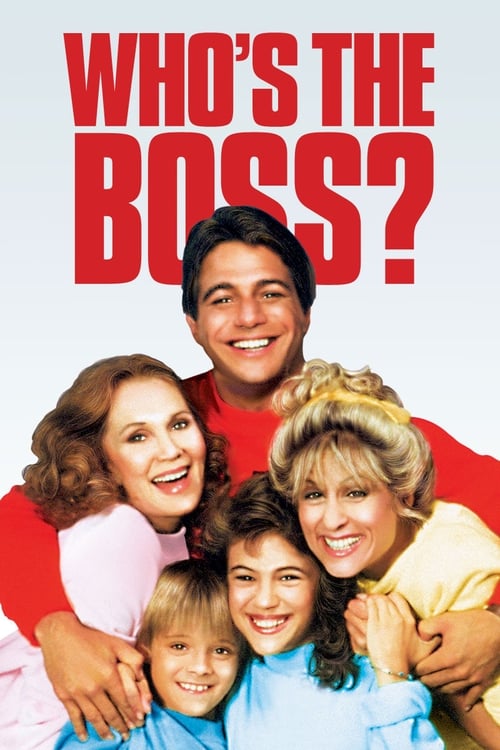
A former professional baseball player, along with his preteen daughter, moves into New York advertising executive Angela Bower's house to be both a housekeeper and a father figure to her young son. Tony 's laid-back personality contrasts with Angela's type-A behavior.
Who's the Boss?
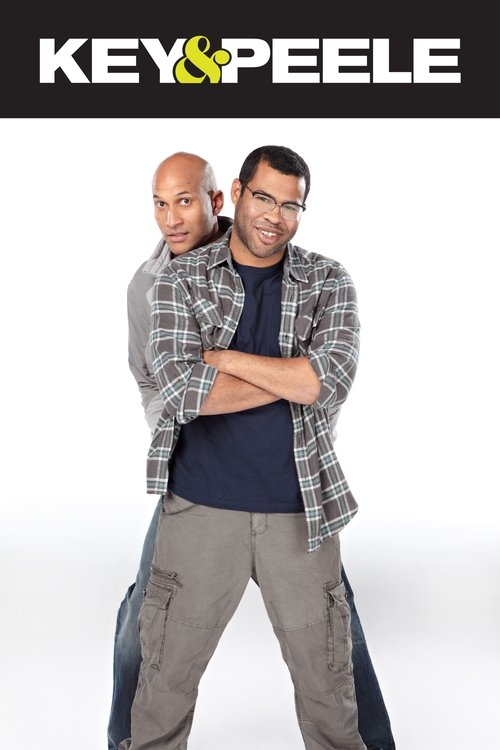
Key & Peele is an American sketch comedy television show. It stars Keegan-Michael Key and Jordan Peele, both former cast members of MADtv. Each episode of the show consists of several pre-taped sketches starring the two actors, introduced by Key and Peele in front of a live studio audience.
Key & Peele
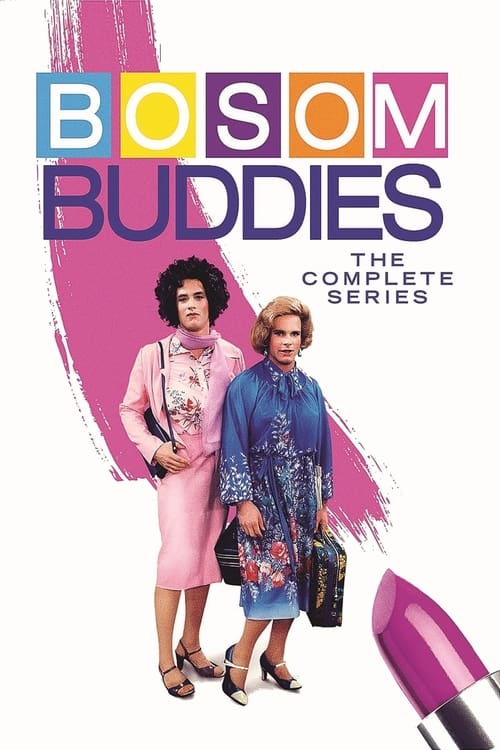
Kip and Henry, two young studs working for a New York ad agency, must disguise themselves as women to live in the one apartment they can afford.
Bosom Buddies
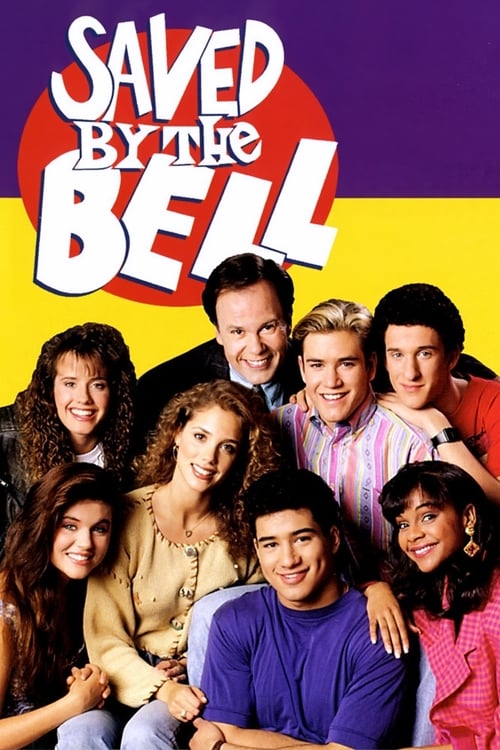
Lovable schemer Zack Morris leads his pals on adventures at California's Bayside High School. The friends navigate relationships, final exams, school dances, breakups and more while frequently frustrating their principal, Mr. Richard Belding, who does his best to keep them in check.
Saved by the Bell
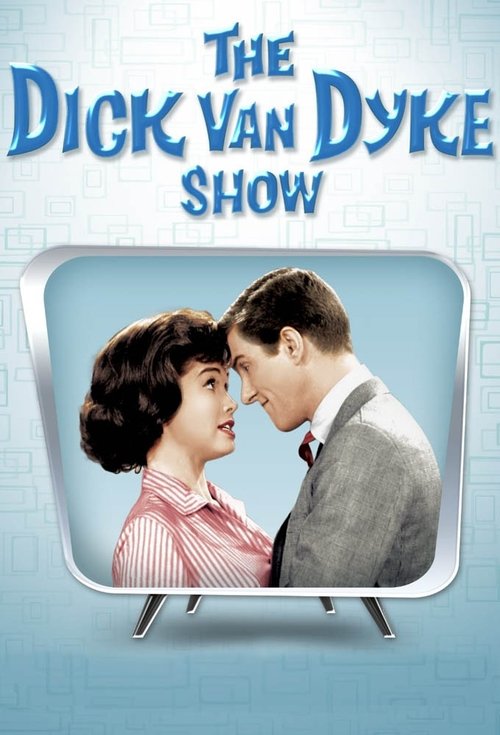
The Dick Van Dyke Show centers around the work and home life of television comedy writer Rob Petrie. The plots generally revolve around problems at work, where Rob got into various comedic jams with fellow writers Buddy Sorrell, Sally Rogers and producer Mel Cooley.
The Dick Van Dyke Show
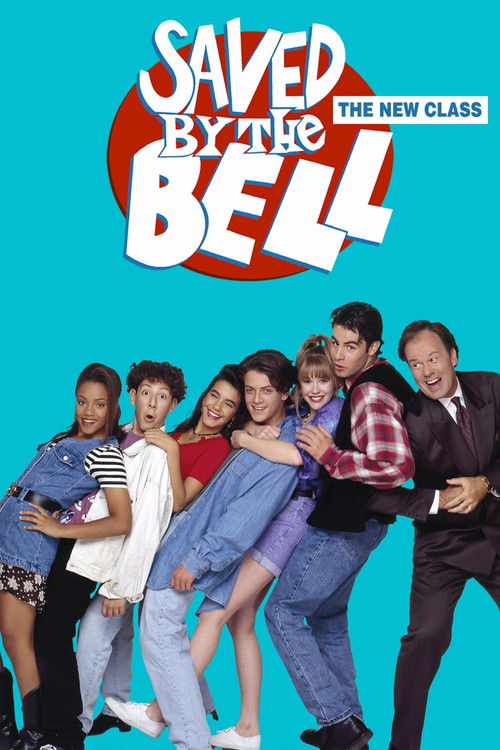
Six friends grow and learn at Bayside High.
Saved by the Bell: The New Class
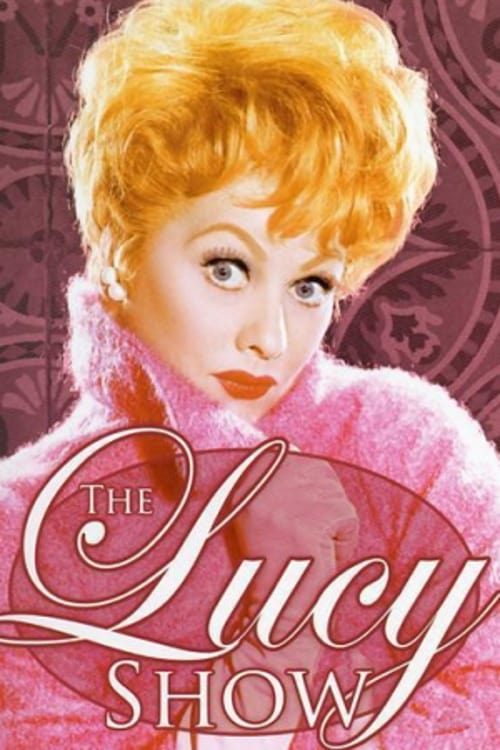
The Lucy Show is an American sitcom that aired on CBS from 1962–68. It was Lucille Ball's follow-up to I Love Lucy. A significant change in cast and premise for the 1965–66 season divides the program into two distinct eras; aside from Ball, only Gale Gordon, who joined the program for its second season, remained. For the first three seasons, Vivian Vance was the co-star. The earliest scripts were entitled The Lucille Ball Show, but when this title was declined, producers thought of calling the show This Is Lucy or The New Adventures of Lucy, before deciding on the title The Lucy Show. Ball won consecutive Emmy Awards as Outstanding Lead Actress in a Comedy Series for the series' final two seasons, 1966–67 and 1967–68.