15777 result(s) found
"The commander of the 5th Army Corps rides forward with a party of officers. He wears a white helmet, a broad expanse of shirt bosom and a general air of avoirdupois."
Wandering through the forest, a woodcutter finds a golden fern whose seed turns into a beautiful woman - they fall in love. After getting drunk in a village feast, he gets to sign up to the army. The fairy gives him a shirt to wear and asks him to swear he will never abandon it. At the war front, he falls in love with the the colonel's daughter and will have to perform various feats to get her attention.
Chester Binney, a wounded war veteran, erroneously believes he is carrying a silver plate in his head and must avoid all excitement. He returns to his hometown, and there his former employer, George Simmons, attempts to arrange a match between Chester (who is to inherit a fortune) and his daughter Ethel. Ethel, however, finds Chester unexciting as a lover; and to enliven the affair, the father invents a lurid past for the boy by displaying a signed photograph of Rita Renault, a famous movie star. Rita, accompanied by her jealous husband, Jack Shields, arrives in the town for a personal appearance. By chance, Jack discovers the photograph of Rita, presumably the property of Chester, and when he sees his wife kissing Chester, a running fight ensues.
The Power and the Glory is a 1941 Australian war film about a Czech scientist who escapes from the Nazis to live in Australia.
In 1944 Leeuwarden, the Netherlands, a band of Dutch resistance fighters plot to covertly rescue dozens of compatriots from the local Nazi prison.
In a Serbian village on Christmas Day in 1943, the Chetniks accept two downed American pilots and give them hospitality. However, finding out that the Germans are looking for the pilots, the Chetniks change their attitude towards them.
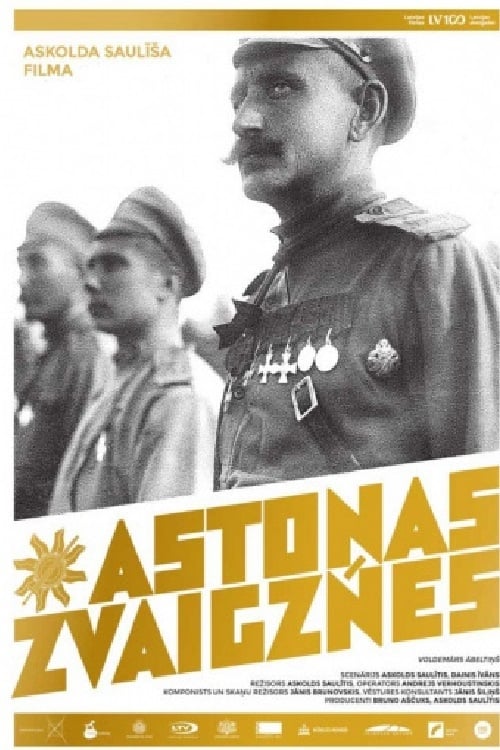
This film tells about the most striking and tragic phenomenon during the development of self-awareness of the Latvian nation – the Latvian Riflemen. The first Daugavgrīva regiment, the second Riga, third Kurland, fifth Semigallian, sixth Tukums, seventh Bauska and eighth Valmiera regiments of Latvian Riflemen – this was Latvia before its statehood. The film is a historically chronological study beginning with the formation of the Riflemen battalions and their first battles until the end of the Civil War in Russia, when a large part of the Riflemen returned home to the recently established state of Latvia. This is a story about common people challenged by the Big Epoch that determined their lives.
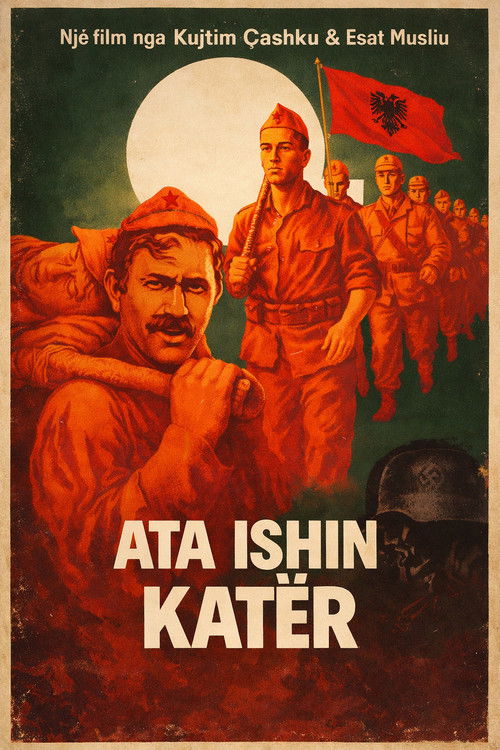
Four partisans are tasked with delivering a song to the Congress of Përmet.
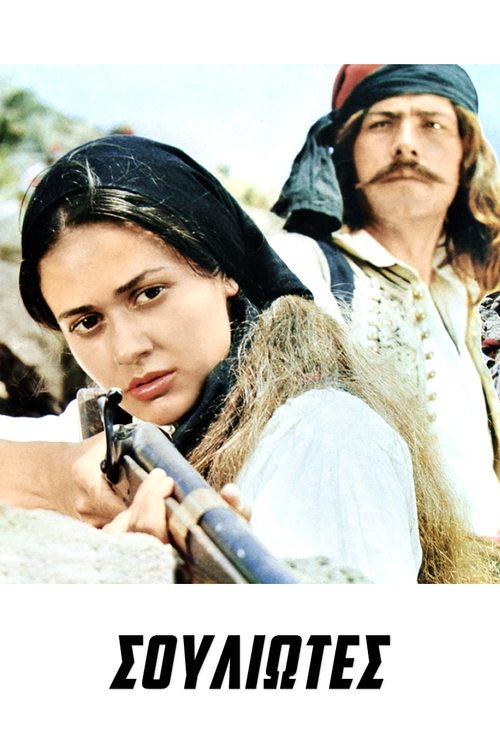
Souliotes learn that Ali pasha is planning to attack. Photos Tzavellas and his men are ready to defend their freedom. They repel repeatedly Ali's army but after a prolonged siege the decide that they are not to be taken alive. All women go to Zaloggo where they fall off the cliffs dancing, while the men decide to die exploding a convent at Kougi mountain.
Fredrik Kayser is one of Norway’s most highly decorated individuals for his efforts during World War II. He took part in the Winter War in Finland, the Lofoten Raid, sabotage operations at Sola Air Station, the Måløy Raid, and the heavy water sabotage, and served in the Norwegian Army unit “Bjørn West” at the end of the war. For nearly fifty years, Fredrik Kayser remained silent about these events - the war was over. Now he tells his story.
Love Have I Known follows the relationship between English schoolboy James and a fellow German pupil, Otto. They realise their love for each other just as the Great War breaks, and the pair must now navigate their relationship in the knowledge that their nations are fierce enemies at war. Doing so will be far from easy, as they come to terms with the reality that they might have to face each other across the battlefield.
After fighting the Arab armies, Assaf, an Israeli soldier, falls in love with an American living in the Arab district of Jerusalem. One day, he believes he recognizes a wanted terrorist.
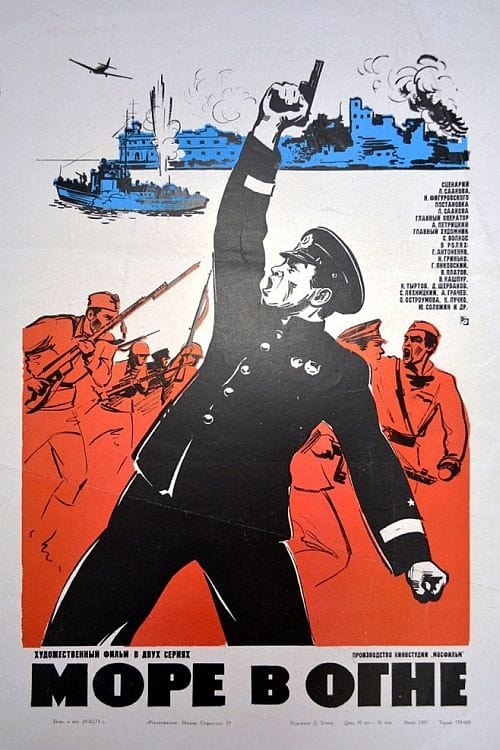
The film recreates the heroic epic of the defense of Sevastopol in 1941-1942. The fall of 1941. Having broken through the defense at Perekop and seized Crimea, the fascist troops begin the siege of Sevastopol. The Soviet fleet is withdrawn to Novorossiysk. For the defense of Sevastopol remained only guns of ships, coastal batteries and several detachments of marines, the defense is led by General Petrov.
August Strindberg's historical play about the king he called Sweden's traitor.
Story of people in a camp, situated on a small island and ruled by Nazis.
An ailing communist reflects on a young boy childhood in Stalinist Yugoslavia.
A film monologue based on the eponymous poem by Alexander Tvardovsky.
Five men are conscripted and sent to hostile territory to find a top secret prototype stolen by a group of defectors.
The story of the Yugoslav warship Drava and its journey during World War II.
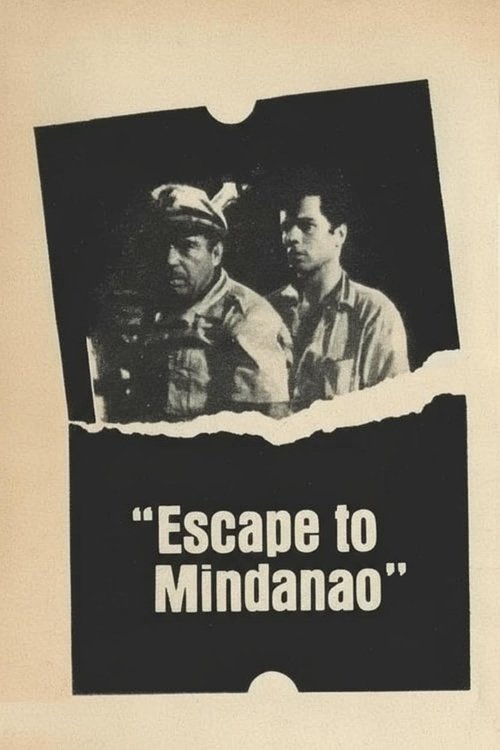
Two American POWs break out of a Japanese jungle prison camp with their captors' secret decoding device and try to reach freedom despite being slowed by an opportunistic sea captain, his pretty daughter, and a black marketeer.