15830 result(s) found
Auschwitz is a hard-hitting war film which shows life as it really was at the death camp.
A group of 19 young women, led by a partizan man, are the only people available to escort a number of partisan wounded in the struggle for freedom, in the mountain ranges invaded by the Nazi army. The crossing of difficult tracks, and a few encounters with enemy patrols provide danger, and death for some heroines. Two girls are in love with the column's commander, but love for the motherland and freedom will prove stronger.
One famous day. Five heroes. Five key turning points that changed the course of World War II during the D-Day landings, told through the eyes of the people who made a difference. Using rarely seen archival footage dramatic reconstruction and written accounts from eye witnesses, and personal testimony from five heroes, this is D-Day as never seen before.
In the Charente, during the Nazi occupation, 51-year-old apparent pacifist Edouard Martin is in fact the leader of a resistance network, using his hobby of orchid growing to hide radio equipment.
The Soviet army breaks through the Finnish defences on the Karelian Isthmus in June 1944, advancing with overwhelming force. Somehow, the Finnish troops must find the strength to fight back, with all odds against them. The Battle of Tali-Ihantala was the largest battle ever fought in the history of the Nordic countries. This film depicts the true events through five separate stories.
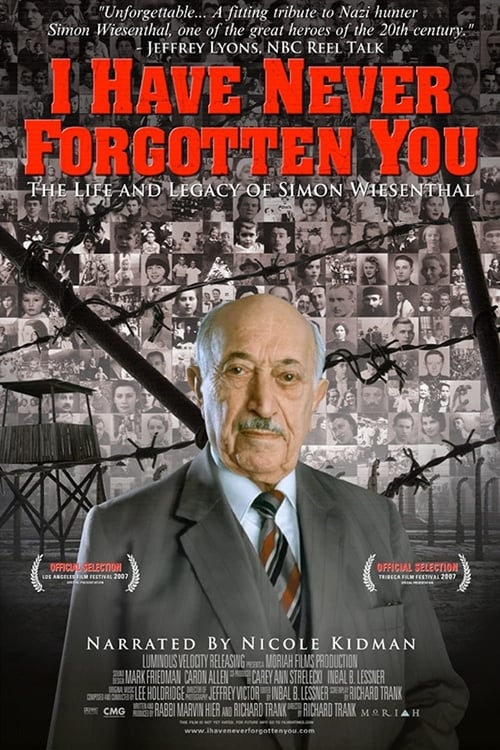
"I Have Never Forgotten You" is a comprehensive look at the life and legacy of Simon Wiesenthal, the famed Nazi hunter and humanitarian. Narrated by Academy Award winning actress Nicole Kidman, it features interviews with longtime Wiesenthal associates, government leaders from around the world, friends and family members--many of whom have never discussed the legendary Nazi hunter and humanitarian on camera. Previously unseen archival film and photos also highlight the film. What was the driving force behind his work? What kept him going when for years the odds were against his efforts? What is his legacy today, more than 60 years after the end of World War Two?
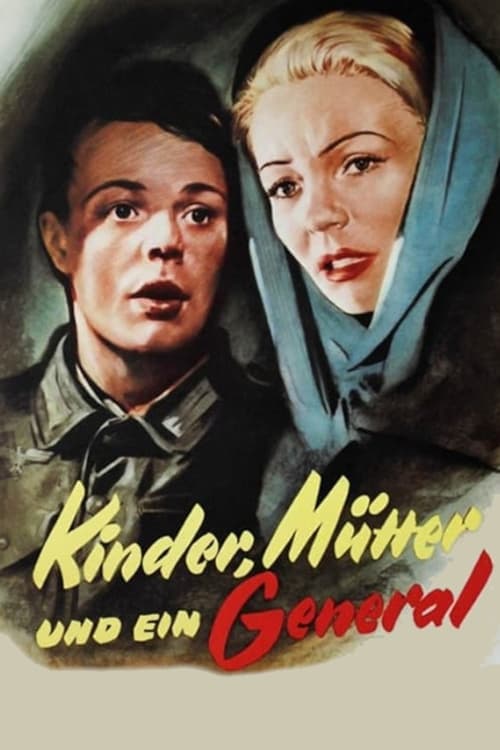
As Germany's fortunes in the latter part of World War II wane, several young boys, in their enthusiasm to do something "for the fatherland", volunteer to fight with the German army in the East. Horrified at the news that their children left for the Russian front, the boys' mothers begin a desperate effort to get their sons back.
Hans, a German director, is in Madrid to film a television production about the capital and the Civil War, 50 years after it occurred. Accompanied by Lucía, his editor, and Goyo, his cinematographer, he films shots of the modern city, searching for spaces and people related to its past. At the same time, he views materials related to the past. In this search, Hans questions the point of his project, and disagrees with his producers until he discovers a project that he is passionate about.
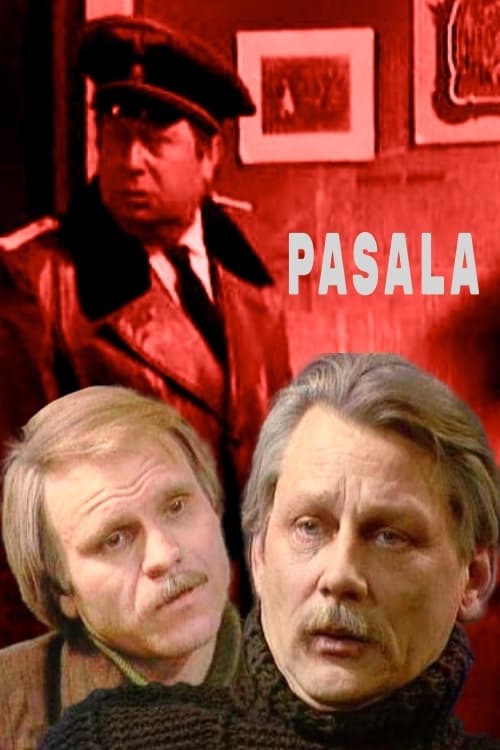
The action takes place in Russia during the Second World War. One of the heroes - Kryukov - serves the Germans, the second - Eliseev - fights against the German occupiers.
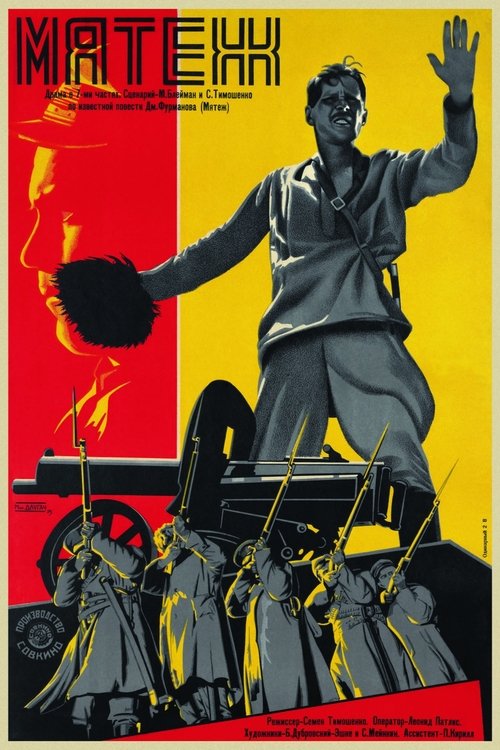
Central Asia during the Civil War. The Jarkent battalion of the Red Army, located in the Verny (now Alma-Ata), receives an order from Frunze to go to the Fergana region to fight the Basmachi. A group of kulaks, with the support of local merchants and beys, incites the unconscious, wavering mass of the Red Army to revolt. The anti-Soviet agitation of counter-revolutionaries, demagogically exploiting the mood of war weariness, provokes an open mutiny in the battalion.
Francois is based on true events that took place during the Rwandan Genocide, based on the story of Francois Habimana, a man who trekked through the Rwandan forest to find his displaced family amidst the cruel war.
This was the first feature film to be produced after the liberation of North Korea. It gives a pictures of boundless joy and emotion of the Korean people who are now liberated from the colonial yoke of Japanese imperialism thanks to the glorious anti-Japanese struggle organized and led by the great leader Comrade Kim Il-Sung. Unable to endure the insult of the landlord, Gwan Pil gives vent to his rage. Because of this, the Japanese imperialists deprive him of his tenant land and put him in jail where he gains class consciousness under the influence of a KPA operative.
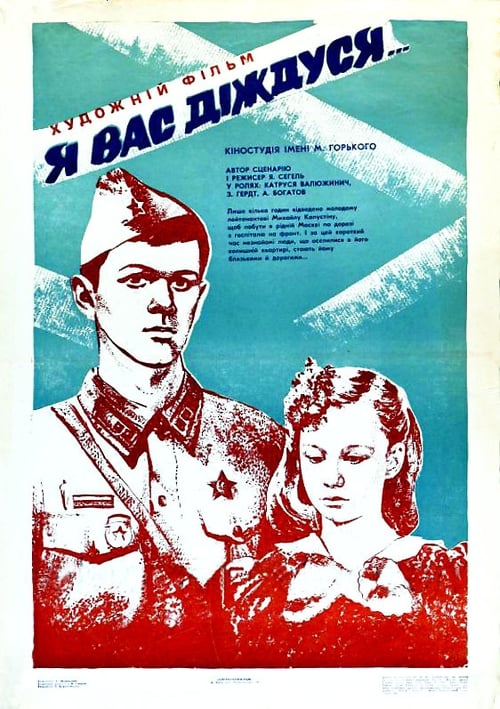
During the WWII, fter leaving the hospital, a young lieutenant spends a few hours in Moscow, in the house where he spent his childhood and youth.
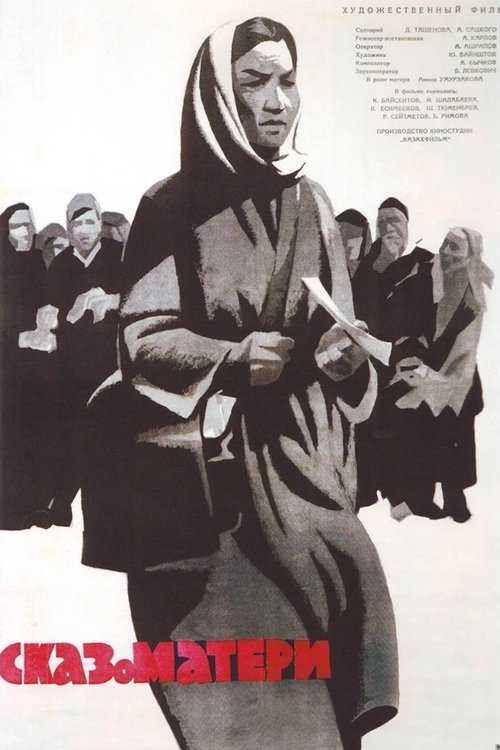
The events take place during the Great Patriotic War. The mother is illiterate, unable to read or write, but since the only way to stay informed is to wait for and read letters from the front, she begins to teach herself and eventually becomes a postwoman. More than once, she has to deliver tragic news to other families, and she takes upon herself the burden of compassion for the mothers, understanding their grief and trying to ease it.
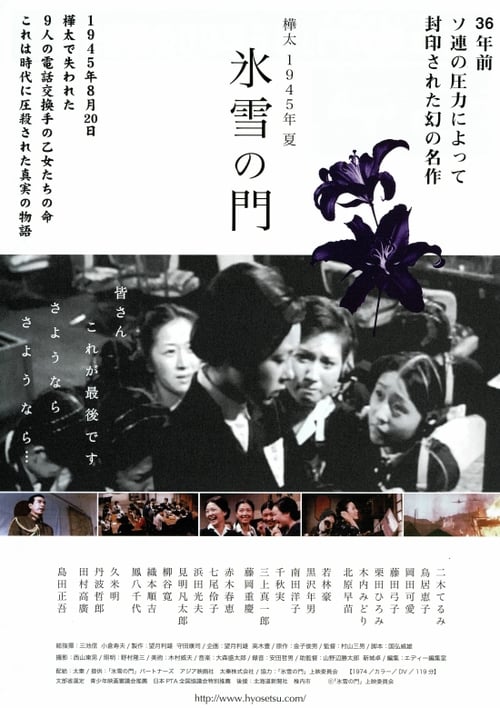
The film is set in Karafuto after the radio broadcast of the Imperial Rescript on the Termination of the War. On August 15, 1945, Soviet forces invaded Karafuto. On August 20, the postal telegraph office in Maoka suspended operations and nine of the twelve telephone operators committed suicide by taking potassium cyanide while the city was being invaded.
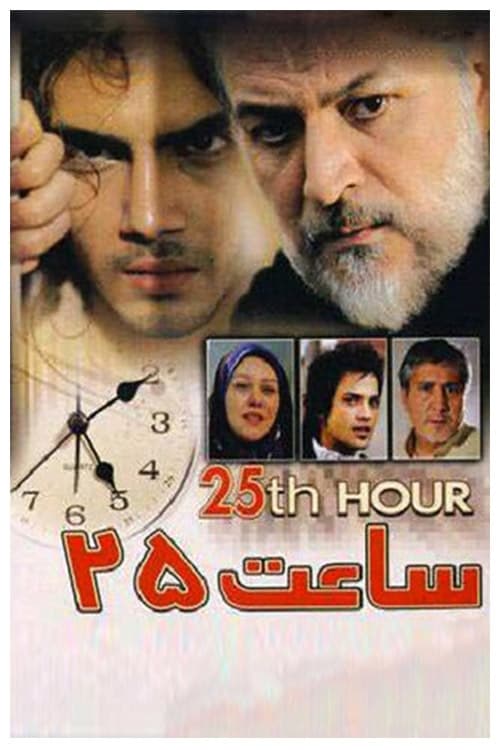
Taha (played by Amin Tarokh) returns to the country after many years of war and captivity in the war. But he realizes that everything has changed, even his family has changed, he does not know that there is a truth behind these bitter facts.
Michał is among the soldiers quartered in a village near Lublin. By accident, he goes to the palace and visits the magnificent building, where he meets a widow Maria. Meanwhile, local peasants do not want to wait for the start of land reform. They appoint their own committee and want to deal with the division of property themselves.
No description available.
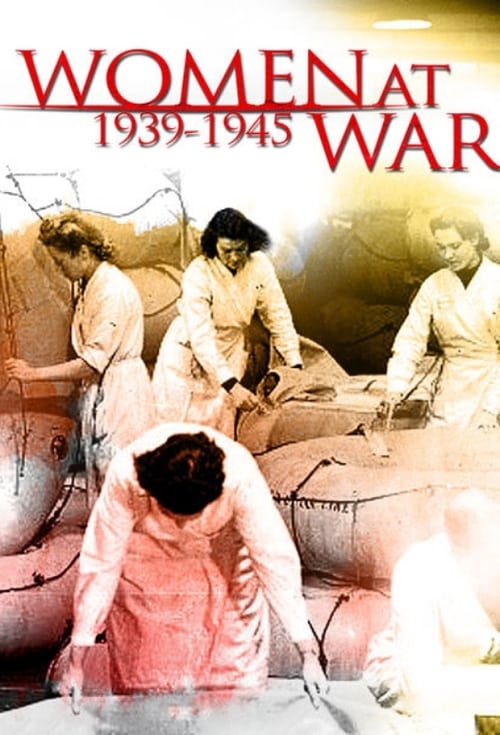
Mothers, nurses, soldiers and deportees - these women fought against persecution for freedom and survival amid the turbulence of World war II.
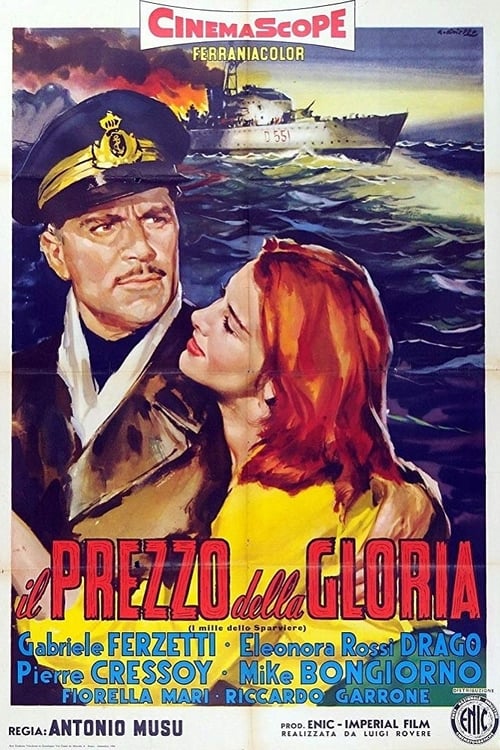
A destroyer departs from the port of Taranto with orders to take a load of petrol to Tobruk at all costs.