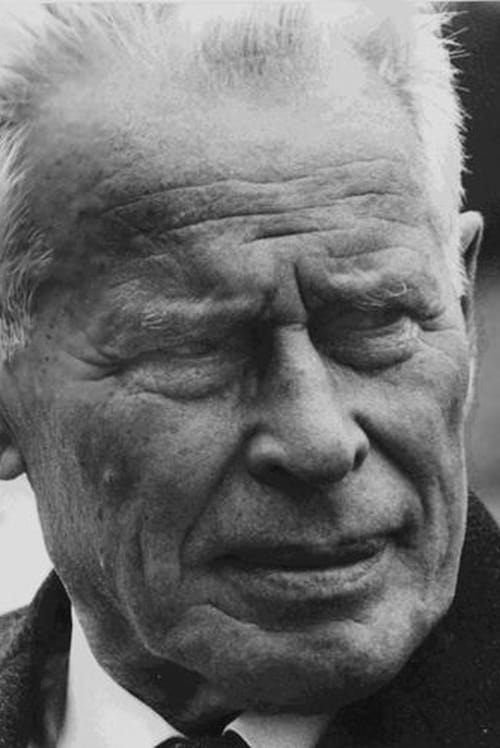
Aleksandr Medvedkin
Directing
Biography
Aleksandr Ivanovich Medvedkin was a Soviet Russian film director, best known for his 1935 film Happiness. His life and art are the subject of Chris Marker's documentary films, The Train Rolls On (1971) and The Last Bolshevik (1992). He travelled around Russia in his Kinopoezd, a film-train, in which he carried film equipment and shot movies in Kolkhozy, which he would then screen there.
Known For
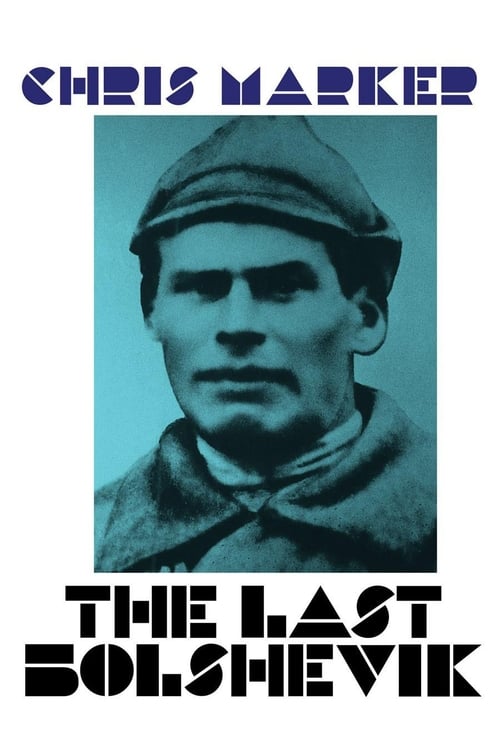
A documentary on Soviet filmmaker Aleksandr Medvedkin, examining his tumultuous career, the rediscovery of his masterpiece Happiness, and Russia's struggles over the course of the 20th Century.
The Last Bolshevik
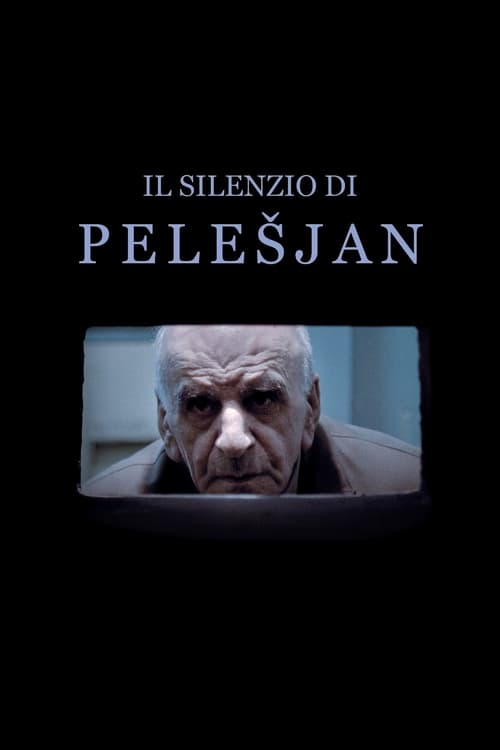
A documentary about the Armenian avant-garde filmmaker, Artavazd Pelešjan.
The Silence of Pelešjan

Satire directed at the American humanitarian initiative launched in Europe in 1948 and mostly known as the Marshall Plan. Soviet Union famously rejected the offer despite suffering from 1946-1947 major famine.
Ambulance
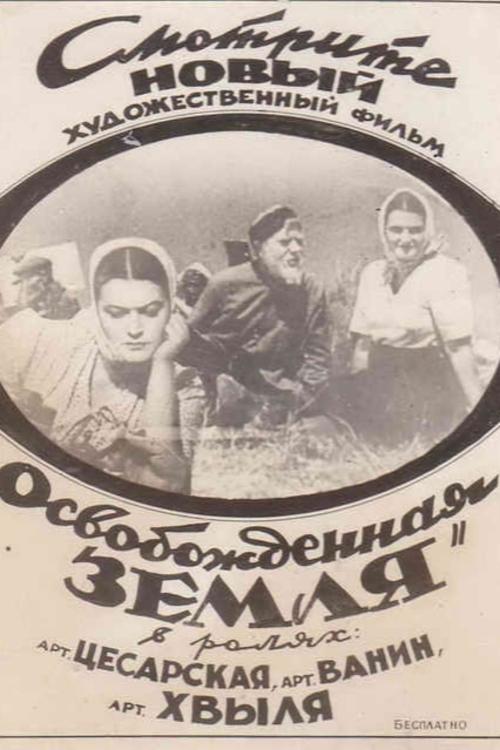
After the liberation of the Kuban by the Soviet Army troops, farmers return home and begin to restore the destroyed economy. Under the leadership of the young chairman, Nadiezdha Pritulyak, growers are working with great enthusiasm.
Liberated Earth
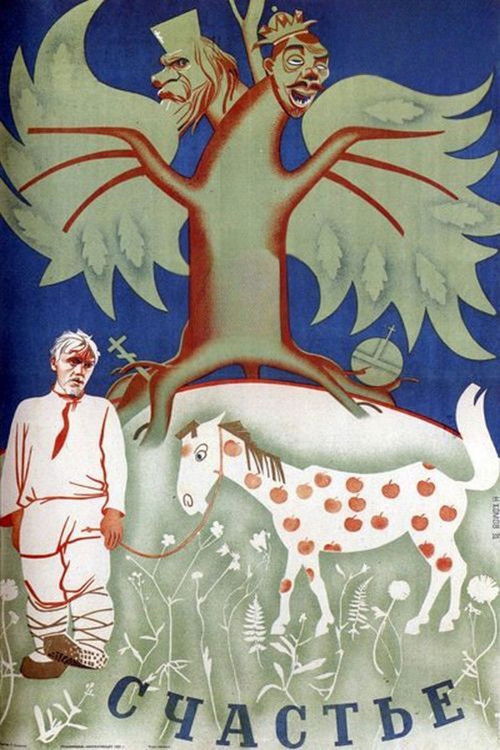
A hapless loser (with the surname of Loser) undergoes misadventures with avaracious clergy, a tired horse, and a walking granary (among other things) on his road to collectivized happiness.
Happiness
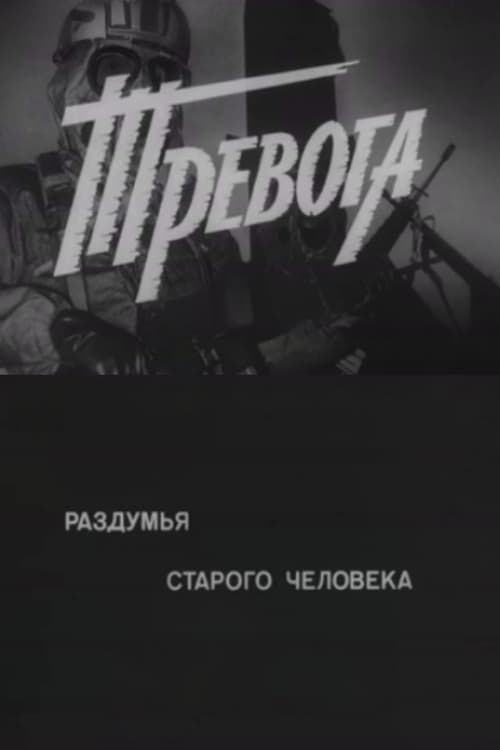
The director's reflections on the modern politics of the Reagan administration.
Anxiety. Thoughts of an Old Man

A comedy about a naive young architect and his wild designs for a “New Moscow.” The Soviet censors weren't at all amused and shelved it.
The New Moscow
A film about the development of virgin and fallow lands in Siberia, Kazakhstan, and the Volga region.
First Spring
Film by Aleksandr Medvekin to a metonymic Chinese friend, advocating against Mao and the Ussuri River Skirmish.
The Letter to a Chinese Friend

A comedy about Krushchev's 'Virgin Lands' project, to transform the barren and inhospitable spaces of the vast Soviet Union into fertile agricultural plains. A classically Socialist-Realist narrative of an individual's 're-education'. Zhenia, a hapless idler, arrives with a band of enthusiastic young Konsomol members to build a new town in the steppe. Although his dream, like that of all the young participants, is 'to become a tractor driver and a hero', he isn't prepared to work for the honour.
An Unquiet Spring
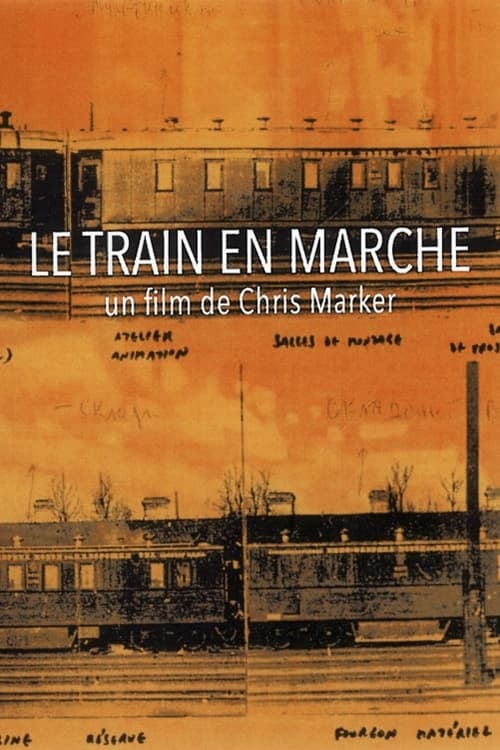
This half-hour documentary by Chris Marker explores Aleksandr Medvedkin’s 1930s “Cine-Train,” a mobile film studio equipped with cameras, editing rooms, animation stations, and a laboratory. Traveling across the Soviet countryside, the train’s crew documented agricultural and industrial life—from Ukrainian harvests to southern steelworks—while living and working in cramped shared quarters.
The Train Rolls On
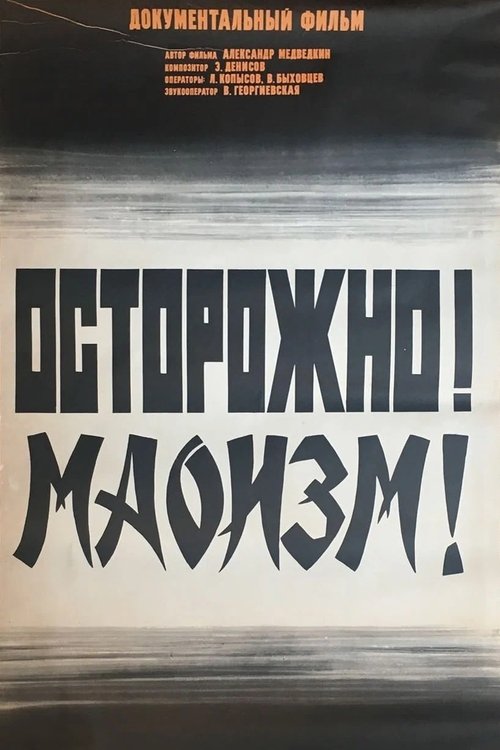
A full-length documentary film directed by Alexander Medvedkin tells about the nature of Maoism, the events in China in the 1960s and early 1970s
Caution! Maoism!
At the eve of the Second World War, one of the first color films, which has preserved for us the parade of athletes, which was held in 1939 on Red Square in Moscow.
Blossoming Youth
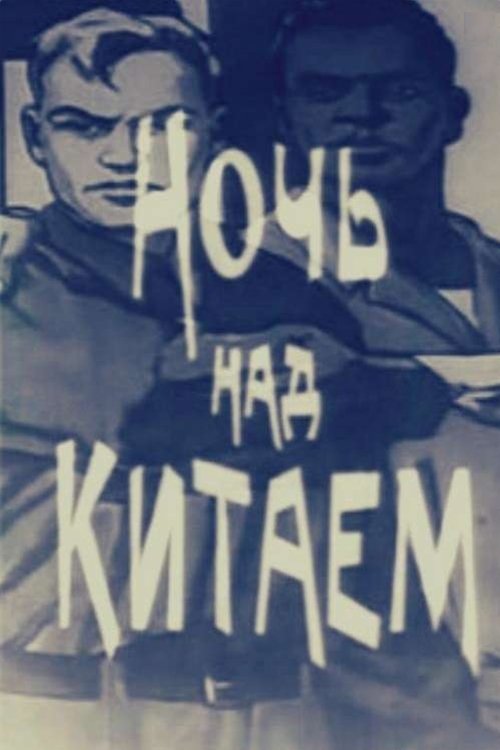
An extraordinary document from one of the Cold War's bitterest conflicts - between the Soviet Union and Communist China - this film spares no quarter in its indictment of Maoist evils and misrule.
Night over China

The first of what became a popular genre of wartime 'film-concerts', consisting of eight musical numbers, strung together by a loose plot. It shows soldiers leaving their village for the front; in their absence, the desolate but resolute young women of the village assume responsibility for the business of the farm
We Await Your Victorious Return
The only surviving film from the first trip of Aleksandr Medvedkin's Kinopoezd (film train). A 'film-newspaper' demonstrating one key aspect of the train's work: the desire to encourage shame. In it, poor workers are named and shamed outright and local leaders are filmed at a lengthy and ill-focused meeting, ignoring the urgent demands of the work that surround them.
Gazeta #4
Taking the viewer on a tour through several African nations and using the full range of agit-prop aesthetics in its imagery, didactic voice-over and melodramatic soundtrack, Law of Baseness offers a scathing anti-colonialist and anti-capitalist indictment of the Western world.
Law of Baseness
About the difficult political situation in the world related to the arms race.
Madness. Reflections on the Cost of Murder
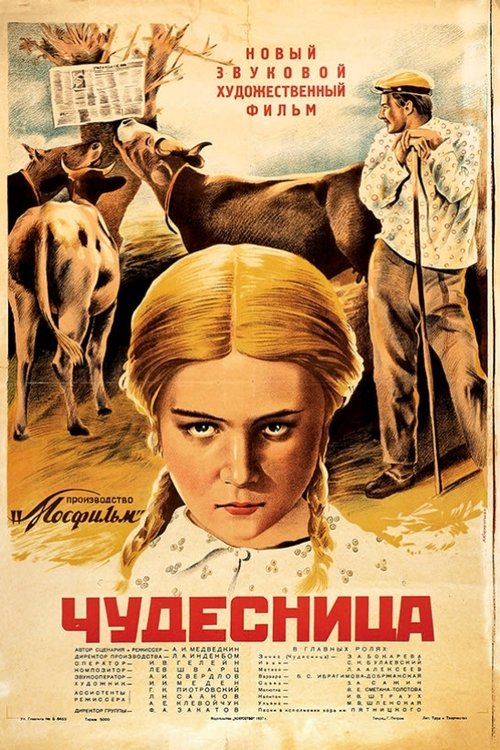
A competition between milkmaids turns into magic duel as one of them hires a witch to perform a milking ritual, while a young girl discovers a talent to communicate with cows. Only her dreams are miles away, as she's in love.
The Miracle Worker
A film report produced on Aleksandr Medvedkin's Kino-train, addressing the problems of living conditions in the October Mine in the Krivoi Rog region - a mine that, according to Medvedkin, was so improved by the experience of the kino-train that it subsequently became the most successful mine in the region.