Martin Arnold
Directing
Biography
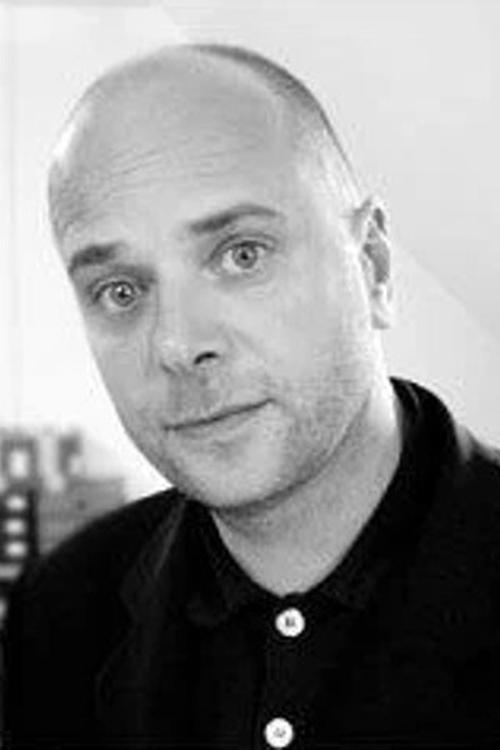
Martin Arnold (born 1959 in Vienna, Austria) is an experimental filmmaker known for his obsessive reworkings of found footage. He is also a founding member of the Austrian film distributor Sixpack Film. Arnold studied psychology and art history at the University of Vienna. He has taught filmmaking at the University of Wisconsin–Milwaukee, the San Francisco Art Institute, the Academy of Fine Arts in Frankfurt, the Kansas City Art Institute, Bard College, and at SUNY Binghamton. His films are distributed by Canyon Cinema in the United States and by Sixpack Film in Austria. Source Wiki
Known For

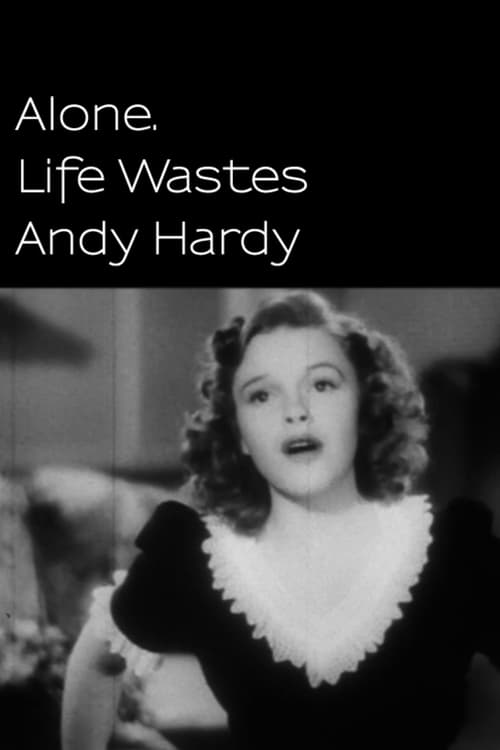
In a deconstruction of classic Hollywood codes, using repetitive single frame images, the re-editing of teenager movies produces an intense Oedipal drama.
Alone. Life Wastes Andy Hardy

"It had to be me."
Whistle Stop

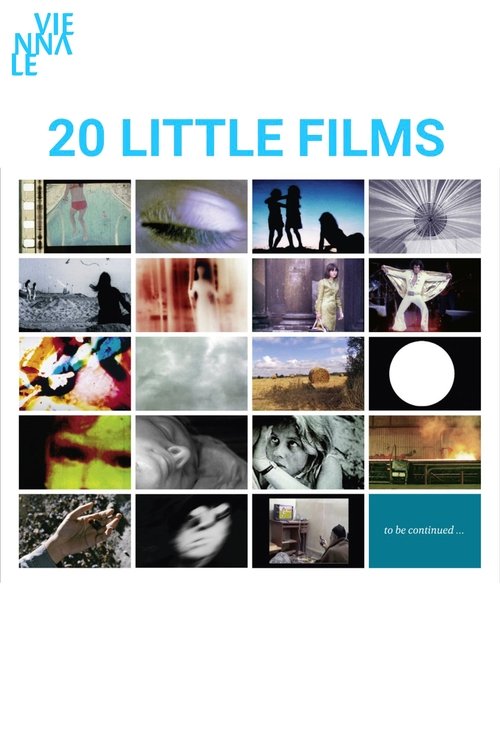
Since 1995, the Viennale has invited renowned directors to create short, one-minute films as personal contributions to the festival. Ranging from home movies to political essays, musical sketches to abstract studies, these “little films” form a unique anthology of cinematic moments. 20 Little Films collects a selection of these works, premiering together for the Viennale’s 50th anniversary at the Locarno Film Festival.
20 Little Films

An avant-garde sonic and visual reediting of a short clip from the classic 1962 film "To Kill a Mockingbird".
Passage à l'Acte

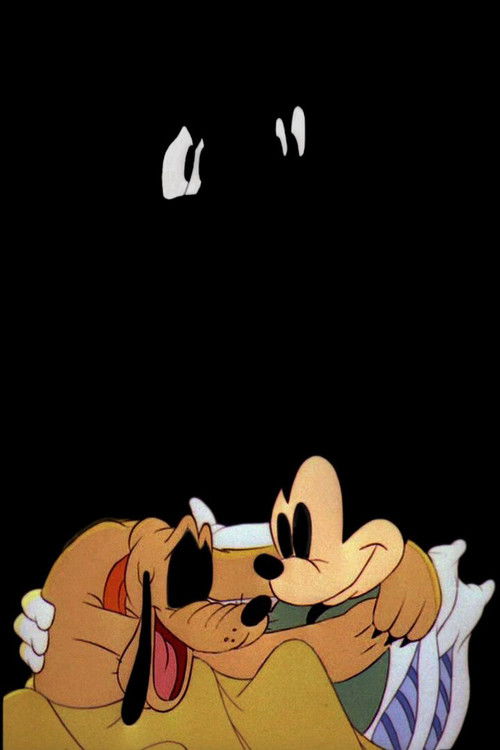
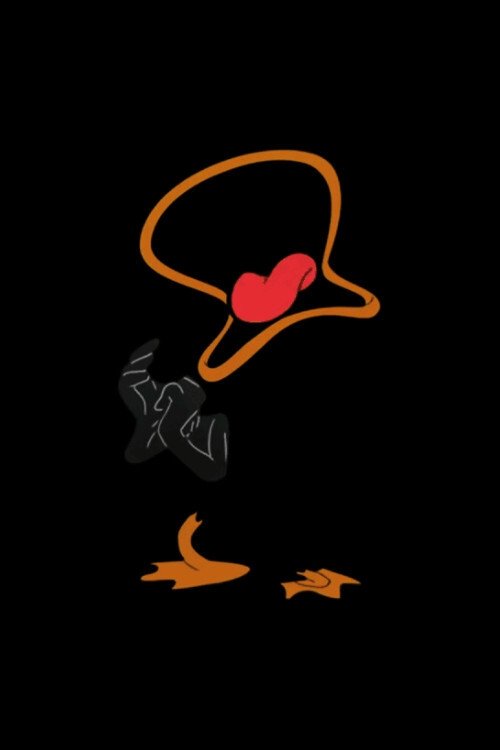
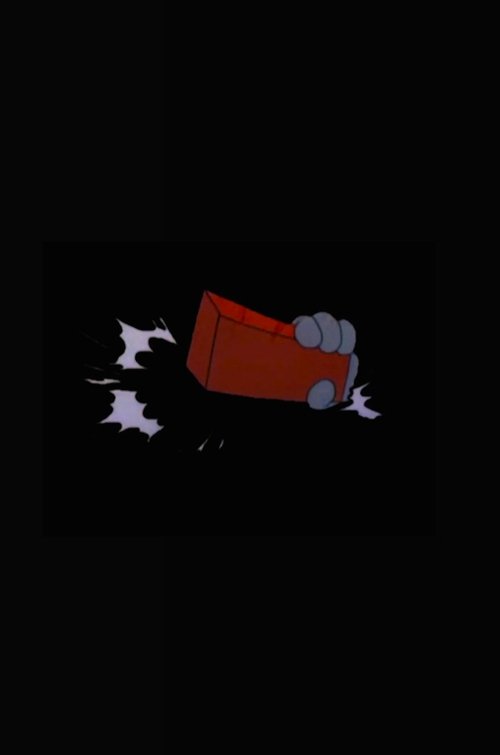
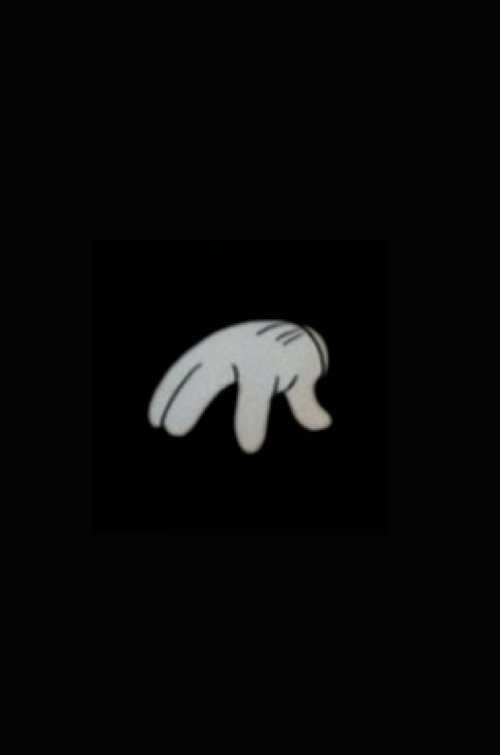
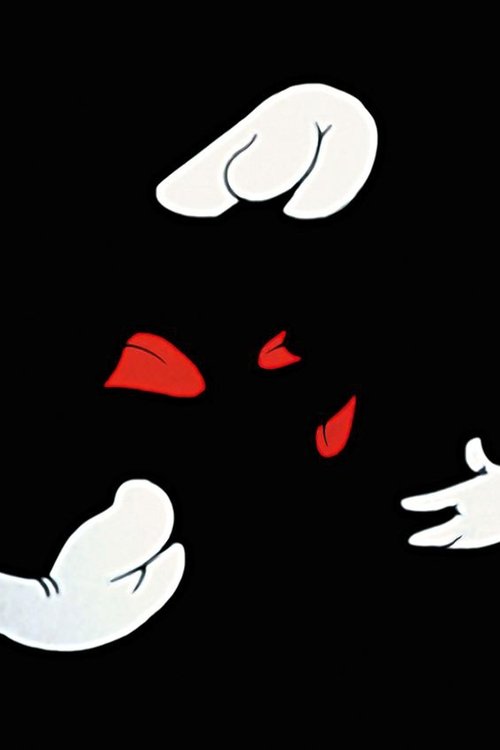
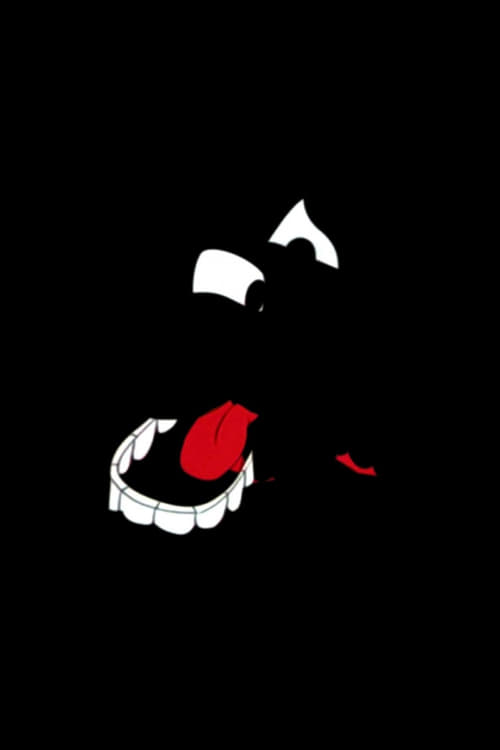
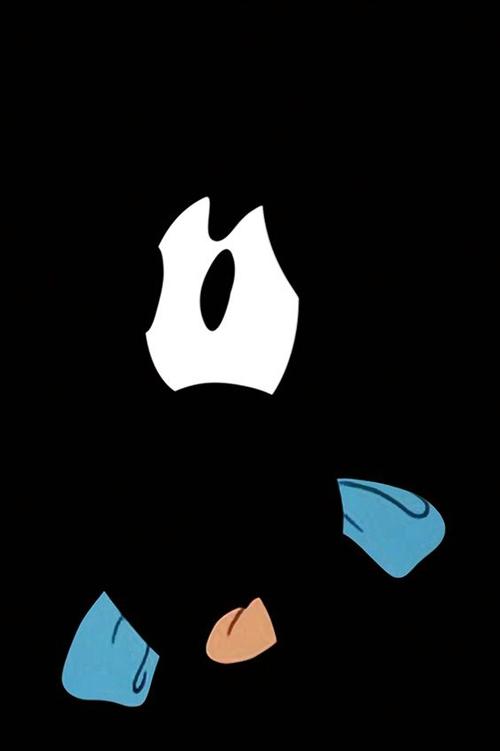
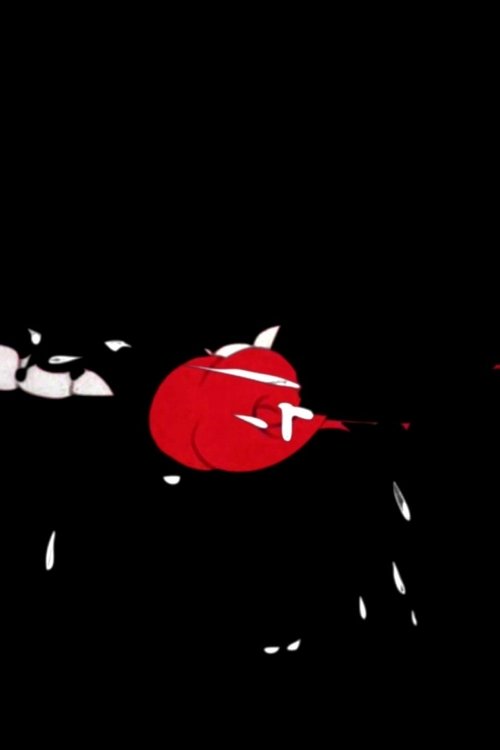
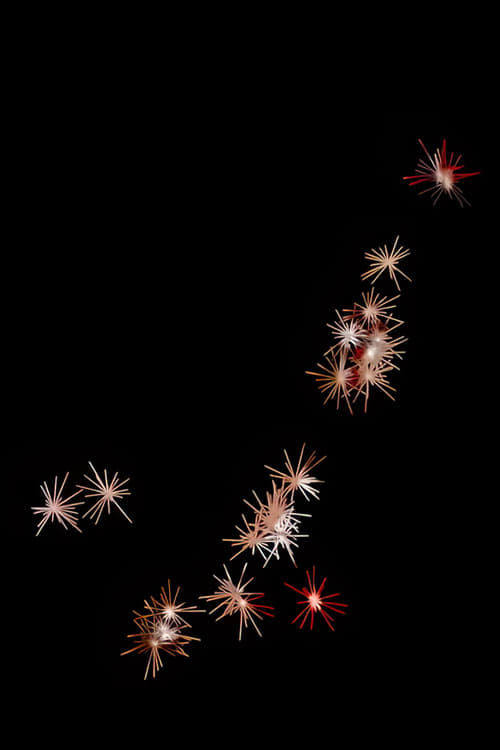
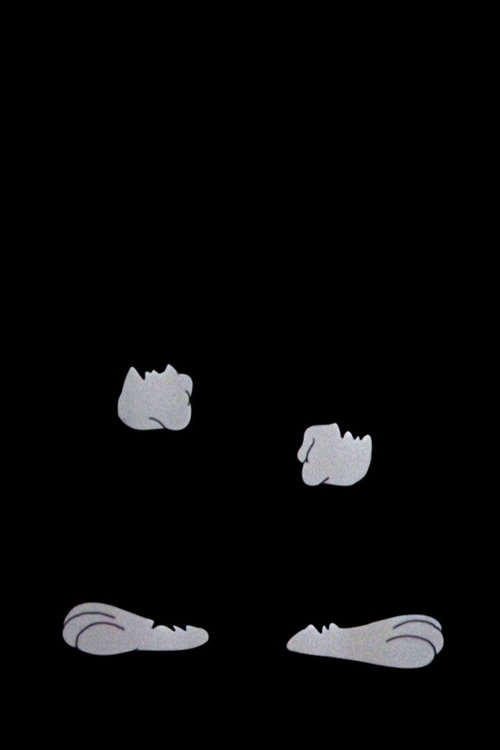
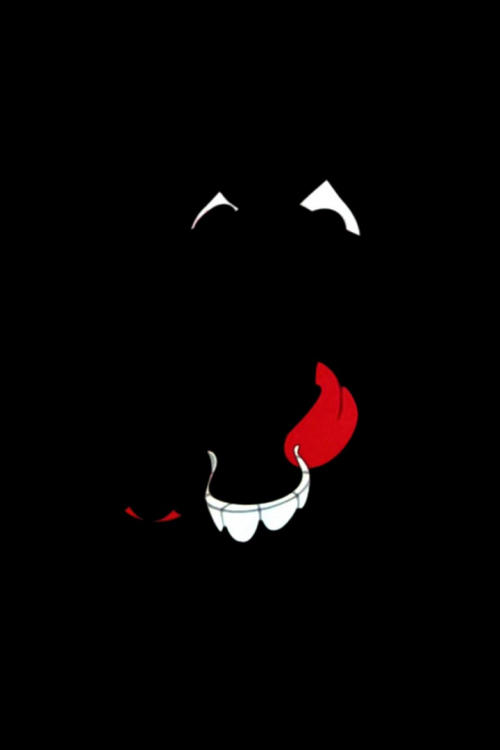
American cartoons are the starting point for Martin Arnold's new work. Sequences of short films form the basis of a process of fragmentation, deconstruction, dismantling and repetition. Arnold uses fun, family entertainment to create films with open-ended possibilities for association. His pieces, such as Hydra (2013), Charon (2013), Nix (2013) and Self Control (2011), feature characters whose anatomy is no longer recognizable as such, but rather resemble puppets, remotely controlled from the outside. Trembling hands, dancing tongues, blinking eyes and snoring mouths move like ghosts against an abyss-like deep black background, in which bodily elements constantly disappear, only to reappear once more.
Nix

In a later group of short film loops such as Soft Palate (2010) and Whistle Stop (2014),[5] Arnold seems to discover psychoanalytic underbellies in the most popular form of post-war family entertainment, animation, and its most iconic characters such as Mickey Mouse (using two of Mickey's shorts, one of them Mickey's Delayed Date), Tom And Jerry, Daffy Duck (Draftee Daffy) and Goofy (How To Play Golf).
Full Rehearsal

American cartoons are the starting point for Martin Arnold's new work. Sequences of short films form the basis of a process of fragmentation, deconstruction, dismantling and repetition. Arnold uses fun, family entertainment to create films with open-ended possibilities for association. His pieces, such as Hydra (2013), Charon (2013), Nix (2013) and Self Control (2011), feature characters whose anatomy is no longer recognizable as such, but rather resemble puppets, remotely controlled from the outside. Trembling hands, dancing tongues, blinking eyes and snoring mouths move like ghosts against an abyss-like deep black background, in which bodily elements constantly disappear, only to reappear once more.
Hydra
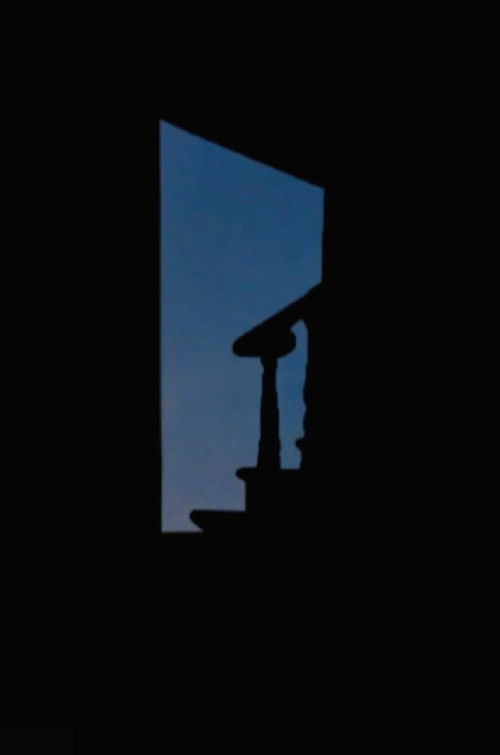
This piece was designed as an installation piece for projection as a 60-minute loop in gallery spaces. Deanimated is literally displaced from the theater environment typical of film spectatorship, slightly blurring the boundaries between the spaces of projection and reception. "Deanimated: The Invisible Ghost," is based on the 1941 horror film "The Invisible Ghost" with the lead actors Bela Lugosi, Polly Ann Young, and John McGuire. In "Deanimated" the actors are gradually eliminated and thus the narrative loses its coherence. What remains are backgrounds, erratic camera movements that seem to move without focus throughout the room, capturing ghostly changes in light and shadows. In this project, Arnold asks fundamental philosophical questions about human existence and presence in absence. Although the actors are missing, they leave behind traces (such as smashing bullets together, dust stirring up …) and are experienced precisely in their absence as a ghostly, unreal present.
Deanimated: The Invisible Ghost

color, sound, 3:00 loop, 2016
Elsewhere

color, silent, 2:50 loop
Background Check

American cartoons are the starting point for Martin Arnold's new work. Sequences of short films form the basis of a process of fragmentation, deconstruction, dismantling and repetition. Arnold uses fun, family entertainment to create films with open-ended possibilities for association. His pieces, such as Hydra (2013), Charon (2013), Nix (2013) and Self Control (2011), feature characters whose anatomy is no longer recognizable as such, but rather resemble puppets, remotely controlled from the outside. Trembling hands, dancing tongues, blinking eyes and snoring mouths move like ghosts against an abyss-like deep black background, in which bodily elements constantly disappear, only to reappear once more.
Charon

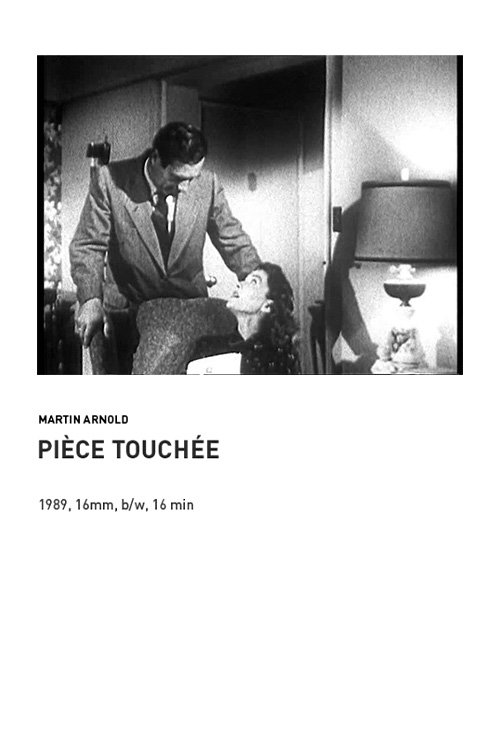
Arnold's source material is a piece of footage from the 1950s, eighteen seconds long and very typical for the period. A quiet take: A living room, a woman in an armchair. Her husband opens the door, kisses her, then moves out of the picture accompanied by a camera pan, his wife follows after him. In Arnold's film the sequence takes 16 minutes. Cadre by cadre, it becomes an exciting tango of movements. But Pièce Touchée is more than just a matter of forms; The reflections, distortions and delays it displays challenge cinema's stable system of space and time.
Pièce touchée

In a later group of short film loops such as Soft Palate (2010) and Whistle Stop (2014), Arnold seems to discover psychoanalytic underbellies in the most popular form of post-war family entertainment, animation, and its most iconic characters such as Mickey Mouse (using two of Mickey's shorts, one of them Mickey's Delayed Date), Tom And Jerry, Daffy Duck (Draftee Daffy) and Goofy (How To Play Golf).
Shadow Cuts
A short segment of film is played with musical backing at various speeds for a jarring effect.
Kunstraum Remise
Found footage sequences from various obscure campy Austrian films assembled together with a very dark disturbing soundtrack.
Don't - Der Österreichfilm

The term “blackout” originally comes from the theater world and refers to an abrupt switching off of the spotlights, which was either used as a dramaturgical effect to emphasize a punchline or simply helped when arranging a scene or changing the scenery. It’s no surprise that it was later adapted for the spaces of the so-called “Lichtspiele” (in German, a synonym for movie theatre). What does it mean when the background is no longer visible? What does a background erasure mean compared to a free-form select of the foreground? And is there a complete erasure of the background at all, or are traces always left behind that can at least be guessed at? – M.A.
Blackout

Parts of a comic strip are animated.
Self Control

Parts of Mickey Mouse floating in a Haunted House
Haunted House

cel animation, repetition, and disappearance... color, sound, 5:20 loop, 2015
Black Holes

color, sound, 2:14 loop, 2020