
Dennis O'Rourke
Directing
Biography
Australian-born director Dennis O'Rourke is an award-winning documentary filmmaker. While living in Papua New Guinea, he completed the critically-acclaimed feature Yumi Yet - Independence for Papua New Guinea. O-Rourke died in 2013.
Known For
The documentary is a sort of self-portrait of O'Rourke in which he discusses 8 of his documentary films. Footage from these is interspersed with O'Rourke directly addressing the camera.
Dennis O'Rourke on Dennis O'Rourke

"First Contact" is a 1983 documentary by Bob Connolly and Robin Anderson which recounts the discovery of a flourishing native population in the interior highlands of New Guinea in 1930 in what had been thought to be an uninhabited area. It is based on the book of the same name by the same authors. Inhabitants of the region and surviving members of the Leahy brothers' gold prospecting party recount their astonishment at this unforeseen meeting. The film includes still photographs taken by a member of the expedition and contemporary footage of the island's terrain. It was nominated for an Academy Award for Best Documentary Feature.
First Contact

Cunnamulla, 800 kilometres west of Brisbane, is the end of the railway line. In the months leading up to a scorching Christmas in the bush, there's a lot more going on than the annual lizard race. Here, Aboriginal and white Australians live together but apart. Creativity struggles against indifference, eccentricity against conformity.
Cunnamulla
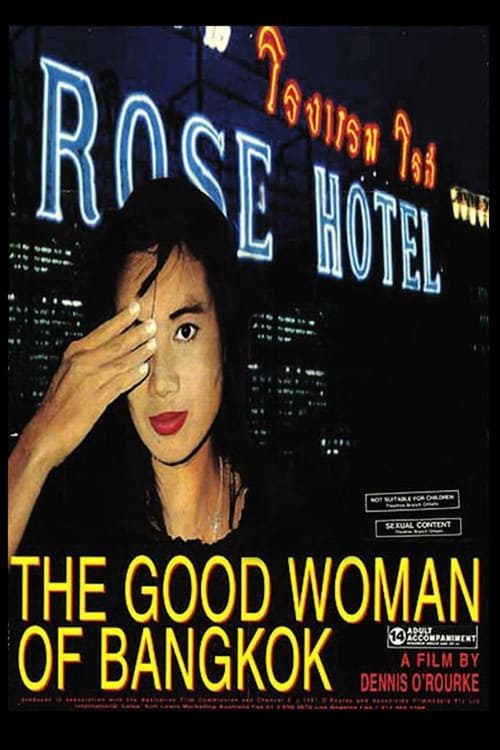
Film maker Dennis O'Rourke documents the day to day life of Aoi, a Thai prostitute through interviews with her and her family as well as taking us through some of the tourist frequented bars and night clubs.
The Good Woman of Bangkok
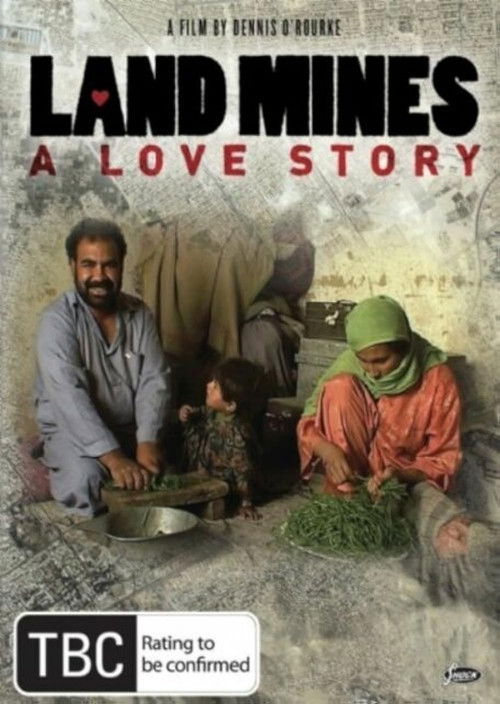
Habiba and Shah who, because of the wars fought in Afghanistan over the past 25 years, have experienced immense suffering, but who have survived to show how it is possible to be brave and moral in this world of sanctioned violence and lies. Shah, a former Mujaheddin soldier and land mine victim, works as a cobbler on the pavements of the ruined city of Kabul. One day, he noticed a pretty Tajik girl who had only one leg, and he began to court her. Amidst the chaos and violence, and despite all the obstacles of tradition and religion, Shah and Habiba were able to marry.
Land Mines: A Love Story
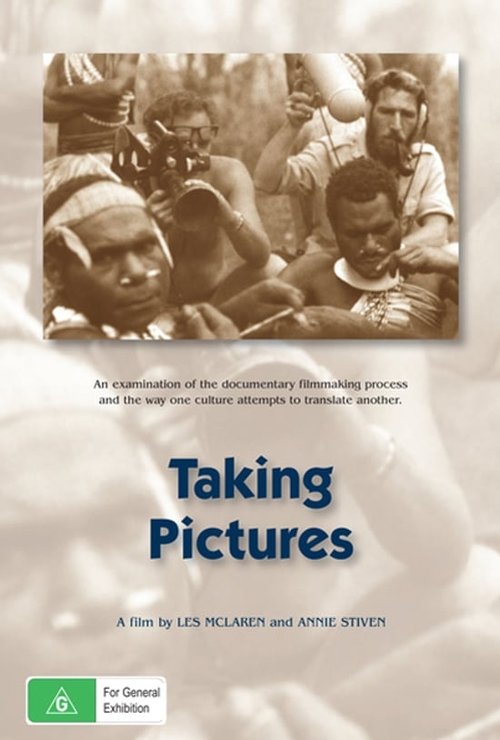
Before the 1970s, the Commonwealth Film Unit represented the people of PNG in a paternalistic way, as curiosities. The unit used pompous voice-overs telling viewers what they should believe. Les McLaren and Annie Stiven are two of a group of Australian filmmakers who have lived and worked in PNG during the past 25 years and who see their roles rather differently. Through their films, they have endeavoured to reflect Papua New Guineans' complexity of thought, language and culture, using a wide variety of filmic styles and techniques. The film features interviews with a variety of Australian filmmakers who have worked extensively in PNG, including Bob Connolly and Robin Anderson, Chris Owen, Dennis O'Rourke and Gary Kildea. This documentary is a fascinating tracing of PNG culture and history from the 1930s until today.
Taking Pictures
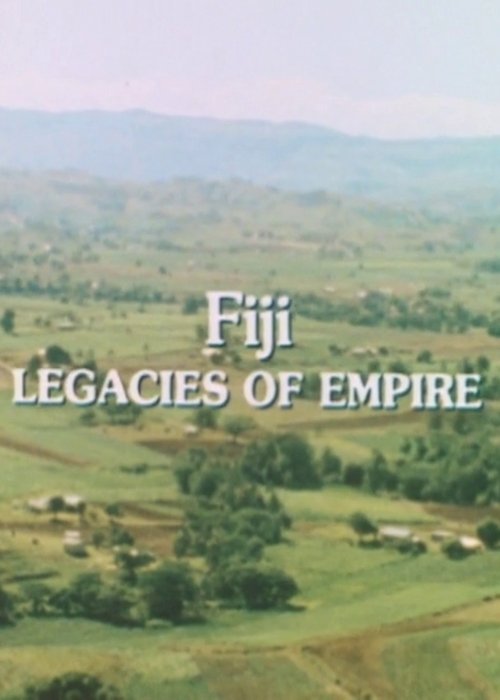
People whose family originated in India comprise just over half of Fiji’s population. Indians came to Fiji in colonial times under an indentured labour system to work in the sugar cane fields. Some indigenous Fijians wish to repossess the land now worked by the Indians and this results in Indians feeling insecure about their livelihood. The film looks at the life of Bechu Prasad, an old Indian man, who has lived in Fiji all his life in a large extended family of which he is now head. We watch him at work on his self-owned sugar cane farm and in his position as well-respected community leader who gets on well with both Indian and indigenous Fijians.
The Human Face of the Pacific: Fiji. Legacies of Empire
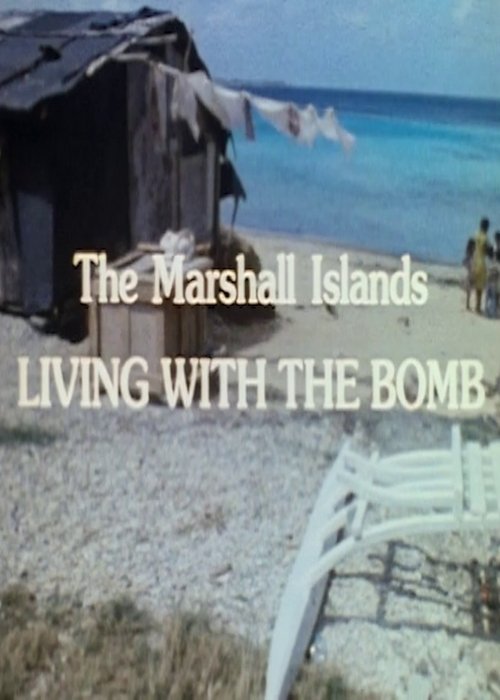
The people of the Bikini Atoll were removed from their homelands as a result of American testing of nuclear bombs in the Pacific. They now live on another island, dependent on American food and support. They can never go back to Bikini Atoll because it is poisoned beyond the possibility of habitation. This film is a poignant, impressive study of a people whose culture has been vanquished.
The Human Face of the Pacific: The Marshall Islands. Living with the Bomb
A companion to Yumi yet, O’Rourke and Kildea’s Ileksen (derived from the English 'election’) documents Papua New Guinea’s first general election in 1977. The film records a broad cross-section of candidates who, without an extended media network at their disposal, rely on relentless campaigning, ingenuity and personal charisma to attract votes. Emphasising the divide between coastal people and highlanders, Ileksen looks at the election campaign, election day and the political manouvering that goes with the formation of a government.
Ileksen: Politics in Papua New Guinea

ANGELS OF WAR captures the experiences of villagers who lived through the Papua New Guinea campaign. Caught up in a war they could not understand or influence, they had no choice but to obey whoever held the gun. Their homes were bombed. They starved as refugees in the bush. They were conscripted as carriers. They fought as infantrymen and guerillas. In Japanese-held areas, they were forced to collaborate or risk execution; some were later hanged for treason by the Australians.
Angels of War
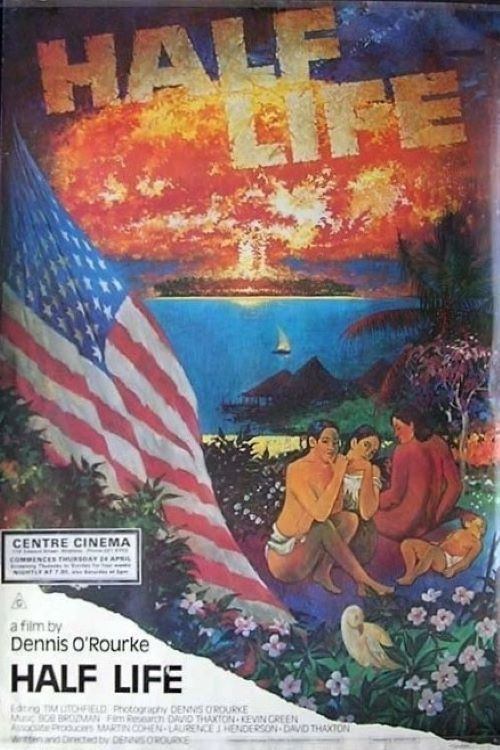
Dennis O’Rourke’s documentary investigates the 1954 Castle Bravo hydrogen bomb test in the Marshall Islands and its long-term consequences. Combining declassified U.S. military footage, archival material, and interviews with Marshallese islanders and American servicemen, the film recounts how radioactive fallout affected residents of Rongelap and Utirik Atolls and explores the political and scientific context of Cold War nuclear testing.
Half Life

The film follows a number of European and American ecotourists as they travel from village to village throughout the Sepik River area in Papua New Guinea, driving hard bargains for local handcrafted items, paying to view formerly sacred ceremonies and taking photographs of every aspect of "primitive" life. With some prodding, the tourists unwittingly reveal an unattractive and pervasive ethnocentrism to O'Rourke's cameras. The tourists thus become somewhat dehumanized by the camera, even as the tourists themselves are busy exoticizing even the most mundane aspects of Sepik River life.
Cannibal Tours
Documents Independence Day of Papua New Guinea on September 16, 1975, comparing the pageantry of local celebrations with the official ceremony in the capital. Also provides historical background about the area's 19th-century colonization by Holland, Germany, and Great Britain.
Yumi Yet
Reveals how Australia's first people are still suffering from social oppression, with many living on reservations where alcoholism is rampant and unemployment the major occupation. Aboriginal land rights are a central theme: Miller clearly demonstrates the contrast between the attitudes of European Australians, who see the land only as a resource to be mined, farmed, grazed and built upon, and Aboriginal Australians, who regard the land as sacred. Archival footage compares the original lifestyle of Aboriginal Australians to their current pitiful condition, and shows how European settlers attempted to "civilise" mixed blood children by taking them away from their parents and enrolling them in boarding schools.
Couldn't Be Fairer

Believing that the spirits of their ancestors dwell in the mako shark, shark callers are not only hunting but also maintaining a connection with their past.
The Sharkcallers of Kontu

Examining the change of culture in the small island after American television began being broadcast.