FEEL IT.STREAM
Germaine Dulac

Germaine Dulac

Directing

Biography

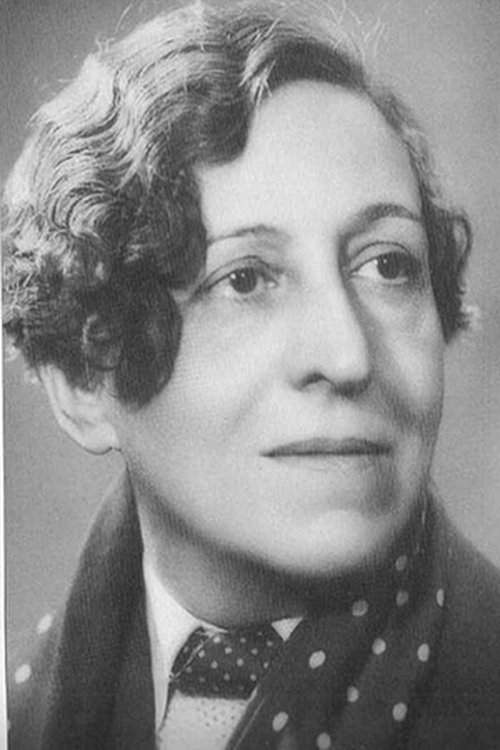
Germaine Dulac; born Charlotte Elisabeth Germaine Saisset-Schneider; was a French filmmaker, film theorist, journalist and critic. She was born in Amiens and moved to Paris in early childhood. A few years after her marriage she embarked on a journalistic career in a feminist magazine, and later became interested in film. Germaine Dulac was born into an upper-middle-class family of a career military officer. Since her father's job required the family to frequently move between small garrison towns, Germaine was sent to live with her grandmother in Paris. She soon became interested in art and studied music, painting, and theater. Following the death of her parents, Dulac moved to Paris and combined her growing interests in socialism and feminism with a career in journalism. In 1905 she married Louis-Albert Dulac, an agricultural engineer who also came from an upper-class family. Four years later she began writing for La Française, a feminist magazine edited by Jane Misme where she eventually became the drama critic. Dulac also found time to work on the editorial staff of La Fronde, a radical feminist journal of the time. She also began to pursue her interest in still photography, which preceded her initial entry into filmmaking. With the help of her husband and friend she founded a film company and directed a few commercial works before slowly moving into Impressionist and Surrealist territory. She is best known today for her Impressionist film, La Souriante Madame Beudet ("The Smiling Madam Beudet", 1922/23), and her Surrealist experiment, La Coquille et le Clergyman ("The Seashell and the Clergyman", 1928). Her career as filmmaker suffered after the introduction of sound film and she spent the last decade of her life working on newsreels for Pathé and Gaumont. Dulac and her husband divorced in 1920. Following her long and influential cinema career, Dulac became the president of the Fédération des ciné-clubs, a group which promoted and presented the work of new young filmmakers, such as Joris Ivens and Jean Vigo. Dulac also taught film courses at the École Technique de Photographie et de Cinématographie on the rue de Vaugirard. Following her death in 1942, Charles Ford called attention to the difficulty the French Press had with printing her obituary: "Bothered by Dulac’s non-conformist ideas, disturbed by her impure origins, the censors had refused the article which, only after vigorous protest by the editor-in-chief of the magazine, appeared three weeks late. Even dead, Germaine Dulac still seemed dangerous..."
Known For

No image
9.0

Produced for television by Claude-Jean Philippe, the « Encyclopédie audiovisuelle du cinéma », recounts the history of French cinema from its birth to the beginning of the 1960s. With commentary read by Jean Rochefort.

Encyclopédie audiovisuelle du cinéma

1978
The Cigarette
6.8

A Parisian museum director believes his wife is cheating on him and so places a poisoned cigarette in the box on his desk, thus allowing chance to decide the moment of his death.

The Cigarette

1919
Cinema of the avant-garde 1923 - 1930
N/A

Thematic anthology of : Le retour a la Maison (1923) by Man Ray; Emak-Bakia (1926) by Man Ray; L'Etoile de Mer (1928) by Man Ray; Les Mysteres Du Chateau de Dé (1929) by Man Ray; Rhythmus 21 (1921) by Hans Richter; Vormittagsspuk (1928) by Hans Richter; Anemic Cinema (1926) by Marcel Duchamp; Ballet Mecanique (1924) by Fernand Léger; Le Tempestaire (1947) by Jean Epstein; Romance Sentimentale (1930) by Grigori Aleksandrov and Sergei M. Eisenstein; La Coquille et le Clergyman (1928) by Germaine Dulac; Regen (Rain) (1929) by Joris Ivens and Mannus Franken

Cinema of the avant-garde 1923 - 1930

2010
The Seashell and the Clergyman
6.7

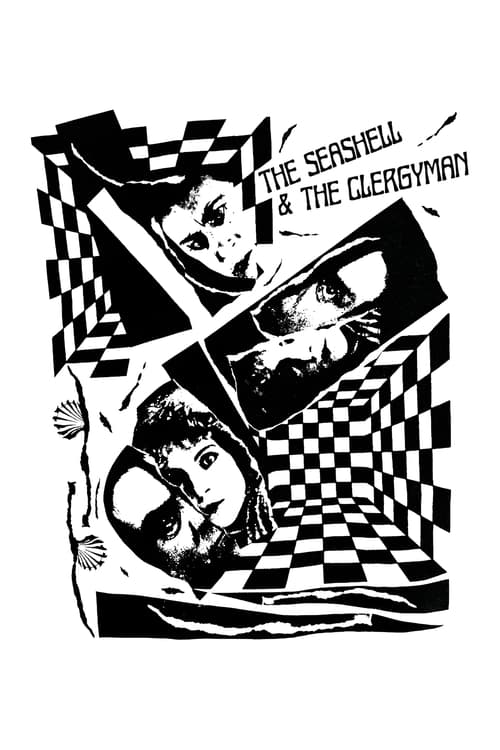
Obsessed with a general's wife, a clergyman has strange visions of death and lust, struggling against his own eroticism.

The Seashell and the Clergyman

1928
No image
7.0

A symbolist portrait of two gypsies in love, this captivating film finds Dulac deconstructing onscreen gender roles and striving to achieve her idea of cinema as a “visual symphony,” emphasizing rhythmic editing over acting to achieve a “cinema of suggestion.”

The Madness of the Valiants

1926
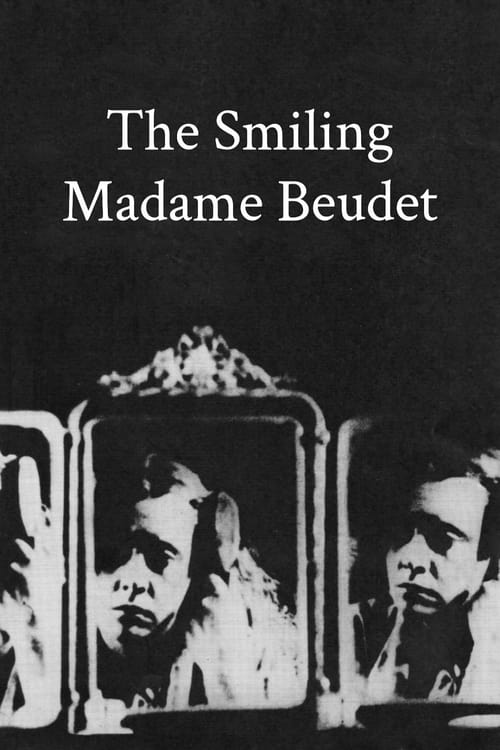
The Smiling Madame Beudet
5.9

An unhappily married woman devises a scheme to get rid of her husband.

The Smiling Madame Beudet

1923
Ce qu'il a dit, ce qu'il a fait
N/A

The device is simple and impactful: It opposes excerpts from Adolf Hitler's public speeches to images that show the reality contradicting his words. There is no narration, no verbal analysis, no contextual explanation. Just a montage.

Ce qu'il a dit, ce qu'il a fait

1939
The Bread Peddler
7.5

The Bread Peddler is a 1923 French silent drama film directed by René Le Somptier and starring Suzanne Desprès, Gabriel Signoret and Geneviève Félix. It is based on Xavier de Montépin's novel of the same title.

The Bread Peddler

1923
No image
10.0

A picador, an already mature man, keeps secret his love for the young orphan he raised. But she falls in love with a young picador...

The Picador

1932
Those Who Worry
6.5

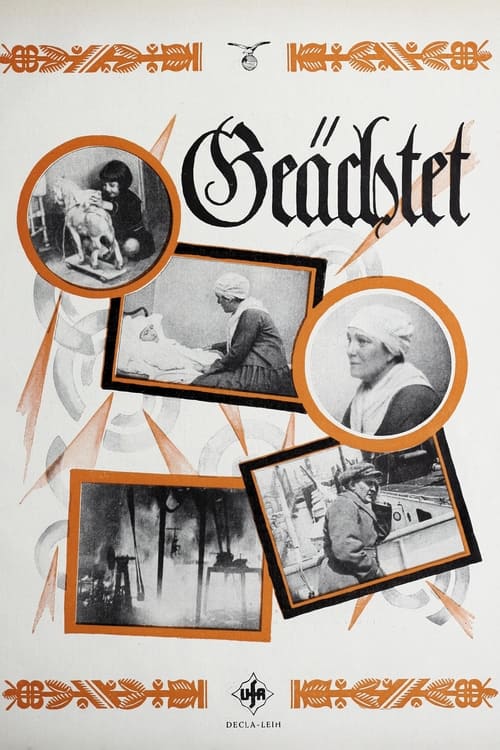
A destitute, drunk woman appears to yearn for the life of a streetwalker.

Those Who Worry

1930
The Devil in the City
6.0

The story is about a superstitious village, where the mayor has sold a tower to an unknown, who is soon suspected of being the devil.

The Devil in the City

1925
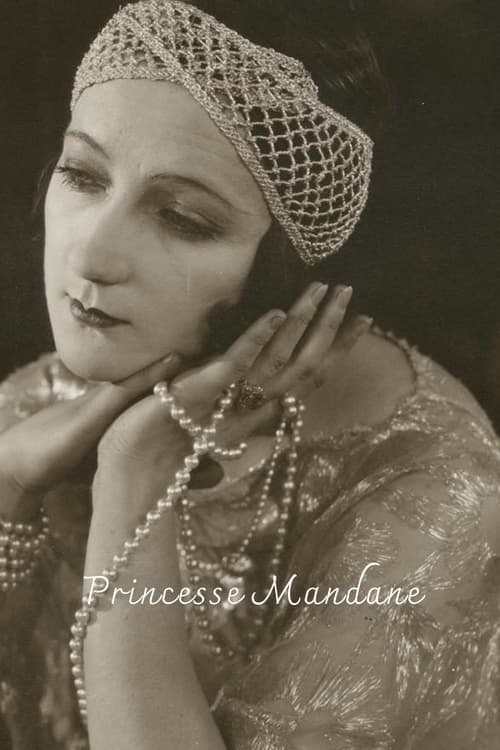
Princesse Mandane
7.0

Brazen embrace of fashionable costume and glamour creates a witty celebration of Orientalism and cinema itself.

Princesse Mandane

1928
Âmes de fous
9.0

A serial in six episodes: 1) La seconde Marquise de Sombreuse; 2) Le Chateau maudit; 3) Folle; 4) L'Exilee; 5) La Danseuse inconnue; 6) Hallucination et realite. Set in modern day France in a chateau thought to be haunted since the Revolution, a Marquis and his daughter Irene (granddaughter of Marie Antoinette's lady companion) are preyed upon by Latin seductress, Lola, and her brother, Pedro. (Summary by Tami Williams, from the 2018 Il Cinema Ritrovato film program)

Âmes de fous

1918
No image
7.0

No description available.

La jeune fille la plus méritante de France

1918
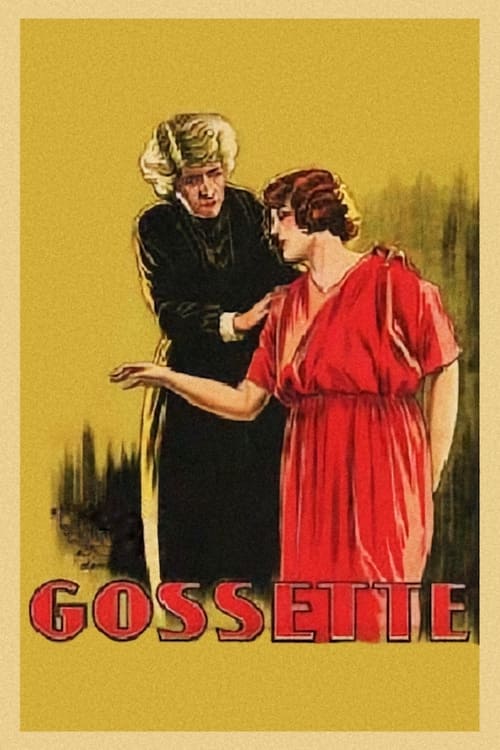
Gossette
6.0

In Gossette (1923), Dulac experimented with and designed a number of special lenses and prisms to produce a variety of effects and multiply the expressive means which translate the characters' visions and mental states. She also reversed class and gender roles, as she made the female character Gossette come to the aid of Phillipe de Savières, falsely accused of murder, in order to save his name.

Gossette

1923
Danses espagnoles
6.0

Carmencita Garcia, a Spanish flamenco dancer, performs two dances.

Danses espagnoles

1928
Arabesque
6.5

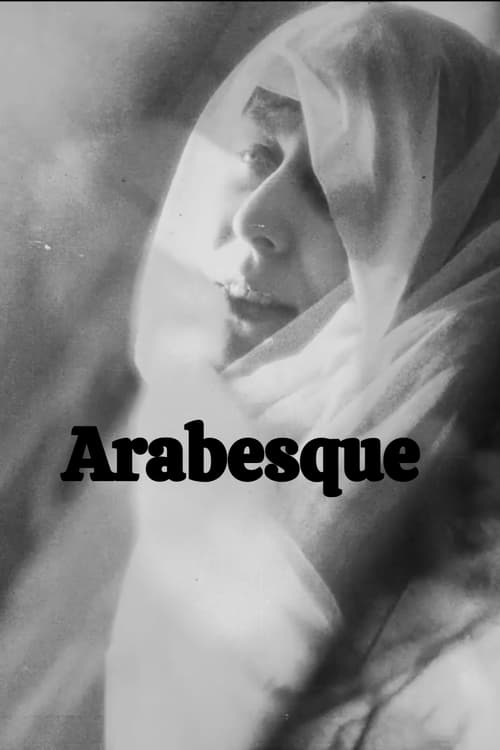
The film’s visual structure is principally composed of variations on the arabesque: arcs of light, water spouts, spider webs, burgeoning trees, flowers and foliage, a woman’s smile, arms stretching, an arm giving rhythm to a rocking chair. It uses natural elements (light, mirrors, water, and wind) and photographic techniques (multiple exposures and lenses) to distort the various elements, or to intensify their design.

Arabesque

1929
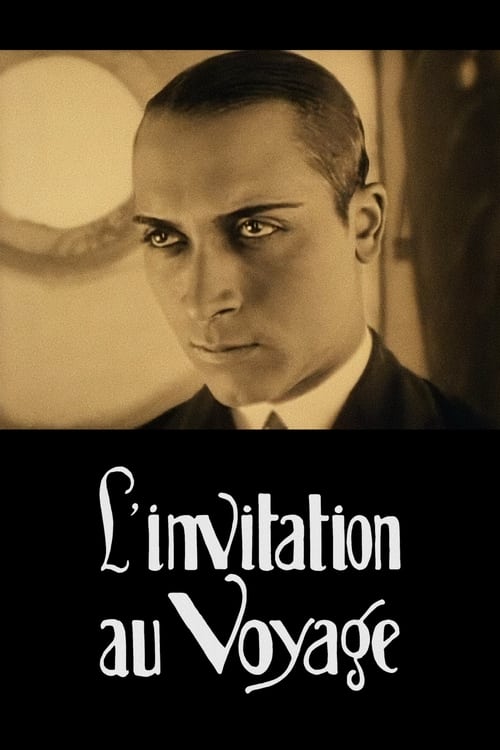
Invitation to a Journey
7.0

A woman enters a nightclub and slowly begins to open herself up.

Invitation to a Journey

1927
Antoinette Sabrier
10.0

Adapted from a play by Romain Coolus, whose work Dulac had covered as a theater critic at the turn of the century, this atmospheric and socially inquisitive film tells the tale of an independent, sexually liberated woman (Eve Francis) who is torn between her husband (Gabriel Gabrio) and her lover (Paul Guide). Controversial at the time of its release, Antoinette Sabrier finds Dulac using her bold sense of visual rhythm to achieve a complex portrait of a woman trapped in an unhappy marriage and a nuanced investigation into human intimacy, with her characters’ emotions expressed through then-innovative cinematic techniques such as slow motion and associative montage.

Antoinette Sabrier

1927
Themes and Variations
6.2

I evoke a dancing woman. A woman? No. A bouncing line with harmonious rhythm. I evoke a luminous projection on veils ! Precise matter! No. Fluid rhythms. Why should one disregard, on screen, the pleasure that movement brings us in the theatre? Harmony of lines. Harmony of light. Lines, surfaces, volumes evolving directly, without the artifice of evocation, in the logic of its forms, dispossessed of any overly human sense, allowing an elevation towards the abstract, thus giving more space to sensations and to dreams : integral cinema. —Germaine Dulac

Themes and Variations

1928