Khan Ataur Rahman
Acting
Biography
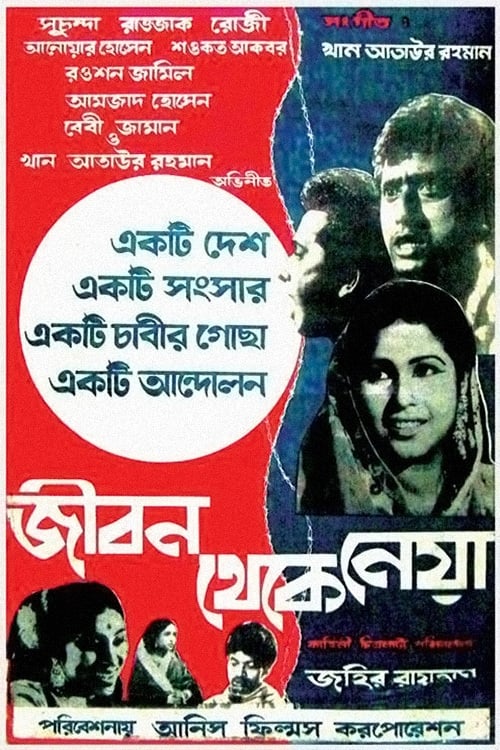
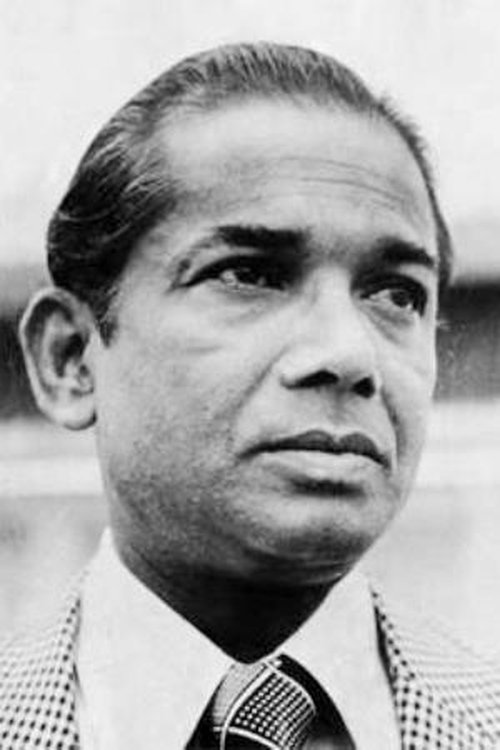
Khan Ataur Rahman was a Bangladeshi film actor, director, producer, screenplay writer, music composer, and singer, best known for his role in the Zahir Raihan film Jibon Theke Neya (1970). He received the Bangladesh National Film Award for Best Screenplay for the films Sujon Sokhi and Danpite Chhele.
Known For

The story is about a girl who grows up almost like an orphan in a joint family of two brothers and their families. She has lost her mother (a sister of the brothers) in childhood and her father is a habitual gambler with a bad luck. She develops romance with one of the two cousins in the house.
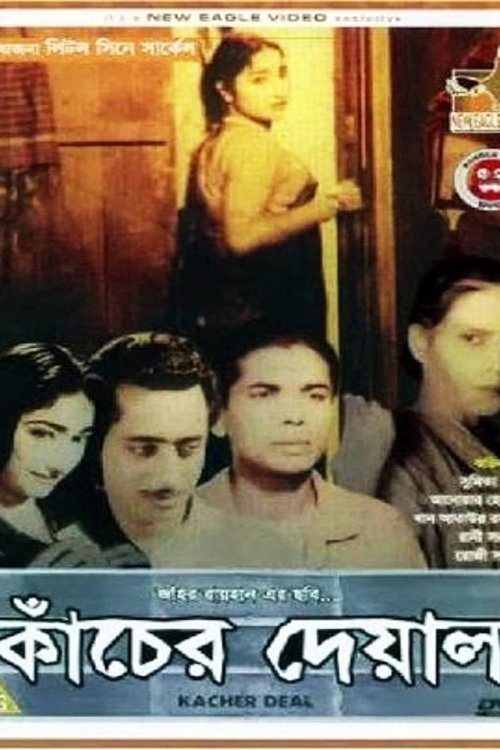
The Glass Wall

A political satire of Bangladesh under the rule of Pakistan metaphorically, where an autocratic woman in one family symbolizes the political dictatorship of Ayub Khan in East Pakistan.
Jibon Theke Neya

Based on he daily lives of the fishermen of East Bengal.
Day Shall Dawn

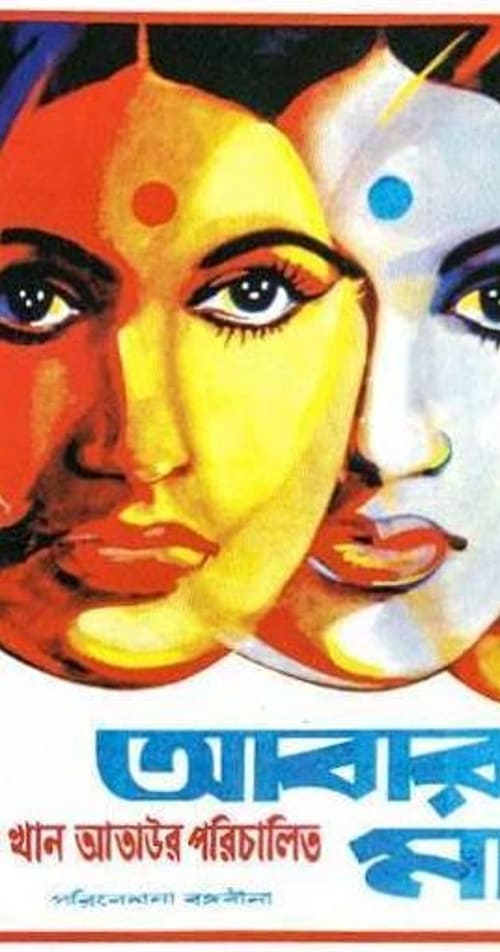
Abar Tora Manush Ho is a 1973 Bangladeshi film starring Maruf Ahmed, Bobita, Farooque and Raisul Islam Asad. Khan Ataur Rahman earned both Best Film and Best Director Award at Bangladesh National Film Awards.
Abar Tora Manush Ho

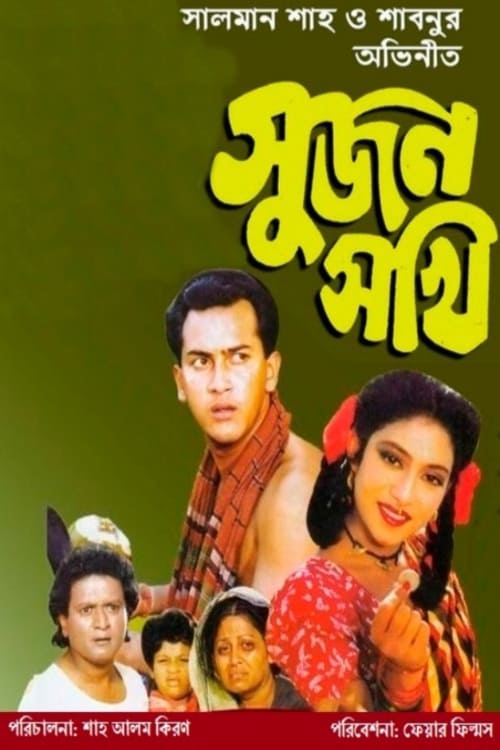
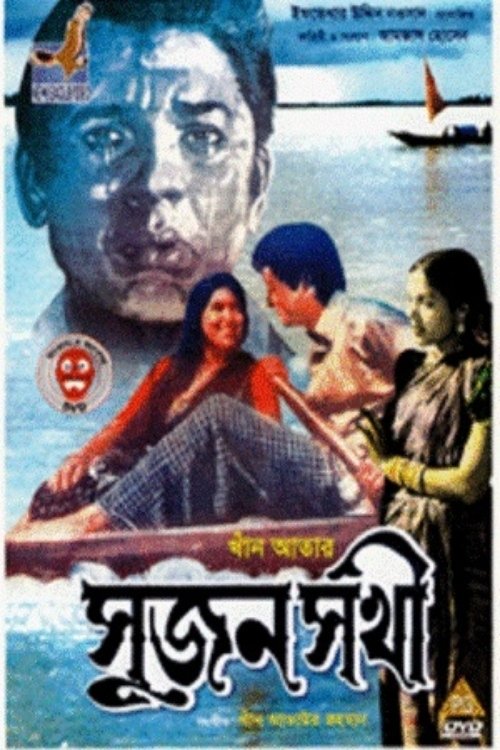
Sujan Sakhi is a 1994 Bangladeshi film starring Salman Shah and Shabnur. It became one of the top grossers of Dhallywood in 1994. It was a box-office hit
Sujon Sokhi
When two people from two feuding families fall in love with each other, they decide to end the rivalry and unite their family members.
Sujan Sakhi

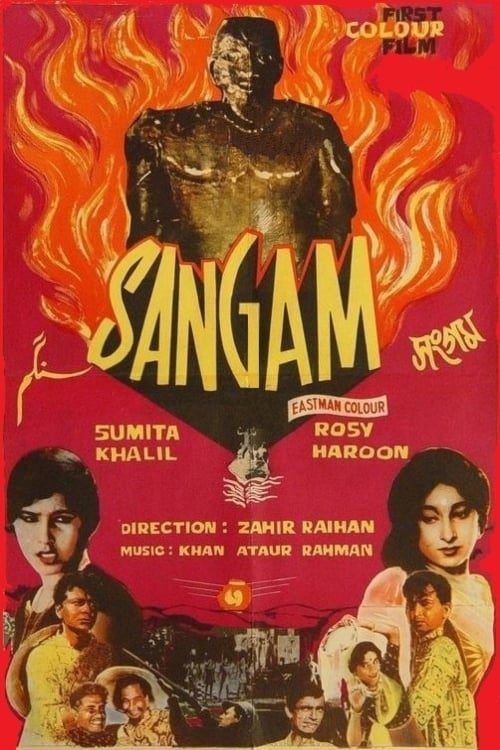
Sangam is a Pakistani Urdu film released in 1964, directed by Zahir Raihan starring Rosy Samad, Khalil, Haroon Rashid and Sumita Devi. This is the first full-length colour movie made in entire Pakistan. This was the fourth film by Zahir Raihan (1935-1972) who later went on to direct more films in Urdu and Bengali during the 1960s. Zahir Raihan became one of the most important filmmakers of East Pakistan, which later became Bangladesh in 1971. Although Sangam was an Urdu film, but most of the cast, playback artistes and crew were from the Bengali-speaking Eastern province.
Sangam

Set in rural Bangladesh, “Sujon Sokhi” is a romantic melodrama where the story starts with a feud between two brothers incited by the wife of the elder brother. The younger brother has to leave the house with the mother and his wife due to extreme misbehave of the elder couple.....
Sujon Sokhi

Bahana is a 1965 Indian Urdu film directed by Zahir Raihan under the banners Saregama. The film (Bahana), starring Sajjan, Meena Kumari, Anwar, Kumar, Pramila, Azurie, Sheela Vaz, was released in theatres in 1965. The film’s songs are composed by Madan Mohan Kohli and lyrics written by Rajendra Krishan.
Bahana

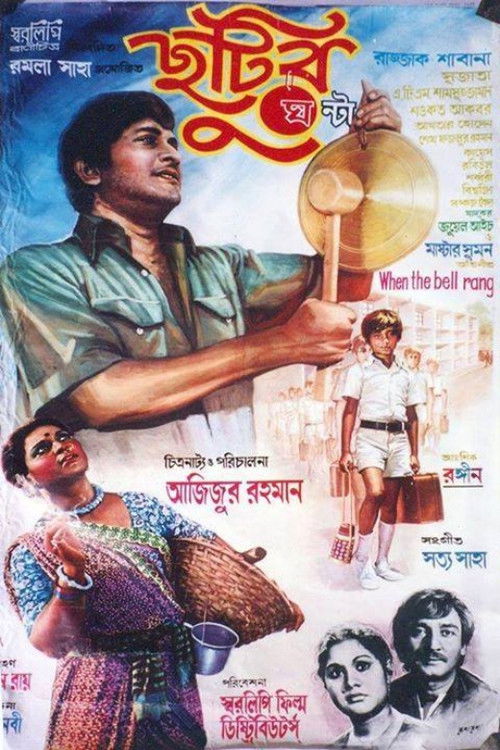
A 12-year old schoolboy mistakenly gets locked in the school's washroom by the caretaker.
When the Bell Rang

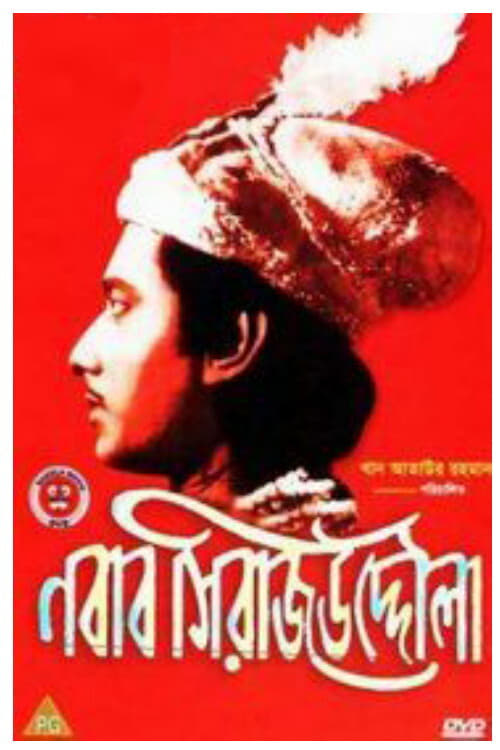
The first movie based on the life of the last sovereign Nawab of Bengal, Bihar and Orissa and the historical events of the Battle of Palaashi was directed by Khan Ataur Rahman. Anwar Hossain played the role of the doomed Nawab. Khan Ataur Rahman and Anowara played other major roles in the movie.
Nawab Sirajuddaula

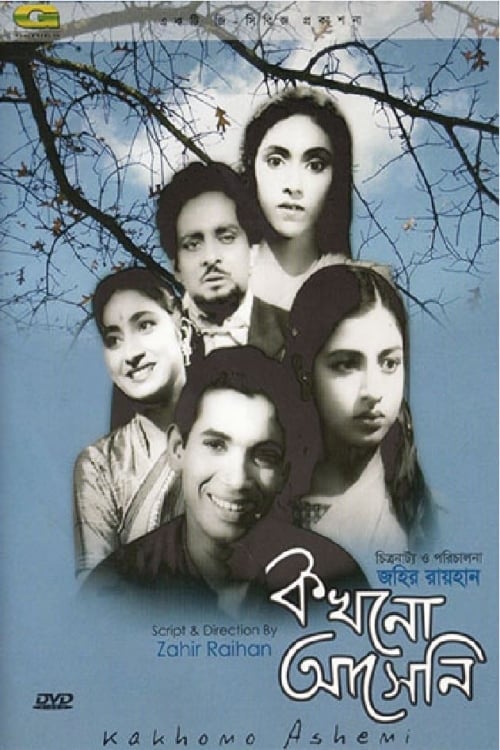
The emergence of the educated middle-class. Shawkat’s life as a bohemian artist perfectly illustrates the life of an artist in Dhaka during the 60s. When Shawkat’s father loses his job, and eventually dies, the reality of living in a capitalist society as an artist dawns on him
Never Came

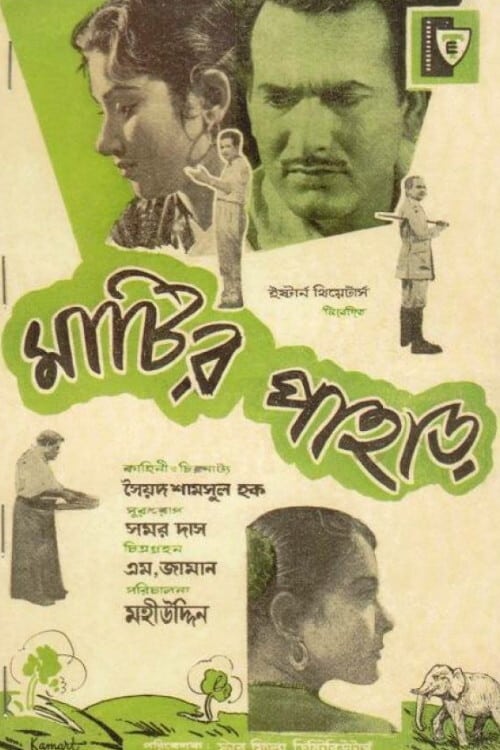
Matir Pahar is a 1959 Bengali film. The film was directed by Mohiuddin Ahmad. This was the third film made in East Pakistan.
Matir Pahar

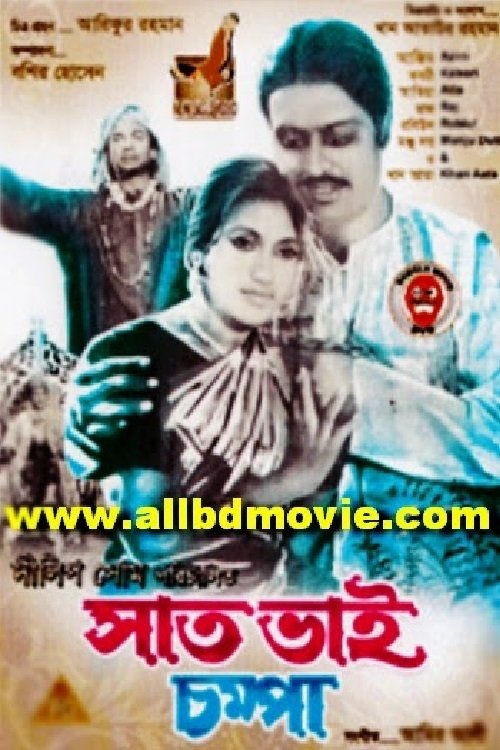
Based on a perennially popular Bengali folk tale, Sat Bhai Chompa has had many cinematic outings in both India and Bangladesh. This, the 1968 version directed by Dilip Shom, is one of the most delightful. A king has three wives. The two elder wives connive to throw the pregnant third wife out of the palace. The third wife gives birth to eight children - seven sons and a daughter. The enraged elder wives, with the help of a sorcerer, turn the seven sons into flowers. It is now up to the daughter to turn her brothers back into humans and regain their rightful place in the palace.
Sat Bhai Chompa

No description available.
Ae Desh Tomar Amar
No description available.
Shurjosnan

No description available.
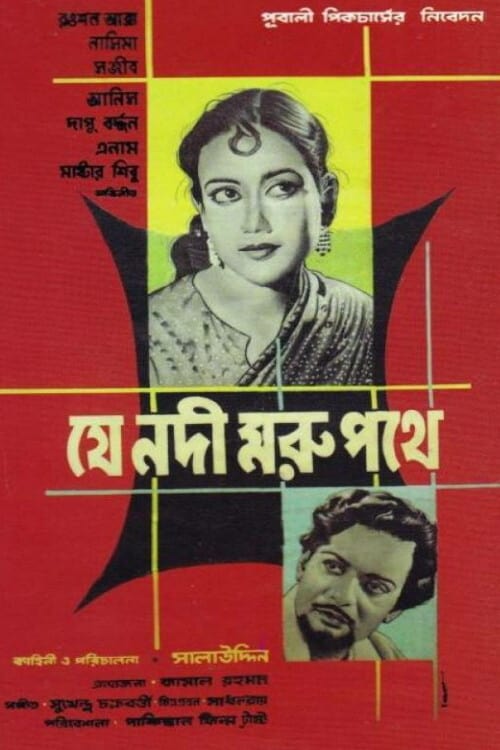
Je Nodi Morupothay

No description available.