
Dan Cruickshank
Acting
Known For
Omnibus was an arts-based BBC television documentary series, broadcast mainly on BBC1 in the United Kingdom. The programme was the successor to the long-running arts-based series 'Monitor'. It ran from 1967 until 2003, usually being transmitted on Sunday evenings. During its 35-year history, the programme won 12 Bafta awards. Among the series' best remembered documentaries are Cracked Actor, a profile of David Bowie, and Rene Magritte, a graduate film by David Wheatley, 'Madonna: Behind the American dream', a film produced by Nadia Hagger, and a profile of the British film director Ridley Scott. For a season in 1982, the series was in a magazine format presented by Barry Norman. The series was replaced by 'Imagine' hosted by Alan Yentob.
Omnibus

Documentary series which ranges widely over Britain's social and cultural history, its narrative-led storytelling offering a richly immersive and varied window onto the past.
Timeshift
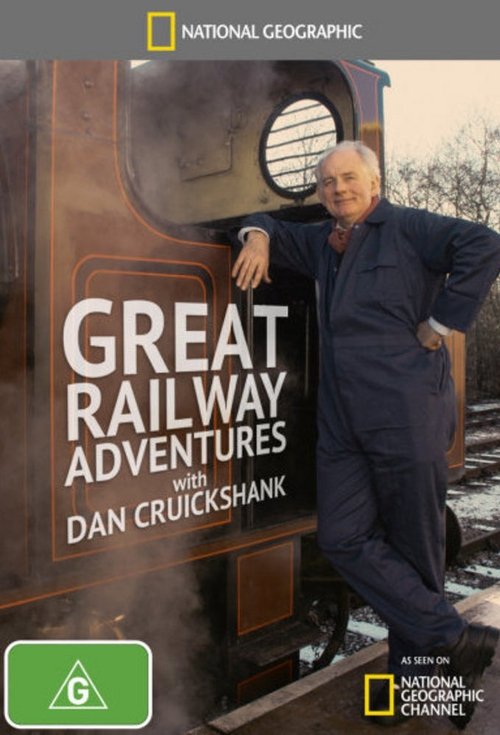
Climb up on the footplate and join historian and host Dan Cruickshank for a railway adventure like no other as he investigates how trains helped shape modern Britain. This three-part series resurrects an exhilarating age and kicks off by focusing on the railways' role in defeating Hitler, before unearthing the incredible engineering achievements of Isambard Brunel and embarking on a trip on the earliest steam engines.
Great Railway Adventures with Dan Cruickshank

Dan Cruickshank and Charlie Luxton uncover the incredible hidden stories behind historic buildings as they are dismantled brick by brick and meticulously resurrected in new locations.
Brick by Brick: Rebuilding Our Past
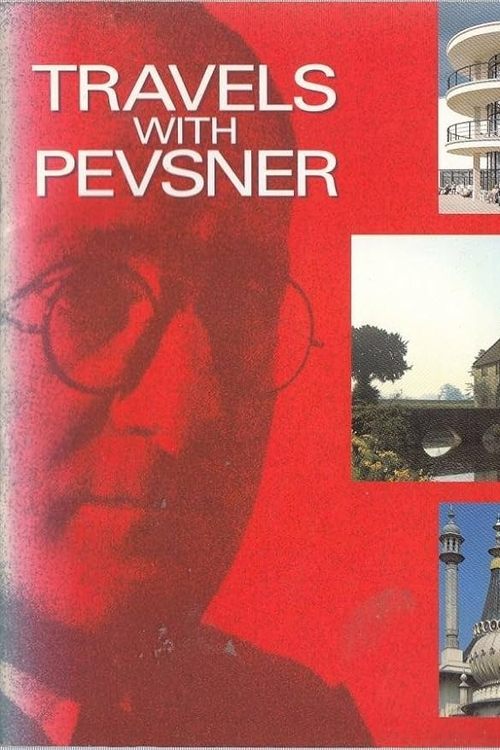
Series in which presenters explore architecture in the footsteps of Nikolaus Pevsner.
Travels with Pevsner
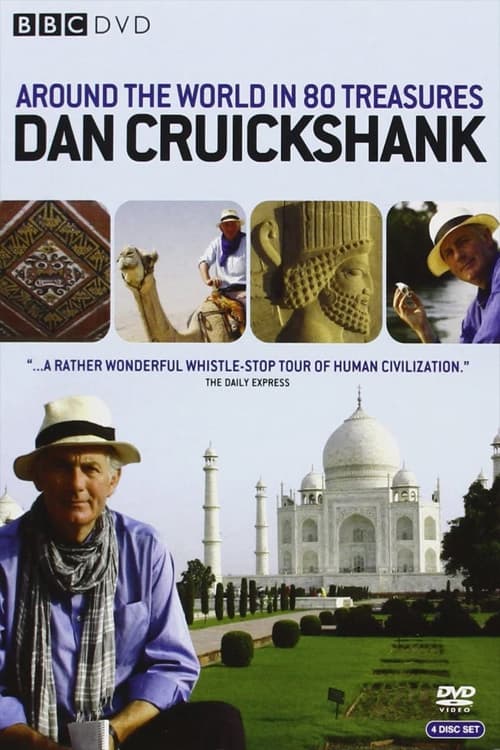
Cruickshank takes a five-month world tour visiting his choices of the eighty greatest man-made treasures, including buildings and artifacts. His tour takes him through 34 countries and 6 of the 7 continents. In addition to seeing some of the world's greatest treasures, Cruickshank tries many different kinds of food including testicle, brain, and insects. His means of transportation included airplanes, trains, camel, donkey, foot, bicycle, scooter, hang glider, and boats.
Around the World in 80 Treasures
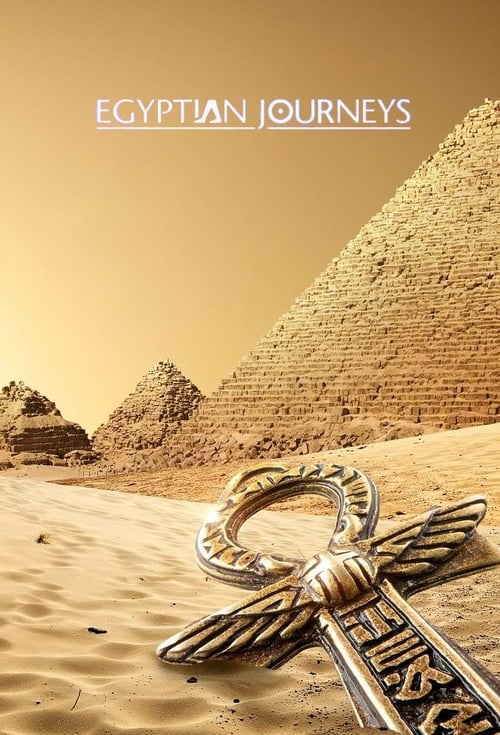
Egyptian Journeys with Dan Cruickshank is a BBC Television documentary series in which Dan Cruickshank explores the mysteries of Ancient Egypt.
Egyptian Journeys with Dan Cruickshank
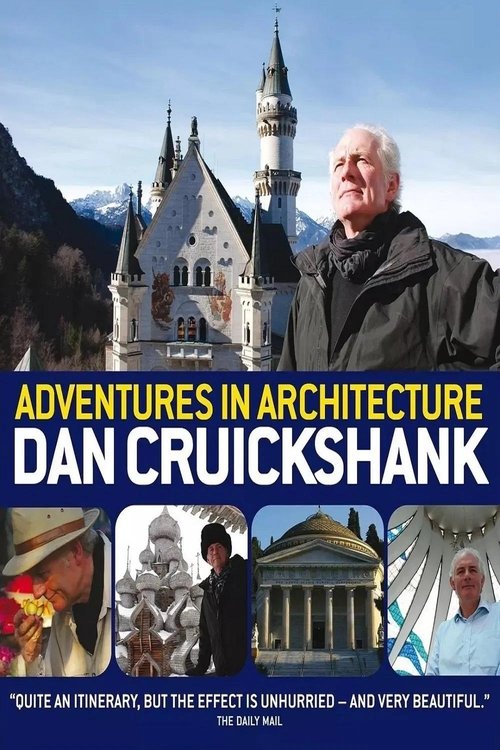
Historian and writer Dan Cruickshank celebrates architecture as a creative force as he explores the world's greatest cities, buildings and monuments.
Dan Cruickshank's Adventures in Architecture
Series looking at aspects of British metalworking over the centuries, including the art of the silversmith, the history of armour and the work of the blacksmith.
Metalworks!
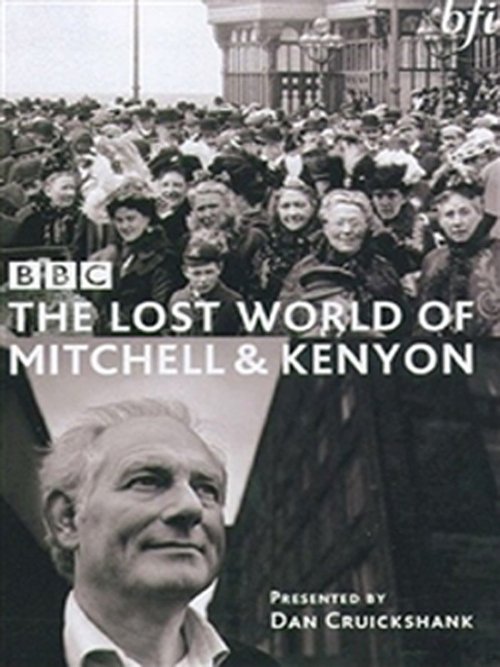
Examines the recent discovery of 800 short films from the Edwardian Age, made by pioneering film-makers Sagar Mitchell and James Kenyon.
The Lost World of Mitchell & Kenyon
Six films about people determined to defend historic buildings against the destructive effects of social change and market forces.
Ours to Keep
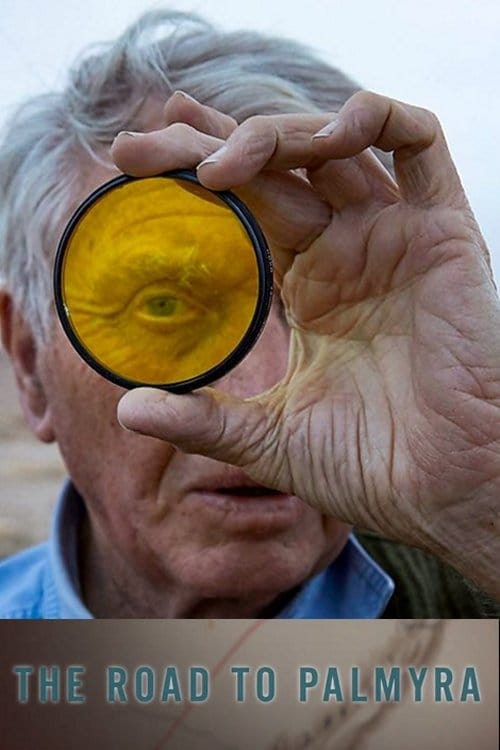
Historian Dan Cruickshank and photographer Don McCullin venture into the heart of war-torn Syria on a dangerous mission to document the cultural destruction wrought by ISIS.
The Road to Palmyra
This unique recreation of an 18th-century home, in London's Spitalfields, has to be seen to be believed. Dan Cruickshank smells the rotting food and warms his hands by the roaring fires and asks whether this living museum is really more accurate than a National Trust treasure, or just an eccentric one-off from its outlandish Californian creator, the late Dennis Severs. A follow-up of sorts to the 1985 BBC series Ours to Keep episode "Incomers" focused on this residence.
Dan Cruickshank & The House That Wouldn't Die
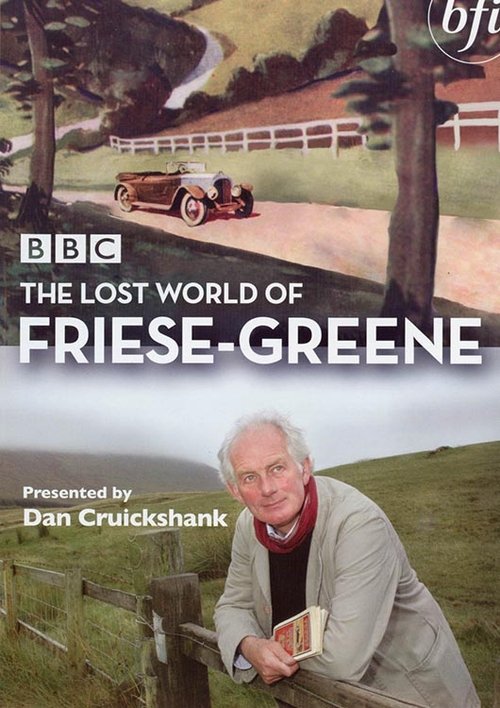
Dan Cruickshank retraces pioneering 1920s filmmaker Claude Friese-Greene's route around Britain. Dan travels through Wales and the Midlands to the Lakes.
The Lost World of Friese-Greene
A BBC documentary series in which Dan Cruickshank examines attempts and plans to invade Britain and Ireland over the years by exploring coastal fortresses and defensive structures around the coast of the country to discover their military heritage.
Invasion
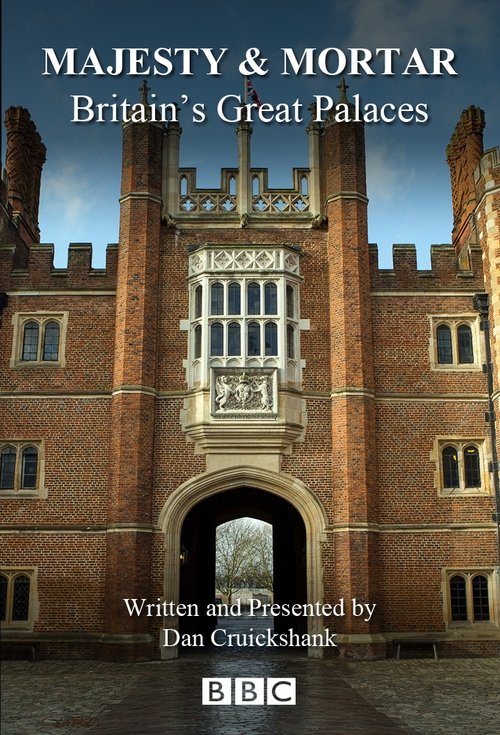
From the Tower of London to Buckingham Palace, Dan Cruickshank tells the story of a thousand years of palace building, the mystery of why so many have vanished and the magic of the ones that survive.
Majesty and Mortar: Britain's Great Palaces

Architectural historian Dan Cruickshank journeys to Afghanistan on an expedition into the heart of its war torn cities and mountainous regions in search of what remains of its once rich cultural heritage. Over the last 20 years, Afghanistan has been blown apart by successive civil wars and the tyrannical regime of the Taliban. This was a country with a unique cultural identity, whose ancient trade road, the Silk Route, had brought a great fusion of influences from the Han dynasty in the East, the Caesar dynasty in the West and from India in the South. Now Afghanistan lies in ruins and archaeological sites and architectural ruins have been plundered by soldiers and profiteers. For this Omnibus Special, Dan Cruickshank attempts to discover what cultural treasures remain. He travels to Bamiyan to see first hand the colossal Buddhas that were destroyed by the Taliban in March 2001. He meets the Hazara people of Bamiyan, who speak openly about life under the Taliban.
Dan Cruickshank and the Lost Treasure of Kabul
What the Industrial Revolution Did for Us is a BBC documentary series produced in conjunction with the Open University that examines the impact of the Industrial Revolution on modern society. It was originally broadcast on BBC Two in autumn 2003.
What the Industrial Revolution Did for Us
Dan Cruickshank takes an up-close-and-personal look at the place we are all familiar with but rarely stop to question – our home. Why are those stairs at that angle? Why is the kitchen at the back of the house? Why are some houses made of wattle and daub, and some of brick? And why do some live in a terrace and some in a flat? How did the British home end up looking the way it does – and why?
Dan Cruickshank: At Home with the British
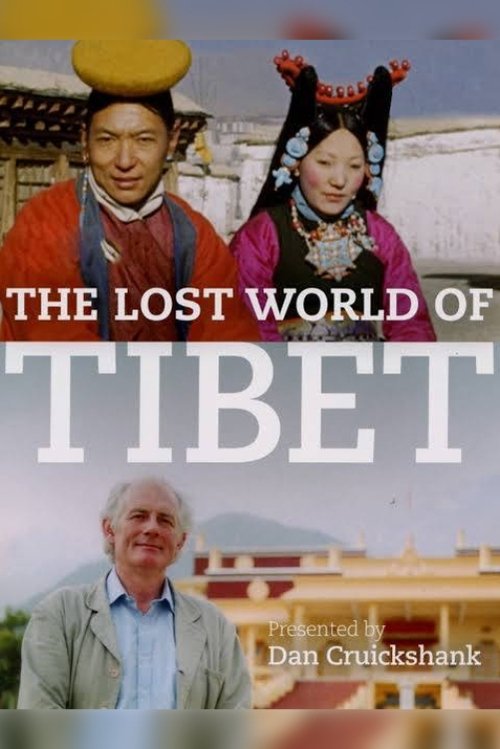
Through vintage amateur movies as well as archival Communist propaganda documentaries, this program turns back the clock to see what Tibet was like from the 1930s to 1950. After the popular and successful TV and DVD collaborations The Lost World of Mitchell & Kenyon and The Lost World of Friese-Greene, the BFI and BBC co-produced The Lost World of Tibet, broadcast on BBC Four on 3 March 2008.