Acting
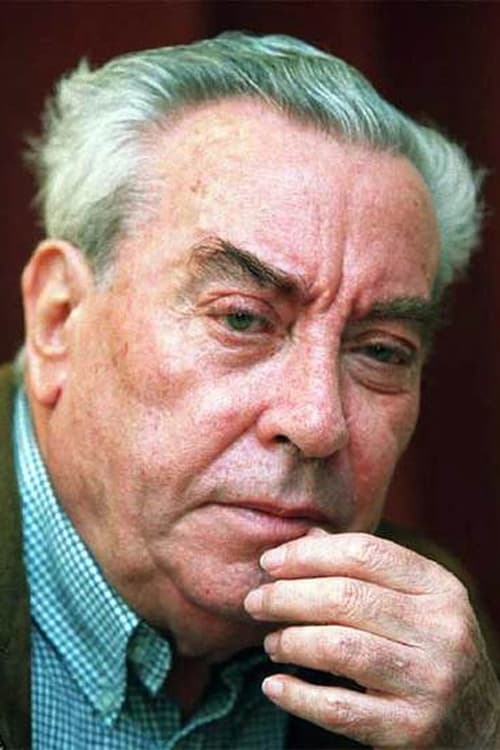
Pedro Beltrán (Cartagena, April 20, 1927 – Madrid, March 9, 2007), was a Spanish screenwriter and actor.
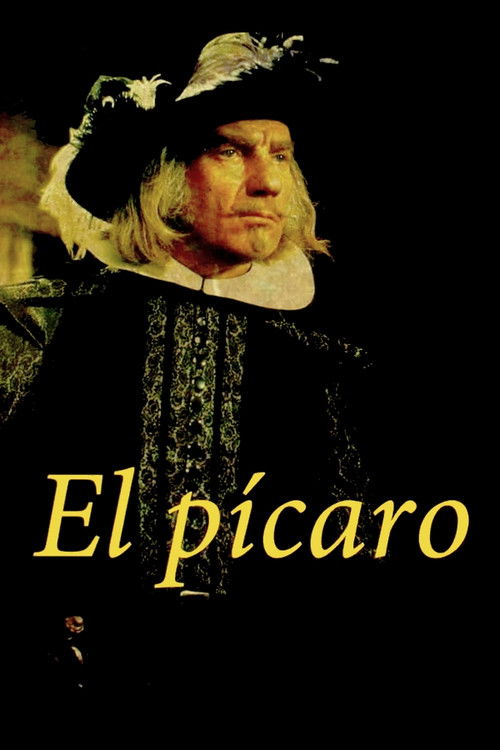
In 17th-century Spain, Lucas Trapaza is a lazy liar and con artist who does everything he can to live off others.
Professor Hamilton, a naive Nuclear scientist who once thought bombs were good for humanity, realizes his mistake and runs away from his inventions. He hides in Calabuch, a beautiful seaside town where people still believe in humor and friendship.
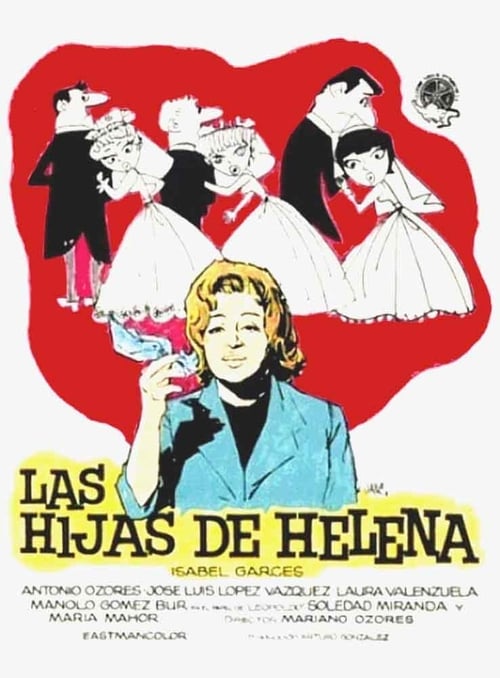
In a small town near Madrid, Paquita and her brother Venancio, both single and with a childish personality, live under the shadow of their bossy older sister, Ignacia, a grumpy old maid.
No description available.
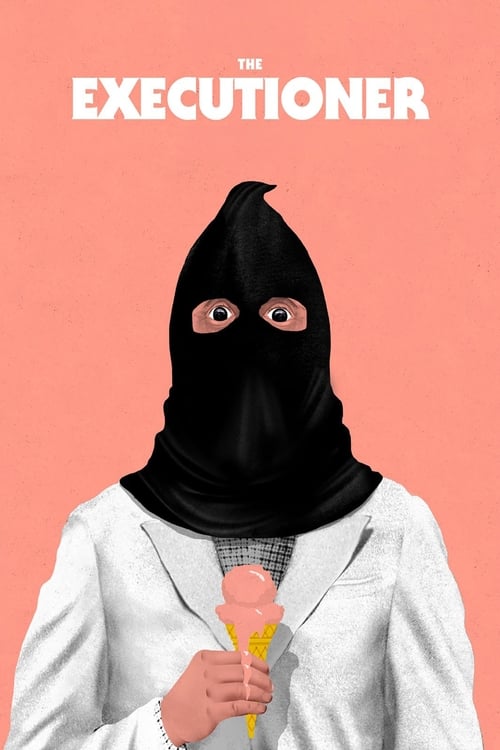
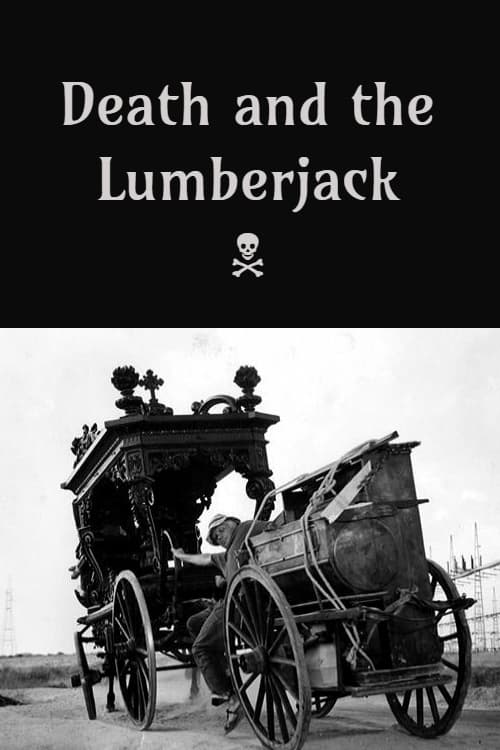
An undertaker gets married to an old executioner's daughter and, although he doesn't like it, must continue the profession of his father-in-law after his retirement.
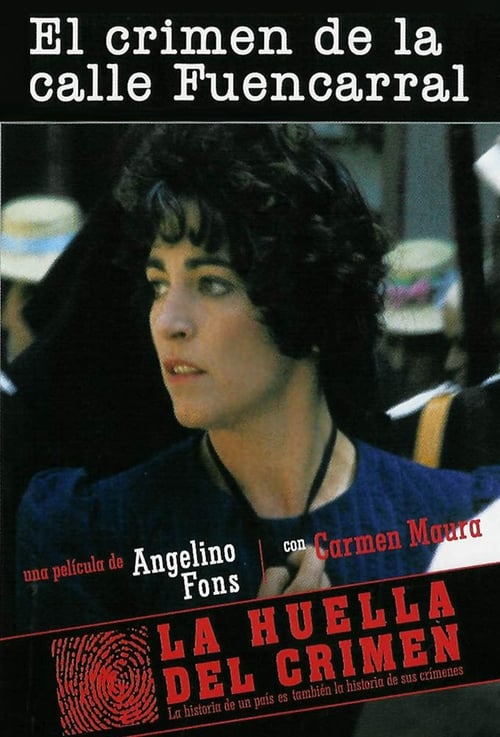
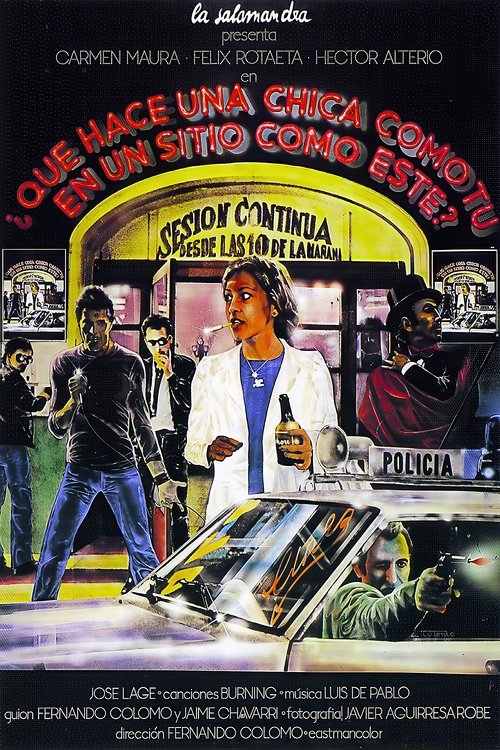
July 1, 1888. The body of a woman is discovered during a house fire, but the examination reveals that she died victim of a stabbing, not the flames. Her maid and pet dog are found drugged in another room.
After the death of General Franco, the Leguineche family leaves their estate of Los Tejadillos, where they have remained for decades in voluntary exile, with the purpose of returning to Madrid to actively participate in the social events of the aristocracy and to get closer to the closest circle of the Spanish monarch. The obsession of the old marquis is centered on getting in touch with the most illustrious surnames, to ascend socially and to resume the pomp and courtly life that his family lost a long time ago. To this end, he decides to move into an old palace he owns, located in the center of the capital, but not before overcoming the difficulties posed by his wife, who deeply hates both her husband and her son. To regain control of the palace, the Marquis of Leguineche tries to handicap his wife, arguing an incurable mental illness, and then undertake a reform of the place in order to adapt it to aristocratic life.
The Iniesta-Galván family is a theatre company that goes from town to town offering its performances. Over the years, its members will have to adapt to changes and make decisions, like that of whether or not to continue performing. One day, unexpectedly, a son that he has fathered on his travels presents himself to Carlos Galván.
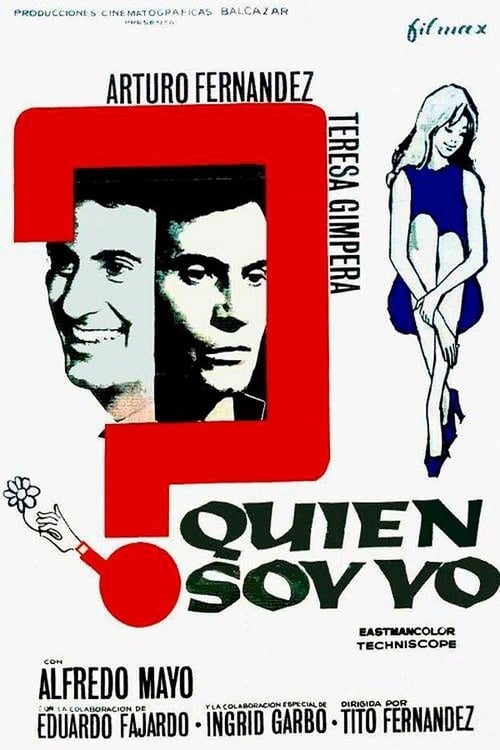
Mario Colomer, prime minister, is burdened by overwork. His problems seem solved when his assistants tell him about Juan Brandel, a possible substitute, just like him physically, but with a funnier and more adventurous personality. At first the plan seems to work and the politician begins to gain popularity. The plot thickens when the 'original' becomes jealous of the 'copy' and the substitute exceeds his functions.
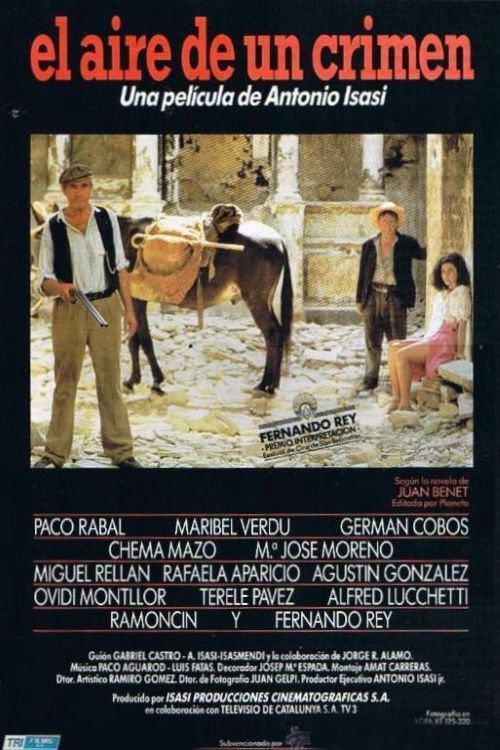
Spain, 1950s. The corpse of an unknown person appears in the town square of Bocentellas, within the mythical territory of Región. The inhabitants will ask for help to Captain Medina, young officer in command of a nearby military fort, until the arrival of the judge.
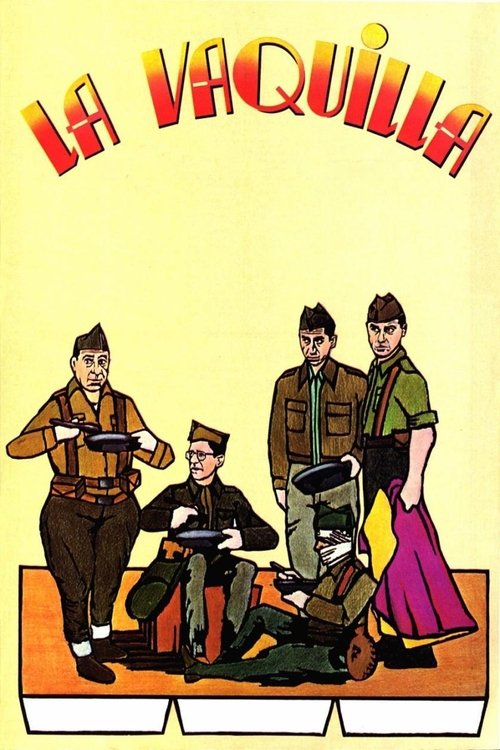
During the Spanish Civil War a platoon of mismatched Republican soldiers cross the front-line to steal the bull that the enemy is going to fight on the local holiday of the nearby village. In addition to ruining the Nationalist faction's celebration they want the animal in order to butcher it and feed their famished troops. They get caught in the process and have to go through a series of funny and pathetic incidents before they can get back to their side.
Persecuted by her controlling ex-husband, Rosa plots an escape
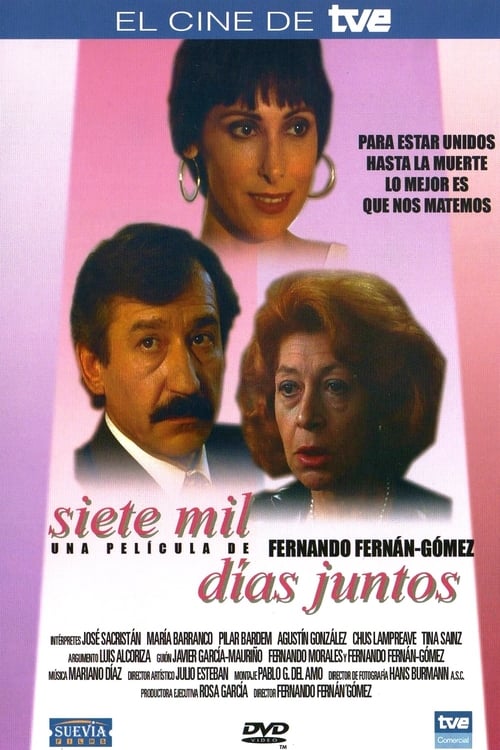
Petra and Matías have been unhappily married for twenty years. When Matías falls in love with shop assistant Angelines, he comes up with the perfect plan to get rid of Petra but their nosey neighbours get in the way.
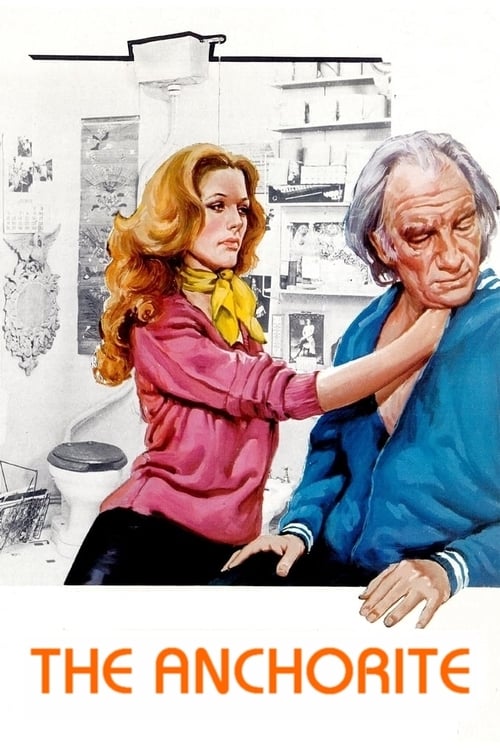
Eleven years ago Fernando Tobajas, a man of a certain age, decided to live in the bathroom, in which he created a small apartment, and never leaves it. Tobajas has given up everything except vanity, and his contacts with the world are reduced to visits from friends and messages sent through the toilet inside aspirin tubes in the hope that someone will receive them and know about his existence. Arabel Lee, a beautiful girl, finds one of those messages.
Finnish documentary about Cuba.
Miguel, a poor young man living in Franco's Spain becomes a bull fighter to escape starvation.
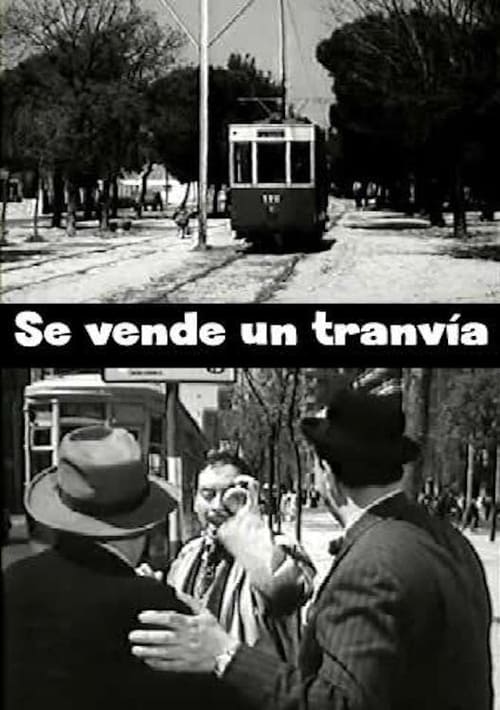
This excellent short film written by the magnificent filmmaker duo of Luis García Berlanga and screenwriter Rafael Azcona was to be part of a series entitled Los Pícaros (The Rogues) which was never continued. These two artists were responsible for such masterpieces of Spanish cinema as Plácido and El verdugo (The Executioner). Here, Berlanga and Azcona collaborated for the first time, setting the stage for the post-war "Berlanguiana" vision that would develop. José Luis López Vázquez plays Julián, a seedy swindler, who with his cronies tries to sell a streetcar to a rich but naive farmer, a newcomer to the city. High jinx ensue. With this film begins the great stage of Berlanga's filmmaking in which he mixes a little social criticism and notes of anti-clericalism with a great deal of farce.
An organ grinder called “El Rubio” has the crank of his street organ confiscated because he did not have his identification papers in order. From then on, a journey full of misfortune begins in which he tries hard to find a crank like the impounded one, to allow him to work again.
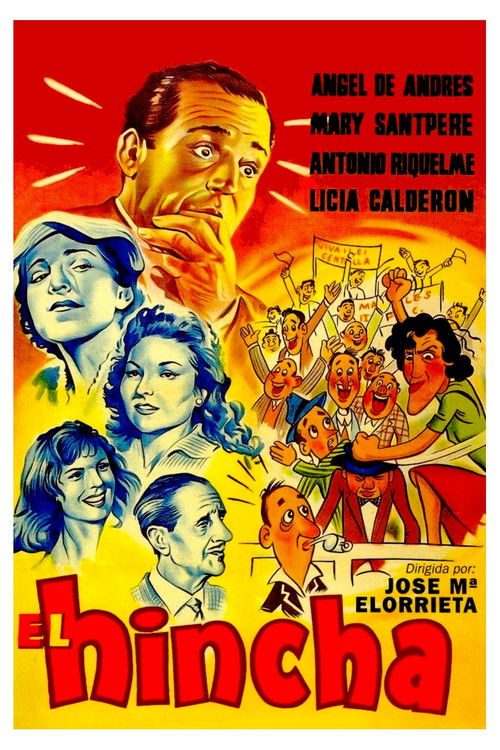
A passionate football player complicates the life of his family driven by his passion. Enthusiastic, fanatic, and passionate, the fervor of football runs through the blood of the main character as if it were a matter of life and death. Raised in an atmosphere of football art supporters, the young man organizes his life around this sport. The comedy is understood as a portrait of the world of football, from the point of view of day to day that passes the protagonist fan.