Acting
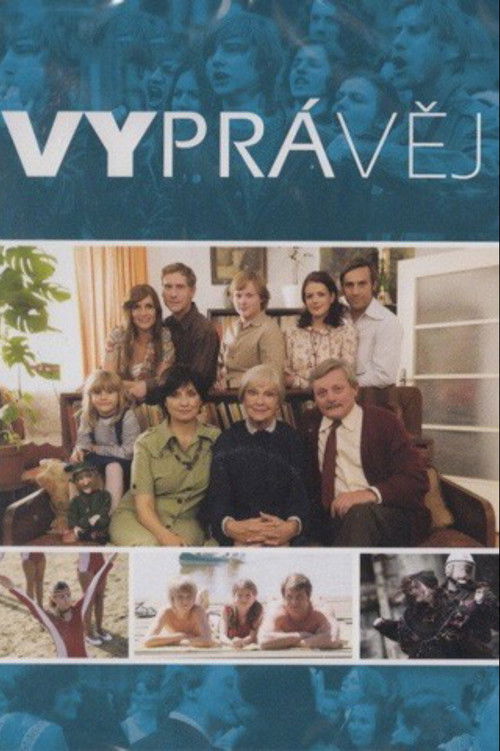
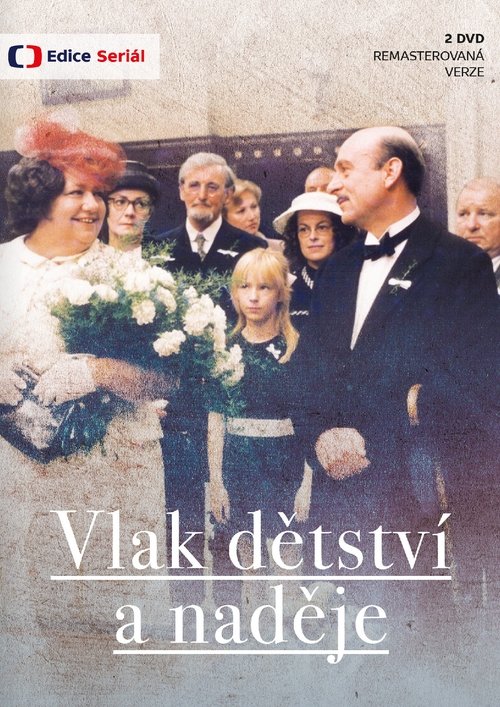
Set in Czechoslovakia, the drama follows the lives of its characters against the backdrop of real historical events that shape their personal stories. To evoke period atmosphere, the series intersperses authentic clips from vintage Czechoslovak film newsreels, using their original commentaries or newly recorded historical voice-overs by Vladimír Fišer. A narrator, initially voiced by Vojtěch Kotek and later by Matěj Hádek, provides continuity and reflection, guiding viewers through changing times. Under the guidance of screenwriter Rudolf Merkner, each episode’s script weaves family and individual dramas into key moments of Czech and Slovak history: political shifts, cultural trends, and social transformations from the 1960s onward.
No description available.
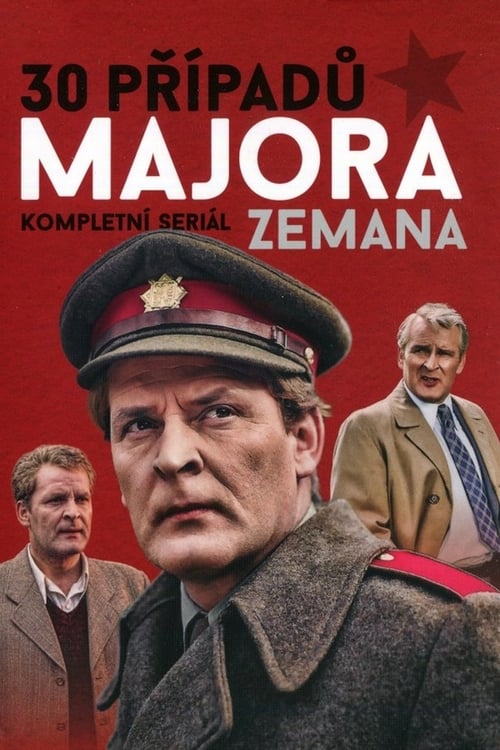
Thirty Cases of Major Zeman is a Czechoslovak action-drama television show intended as a political propaganda to support the official attitude of the communist party. The series were filmed in the 1970s. Each episode encompasses one year, and investigations are stylized to that year. Most are inspired by real cases. The series follows the life of police investigator Jan Zeman during his career from 1945 to 1975.
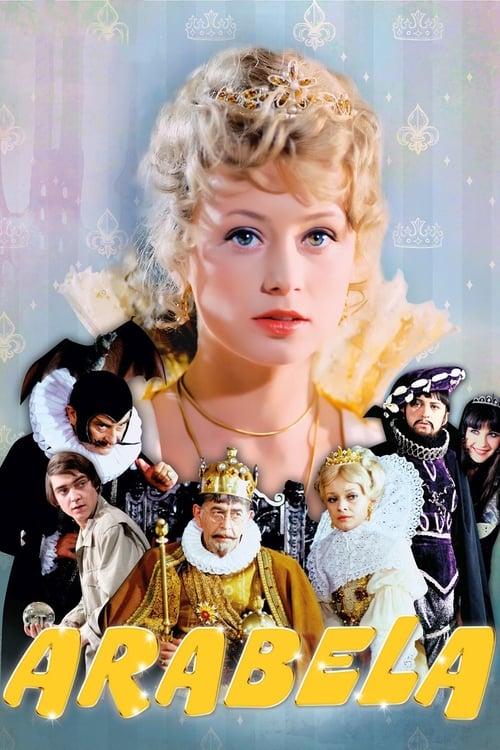
Arabela was a children's television series produced in Czechoslovakia which aired from 1979 to 1981. The series has 13 episodes and is in the Czech language.
An ordinary young boy called Nikolas sets out on an extraordinary adventure into the snowy north in search of his father who is on a quest to discover the fabled village of the elves, Elfhelm. Taking with him a headstrong reindeer called Blitzen and a loyal pet mouse, Nikolas soon meets his destiny in this magical and endearing story that proves nothing is impossible…
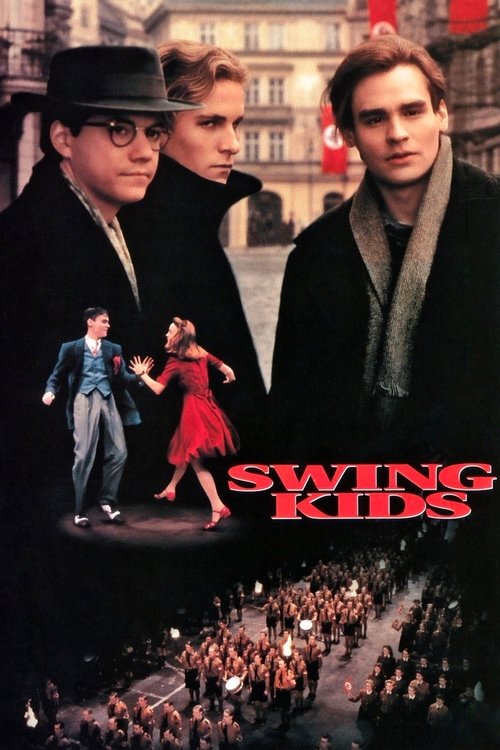
The story of a close-knit group of young kids in Nazi Germany who listen to banned swing music from the US. Soon dancing and fun leads to more difficult choices as the Nazis begin tightening the grip on Germany. Each member of the group is forced to face some tough choices about right, wrong, and survival.
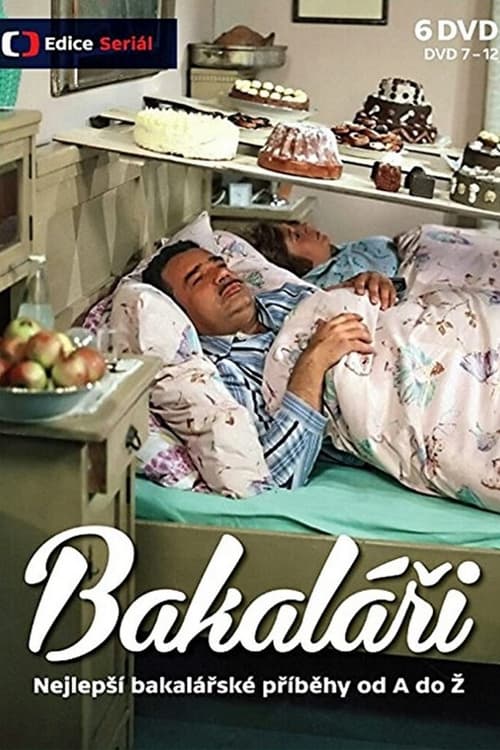
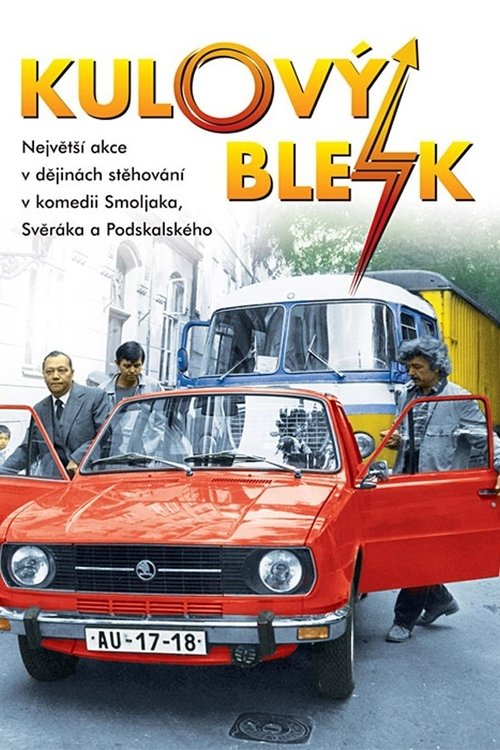
A comedy about exchange of 12 apartments , which, its organizer, lawyer Radosta, rightly called Action Ball Lightning. To prepare, organize and execute the exchange of twelve apartments is a work worthy champions. Radosta, who was excellently played by Rudolf Hrušínský, solved all sudden difficulties and complications on the fly and with grace. To be sure that the on the D-day everything goes well he prepares a little rehearsal, which reveals many minor issues caused for example by wedding ordered to inappropriate term or hesitation of some participants. Last but not least a night exercise announced by drunk psychologist Knotků, creates a lot of confusion that nearly sabotaged the whole operation.
A gay man's return to his family in East Germany begins a series of tragic events.
Building themes, however modified, permeated the nationalised cinema throughout its existence. This time, director Július Matula has focused on a young engineer who, with high hopes, accepts a position in a famous agricultural cooperative. However, he soon discovers that behind the proclaimed phrases there is in fact hypocrisy and protectionism. The authors criticise the fact that incompetence is often covered up, that shortcomings end up being cleverly camouflaged, that the social mood favours the mediocre and the adaptable. The hauers present a statement that is courageous, so to speak, within the limits of the law, and call for increased work consciousness.
In Vražda v hotelu Excelsior, the interwar period homicide detective squad from Prague investigates the murder of a wealthy woman, Mrs Matoušová, which threatens the reputation of the eponymous luxury hotel popular with Prague’s elite. Even the retired police inspector Mrázek (František Filipovský), who works at the Excelsior as a hotel detective, is unable to help at first. Although the investigation inevitably uncovers the hotel staff’s scheming, Vacátko and his team unerringly follow the trail that leads them to the murderer…
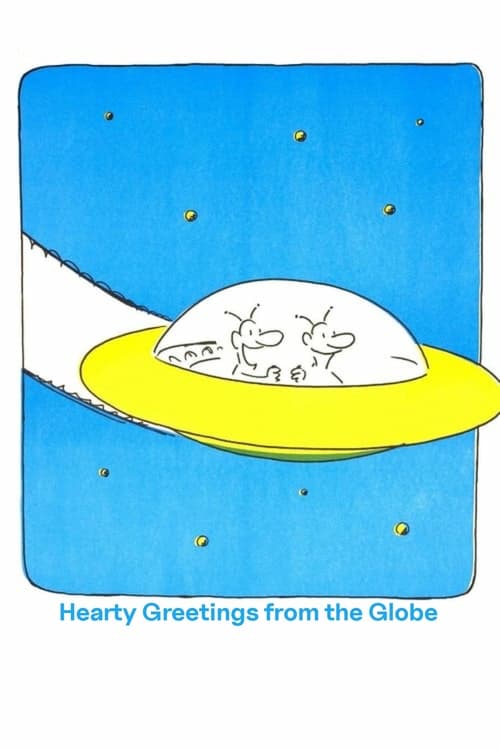
Two aliens stir up trouble on Earth in order to study humans. Misunderstandings ensue.
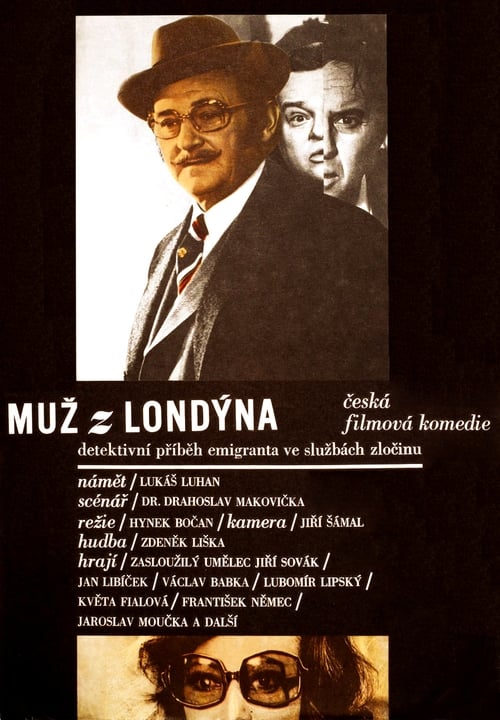
A British citizen by the name of George Reiner (Jirí Sovák) arrives at Prague airport. He was once a Czech safe-breaker, and has now returned home after thirty years to steal twenty-dollar gold coins still kept in the safe at a private villa in Pilsen whose owner fled to the West.
After a colleague is murdered, insurance worker Kafka gets embroiled in an underground group who are attempting to thwart a secret organization that controls the major events in society.
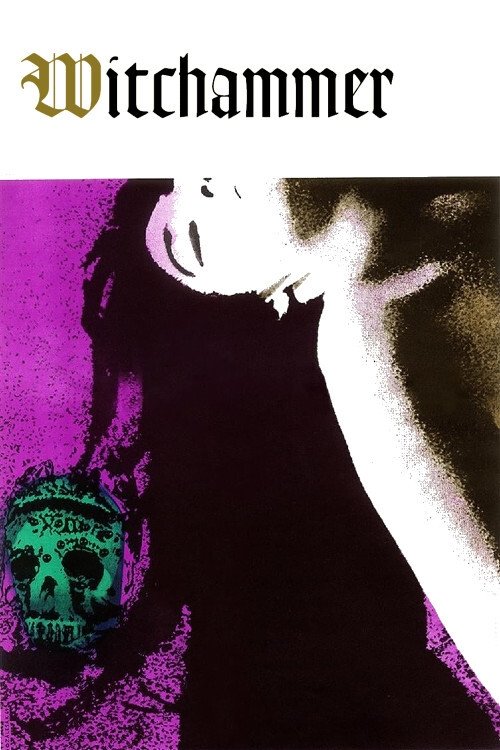
In the 1600s, an overzealous clergy hauls innocent women in front of tribunals, forces them to confess to imaginary witchery, and engages in brutal torture and persecution of their subjects.
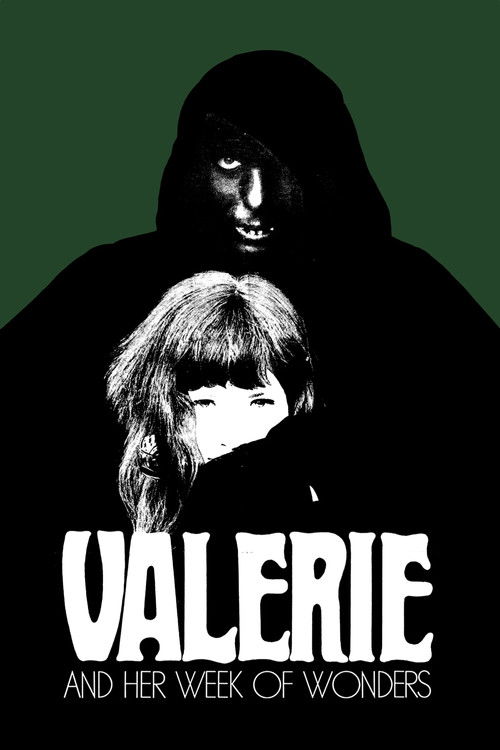
Valerie, a Czechoslovakian teenager living with her grandmother, is blossoming into womanhood, but that transformation proves secondary to the effects she experiences when she puts on a pair of magic earrings. Now seeing the world around her in a different light, Valerie must endure her sexual awakening while attempting to discern reality from fantasy as she encounters lecherous priest Gracian, a vampire-like stranger and otherworldly carnival folk.
Sanitka was a Czech television, drama series, first broadcast in 1984 and eleven episodes were made. It starred Jaromír Hanzlík, Tomáš Juricka and Zlata Adamovská among others.
A story of a little girl Verka and her life during the beginning of WWII. Based on Vera Sládková novels.