Directing
A dream walk through the United States of America; a meditation on the thoughts and ideals of its inhabitants, as they are exposed in their silent but eloquent home movies.
Tells the history and importance of The National Film Registry, a roll call of American cinema treasures that reflects the diversity of film, and indeed the American experience itself.
Sending a burning arrow into the stunting effects that the compartmentalization of culture has on how creativity manifests, visual artist Doug Aitken embarked on an experiment exploring a less materialistic and more nomadic direction of art creation, exhibition, and participation. Station to Station involved a train that crossed North America housing a constantly changing creative community including artists, musicians, and curators, who collaborated in the creation of recordings, artworks, films, and 10 unique happenings, across the country.
On a talkshow, actor and German TV ikon Joachim Fuchsberger recalls how the games for his show "Nur nicht nervös werden" (Don't Get Nervous), first broadcast on West German TV in 1960, were developed along the lines of American psychiatry. Asked "So how many crazy people watched you?", he responded: "A whole crazy, psychologically disturbed nation". Why were the Germans or to be more precise, the West Germans, a psychologically disturbed nation at that time? This is a film about cheerful and serious games, therapies for re-education and self-imposed re-education, as well as the history of the idea of permanent revolution. Those appearing include directors and producers of gameshows, psychiatrists, anthropologists, and the diversely paranoid.
Collage of sequences drawn from a wide variety of ephemeral (industrial, advertising, educational) films, touring the conflicted landscapes of twentieth-century America.
This film covers the early history of post World War II educational films, especially those involving traffic safety by the Highway Safety Foundation under direction of Richard Wayman. In the name of promoting safe driving in teenagers, these films became notorious for their gory depiction of accidents to shock their audiences to make their point. The film also covers the role of safety films of this era, their effect on North American teenage culture, the struggle between idealism and lurid exploitation and how they reflected the larger society concerns of the time that adults projected onto their youth.
This year’s LOST LANDSCAPES OF SAN FRANCISCO (the 19th!) casts an archival gaze on the lives of San Franciscans and Bay residents. Drawn from over 400 newly scanned archival films plus a few old favorites, this year’s film revels in the textures and activities of everyday life, labor and celebration, replaying known and unknown historical moments, daylighting lost and found infrastructures, revealing the scars of settlement and pointing to more hopeful futures. Highlights include intimate views of the Mission District, recently discovered BART films, coverage of Western Addition redevelopment and displacement, and much more. Almost all of the footage has not been shown before.
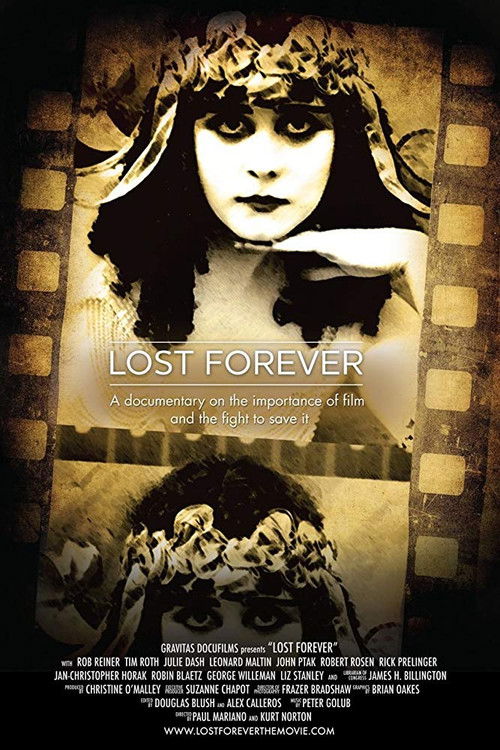
This documentary short takes you inside the fascinating world of film preservation and restoration.
A journey from the Atlantic to California made from a collection of 9,000 home movies, "No More Road Trips?" reveals hidden histories embedded in the landscape and seeks to blend the pleasures of travel with premonitions of its end.
Drawn from some 300 newly-unearthed (and a few familiar) archival films, LOST LANDSCAPES 20 recreates the textures and activities of everyday life, labor and play, replaying known and unknown historical moments, daylighting lost and found infrastructures, revealing the scars of settlement and pointing to more hopeful futures. Highlights will include transportation in the air, water and on the land; images of the City's rich and resilient communities; unfamiliar footage of familiar places; countercultures and counterdemonstrators; and unpredictable moments on the streets.
All-Is-Well collects ordinary adventures remembered only because they survive in home movies. Against a backdrop of distant news events, kids stampede for Easter eggs; horses run together; families read pulps and shoot craps; cooks fry; tin-can tourists work hard at leisure; people pose, clown and drink, pull back the husks of sweet corn. For them and for us, remaking the ephemeral gesture is both a small pleasure and an act of survival. The home movie segments used in the film date from 1930 to 1969, the period in which the near-infinite and mostly-unseen archive of home movies that awaits our attention was born.
Rick Prelinger’s Lost Landscapes projects are evolving compendiums of footage from amateurs, industrials, and newsreels that present city-specific histories. This piece, created by Prelinger and alex cruse, brings us rare and rediscovered images of Oakland and the East Bay.
This year's LOST LANDSCAPES pictures the infrastructures, peoples and landscapes of California, centering on San Francisco’s everyday past and the futures we have tried to build. Casting an archival gaze on San Francisco and cities, towns and places throughout California where nature and culture meet, the film recalls moments in the history of our state's resources, the scars of settlement and its backbones: transportation, extraction, communication, travel and labor — all intersecting in a panoramic city/state symphony documenting the past and suggesting possible futures in an age of systemic uncertainty. This year's film (the 17th!) combines home movies, government-produced and industrial films, feature-film outtakes and many other surprises (including many newly discovered San Francisco historical images).
Filmmaker Rick Prelinger curates exciting archival film footage, historical clips, and vintage home movie discoveries along with evergreen favorites for this feature-length movie premiere. Lost Landscapes reveals San Francisco's people, neighborhoods, infrastructures and celebrations from Rick's unique archivist's perspective, with material ranging widely in time from the early 20th century through the 01980s.
Lost Landscapes radiates out from San Francisco, extending its archival gaze to the infrastructures, people and landscapes of California north, south, east and west. Made from newly rediscovered images of San Francisco, cities and towns, and places throughout California where nature and culture meet, 02021's all-new show fixes on the history of our state's resources and the backbones that have made it work: transportation, extraction, communication, travel and labor. California's many peoples, communities and histories all intersect in a panoramic poem documenting the past and suggesting possible futures in an age of climate and seismic uncertainty. As with all LOST LANDSCAPES events, the audience makes the soundtrack, and you are cordially invited to identify people, places and events, pose questions to one another and to the host, and engage in spirited conversation as the film plays.
Compilation of archival film images of Detroit's people and places 1925-1976. Made to be shown to participatory audiences who identify locations, ask questions, and discuss the future of this great city.
Lost Landscapes sets the Bay in motion, revolving around the myriad mobilities and means of communication that have kept Californians in touch with each other. Casting an archival gaze on San Francisco and its surrounding areas, the film revels in the textures and activities of everyday life, work and celebration, replaying known and unknown historical moments, daylighting lost and found infrastructures, revealing the scars of settlement and pointing to more hopeful futures. This year’s film is drawn from over 3,000 archival films newly scanned in the past year, including home movies, government-produced and industrial films, feature film outtakes and other surprises from the Prelinger Archives collection and elsewhere.
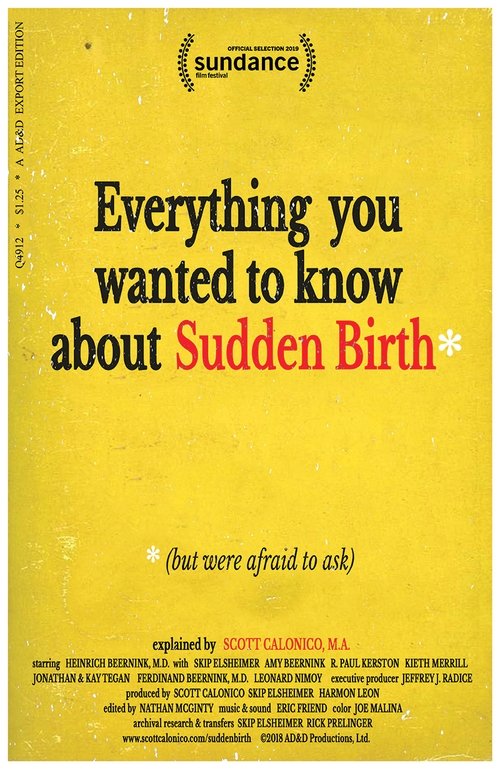
The amazing story of how the Berkeley police department, the Nazi invasion of the Netherlands, an Academy Award winner and Mr. Spock from TV’s Star Trek are all connected by “Sudden Birth”, one of the most unintentionally hilarious and disturbing educational films ever created.