Teiji Ito
Sound
Biography
Teiji Ito was a Japanese composer and performer. He is best known for his scores for the avant-garde films by Maya Deren.
Known For

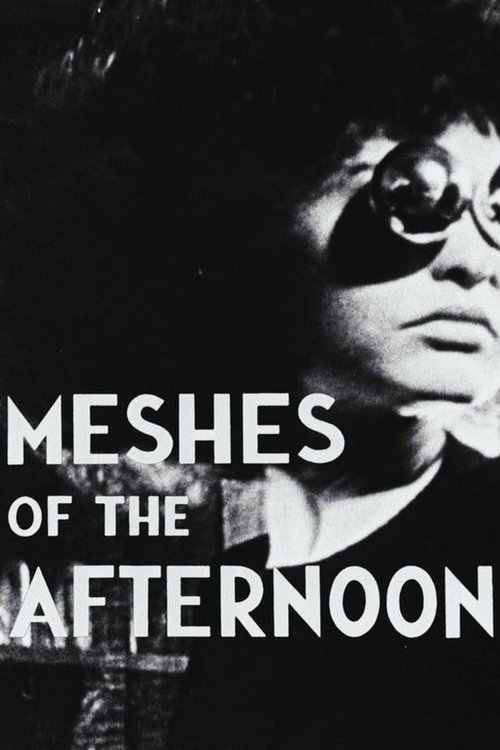
A woman returning home falls asleep and has vivid dreams that may or may not be happening in reality. Through repetitive images and complete mismatching of the objective view of time and space, her dark inner desires play out on-screen.
Meshes of the Afternoon

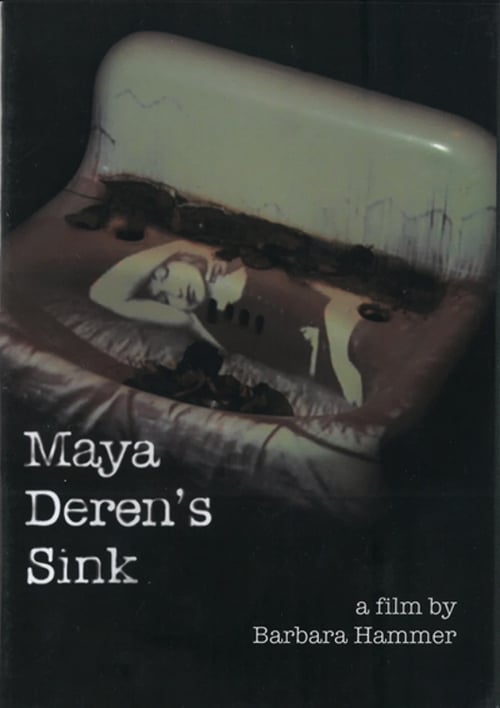
Maya Deren's Sink, a 30 minute experimental film, is an evocative tribute to the mother of avantgarde American film. The film calls forth the spirit of one who was larger than life as recounted by those who knew her. Teiji Ito's family, Carolee Schneemann and Judith Malvina, float through the homes recalling in tiny bits and pieces words of Deren's architectural and personal interior space. Clips from Maya Deren's films are projected back into the spaces where they were originally filmed appearing on the floorboard, furniture, and in the bowl of her former sink. Fluid light projections of intimate space provide an elusive agency for a filmmaker most of us will never know as film with its imaginary nature evokes a former time and space.
Maya Deren's Sink

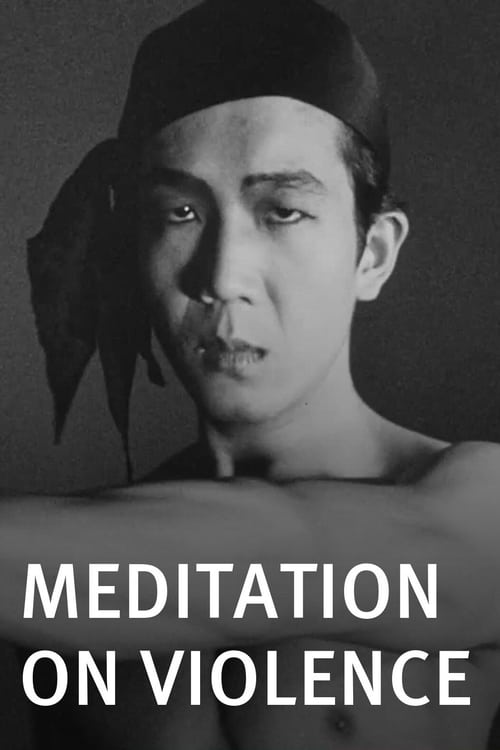
Chao-Li Chi shadow boxes indoors and practices with a sword outdoors. Theoretically, the film describes in a single continuous movement three degrees of traditional Chinese boxing, Wu-tang, Shao-lin, and Shao-lin with a sword. A long sequence of the ballet-like, sinuous Wu-tang becomes the more erratic Shao-lin; in the middle, there is an abrupt change to leaping sword movements, in the center of which, at the apogee of the leap, there is a long held freeze-frame.
Meditation on Violence

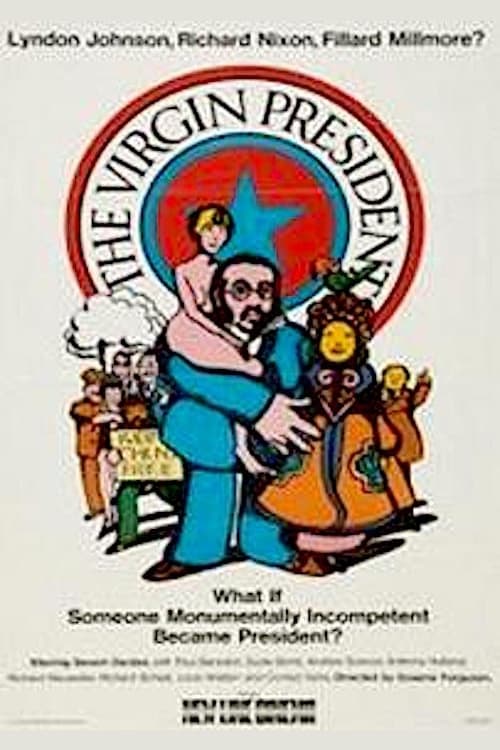
The President of the U.S. is suceeded by his naive, wide-eyed son, and his advisors try to take advantage of the situation by planning to drop an atomic bomb on Manhattan and blaming it on the Red Chinese.
The Virgin President

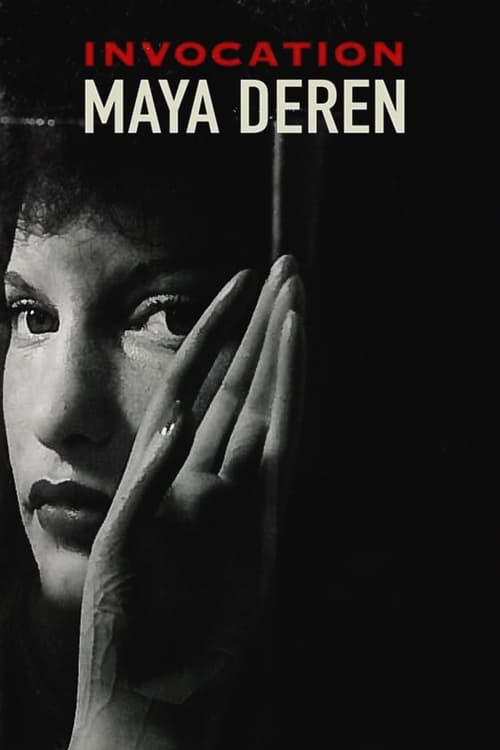
Maya Deren is a legend of avant-garde cinema. This authoritative biography of the charismatic filmmaker, poet and anthropologist features excerpts from her pioneering Meshes of the Afternoon and her unfinished documentary on Haiti, interviews with Stan Brakhage and Jonas Mekas, and recordings of her lectures. Narrated by actress Helen Mirren, this definitive documentary offers startling insights into one of the most intriguing, accomplished figures in cinema history.
Invocation: Maya Deren

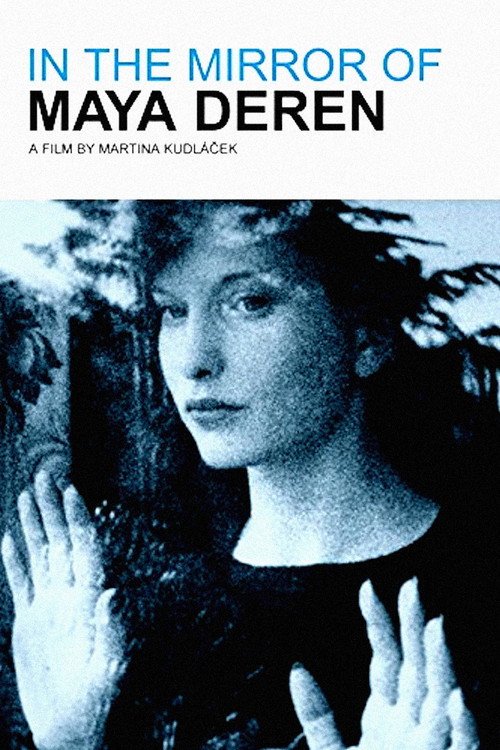
Documentary about the life of avant-garde filmmaker Maya Deren, who led the independent film movement of the 1940s.
In the Mirror of Maya Deren

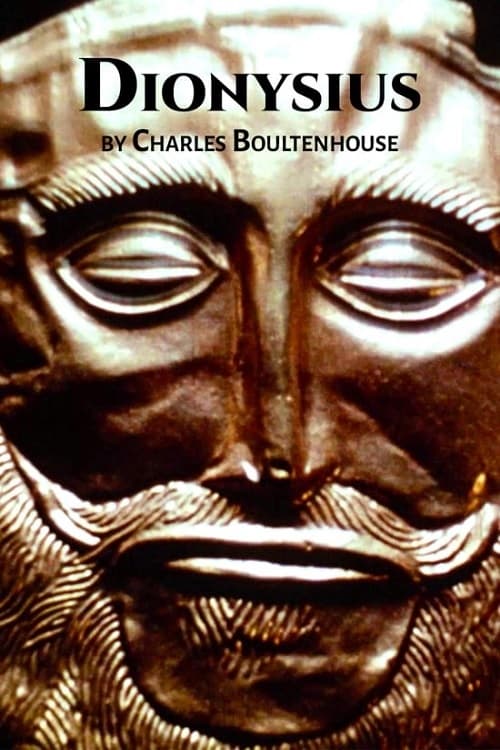
In 1963 Boultenhouse wrote, produced, and directed Dionysius,which he described as a “free treatment of Euripides' The Bacchae.”It starred the dancers Louis Falco, Anna Duncan, and Nicolas Magallanes as Dionysius, Agave, and Pentheus respectively, and the experimental filmmakers Charles Levine, Willard Maas, Gregory Markopoulos, Marie Menken, Lloyd Williams and William Wood as the Chorus of Cameras. The film's score was by Teiji Ito.
Dionysus
This documentary interweaves films and voice recordings by Maya Deren with interviews featuring colleagues and contemporaries who worked with or knew her firsthand. Drawing on archival material and commentary from figures such as Jean Rouch and Jonas Mekas, the film traces Deren’s work and influence across experimental cinema and ethnographic thought.
Maya Deren, Take Zero

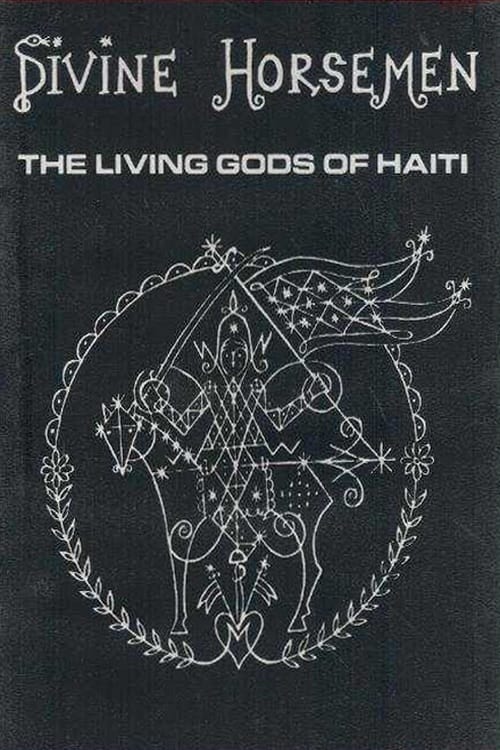
This intimate ethnographic study of Voudoun dances and rituals was shot by Maya Deren during her years in Haiti (1947-1951); she never edited the footage, so this “finished” version was made by Teiji Ito and Cherel Ito after Deren’s death.
Divine Horsemen: The Living Gods of Haiti

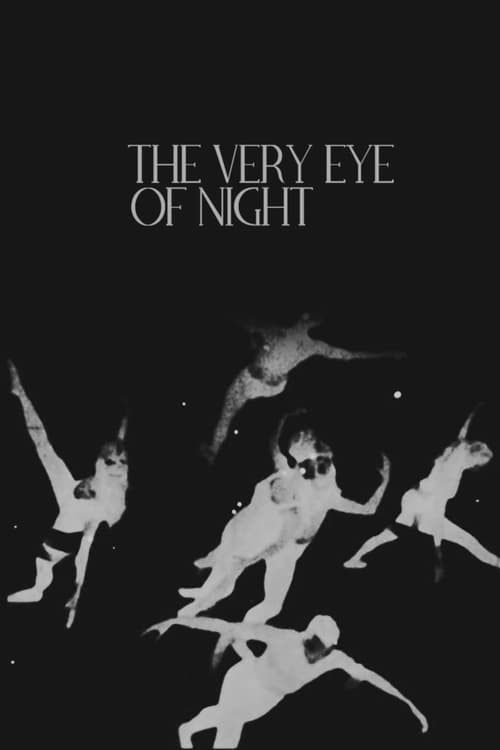
Dancers, shown in photographic negative, perform a series of ballet moves, solos, pas de deux, larger groupings. The dancers glide and rotate untroubled by gravity against a slowly changing starfield background. Their movements are accompanied by music scored for a small ensemble of woodwind and percussion.
The Very Eye of Night

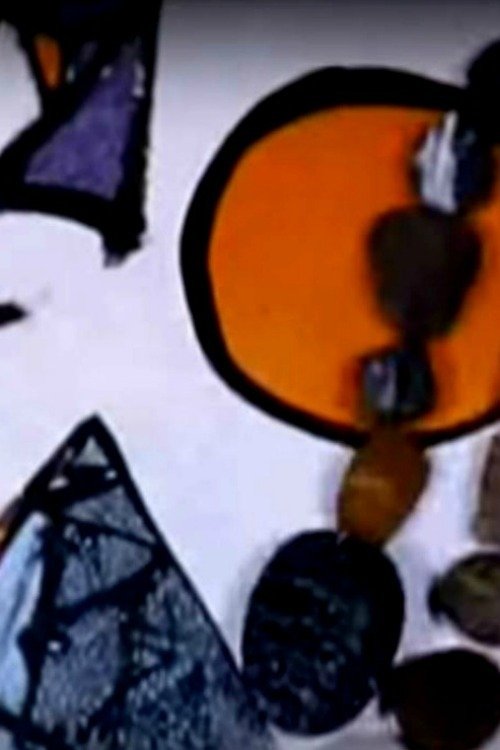
Menken's 16mm, stop-motion tribute to the art of Dwight Ripley was filmed in 1959 in his apartment at 416 East Fifty-eighth Street in New York. She used his drawings as flats.The remarkably contemporary soundtrack for steel drum, guitar, flute, and voice was written for the occasion by Maya Deren's young husband, Teiji Ito, and is available in his album Music for Maya (Tzadik). Stan Brakhage called Dwightiana a pioneer example of the film portrait, abstract rather than narrative (the colored pencils represent Ripley's palette). Ripley was also a botanist, and Menken's unusual title alludes to botanical nomenclature as if Dwightiana might be the name of a species as well as a work "about" Dwight.
Dwightiana

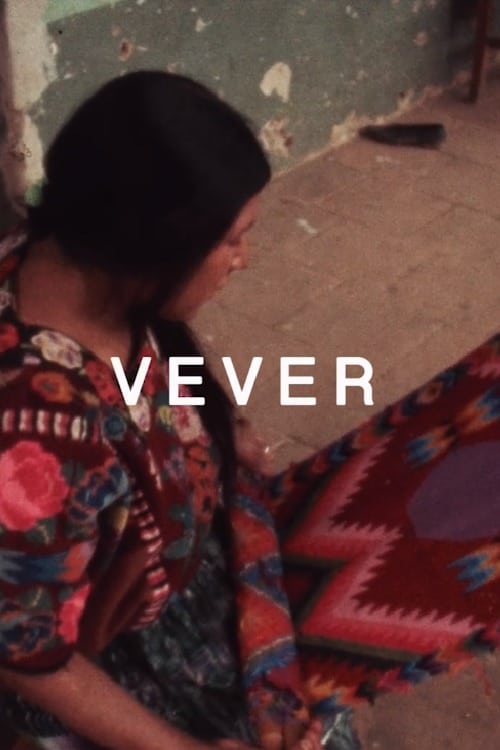
Deborah Stratman brings past perspectives into the contemporary moment in a montage of unfinished film footage from artist Barbara Hammer with evocative sound, texts, and teachings from artist Maya Deren. Vever poetically draws connects between three generations of women filmmakers who separately, and now together, have taken on unknown challenges, and opened themselves up to reinterpretation in their filmmaking practices.
Vever (For Barbara)

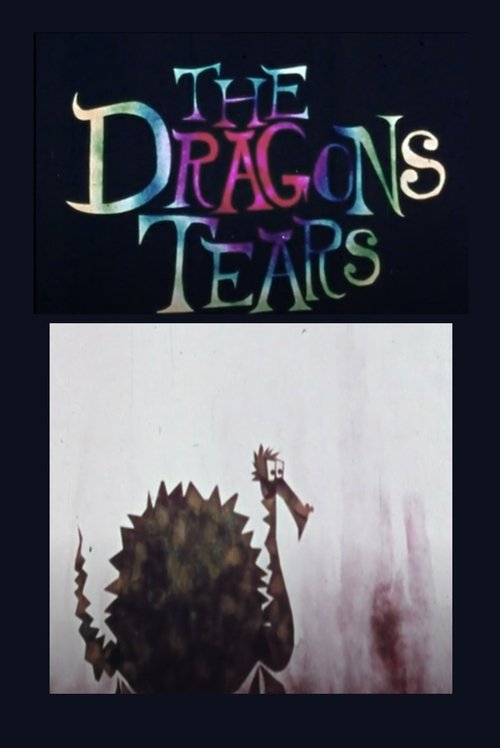
John Korty's animated adaptation of Hirosuke Hamada's story (Ryu no Me no Namida) of a little boy's fearless act of inviting a dragon to his birthday party. Utilizes Japanese-style watercolor artwork.
The Dragon's Tears

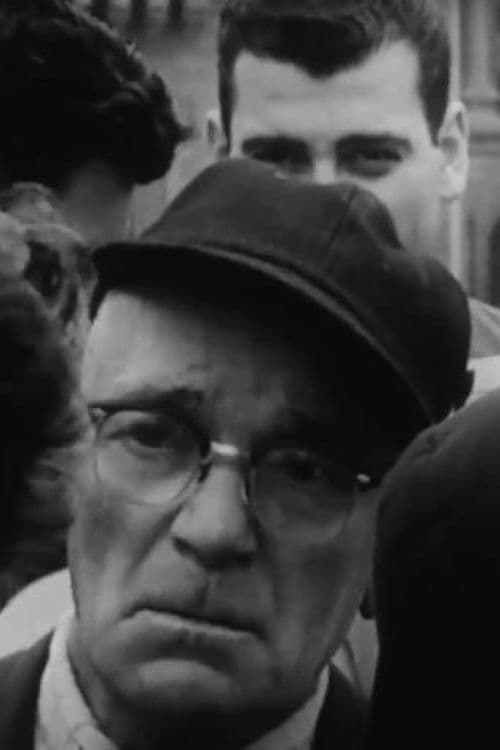
Pacifist plea sponsored by a Quaker group. To a voice-over commentary describing the arms race, Language of Faces presents a montage of human faces and activities that culminates in a silent vigil at the Pentagon.
The Language of Faces

Filmed at the Alhambra in Spain in just one day, according to Marie Menken. Arabesque for Kenneth Anger concentrates on visual details found in Moorish architecture and in ancient Spanish tile. The date 1961 refers to the addition of Teiji Ito's soundtrack and its subsequent completion, but the film was likely shot in 1960 or earlier. - David Lewis
Arabesque for Kenneth Anger

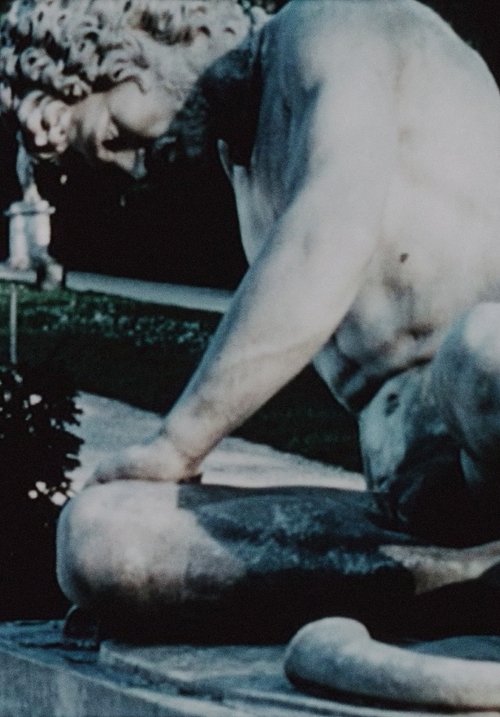
"This is a new version of the now famous film made for her husband, the poet and film-maker. Returning from the Brussels fair, she shot this at Versailles and the Louvre. There is wit, irony and prophecy here (though perhaps not apparent to those who do not know Marie Menken and Willard Maas personally). She says only 'A more serious film than ARABESQUE, BAGATELLE attempts to synchronize into a lyric statement some observations on Versailles.' Marie Menken's fountains are the fountains of life. Marie Menken's Versailles is the Versailles of death. The beauty of this film is the alternation of the fountains and Versaille death. Only Marie Menken would have the subtlety, sensibility, sesitivity, receptivity to fuse and fetilize the classical paradoxes in such an immediate visual apotheosis." -- Charles Boultenhouse
Bagatelle for Willard Maas
Because of the film's choices of text and illustration were made so well – and because the natural anatomy of memory is so like that of cinema montage– the movie's effectiveness is very great, and it stands as a worthy initial exploration of the medium in which Mr. Boultenhouse has wrought so well. –Wallce Thurston, Kulchur #16
Henry James' Memories of Old New York

An expansion upon an idea put forward in Marie Menken's film Notebook; single-frame footage of the moon shot on various nights, blinking and darting around within Menken's field of vision.
Moonplay

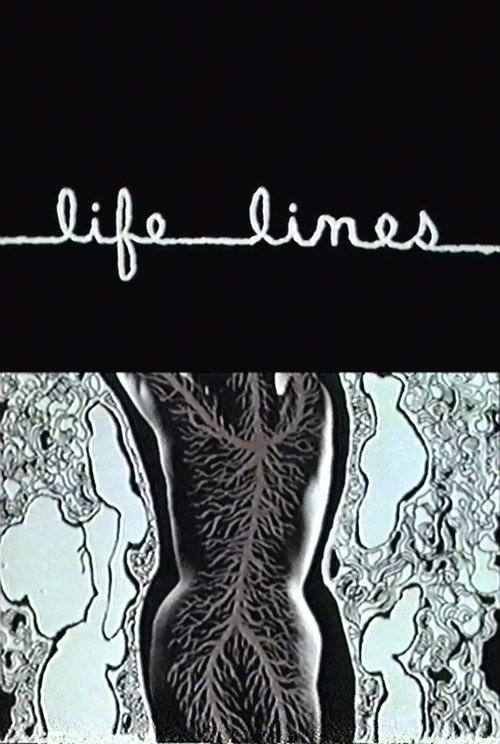
A combination of animated line drawings with live photography of a nude model. A play on the title (living lines, life model, procreation and hand life line).