Acting
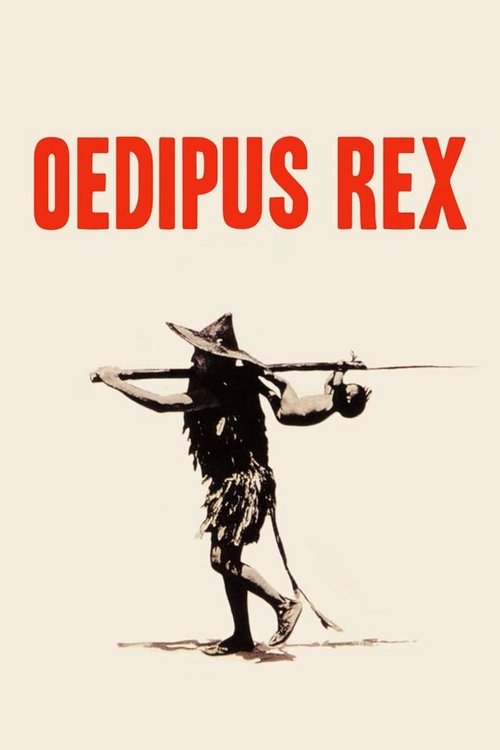
In pre-war Italy, a young couple have a baby boy. The father, however, is jealous of his son - and the scene moves to antiquity, where the baby is taken into the desert to be killed. He is rescued, given the name Oedipus, and brought up by the King and Queen of Corinth as their son. One day an oracle informs Oedipus that he is destined to kill his father and marry his mother. Horrified, he flees Corinth and his supposed parents - only to get into a fight and kill an older man on the road…
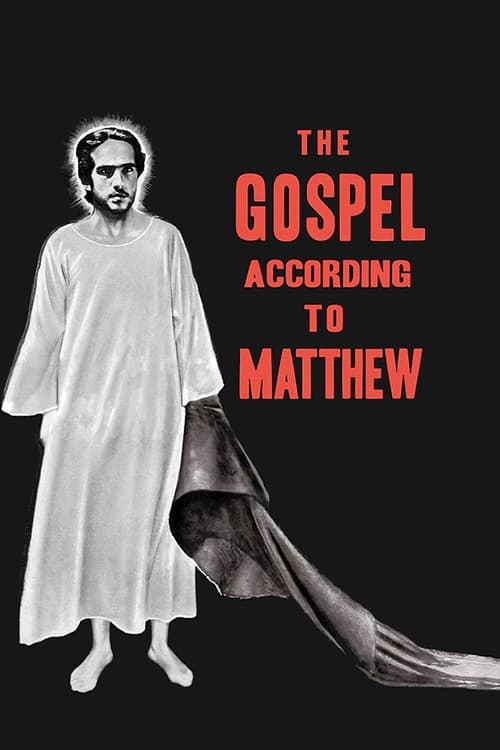
Along a rocky, barren coastline, Jesus begins teaching, primarily using parables. He attracts disciples; he's stern, brusque, and demanding. His parables often take on the powers that be, so he and his teachings come to the attention of the Pharisees, the chief priests, and elders. They conspire to have him arrested, beaten, tried, and crucified, just as he prophesied to his followers.
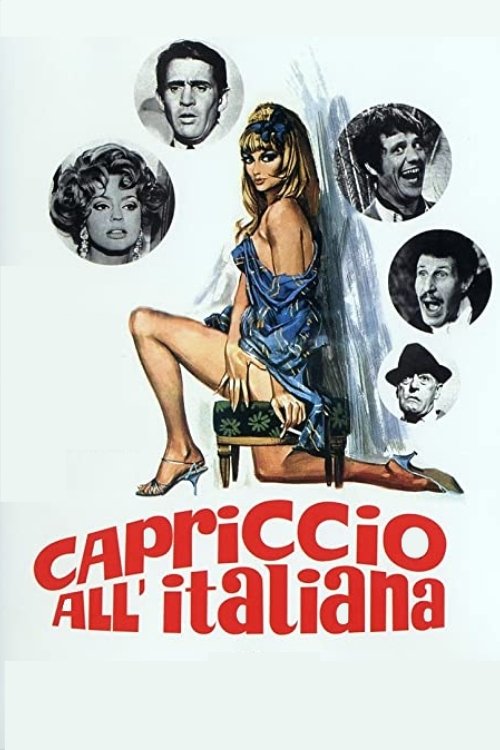
The film consists of six short stories created by different directors, but all the stories share one thing: a warm irony to current events.
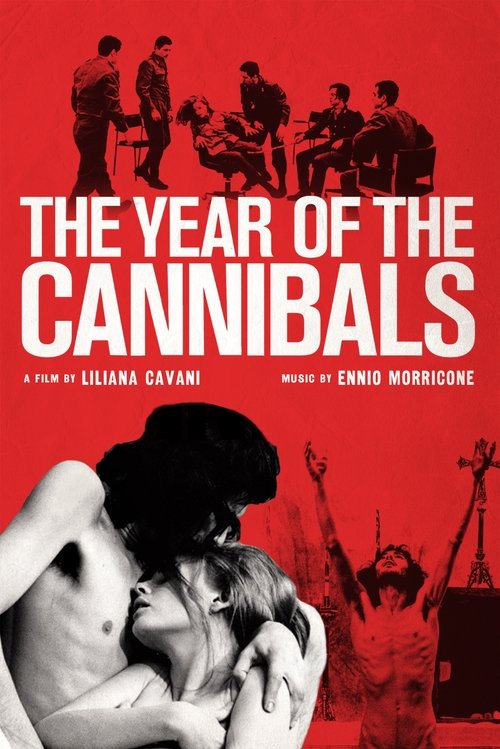
On the streets of a damp metropolis lie the corpses of hundreds and hundreds of boys and girls. No one can give them a resting place because of a law enacted by a repressive State. But the young Antigone, with the help of a foreigner, Tiresias, violates this rule in the name of pietas, undermining the established order.
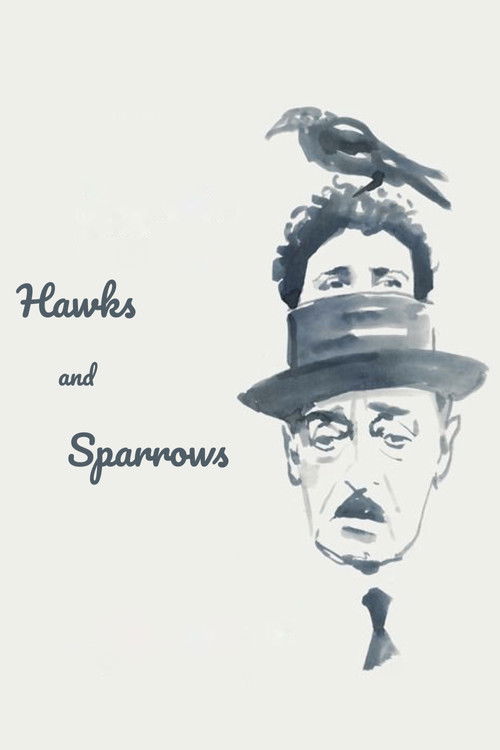
A man and his son take an allegorical stroll through life with a talking bird that spouts social and political philosophy.
Five Neapolitan directors depict life in the city under the shadow of Mount Vesuvius for this anthology film of comedy, drama, surrealism, and political commentary.
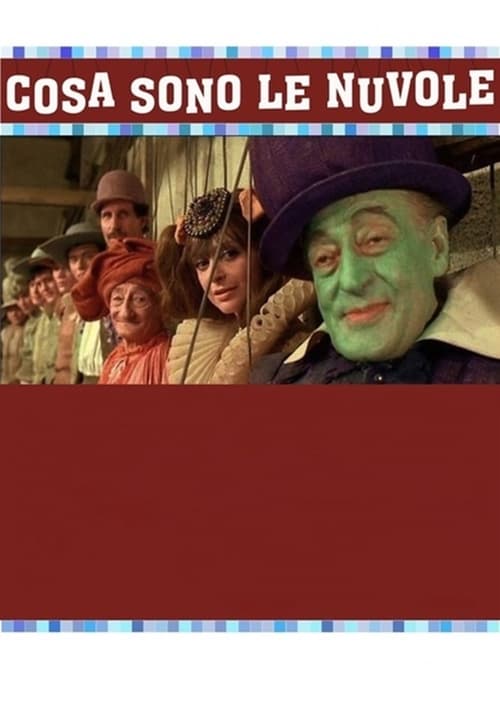
Some puppets come to life in a theater with no windows. This time the puppets interpret William Shakespeare's Othello.
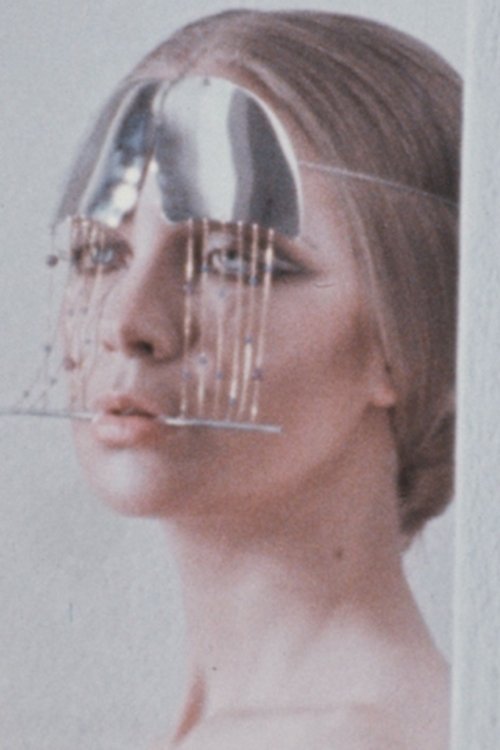
A self-parody film on Arnaldo Pomodoro's sculptures and the art as "commodity", shot together with Francesco Leonetti and Ugo Mulas.
Produced in 1971 by the collective behind the magazine “Che fare” and directed by Francesco Leonetti and Arnaldo Pomodoro, the film analyzes the socio-political context of 1969-1970 Italy, denouncing the death of the anarchist Giuseppe Pinelli and recounting the defamation lawsuit filed by police commissioner Luigi Calabresi against the weekly magazine “Lotta Continua,” which had accused him of the murder. Combining different genres and temporal perspectives—documentary and fiction—the film stands as a significant example of the “militant cinema” that became an important tool for counter-information in the 1960s and 1970s. Presented at the Mostra internazionale del Nuovo Cinema di Pesaro in 1971, “Processo politico” was deemed excessively experimental and provoked harsh reactions from audiences and critics alike.