Acting
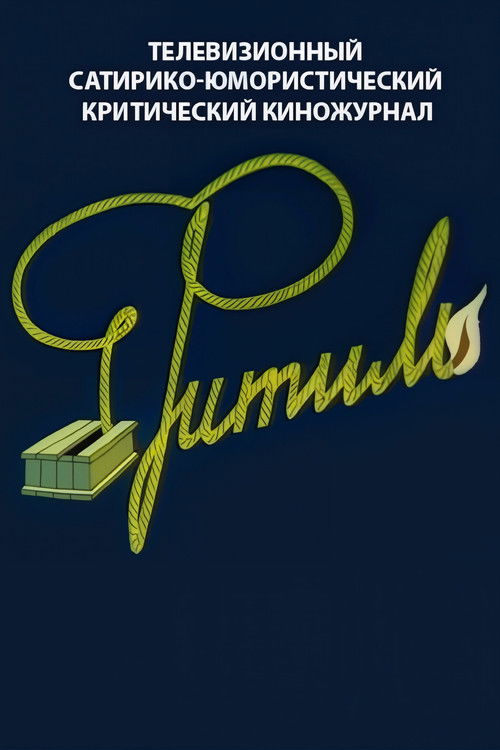
Fitil is a popular Soviet/Russian television satirical/comedy short film series which ran for about 500 episodes. Some of the episodes were aimed at children, and were called Фитилёк, Fitilyok, Little Fuse. Each issue contained from the few short segments: documentary, fictional and animated ones. Directed by various artists, including Leonid Gaidai who presented his famous trio of Nikulin, Vitsin and Morgunov into the cast. It was called in USSR as "the anecdotes from the Soviet government".
The children's humorous film magazine "Yeralash" is a one-of-a-kind work of cinematography that ironically approaches the solution of everyday problems, focusing on the views and needs of modern society, allowing different generations to achieve mutual understanding.
No description available.
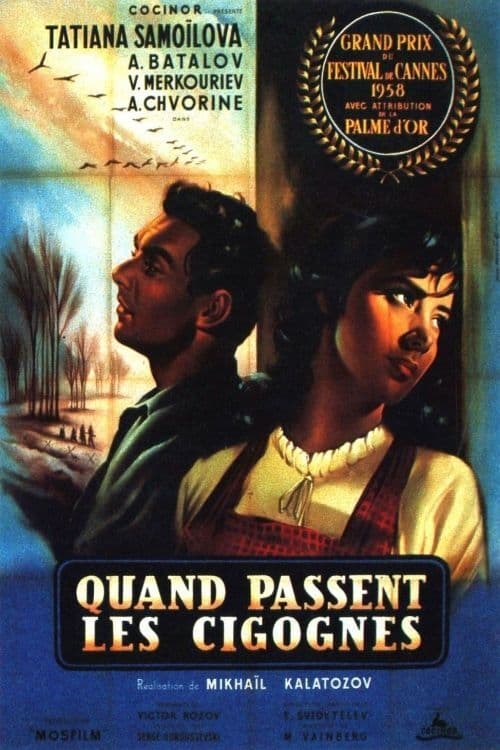
Veronika and Boris come together in Moscow shortly before World War II. Walking along the river, they watch cranes fly overhead, and promise to rendezvous before Boris leaves to fight. Boris misses the meeting and is off to the front lines, while Veronika waits patiently, sending letters faithfully. After her house is bombed, Veronika moves in with Boris' family, into the company of a cousin with his own intentions.
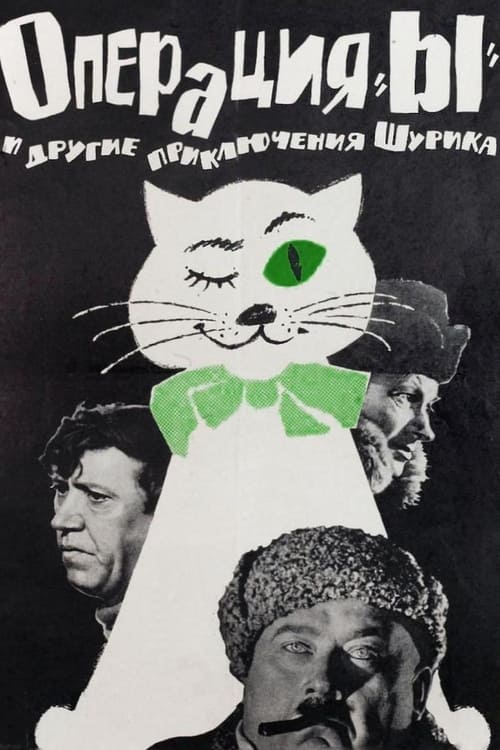
The film consists of three independent parts: "Workmate", "Déjà vu" and "Operation Y". The plot follows the adventures of Shurik, the naive and nerdy Soviet student who often gets into ludicrous situations but always finds a way out very neatly.
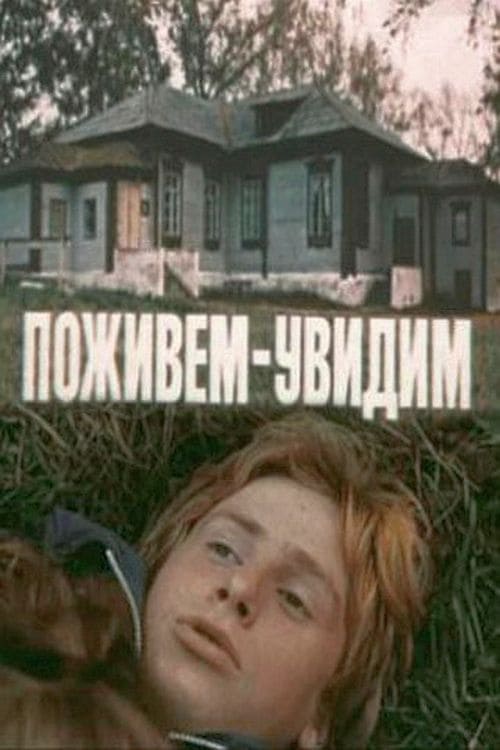
A small village in the Russian campaign is inhabited only by few old women and a boy. When a family of refugees arrives they are at first opposed by the community, but eventually they'll be accepted and help revive the village.
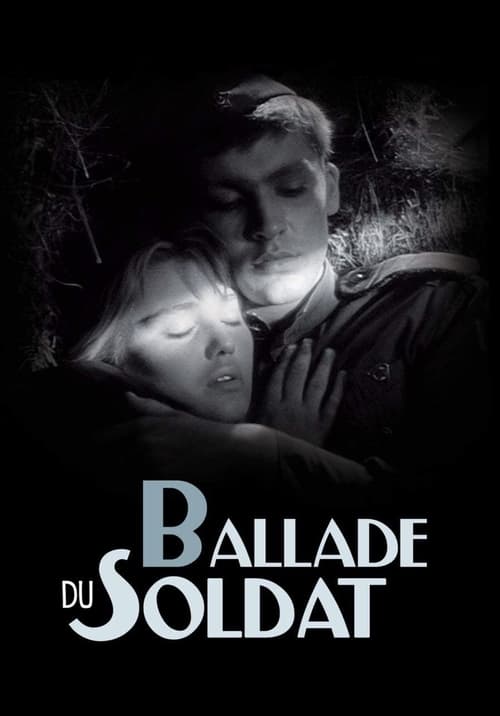
During World War II, earnest young Russian soldier Alyosha Skvortsov is rewarded with a short leave of absence for performing a heroic deed on the battlefield. Feeling homesick, he decides to visit his mother. Due to his kindhearted nature, however, Alyosha is repeatedly sidetracked by his efforts to help those he encounters, including a lovely girl named Shura. In his tour of a country devastated by war, he struggles to keep hope alive.
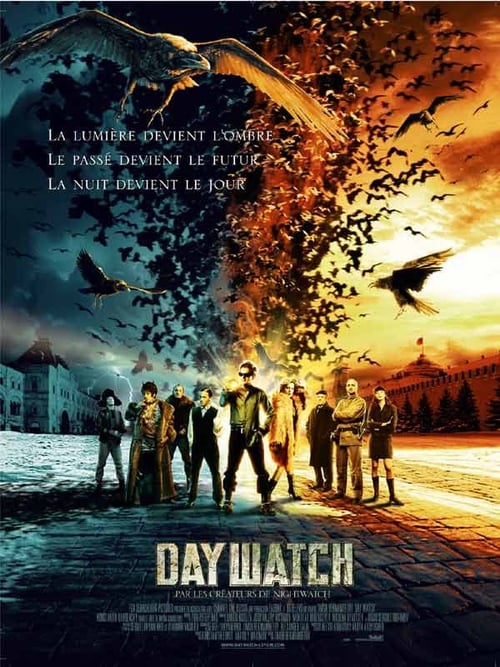
A man who serves in the war between the forces of Light and Dark comes into possession of a device that can restore life to Moscow, which was nearly destroyed by an apocalyptic event.
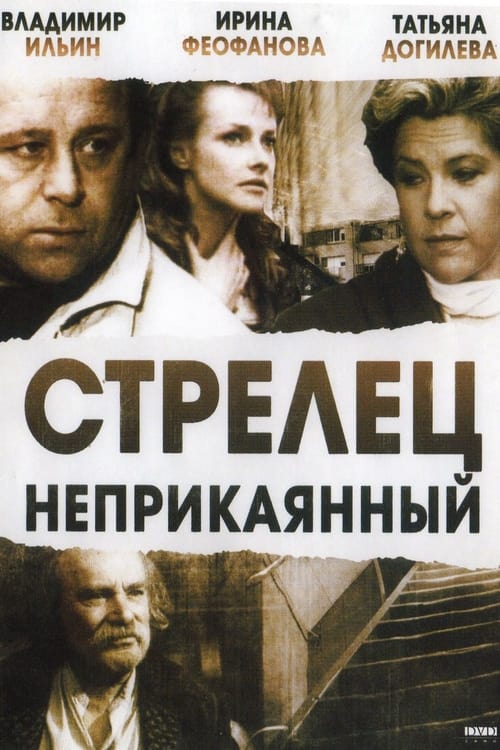
Plot revolves around the post-war decades and tells about the fate of former participants of the Great Patriotic War - Vera Boglyuk, Nina Verkhovskaya, Dusya Koroleva, Zina Skvortsova and Natasha Druzhinina.
In the Soviet airbase, occupied by the Nazis, a resistance group occurs, led by a modest girl Anna Morozova. For each victory (important, albeit small on a scale of the war) they have to pay a heavy price.
The story about a very small god-forgotten village in Siberia reflects the history of Russia from the beginning of the century till the early 1980s. Three generations try to find the land of happiness and to give it to the people. One builds the road through taiga to the star over horizon, the second 'build communism' and the third searches for oil.
Based on a true story, this horrifying tale follows two orphaned friends as they struggle to survive during World War II.
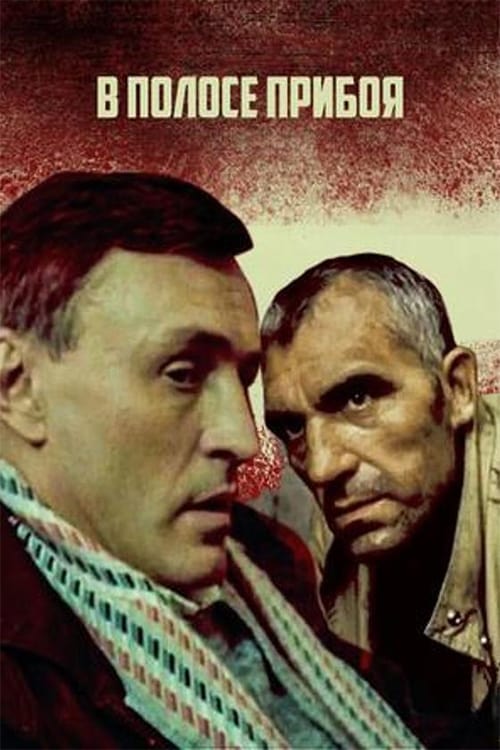
Katya and her 6-year-old son Sanya, who, in 1952, meet a veteran Soviet officer named Tolyan. Katya falls in love with Tolyan, who turns out to be a small time criminal, but who also becomes a father figure to Sanya ...
About the events of the final stage of the Second World War — the defeat by Soviet and Mongolian troops of the selected Kwantung army. Bacteriological weapons were created in the laboratory of Japanese General Ishii Shiro. Experiments were conducted on prisoners of war and political prisoners. Epidemiologist Dmitry Sokolov was assigned to solve the mystery of this laboratory. At the cost of his own life, he completed the task. The march of Soviet and Mongolian formations through the Gobi sands and the Khingan spurs was not only a brilliant military operation, but also a warning of the use of bacteriological weapons by Japan.
The story follows Maria Konovalova who travels from her rural village to visit her daughter Nina in the city. Maria's arrival exposes the stark contrasts between rural and urban lifestyles and reveals deep-seated family tensions. Interestingly, Родня (Rodnya) in Russian sounds very similar to the word Родина (Rodina), which means "Motherland." The film features three generations of women — Maria, her daughter Nina, and her granddaughter Irina — symbolizing three different Russias: one from the past, one modern, and one representing the future.
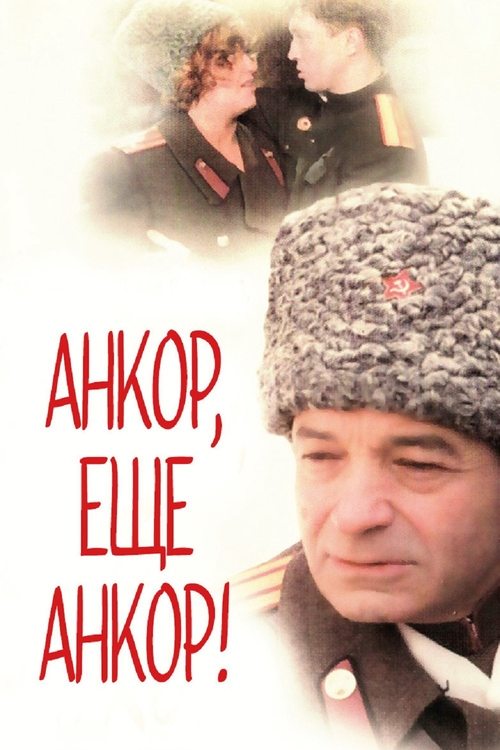
A drama set at the end of the Forties and the beginning of the Fifties. In a distant garrison town, life proceeds at a measured past. The officers drink and debauch, while the soldiers serve. Meanwhile accidentally unleashed human emotions are suffocated by the atmosphere of cruelty and hypocrisy.
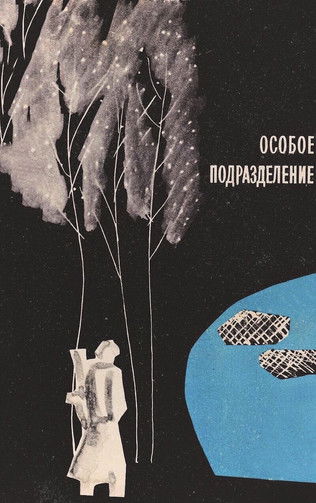
In May 1941, a young instructor of the Komsomol Regional Committee of Belovezhskaya Pushcha Andrei Dyomushkin was invited to the graduation party of the Moscow Theatre School to create a professional theatre in the city. The war has crossed out all plans. Now he, along with the course of graduates, will have to go through the war and be the commander of the front acting fraternity in the current army "A Special Unit"...
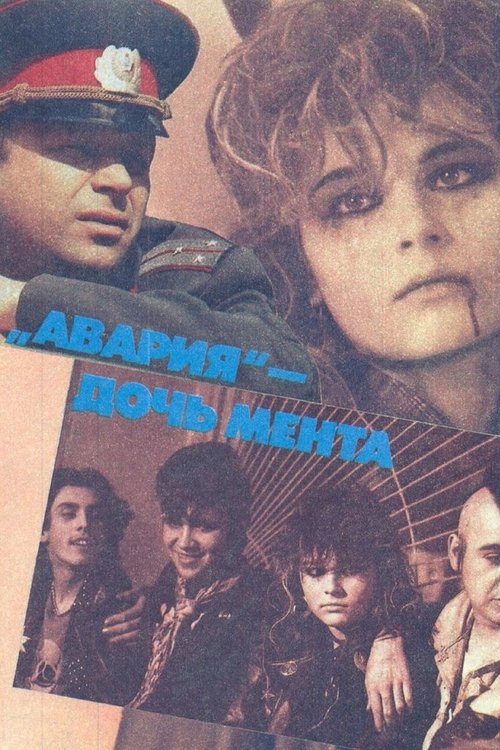
A teenage girl nicknamed Avariya - "Crash" - is a rebel child that just can't get along with her family members that try to persuade her to behave normally - that is as other people do. But when Avariya gets gang-raped, his father (who is a cop) breaks all the rules and goes out for revenge.