FEEL IT.STREAM
Chitralekha Guho

Chitralekha Guho

Acting

Biography

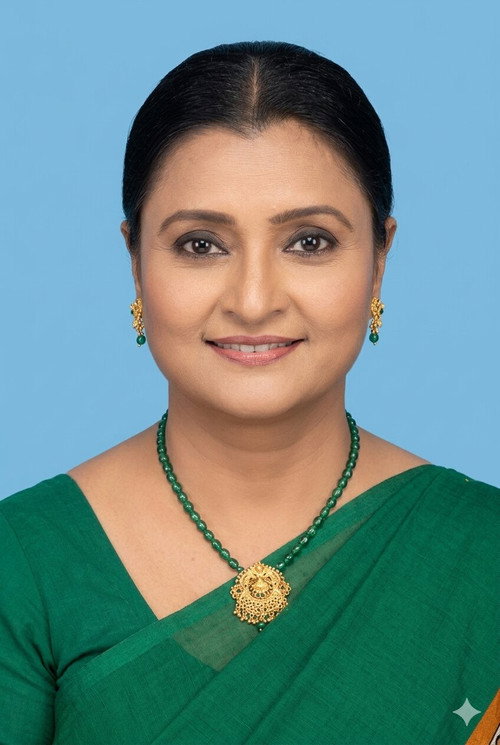
Chitralekha Guho is a Bangladeshi television, stage and film actress. She was awarded Bangladesh National Film Award for Best Supporting Actress for her role in the film '71 Er Maa Jononi (2014).
Known For

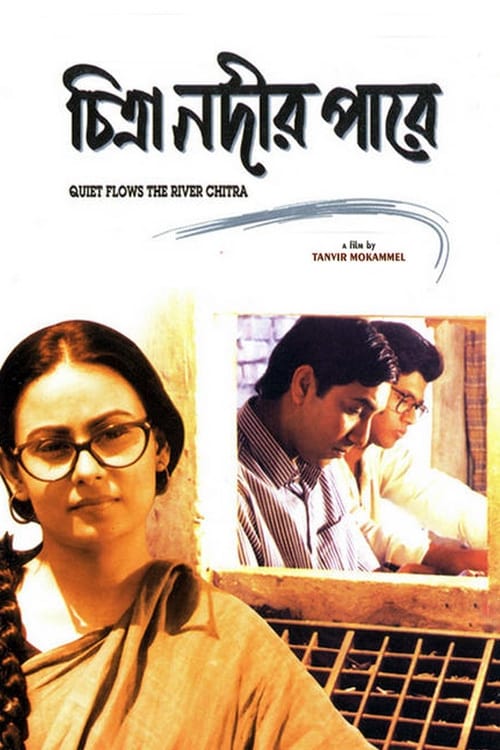
Chitra Nodir Pare
6.7

After the partition of India in 1947, Shashikanta's family, like millions of other Hindu families of East Pakistan (now Bangladesh), faced the dilemma of whether to migrate from the land in which they have been living for centuries. But Shashikanta Sengupta, an eccentric lawyer, stubbornly refuses to leave his motherland. Widower Shashikanta has two children, Minoti and Bidyut. Anuprava Devi is an affectionate old aunt who lives with the family. The family has a house in Narail, a small provincial town on the bank of the Chitra river. Some Muslim neighbors eye Shashaikanta's house. But the family refuse to migrate. Shashikanta's children Minoti and Bidyut are friends with the neighboring Muslim children- Badal, Salma and Nazma. Minoti and Badal become more than friends. The children grow up.

Chitra Nodir Pare

1998
Lalon
7.7

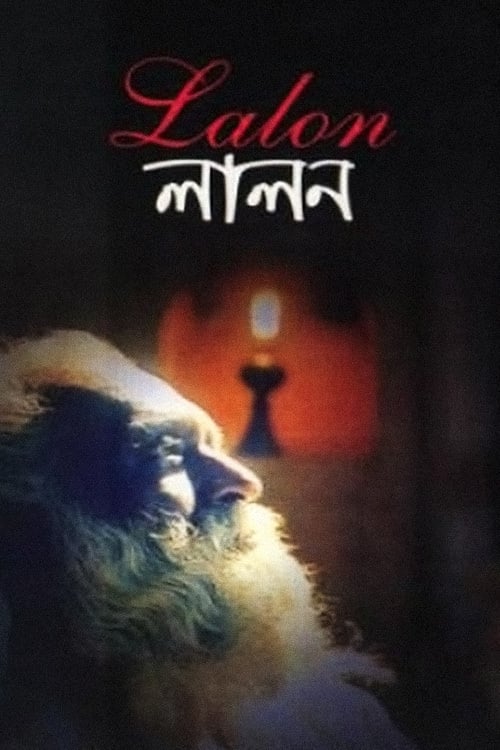
The story of the life of Lalon Fakir, a great mystical saint, poet and folk singer, who is legendary in his native Bangladesh.

Lalon

2004
Molla Barir Bou
7.0

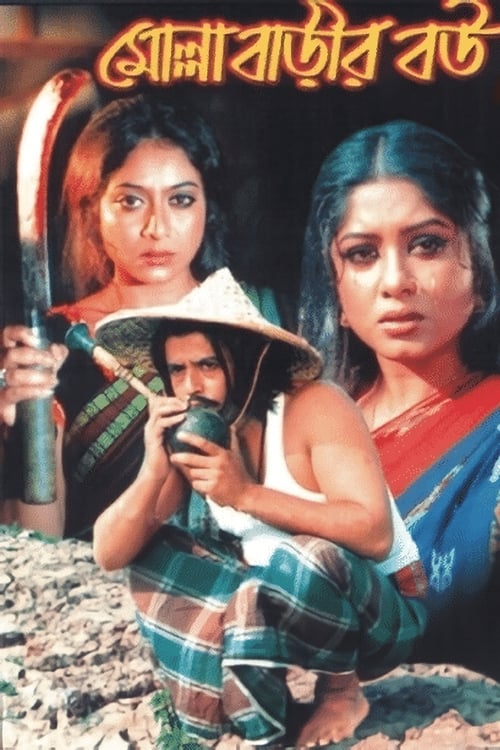
The charming story of the film is picked up from village life of our country. The mischief of the so-called 'Molla' who has no knowledge except fanatic sentiments perturbed all. His home is the seat of an oppressive regime.

Molla Barir Bou

2005
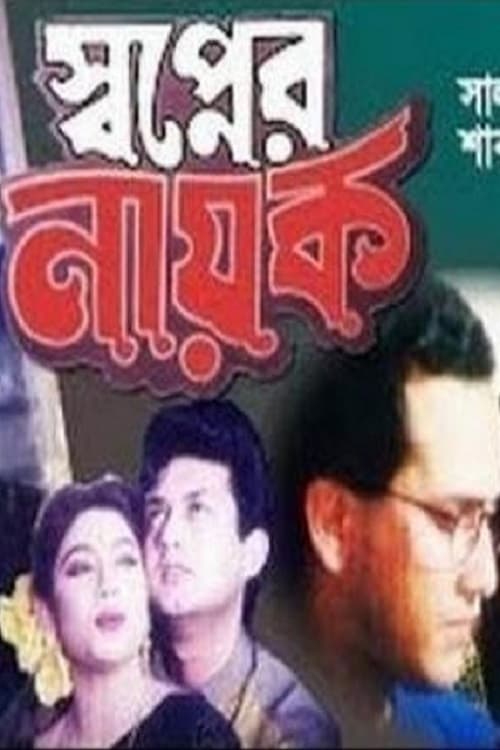
Shopner Nayok
N/A

2 boy who has almost same face. The story was going to crime and romance.

Shopner Nayok

1997
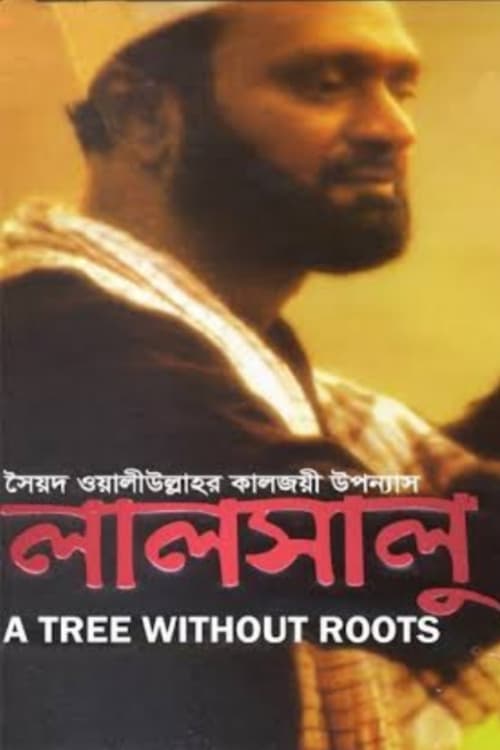
A Tree Without Roots
6.1

In this tragic-comic study of religious hypocrisy, a disreputable cleric convinces villagers that their community is home to a famous holyman's grave.

A Tree Without Roots

2001
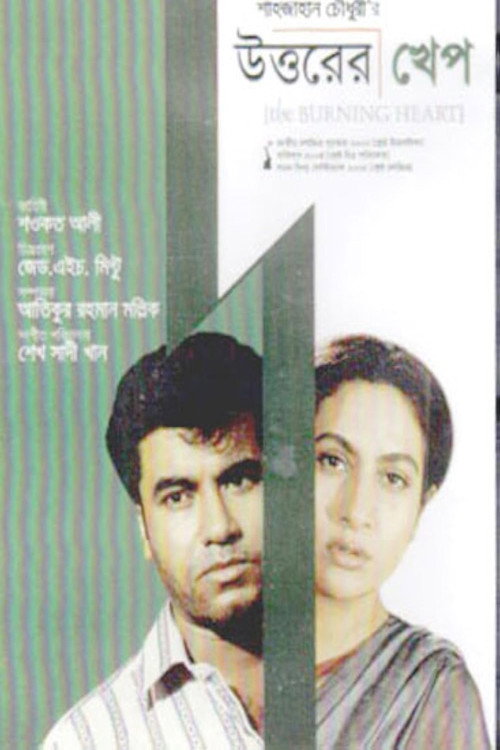
The Burning Heart
N/A

Struggle of a man's life against luck

The Burning Heart

2000
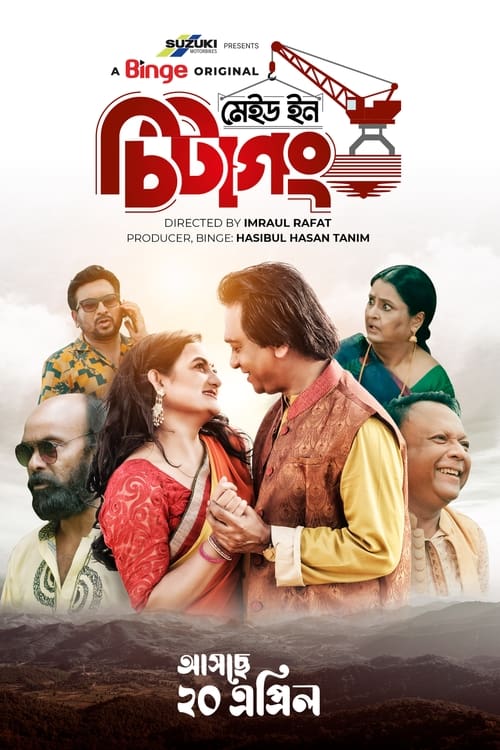
Made in Chittagong
N/A

Solaiman and Noorjahan did not had good impression towards each other from their first meeting. Since then whenever they meet, they end up fighting. This hampered their personal life as well. Finally they fell for each other, but will they be able to be together?

Made in Chittagong

2023
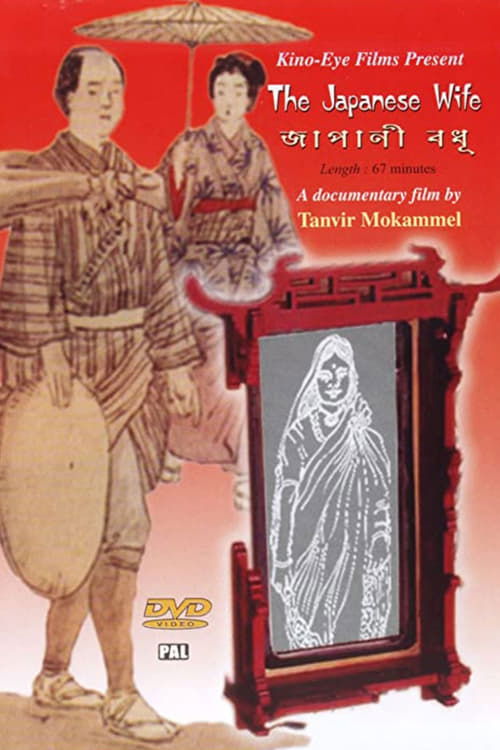
The Japanese Wife
N/A

Hariprobha Basu Mallik (1890-1972) of Dhaka married Japanese citizen Wemon Takeda and went to Japan in 1912. About her travel and experiences in Japan she wrote a book titled as "Travel in Japan by a Bengalee Woman" (Bongo Mohilar Japan Jatra). Regarding travelogues on Japan the first book that comes into any Bengalee's mind is Rabindranath Tagore's well known "Traveller to Japan" (Japan Jatri). But while Tagore wrote about the beauty and aesthetics of Japan with profound depth, Hariprobha portrayed the everyday domestic life of the common Japanese people. Japan, during the beginning of the last century, seems a different country altogether. Hariprobha, during her last visit to Japan in 1941, used to read Bengali news from Tokyo radio for Subhas Chandra Bose's Azad Hind Fouz. After the Second World War Hariprobha returned to India and died in Kolkata in 1972.

The Japanese Wife

2012
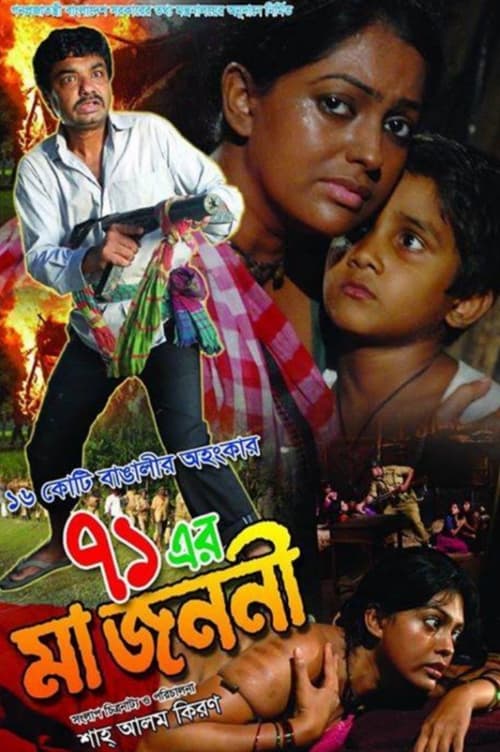
71 Er Ma Jononi
N/A

Jamila lives with her son and mother-in-law in a village. Her husband Hashem works in town. When the war broke out, he leaves town and comes to village. He unites the villagers to protest the Pak military. On the other hand, with the help of Kader Ali Pakistani Mejor Sarfaraj takes away Jamila to the camp. She and other women were victimized by Pakistani Army. By the time, they get united and protest the army.

71 Er Ma Jononi

2014
A Tale of Life
N/A

Politics and its influence brings struggle in the life of webers in a village.

A Tale of Life

1995
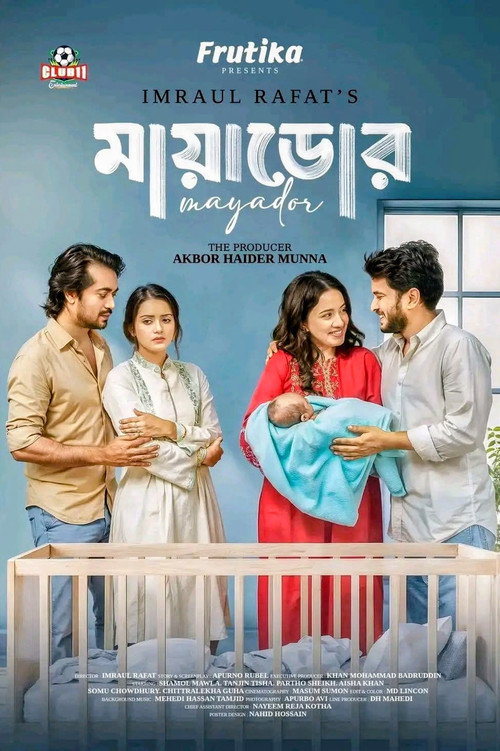
মায়াডোর
N/A

A joint family’s harmony is tested when the elder couple’s struggle with childlessness clashes with the younger couple’s pregnancy, leading to emotional tension and conflict within the household in Mayador.

মায়াডোর

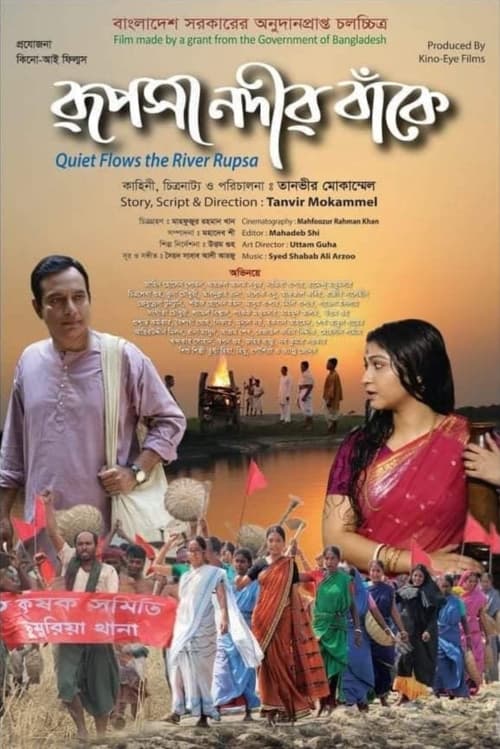
Quiet Flows The River Rupsa
N/A

It is a film about a left wing leader, who like a Greek tragic character, fought against his destiny all along his life. While portraying the man’s struggles the film deals with the anti-British Swadeshi movement, the 1947 Partition of India, Tebhaga movement of the Bengal peasants, creation of Pakistan, killing of the political prisoners inside jail in Rajshahi and finally the liberation war of Bangladesh against Pakistan in 1971. The film also reveals the love and sacrifices of this star-crossed man.

Quiet Flows The River Rupsa

2020
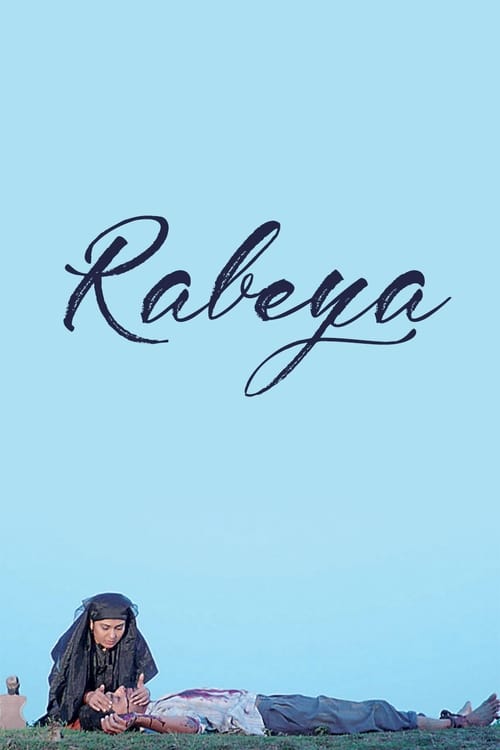
Rabeya
N/A

During Bangladesh's Liberation War against Pakistan in 1971, in a remote village Rabeya and Rokeya, two orphaned young sisters, live in the religiously conservative household of their uncle Emdad Kazi, a rich kulak and a local Muslim League leader.

Rabeya

2008
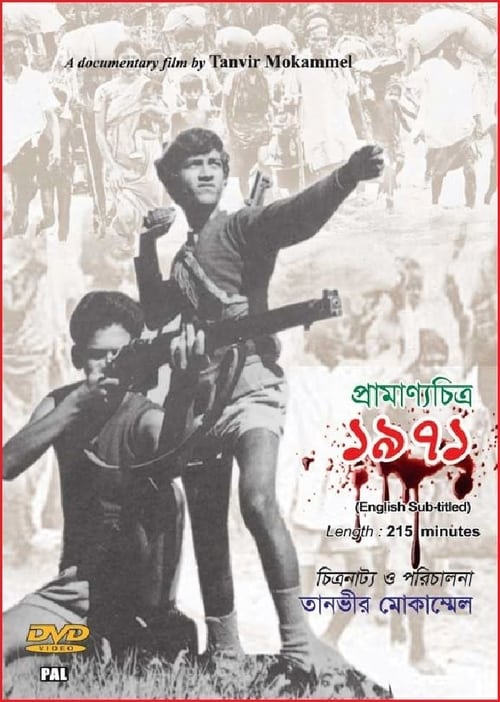
1971
6.0

No description available.

1971

2011
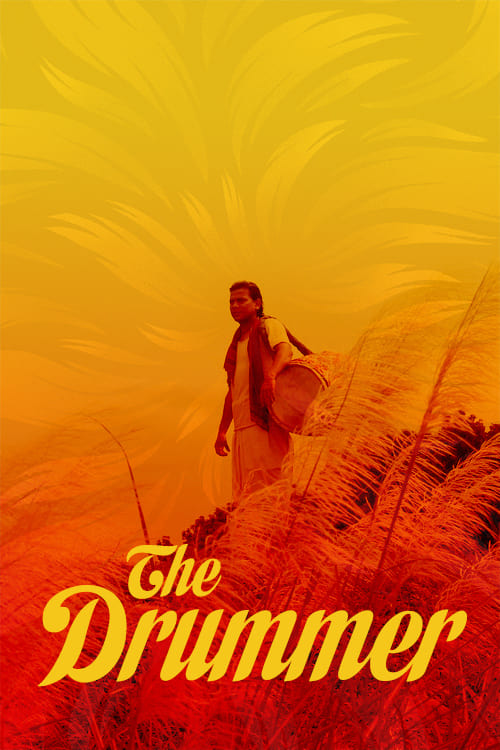
The Drummer
6.3

The story of a drummer and his family during the Liberation War of Bangladesh in 1971.

The Drummer

2014
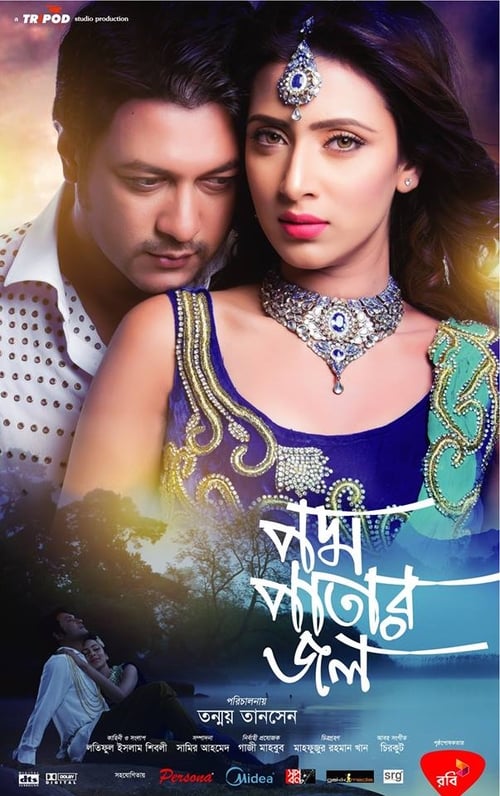
Podmo Patar Jol
N/A

The film takes place during the late 19th century in Bengal. During that period of time, Zaminders had absolute power and controlled every aspect of common people's lives. Rizwan is the only son of a very powerful Zaminder who resides in the rural part of Bengal. As Rizwan grows up, His father sends him away to the city for higher education, however Rizwan have no interest in heart to seek higher education as he aspires to become a great poet. As he progresses with his life in the city, one day his friends persuades him to go to a Baizi Bari's Jhumri Mahal, where all the Raqasa (Dancers) resides.

Podmo Patar Jol

2015
Prachir Periye
N/A

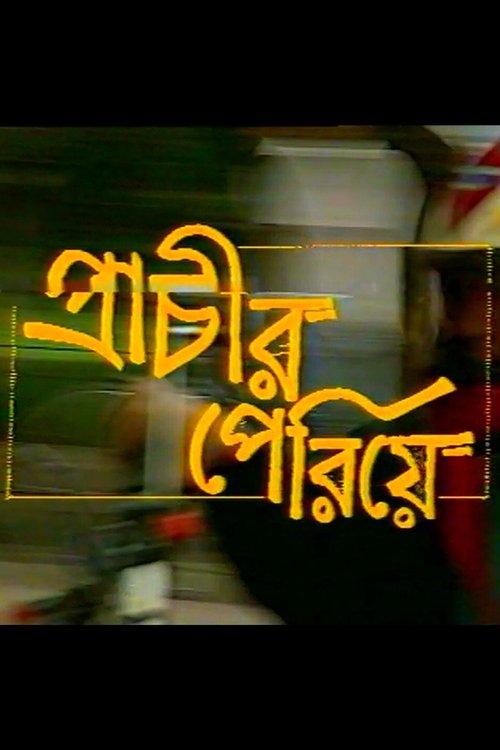
The first package drama in the history of Bangladesh, Prachir Periye (Beyond the Wall) was telecast in 1994 and is based on the novel Pishach Dweep (The Island of Evil) from the Masud Rana series.

Prachir Periye

1994
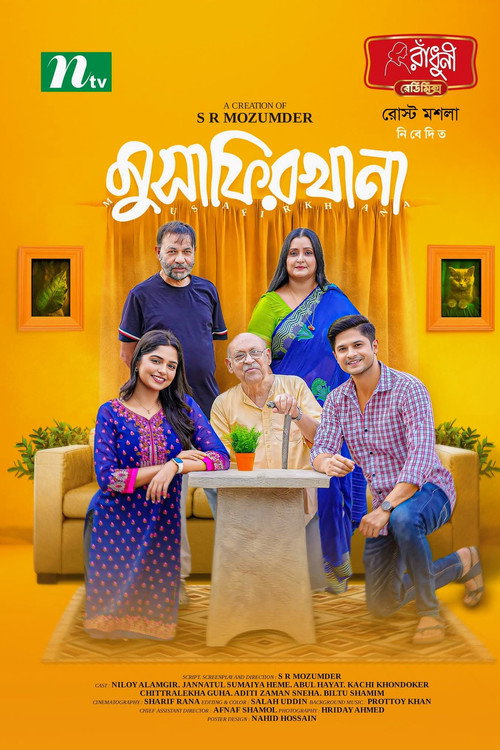
Musafirkhana
N/A

A simple village boy comes to the city to stay with a familiar family while searching for a job, and in the process, he slowly begins changing the troubled family for the better.

Musafirkhana

2025
No image
N/A

At the heart of the story are Shojon and Duli, two adolescents from different religious backgrounds. They grow up together as childhood companions and close friends. However, their tender relationship eventually turns into one of separation and sorrow. Conflict erupts in the village, and its tragic consequences fall heavily upon Shojon and Duli.

Shojon Badiar Ghat

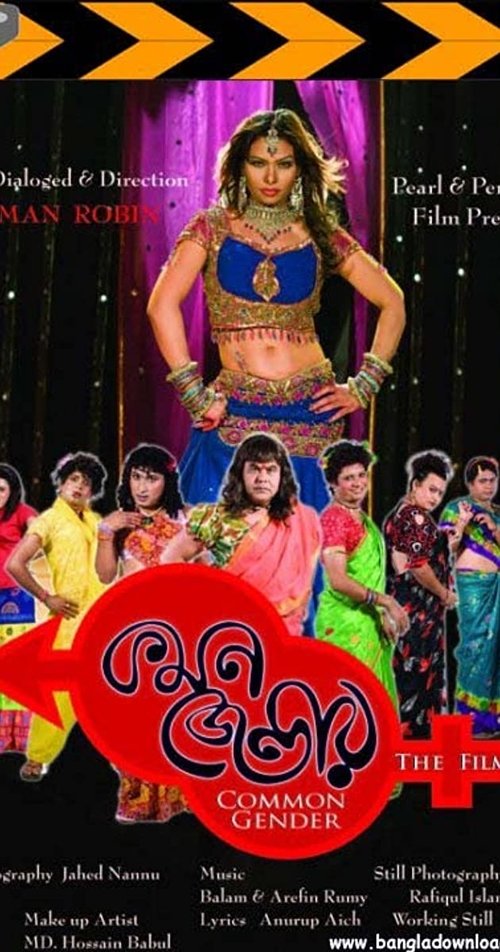
Common Gender
4.0

Common Gender is a 2012 Bangladeshi film starring Dolly Zahur and Chitralekha Guha. It is the first Bangladeshi film to portray the lives of Hijra or transgender people. It is one of the first films in world cinema to have two transgender people as lead characters. It was subsequently released in the United States.

Common Gender

2012